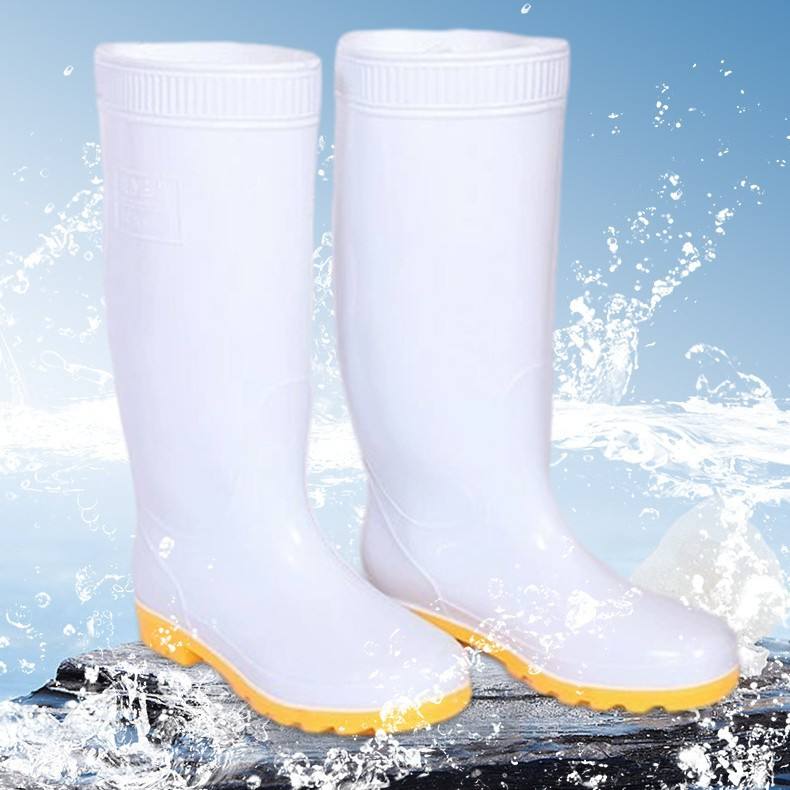
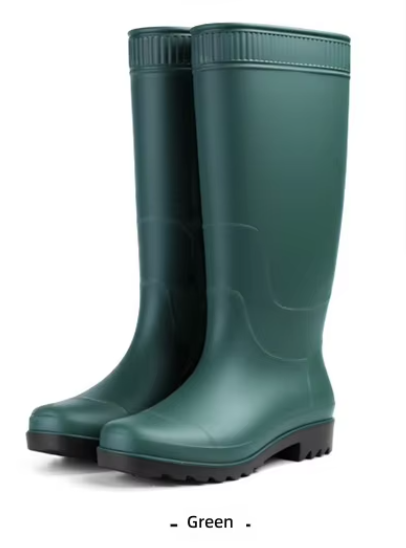
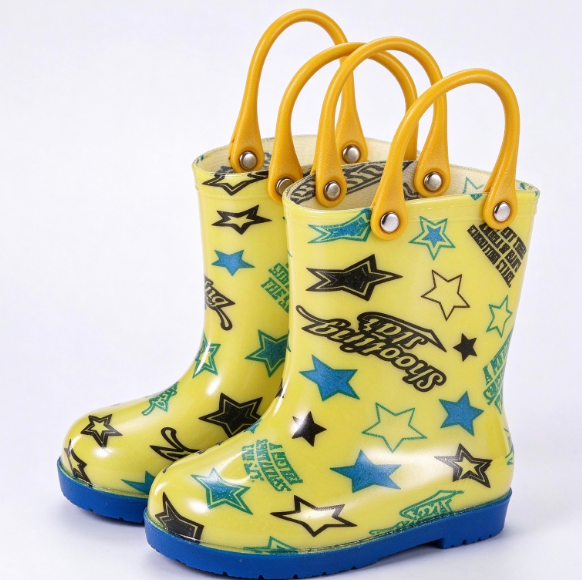
Meta Description: For industrial workers in demanding environments, rain boots must deliver consistent performance to prevent slips, falls, and material damage. This guide covers key factors that drive boot reliability, material selection logic, and industry standards to support operational efficiency. Professional Rain Boot Manufacturer distributes standardized footwear options tailored to high-stakes low-error work needs.
Keywords: PSBR, industrial rain boots, waterproof footwear, slip-resistant boots, boot maintenance, work footwear, material science
1. Core Problem Analysis
1.1 Common Causes of the Problem
High-stakes industrial operations often face preventable issues related to ill-suited work boots. The most frequent problems include premature waterproofing failure due to seam defects, reduced slip resistance from worn outsole patterns, material degradation from repeated exposure to oils or chemicals, and ill-fitting footwear that causes discomfort leading to errors. These issues can disrupt workflow, increase safety incidents, and add unplanned replacement costs. According to ISO 20344:2021, testing methods for footwear durability help identify and mitigate these common failure points before they impact operations.
1.2 Affected Usage Scenarios
Such boot-related issues impact a range of industrial settings where low error rates are critical. These include food processing plants with wet floor surfaces, livestock farming requiring exposure to manure and moisture, outdoor construction sites in rainy conditions, warehouse cleaning operations with slippery cleaning solutions, and fishing industry works handling constant water exposure. Each of these scenarios has unique environmental demands that standard footwear often fails to meet without targeted modifications.
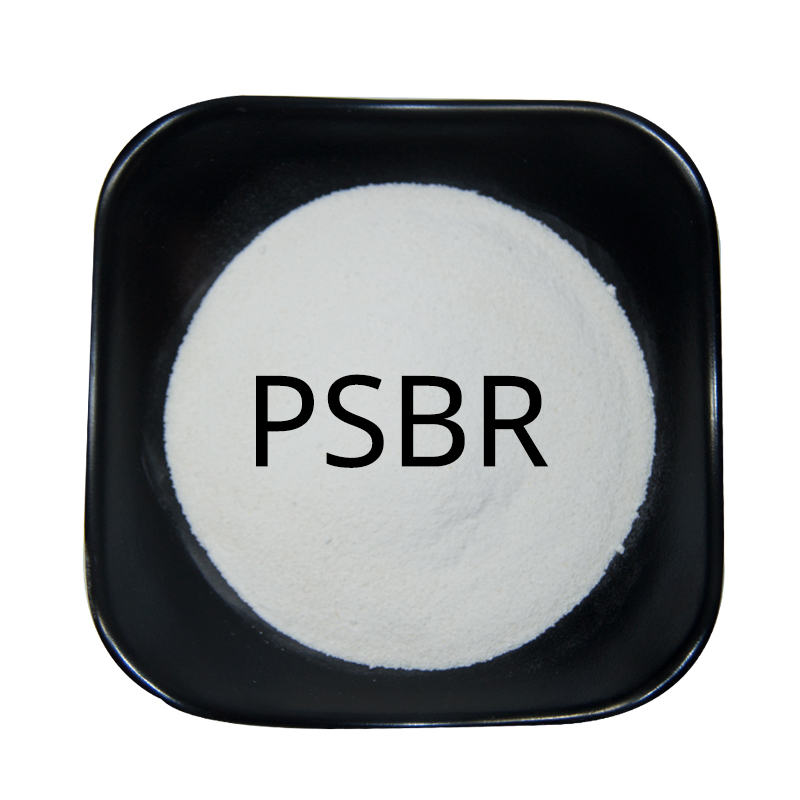
2. Product and Process Principle
The performance of industrial rain boots is determined by material formulation and manufacturing processes that address specific operational demands. Two of the most common materials used for high-performance work boots are vulcanized natural rubber and PVC blends. Vulcanized rubber offers excellent flexibility at low temperatures and strong resistance to tearing, while PVC blends provide consistent waterproofing and chemical resistance for general industrial use. Injection molding and vulcanization are key processes that ensure seam-free construction, eliminating weak points where water can penetrate. Compound formulation adjustments, such as adding slip-resistant additives to outsole compounds, further enhance performance for specific scenarios.
Professional Rain Boot Manufacturer applies these material and process principles to create boots that meet the needs of high-stakes operations, balancing durability, comfort, and performance without compromising on critical functionality. Each process step is controlled to maintain consistent quality, reducing the risk of premature failure during use.
3. Practical Solutions and Operation Steps
Selecting the right rain boots for high-stakes industrial operations requires a structured approach aligned with specific work demands. The first step is to map the primary environmental challenges of the operational setting: for example, if the work involves frequent contact with chemicals, prioritize boots tested for chemical resistance under EN 13832-3:2018. Next, evaluate boot materials: vulcanized rubber is suitable for low-temperature outdoor work, while PVC blends work well for indoor food processing environments. Check outsole patterns: deep, multi-directional lugs provide better slip resistance on muddy or wet surfaces, while smoother, oil-resistant outsoles work for indoor warehouse use.
- Measure foot size with appropriate work socks to ensure a snug fit that prevents blisters during long shifts, without restricting movement.
- Verify the sealing method: seam-free construction or welded seams reduce the risk of water penetration compared to glued or stitched seams.
- Assess lining material: moisture-wicking linings help reduce foot fatigue during extended wear in warm, humid environments.
- Cross-reference boot specifications with relevant industry standards (listed in Section 5) to confirm performance claims are valid.
4. Daily Maintenance and Precautions
Proper maintenance extends the lifespan of industrial rain boots and preserves their performance over time. After each use, clean boots with mild soap and warm water to remove dirt, chemicals, or organic residues that can degrade materials. Avoid using harsh solvents or abrasive cleaners, as these can damage waterproof coatings and rubber compounds. Dry boots naturally at room temperature, away from direct sunlight, heaters, or other high-temperature sources that can cause material warping or cracking. For deodorizing, place boots in a well-ventilated area or use a fabric-safe deodorizer, avoiding direct contact with internal linings.
Critical precautions include never using standard rain boots as substitute for safety-toed footwear in roles that require impact or compression protection, and avoiding prolonged storage in cramped spaces that can cause shaft deformation. For boots exposed to chemicals, rinse them thoroughly immediately after each use to prevent permeation that can break down the material structure over time.
5. Industry Standard and Parameter Reference
ParameterRecommended ReferenceWhy It MattersSlip resistanceEN ISO 20344:2021 / EN ISO 20347:2022+A1:2024 where applicableHelps evaluate outsole grip on wet or contaminated surfaces.Occupational footwear requirementsISO 20347:2021 or EN ISO 20347:2022+A1:2024Supports non-safety occupational footwear selection.Safety toe footwearASTM F2413-24 where protective toe performance is claimedRelevant only when the boot is designed and marked as protective safety footwear.Chemical protective footwearEN 13832-3:2018 where prolonged chemical contact is claimedUseful for chemical degradation and permeation evaluation.Low-temperature flexibilityISO 20344:2021 Section 5.17Tests material performance at temperatures relevant to outdoor or cold-storage work environments.
This table provides core standards to validate boot performance claims, ensuring that selected footwear meets regulatory and operational requirements without relying on unverified performance assertions.
6. Customer Common FAQ
Q: How do I choose between vulcanized rubber and PVC boots for high-stakes outdoor work?
A: Vulcanized rubber boots offer better low-temperature flexibility and tear resistance, making them ideal for cold outdoor environments. PVC boots provide more consistent waterproofing and chemical resistance, which is better for moderately cold work with exposure to mild chemicals. Professional Rain Boot Manufacturer recommends testing both options against specific operational temperature and chemical exposure levels.
Q: How often should industrial boots be inspected for performance issues?
A: Inspect boots before each use, checking for outsole wear, seam integrity, and lining damage. Conduct a full functional test every 30 to 90 days, depending on usage frequency and environmental exposure. Severe wear or damage requires immediate replacement to maintain safety standards.
Q: Can I repair a small puncture in my industrial rain boots?
A: Small punctures in rubber or PVC boots can be repaired using manufacturer-approved adhesives or patch kits, but this is only suitable for minor damage. Punctures near seams or large tears compromise waterproofing and structural integrity, requiring full boot replacement to avoid operational risks.
Q: What maintenance steps prevent boot material degradation over time?
A: The key steps include cleaning boots after each use, drying them at room temperature, avoiding exposure to harsh chemicals or high heat, and storing them in a cool, dry place. Regular conditioning with rubber-safe products can also help prevent cracking in vulcanized rubber boots.
Conclusion
For high-stakes industrial operations, optimizing boot performance relies on understanding material properties, aligning selections with relevant standards, and implementing consistent maintenance practices. By addressing common failure points and matching boots to specific work scenarios, operations can reduce safety incidents, minimize unplanned replacement costs, and maintain low error rates. Professional Rain Boot Manufacturer applies this technical framework to deliver footwear solutions tailored to the unique demands of industrial work environments, supporting reliable performance over extended use.
References
- International Organization for Standardization. ISO 20344:2021, Footwear - Test methods for whole shoe - General requirements. Geneva: ISO, 2021.
- International Organization for Standardization. ISO 20347:2021, Occupational footwear. Geneva: ISO, 2021.
- European Committee for Standardization. EN ISO 13832-3:2018, Footwear protecting against chemicals - Part 3: Requirements for chemical protective footwear. Brussels: CEN, 2018.