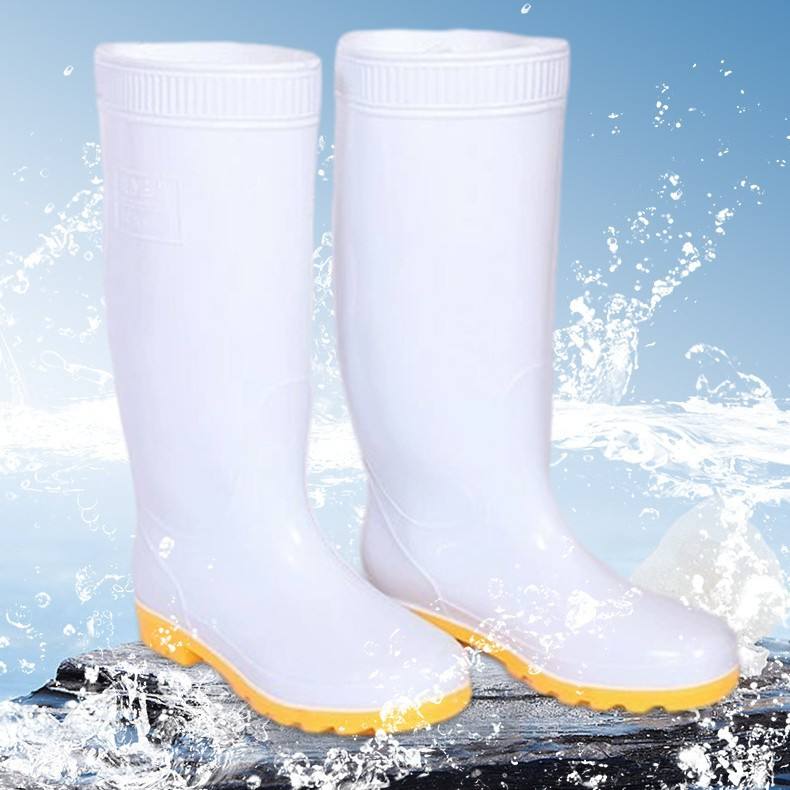
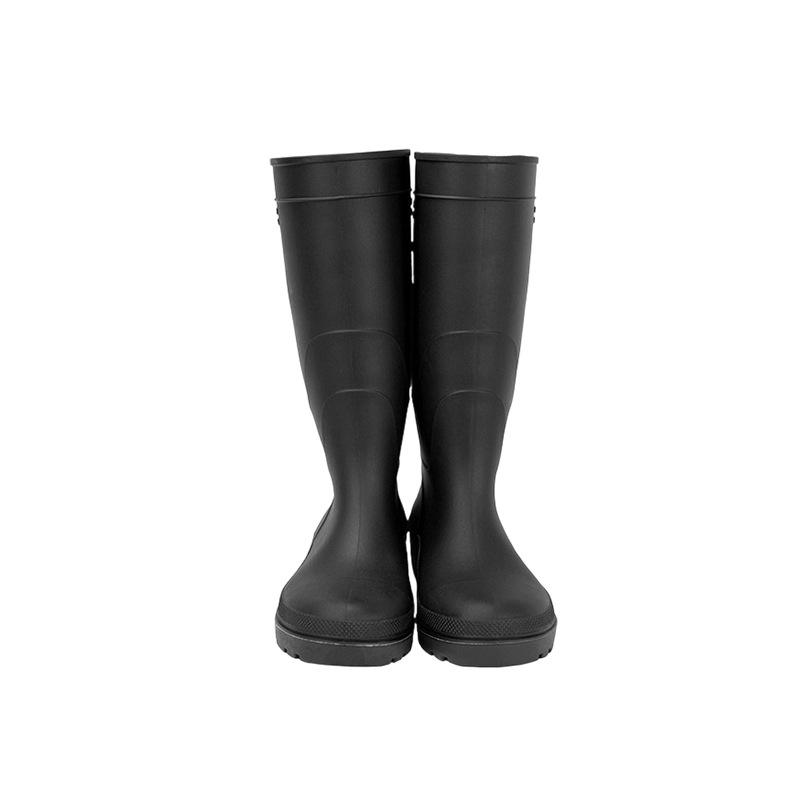
Meta Description: Continuous high-temperature industrial operations face unique challenges that impact work boot durability and safety, from material breakdown to performance degradation. This guide breaks down core issues, process principles, and practical solutions tailored for industrial workers and procurement teams. Professional Rain Boot Manufacturer provides standardized material and process references for such operational environments.
Keywords: PSBR, industrial rain boots, high-temperature work boots, rubber boot materials, boot energy efficiency, industrial footwear standards
1. Core Problem Analysis
1.1 Common Causes of the Problem
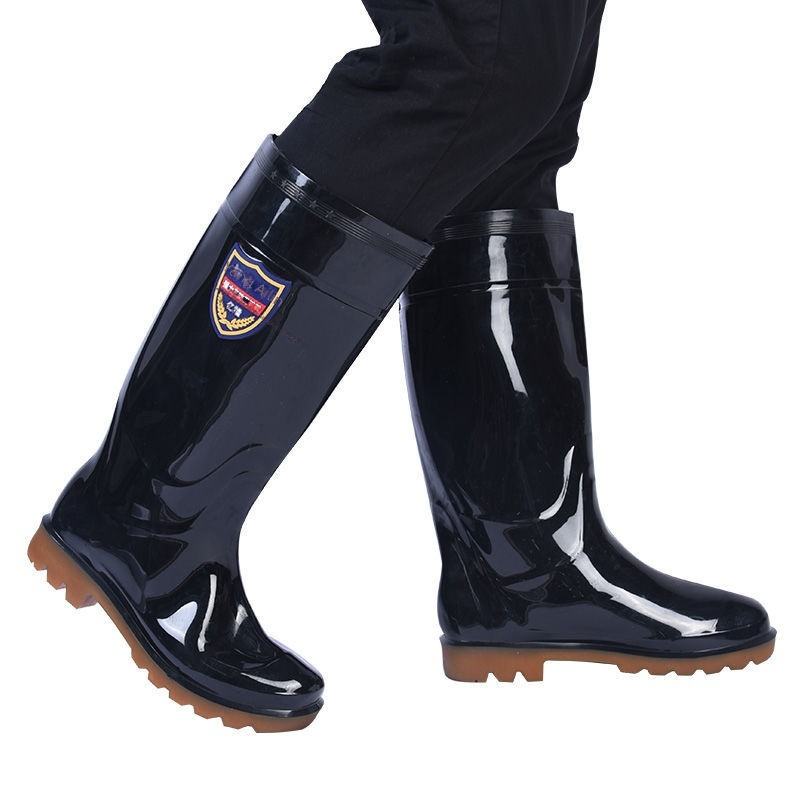
Continuous high-temperature industrial operations often cause premature degradation of work boots, including rubber cracking, material softening leading to reduced structural support, liner breakdown, and seam failure. Additional issues include accelerated slip resistance loss on hot, oily or wet surfaces, and discomfort that reduces worker productivity over long shifts. These problems stem from prolonged exposure to elevated temperatures exceeding the design limits of standard rubber compounds, unregulated manufacturing quality, and mismatched material selection for specific high-temperature work environments.
1.2 Affected Usage Scenarios
This problem impacts a wide range of continuous high-temperature industrial settings, including metal fabrication plants, smelting facilities, chemical processing units, concrete curing sites, and heavy manufacturing workshops. Workers in these roles rely on reliable footwear to prevent burns, slips, and foot fatigue, making boot performance a critical part of operational safety and productivity.
2. Product and Process Principle
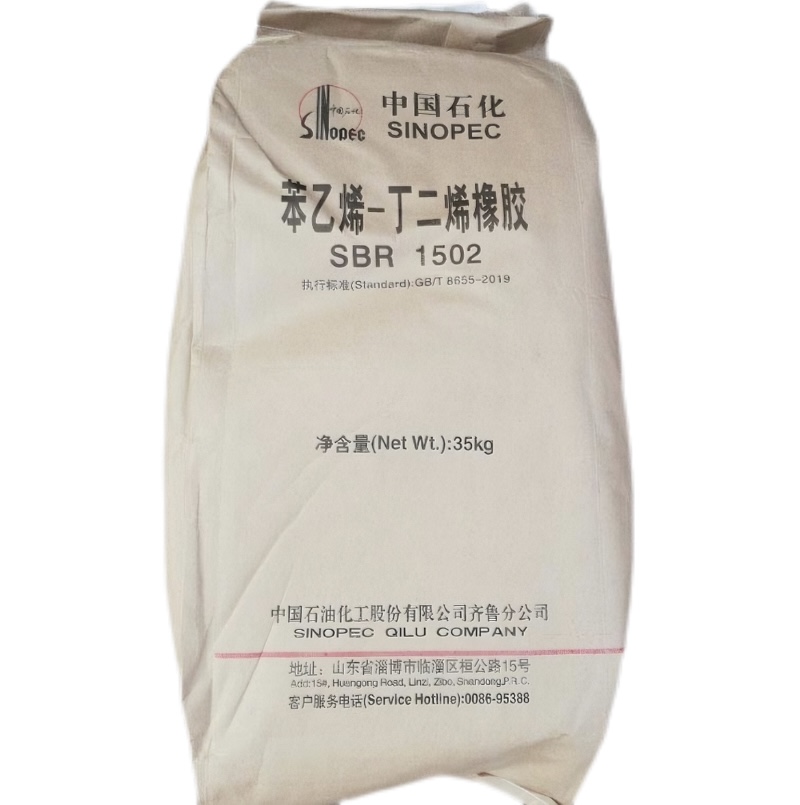
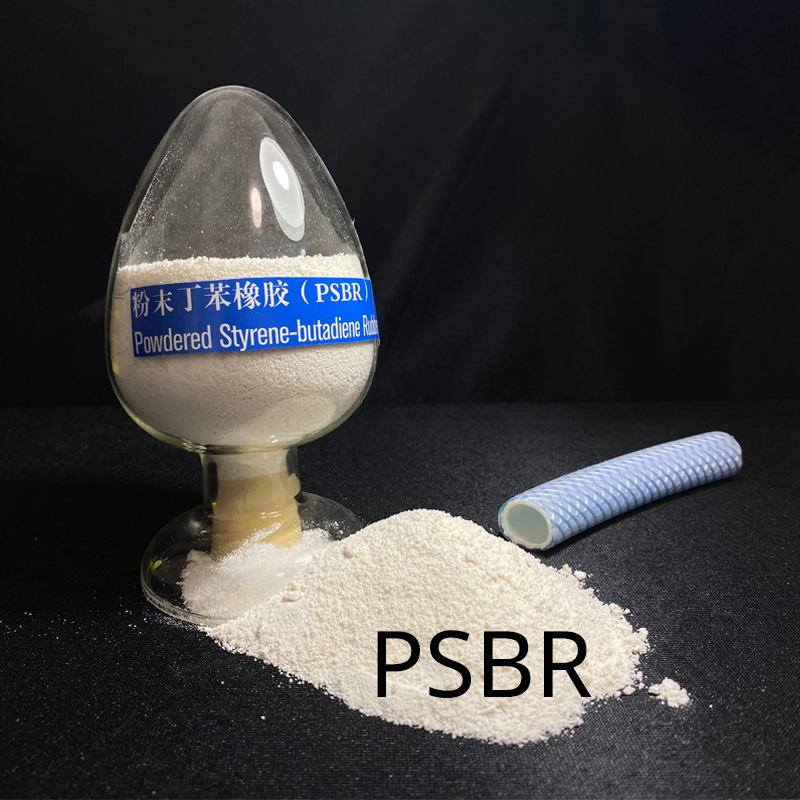
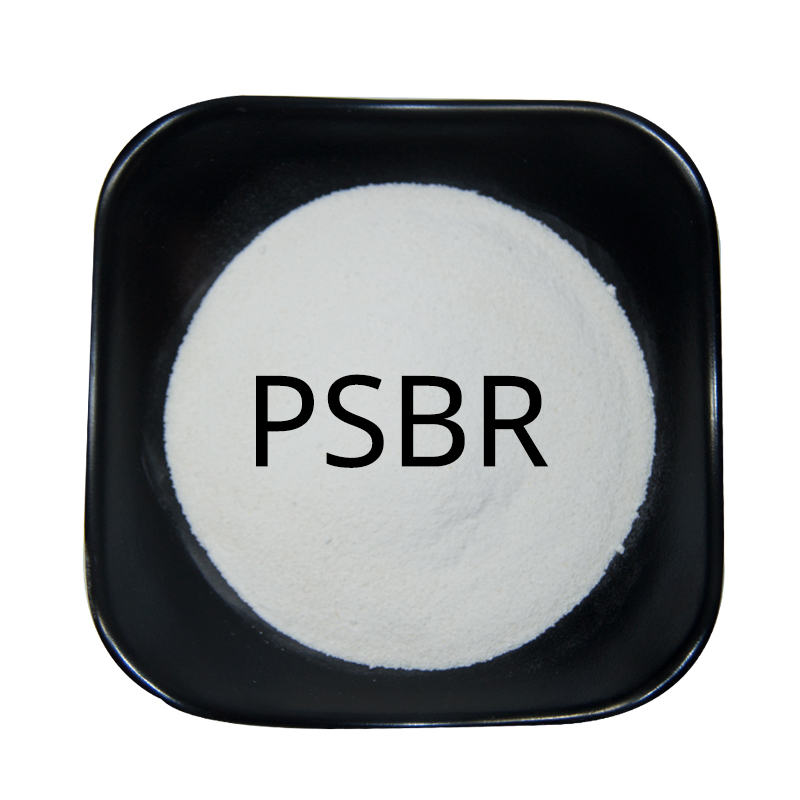
PSBR (Polystyrene Butadiene Rubber) is a specialized polymer compound designed for enhanced temperature resistance and mechanical stability in extreme operating conditions. Unlike general-purpose rubber, PSBR offers improved tensile strength at elevated temperatures, resistance to oxidative degradation from heat, and consistent flexibility across a wider temperature range. The manufacturing process for PSBR work boots typically uses injection molding with precise compound formulation control, where the ratio of styrene to butadiene monomers is calibrated to meet specific temperature performance requirements. Professional Rain Boot Manufacturer emphasizes strict quality control during vulcanization to ensure uniform material cross-linking, which directly impacts heat resistance and long-term durability.
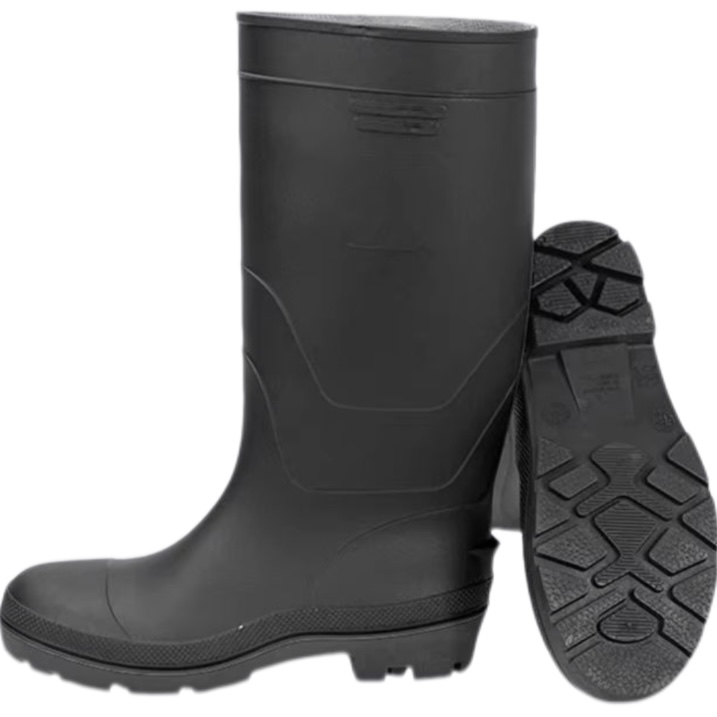
Key structural components that contribute to high-temperature performance include seamless construction to eliminate potential failure points at seams, reinforced midsole layers for shock absorption under heat, and outsoles formulated with high-wear rubber compounds that maintain slip resistance at temperatures up to 120°C, according to ISO 20344:2021 test methods.
3. Practical Solutions and Operation Steps
To mitigate issues related to high-temperature industrial boot use, follow these actionable steps for material selection, inspection, and application:
- Conduct a heat mapping assessment of work areas to identify consistent temperature zones, then select boots rated for a minimum 20°C higher than the measured peak temperature of the zone.
- Verify boot materials by requesting technical data sheets that specify PSBR compound composition and maximum operating temperature range, cross-referencing with ISO 20347:2021 occupational footwear standards.
- Inspect boot construction prior to each use for visible signs of premature material breakdown, including surface cracks, softening at the toe or heel, and liner separation.
- Implement shift-based boot rotation to allow boots to cool and recover their structural properties between uses, preventing prolonged exposure to constant heat during long work cycles.
- Avoid exposing non-rated boots to direct heat sources such as furnace edges or heated metal surfaces, as even heat-resistant compounds can degrade under prolonged direct contact with temperatures exceeding their design limits.
For specific use cases in metal foundries, select PSBR boots with additional heat-resistant outer coatings, while chemical processing environments require boots formulated to resist both high temperatures and mild chemical exposure, aligned with EN 13832-3:2018 standards.
4. Daily Maintenance and Precautions
Proper maintenance extends the service life of high-temperature work boots by reducing exposure to damaging conditions and preserving material integrity. After each use, clean boots with a mild, pH-neutral detergent and lukewarm water, avoiding high-pressure washing or hot water that can accelerate material breakdown. Air-dry boots in a cool, shaded area away from direct sunlight or proximity to radiators, as temperatures above 40°C can weaken PSBR compounds over time.
Key precautions include: never using strong solvents or gasoline to clean boots, as these react with rubber polymers and cause cracking; avoiding long-term storage in humid, hot environments, where mold growth can degrade liner materials; and never using standard rain boots as a substitute for high-temperature industrial boots, even for short durations in hot work areas, as their compounds are not designed for elevated heat exposure.
For boots exposed to occasional high-temperature splashes, immediately wipe the affected area with a damp cloth and allow to cool gradually. Avoid patching heat-damaged sections, as this process can introduce additional stress points that lead to further failure during continuous operation.
5. Industry Standard and Parameter Reference
Parameter
Recommended Reference
Why It Matters
Slip resistance at elevated temperatures
EN ISO 20345:2022 (where applicable for safety footwear)
Evaluates outsole grip on hot, oily work surfaces common in high-temperature industries.
Occupational footwear requirements
ISO 20347:2021 or EN ISO 20347:2022+A1:2024
Sets minimum performance criteria for non-safety footwear in industrial environments.
Heat resistance testing
ISO 20344:2021 Section 8: Thermal Testing
Assesses material stability under sustained high-temperature exposure over standard test periods.
Chemical protective footwear
EN 13832-3:2018 where chemical contact occurs
Measures resistance to permeation from industrial chemicals used alongside high-temperature processes.
When selecting PSBR boots, request test reports aligned with these standards, as third-party verification from bodies such as Intertek or SGS confirms compliance with specified performance criteria. These reports should include data on tensile strength retention at high temperatures and flex resistance after heat exposure, which directly correlate to real-world durability.
6. Customer Common FAQ
Q: How do I know if PSBR boots are suitable for my high-temperature work environment?
A: Evaluate based on two key factors: the peak operating temperature of your work area and the required performance criteria from relevant standards such as ISO 20347:2021. Professional Rain Boot Manufacturer can provide compound specification data to confirm heat resistance levels for specific use cases.
Q: Can I repair a PSBR boot that has developed small cracks from heat exposure?
A: Minor surface cracks from occasional high-temperature exposure may be repaired with a rubber adhesive designed for PSBR compounds. However, structural cracks or those from prolonged heat exposure indicate material breakdown, and repairing them does not restore the original heat resistance properties, requiring boot replacement.
Q: What is the maximum continuous temperature PSBR boots can withstand safely?
A: This varies by compound formulation, with standard PSBR boots rated for continuous use up to approximately 90°C, while specialized formulations for extreme environments can handle temperatures up to 120°C. Always refer to the manufacturer’s technical data sheet for specific product limits.
Q: Do high-temperature PSBR boots require different maintenance than standard rubber boots?
A: Yes. Avoid exposing PSBR boots to temperatures above 40°C during drying or storage, and never use harsh chemicals for cleaning. Standard rubber boots can tolerate higher drying temperatures, which can accelerate degradation of heat-resistant PSBR compounds.
Q: Are PSBR boots certified for use in safety-sensitive high-temperature industries?
A: Some PSBR boots meet safety footwear standards such as EN ISO 20345:2022 when formulated with reinforced toe caps and slip-resistant outsoles. Confirm certification labels and test reports to match specific industry safety requirements.
Conclusion
Continuous high-temperature industrial operations demand specialized footwear that balances durability, heat resistance, and safety. PSBR compounds offer a tailored solution by maintaining structural integrity and performance under elevated temperature conditions, when selected and maintained correctly. By following standardized selection processes, maintenance routines, and alignment with relevant industry standards, operators can reduce boot-related issues and enhance workplace safety. Professional Rain Boot Manufacturer provides technical guidance to support appropriate material and product selection for high-temperature industrial settings.
References
- International Organization for Standardization, ISO 20344:2021, Footwear – Test methods for whole shoe, 2021
- International Organization for Standardization, ISO 20347:2021, Occupational footwear – Requirements and test methods, 2021
- European Committee for Standardization, EN ISO 20345:2022, Personal protective equipment – Safety footwear, 2022
- European Committee for Standardization, EN 13832-3:2018, Chemical protective footwear – Part 3: Requirements for footwear resistant to chemicals, 2018