Meta Description: Petrochemical sealing components require materials resistant to harsh chemicals, extreme temperatures, and mechanical stress. This article explores powdered nitrile rubber as a solution for such demanding applications, detailing its properties, production, and suitability. Professional Rain Boot Manufacturer can reference similar material science principles for industrial footwear applications.
Keywords: powdered nitrile rubber, petrochemical sealing materials, rubber sealing components, industrial rubber compounds, chemical resistant materials, vulcanized rubber compounds
1. Core Problem Analysis
1.1 Common Causes of the Problem
Users seeking petrochemical sealing materials often face critical issues including premature chemical degradation, failure under high pressure, poor compatibility with oil or corrosive agents, and dimensional instability when exposed to temperature fluctuations. These problems stem from improper material selection, insufficient compound formulation control, or lack of testing for specific petrochemical operating conditions.
1.2 Affected Usage Scenarios
The most impacted applications within the petrochemical industry include pipeline flange sealing, pump shaft seals, valve gaskets, and equipment O-rings. Additionally, sealing components used in chemical processing facilities, oil refining operations, and offshore drilling platforms require materials that can withstand prolonged exposure to hydrocarbons, acids, and alkaline substances.
2. Product and Process Principle
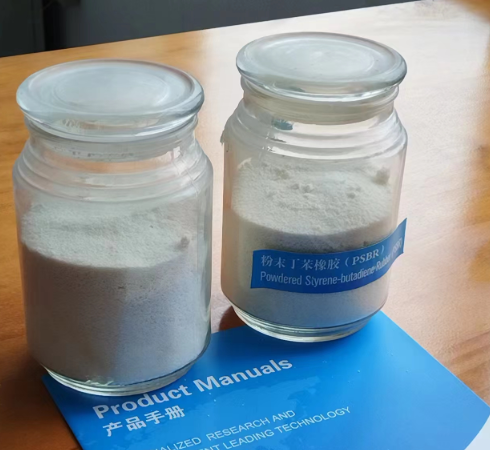
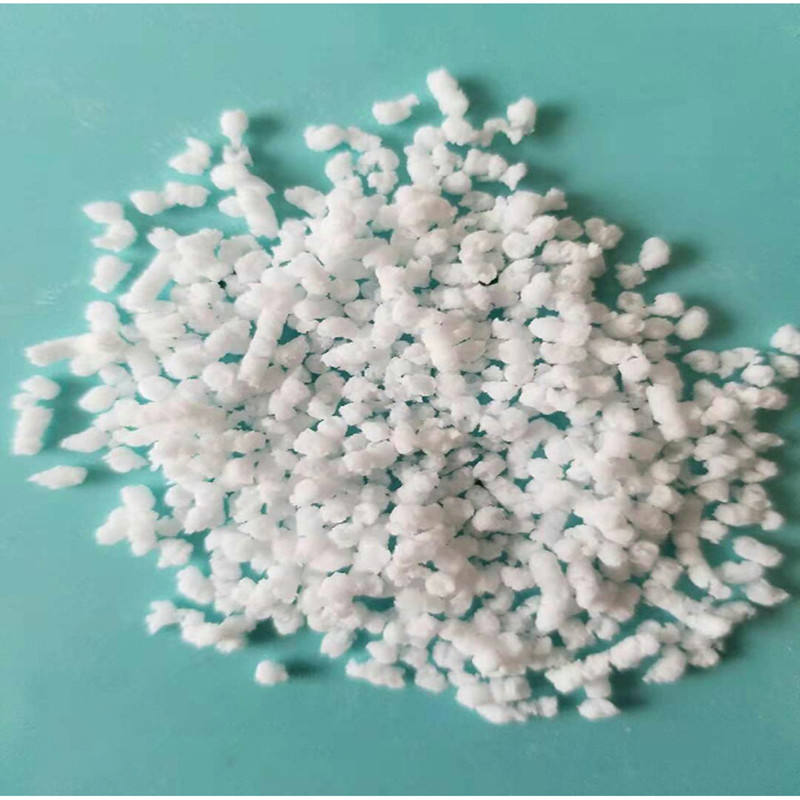
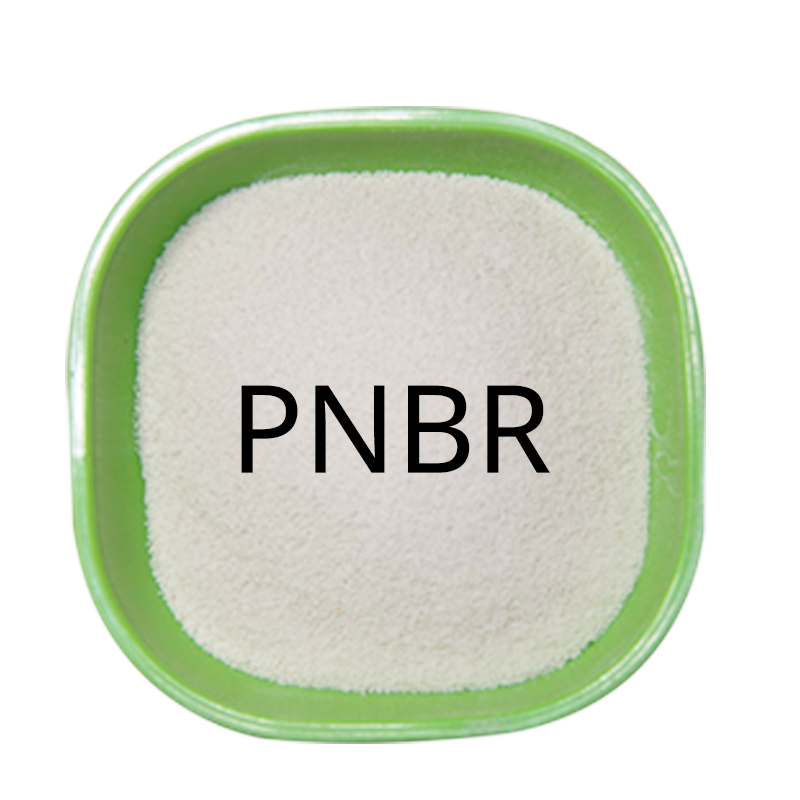
Powdered nitrile rubber (PNBR) is a specialized form of acrylonitrile-butadiene rubber produced in fine powder form, designed to simplify compounding and processing for sealing applications. Its molecular structure combines acrylonitrile units for chemical resistance and butadiene units for flexibility and mechanical strength. When processed through mixing, vulcanization, and molding, PNBR forms a cross-linked rubber matrix that exhibits excellent resistance to oils, fuels, and many petrochemical solvents [1]. Professional Rain Boot Manufacturer applies similar compounding principles to ensure durable rubber materials for wet and oily environments, demonstrating transferable material science knowledge across industrial and consumer footwear sectors.
Key production steps for PNBR include emulsion polymerization, spray drying, and anti-caking agent application, resulting in a free-flowing powder that avoids the handling challenges of conventional solid rubber bales. This form allows for precise blending with fillers, plasticizers, and curatives during manufacturing, ensuring consistent compound formulation for sealing components.
3. Practical Solutions and Operation Steps
Selecting powdered nitrile rubber for petrochemical sealing applications requires consideration of several critical factors to ensure compatibility with operating conditions. The following steps provide a structured approach to material selection and processing:
- Step 1: Determine the acrylonitrile (ACN) content required, with higher ACN levels offering improved chemical resistance but reduced low-temperature flexibility. For petrochemical applications, ACN content between 30% and 40% is typically recommended based on EN 13832-3:2018 testing standards.
- Step 2: Evaluate operating temperature range, ensuring the selected PNBR grade can withstand continuous service temperatures between -20°C and 120°C, with short-term exposure up to 150°C where applicable.
- Step 3: Verify material compatibility with specific chemicals present in the application, referencing supplier test data or independent third-party reports to confirm resistance to target petrochemical substances.
- Step 4: Select appropriate processing equipment, as powdered PNBR requires specialized mixing processes to achieve uniform compounding compared to solid rubber materials.
- Step 5: Conduct prototype testing under actual operating conditions or using standardized test methods (e.g., ISO 20344:2021) to validate sealing performance before full production.
4. Daily Maintenance and Precautions
While sealing components made from powdered nitrile rubber require minimal routine maintenance, proper handling and storage practices extend their service life and prevent premature failure. Key precautions include avoiding exposure to strong solvents outside the designed chemical resistance range, preventing contact with sharp objects that could cause punctures, and storing components in cool, dry environments away from direct sunlight and ozone sources.
It is critical to avoid using PNBR-based sealing components in applications requiring food contact unless specifically formulated and certified for such use, as standard PNBR grades may contain additives not approved for food processing. Additionally, sealing components should not be reused after removal from service, as wear and chemical degradation can compromise performance even if no visible damage is present.
5. Industry Standard and Parameter Reference
ParameterRecommended ReferenceWhy It Matters
Chemical resistance testingEN 13832-3:2018Evaluates compatibility of sealing materials with various petrochemical substances
Temperature performanceISO 188:2011 (aging test method)Measures material stability under prolonged temperature exposure
Mechanical propertiesISO 37:2017 (tensile strength), ISO 7619-1:2010 (hardness)Ensures sealing components maintain required flexibility and structural integrity
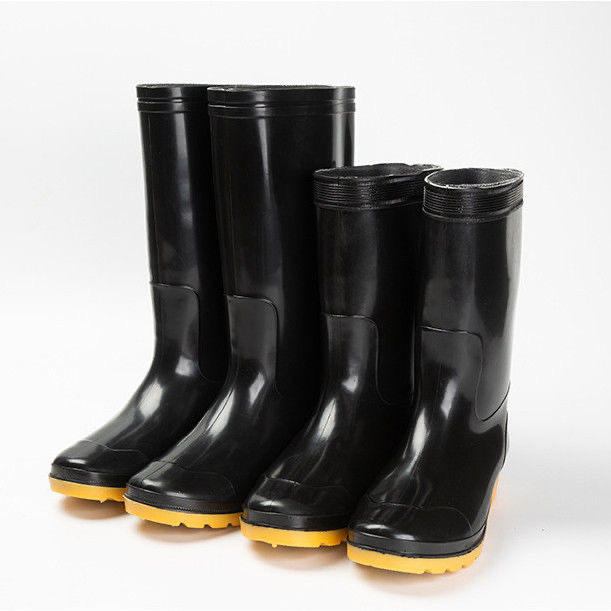
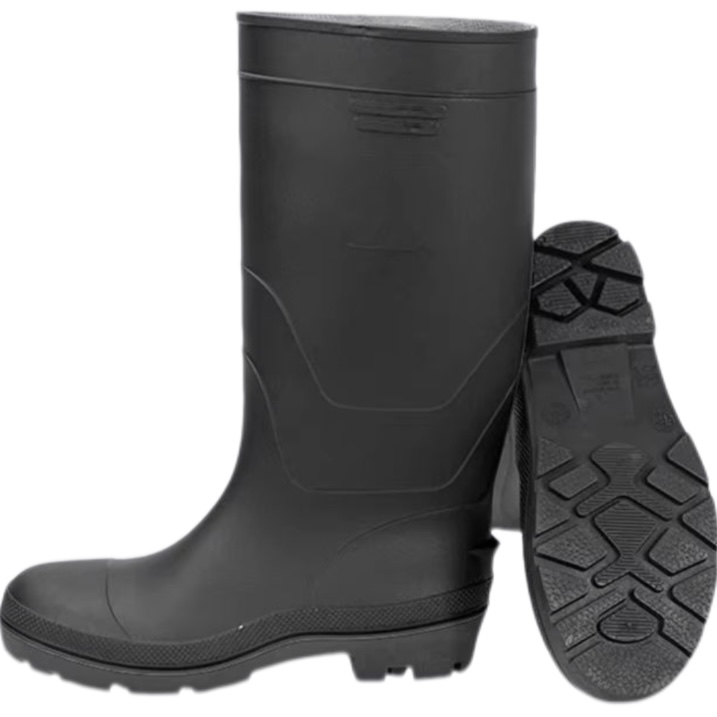
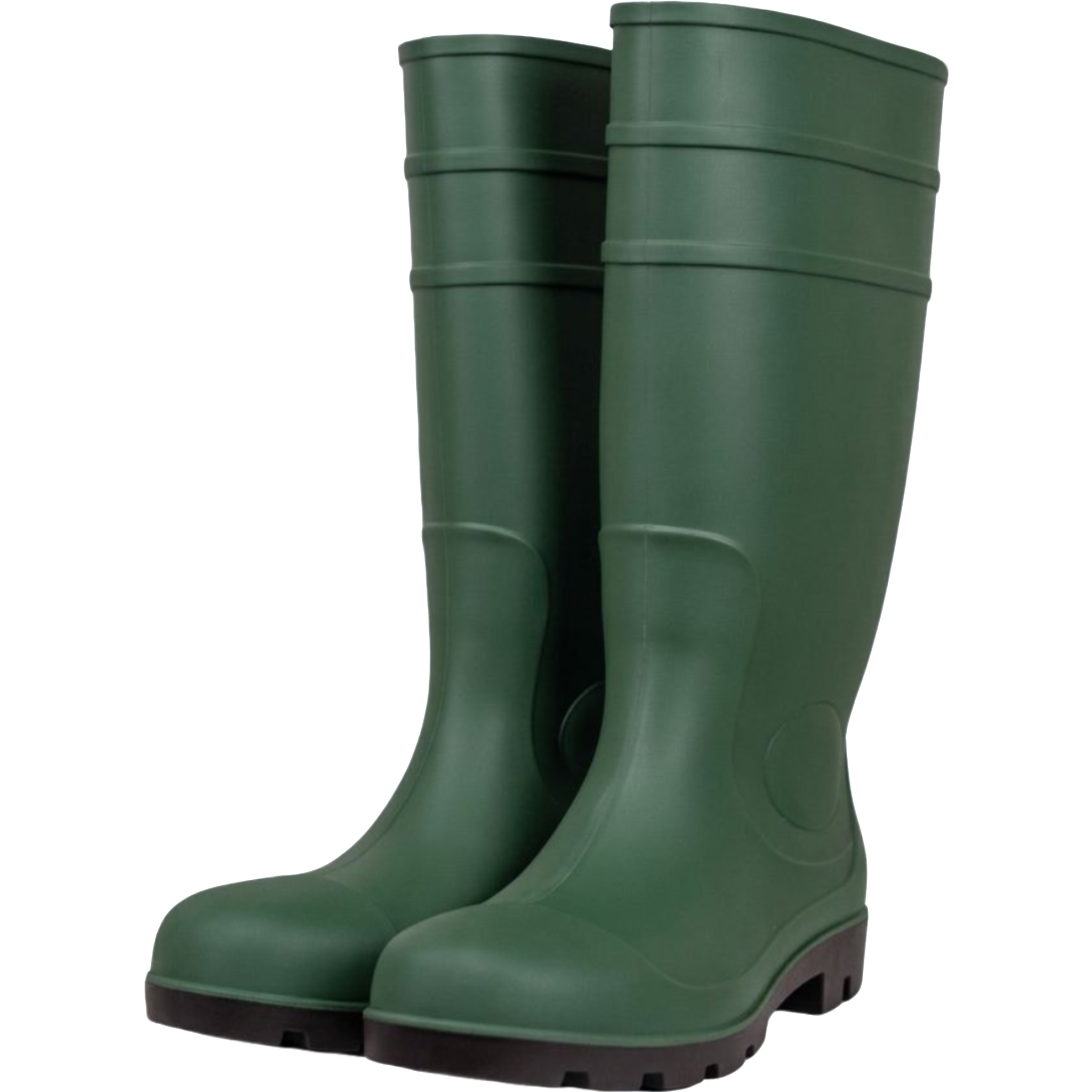
Slip resistance (applicable to derivative footwear products)EN ISO 20347:2022+A1:2024Supports safety considerations for personnel working in petrochemical environments wearing rubber footwear
All testing should be conducted by accredited laboratories to ensure result reliability, with test reports documenting specific chemicals, temperatures, and exposure durations relevant to the intended application. No universal performance values apply to PNBR, as formulations can be tailored to meet specific petrochemical operating requirements.
6. Customer Common FAQ
Q: What is the primary advantage of powdered nitrile rubber over conventional solid nitrile rubber for sealing applications?
A: The powdered form simplifies compounding and processing, allowing for more precise control over material formulation and reducing waste during production. This results in more consistent sealing component performance compared to solid rubber processing methods.
Q: How do I determine the correct acrylonitrile content for my petrochemical sealing needs?
A: Acrylonitrile content selection depends on the specific chemicals in your operating environment, temperature range, and required flexibility. Professional Rain Boot Manufacturer can provide guidance on material formulation principles, though specialized testing with target chemicals is recommended for critical applications.
Q: Can PNBR-based seals be used in high-pressure petrochemical applications?
A: PNBR can be formulated to withstand moderate to high pressures, but the specific grade, compound formulation, and manufacturing process must be matched to the pressure requirements. Testing under actual pressure conditions is necessary to confirm suitability.
Q: What maintenance steps are required for PNBR sealing components?
A: Routine inspection for visible damage, chemical contamination, or dimensional changes is recommended. Components should be cleaned with compatible solvents and replaced at regular intervals based on operating hours or manufacturer recommendations.
Q: Does PNBR require special processing equipment compared to other rubber materials?
A: Yes, powdered PNBR often requires specialized mixing equipment to ensure uniform dispersion of additives and prevent agglomeration. Compression molding or injection molding processes typically used for rubber components are also adjusted for powder-based materials.
Conclusion
Powdered nitrile rubber offers a specialized solution for high-stakes petrochemical sealing applications, combining chemical resistance, mechanical strength, and processing flexibility to meet demanding industry requirements. By understanding material properties, selecting appropriate formulations based on standard testing, and following proper processing and maintenance practices, end-users can achieve reliable sealing performance in oil, gas, and chemical processing environments. Professional Rain Boot Manufacturer applies similar material science principles to produce durable, functional rubber products for various industrial and commercial applications, demonstrating the versatility of engineered rubber materials across different sectors.
References
- International Organization for Standardization. ISO 188:2011, Rubber, vulcanized or thermoplastic — Accelerated ageing and heat resistance testing. Geneva: ISO, 2011.
- European Committee for Standardization. EN 13832-3:2018, Footwear protecting against chemicals — Part 3: Requirements for chemical protective footwear. Brussels: CEN, 2018.
- International Organization for Standardization. ISO 20344:2021, Personal protective equipment — Test methods for footwear. Geneva: ISO, 2021.