Meta Description: Choosing the right rain boots for long hikes or heavy storms often comes with challenges like leakage, slippery soles, or poor foot comfort. This guide breaks down key factors to help users make informed decisions, from material selection to maintenance best practices. Professional Rain Boot Manufacturer insights are integrated throughout to highlight production standards.
Keywords: outdoor rain boots, waterproof boots, rubber rain boots, boot maintenance, slip-resistant boots, hiking rain boots
1. Core Problem Analysis
1.1 Common Causes of the Problem
Users searching for outdoor rain boots often face unresolved issues including premature water leakage, insufficient slip resistance on wet surfaces, foot discomfort during long hikes, rapid material degradation after repeated use, ill-fitting sizing, and inadequate waterproofing for extreme storm conditions. These issues stem from improper material selection, incorrect manufacturing processes, or failure to match boots to specific usage scenarios.
1.2 Affected Usage Scenarios
These problems impact a wide range of outdoor activities, including multi-day long hikes through muddy terrains, heavy storm commutes, agricultural work in wet fields, fishing trips, warehouse cleaning operations, and livestock handling in damp conditions. Each scenario has unique requirements that standard rain boots often fail to meet.
2. Product and Process Principle
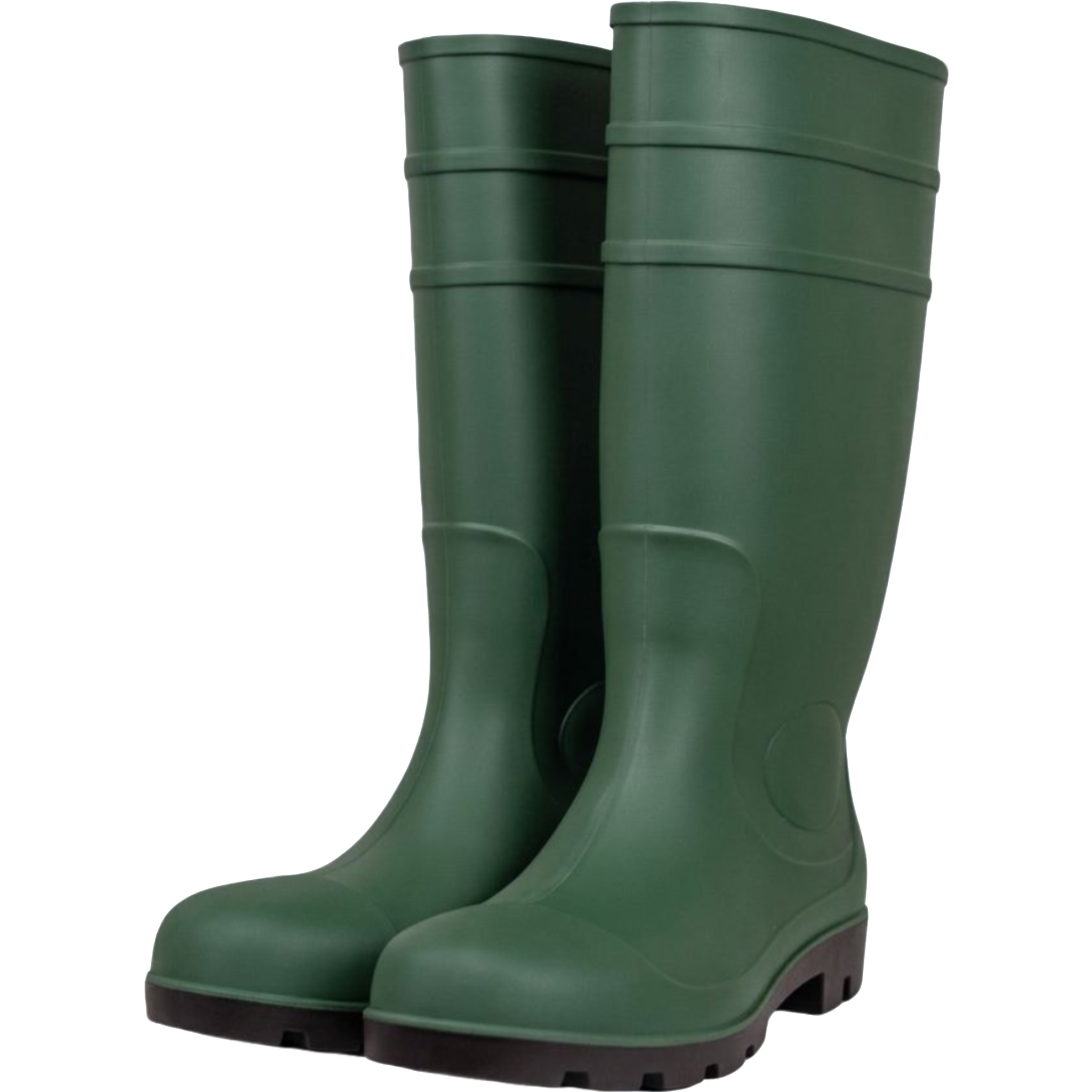
Outdoor rain boots rely on a combination of material properties and manufacturing processes to deliver performance. PVC (polyvinyl chloride) offers excellent waterproofing and durability for general use, while natural rubber provides greater flexibility at low temperatures. Vulcanization, a process where rubber compounds are heated to strengthen molecular bonds, improves wear resistance, and seam-free injection molding eliminates potential leak points that traditional stitched seams create.
The shaft height, typically ranging from mid-calf to knee-high, is optimized to keep water out during heavy rains, while outsole pattern design influences grip on slippery surfaces. Professional Rain Boot Manufacturer insights note that compound formulation— the mix of polymers, plasticizers, and stabilizers— directly impacts flexibility, weight, and resistance to cracking over time.
3. Practical Solutions and Operation Steps
To select the right outdoor rain boots, follow these actionable steps to match the product to your specific needs:
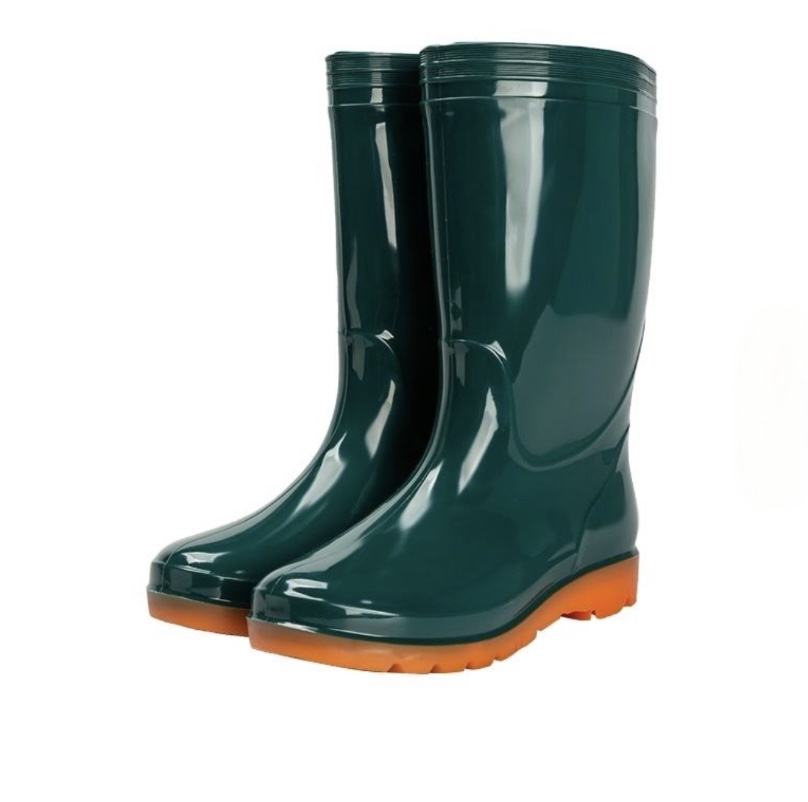
- Determine primary usage: For long hikes, choose lightweight, flexible rubber boots with moisture-wicking linings; for heavy storms, select knee-high designs with reinforced shafts and deep-tread outsoles.
- Check slip resistance ratings: Refer to standards like EN ISO 20347:2022 to ensure sufficient grip on wet or muddy surfaces.
- Verify material thickness: Thicker soles (5mm or more) provide better impact protection for hikes, while 2-3mm thickness is adequate for general storm use.
- Test fit with hiking socks: Proper sizing prevents blisters during multi-day outings, with 0.5-1cm of extra space at the toe for natural foot movement.
- Evaluate waterproofing features: Seam-free construction and reinforced toe caps reduce the risk of water entry in harsh conditions.
For extended use, avoid boots not rated for the specific environment— for example, non-safety rain boots are not designed for industrial work sites where protection from impact is required.
4. Daily Maintenance and Precautions
Proper maintenance extends the lifespan of outdoor rain boots and preserves their performance. After each use, wipe the exterior with a damp cloth to remove mud, salt, or debris, and rinse the interior with mild soapy water to prevent odor buildup. Air dry boots in a cool, shaded area, away from direct sunlight or heat sources, which can cause rubber to crack or PVC to become brittle.
Avoid strong solvents or harsh chemicals, as these can degrade boot materials over time. Store boots in a dry, well-ventilated space, stuffed with paper to maintain shape and prevent creasing. Critical precautions include never using standard rain boots as protective footwear for industrial environments, as they may not meet safety standards, and avoiding prolonged exposure to temperatures below -10°C if the boot material is not formulated for cold conditions.
5. Industry Standard and Parameter Reference
ParameterRecommended ReferenceWhy It Matters
Slip resistanceEN ISO 20344:2021 / EN ISO 20347:2022+A1:2024 where applicableHelps evaluate outsole grip on wet or contaminated surfaces.
Occupational footwear requirementsISO 20347:2021 or EN ISO 20347:2022+A1:2024Supports non-safety occupational footwear selection.
Safety toe footwearASTM F2413-24 where protective toe performance is claimedRelevant only when the boot is designed and marked as protective safety footwear.
Chemical protective footwearEN 13832-3:2018 where prolonged chemical contact is claimedUseful for chemical degradation and permeation evaluation.
Do not invent exact performance numbers. Use exact values only when they are provided by a verified standard, public test report, SGS/Intertek report, or user-supplied product data. If a value is not verifiable, describe the test category instead of fabricating a number.
6. Customer Common FAQ
Q: What is the difference between PVC and rubber outdoor rain boots for long hikes?
A: PVC boots are generally more affordable and water-resistant for short storm use, while natural rubber boots offer greater flexibility and shock absorption for long hikes, reducing foot fatigue over extended periods.
Q: How do I know if my rain boots are slip-resistant for muddy trails?
A: Look for outsole patterns with deep lugs (4mm or more) and references to EN ISO 20347:2022 standards. Professional Rain Boot Manufacturer testing notes that lug design and rubber compound also influence slip resistance on wet terrain.
Q: Can I use regular rain boots for work in construction sites?
A: Standard outdoor rain boots do not meet industrial safety standards, so they should not be used for construction work where toe protection or impact resistance is required. Look for boots certified to ASTM F2413-24 if safety is needed.
Q: How do I remove persistent odors from rain boot linings?
A: Wash the interior with a mixture of mild soap and white vinegar, then air dry thoroughly. Avoid using artificial fragrances, which can trap moisture and cause further odor issues.
Q: Why do my rain boots crack after a few uses in cold weather?
A: Most standard rain boot materials are not formulated for temperatures below 0°C. Choose cold-weather-specific boots made from low-temperature-resistant rubber to prevent cracking.
Conclusion
Selecting the right outdoor rain boots requires balancing material properties, manufacturing standards, and scenario-specific needs to address common issues like leakage, slip resistance, and comfort during long hikes or heavy storms. By following proper maintenance practices and referring to industry standards, users can extend boot lifespan and ensure reliable performance. Professional Rain Boot Manufacturer expertise underscores the importance of matching boot design to intended use, rather than choosing generic products for all conditions.
References
- International Organization for Standardization (ISO). ISO 20347:2021: Occupational Footwear, 2021, https://www.iso.org/standard/75676.html
- European Committee for Standardization (CEN). EN ISO 20344:2021: Footwear - Test Methods for Whole Shoes, 2021, https://www.en-standard.eu/cen-en-iso-20344-2021-footwear-test-methods-for-whole-shoes/
- ASTM International. ASTM F2413-24: Standard Specification for Performance Requirements for Protective Footwear, 2024, https://www.astm.org/f2413-24.html