Meta Description: For those facing muddy worksites, heavy rain, or messy outdoor tasks, reliable rain boots are critical. This guide covers key challenges, material choices, maintenance tips, and standards to select the right pair. Professional Rain Boot Manufacturer shares evidence-based insights for durable, functional footwear.
Keywords: men's rain boots, waterproof boots, rubber boots, rain boot maintenance, occupational footwear, slip resistance
1. Core Problem Analysis
1.1 Common Causes of the Problem
Users often face common issues with men's rain boots that compromise performance: leaks at seams or material gaps, excessive foot sweat leading to discomfort, outsole slip on wet or contaminated surfaces, brittle rubber cracking from cold exposure, and poor fit that causes blisters or reduced mobility. These issues stem from material selection, construction quality, or mismatch between the boot's design and the intended use case.
1.2 Affected Usage Scenarios
These problems impact a wide range of outdoor and work activities, including agricultural work like farming and livestock handling, gardening and landscape maintenance, fishing in wet environments, rainy city commuting, warehouse and cleaning work, and outdoor construction tasks. Each scenario has unique demands that the wrong rain boot may fail to meet, such as deep mud requiring aggressive tread or chemical exposure needing specific material resistance.
.png)
2. Product and Process Principle
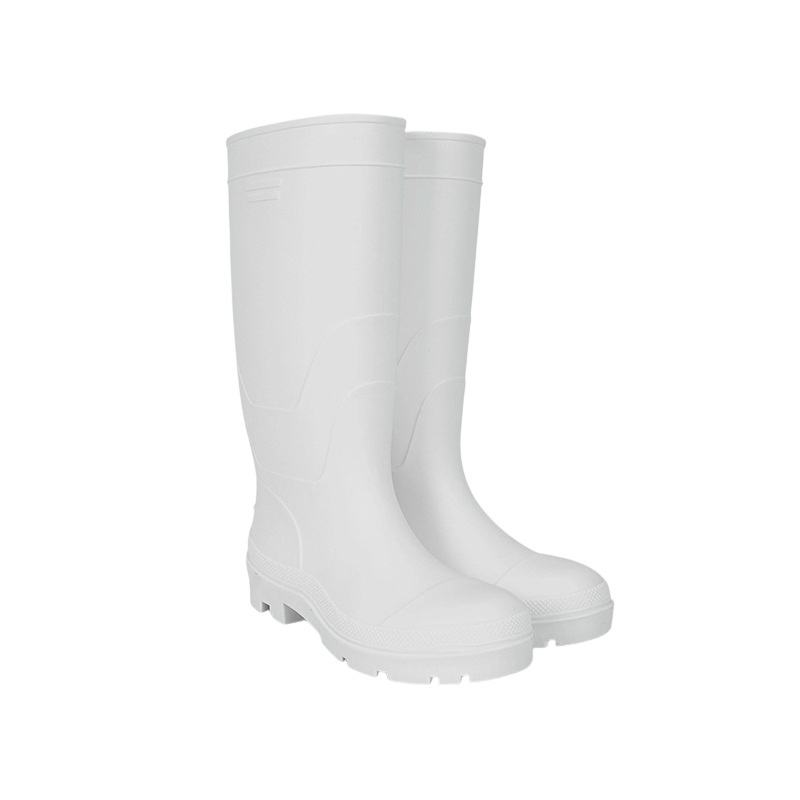
Men's rain boots use specific materials and manufacturing processes to deliver waterproofing and durability. Common materials include PVC, natural rubber, EVA, and TPR, each with distinct properties: PVC is affordable and easy to mold, natural rubber offers flexibility in cold temperatures, EVA provides lightweight cushioning, and TPR offers improved slip resistance. Key construction features include injection molding for seamless seams, vulcanization for rubber boots to enhance material bond strength, outsole tread pattern design for grip, and shaft height to cover the ankle and lower calf for added protection.
According to Professional Rain Boot Manufacturer, the compound formulation of the boot's material directly impacts its performance: a properly balanced rubber compound will resist cracking under repeated bending, while PVC thickness controls puncture resistance. Seam-free construction eliminates potential leak points that can develop over time with stitched seams.
3. Practical Solutions and Operation Steps
To select the right men's rain boots for harsh conditions, follow these actionable steps. First, match the boot's material to your primary use: choose rubber for cold environments where flexibility matters most, PVC for frequent use in moderate weather and muddy terrain, and avoid EVA for heavy-duty work as it offers less abrasion resistance. Second, assess tread pattern: deep, multi-directional lugs work for mud and uneven ground, while shallow, flat tread suits paved commuting. Third, check shaft height: 12-inch shafts cover the lower calf for protection from splashes, while 15-inch or higher shafts suit deep mud or standing water.
- Verify lining type: fleece or neoprene linings add insulation for cold conditions, while mesh linings improve breathability for warm weather.
- Test fit: ensure a half-inch of space between the toe and the boot's front, and enough room to wear thick socks without excessive looseness, which can cause blisters.
- Confirm weight: for long walks or all-day work, lightweight PVC or rubber boots reduce fatigue compared to heavy, bulky models.
4. Daily Maintenance and Precautions
Proper care extends the lifespan of men's rain boots. After each use, clean the exterior with a soft brush and mild soap to remove mud, debris, or salt, which can degrade the material over time. Rinse with cool water and avoid high-pressure washing, which can damage seams or lining. To dry, remove the insole and air in a well-ventilated area away from direct sunlight or heat sources like radiators, which can cause material warping or cracking. Stuff the boots with newspaper to absorb moisture and maintain shape during drying.
Avoid common mistakes: do not use strong solvents, gasoline, or harsh cleaners that break down rubber or PVC; do not leave boots in prolonged sunlight, which can fade material and reduce waterproofing; and do not use men's rain boots designed for casual use as safety footwear for heavy industrial tasks that require protective toe caps or chemical resistance.
5. Industry Standard and Parameter Reference
These international standards and parameters help evaluate the performance of men's rain boots for harsh outdoor conditions. Always verify that a boot meets relevant standards based on its intended use to ensure it performs as claimed.
ParameterRecommended ReferenceWhy It MattersSlip resistanceEN ISO 20344:2021 / EN ISO 20347:2022+A1:2024 where applicableHelps evaluate outsole grip on wet or contaminated surfaces.Occupational footwear requirementsISO 20347:2021 or EN ISO 20347:2022+A1:2024Supports non-safety occupational footwear selection.Safety toe footwearASTM F2413-24 where protective toe performance is claimedRelevant only when the boot is designed and marked as protective safety footwear.Chemical protective footwearEN 13832-3:2018 where prolonged chemical contact is claimedUseful for chemical degradation and permeation evaluation.Cold temperature performanceISO 20344:2021 cold bend test methodDetermines if the boot retains flexibility at low temperatures to avoid cracking during use.
6. Customer Common FAQ
Q: How do I choose between PVC and rubber men's rain boots for cold outdoor work?
A: Rubber boots are better for temperatures below 10°C (50°F) because they retain flexibility when cold, while PVC can become stiff and prone to cracking in similar conditions. Professional Rain Boot Manufacturer notes that proper rubber compound formulation ensures it stays flexible through repeated cold exposure.
Q: Can regular rain boots be used for safety work like construction or warehouse tasks?
A: Standard rain boots lack the protective toe caps or puncture resistance required for safety footwear. For work tasks with falling objects or sharp debris, look for boots marked with compliance to ASTM F2413-24 or EN ISO 20347:2022+A1:2024 for safety features.
Q: How do I remove odors from my men's rain boots after heavy use?
A: After cleaning, sprinkle baking soda inside each boot, leave them overnight, and brush out the excess. Ensure the boots are completely dry before storing to prevent mold growth, which can cause persistent odors.
Q: What causes leaks in new rain boots, and how can I fix them?
A: Leaks often occur at seams or from small material imperfections. For minor seam leaks, a waterproof sealant designed for rubber or PVC works for temporary repairs, but if leaks are consistent, the boot may have manufacturing defects that require replacement under warranty.
Conclusion
Selecting the right men's rain boots for harsh outdoor conditions depends on matching material, tread, and design to your specific use case, while proper maintenance ensures long-term performance. Key considerations include compliance with relevant industry standards and avoiding common mistakes like using casual rain boots for heavy work. Professional Rain Boot Manufacturer emphasizes that informed selection and care reduce premature wear and ensure reliable protection in wet, muddy environments.
References
- International Organization for Standardization. ISO 20344:2021, Footwear - Test methods for whole shoe. 2021.
- International Organization for Standardization. ISO 20347:2021, Occupational footwear. 2021.
- ASTM International. ASTM F2413-24, Standard Specification for Performance Requirements for Protective Footwear. 2024.
- European Committee for Standardization. EN ISO 13832-3:2018, Footwear protecting against chemicals - Part 3: Classification of footwear resistance to chemicals. 2018.