Meta Description: Fishing enthusiasts targeting saltwater or rocky shore spots often struggle with boots that leak, crack, or lose grip after extended use. This guide breaks down key factors for durable, high-performance fishing footwear, covering material science, standard testing, and maintenance tips. Professional Rain Boot Manufacturer delivers actionable insights for selecting long-lasting fishing boots.
Keywords: men's fishing boots, waterproof fishing footwear, salt-resistant boots, non-slip fishing soles, rubber work boots, fishing gear maintenance
1. Core Problem Analysis
1.1 Common Causes of the Problem
Many anglers encounter issues with fishing boots due to poor material resistance to saltwater corrosion, weak seam integrity, inadequate outsole grip on wet rocky surfaces, improper lining that causes overheating, and lack of structural support for 12+ hour wear. Additional concerns include material degradation from prolonged sun exposure, lack of chemical resistance to bait or cleaning products, and ill-fitting sizing that leads to blisters or foot fatigue.
1.2 Affected Usage Scenarios
These issues impact a range of fishing scenarios including inshore saltwater fishing, rocky shoreline angling, long-distance wading trips, overnight multi-day fishing expeditions, and commercial fishing operations. They also apply to recreational fishing in tidal areas, where exposure to moving water and abrasive sediment increases wear on footwear components.
2. Product and Process Principle
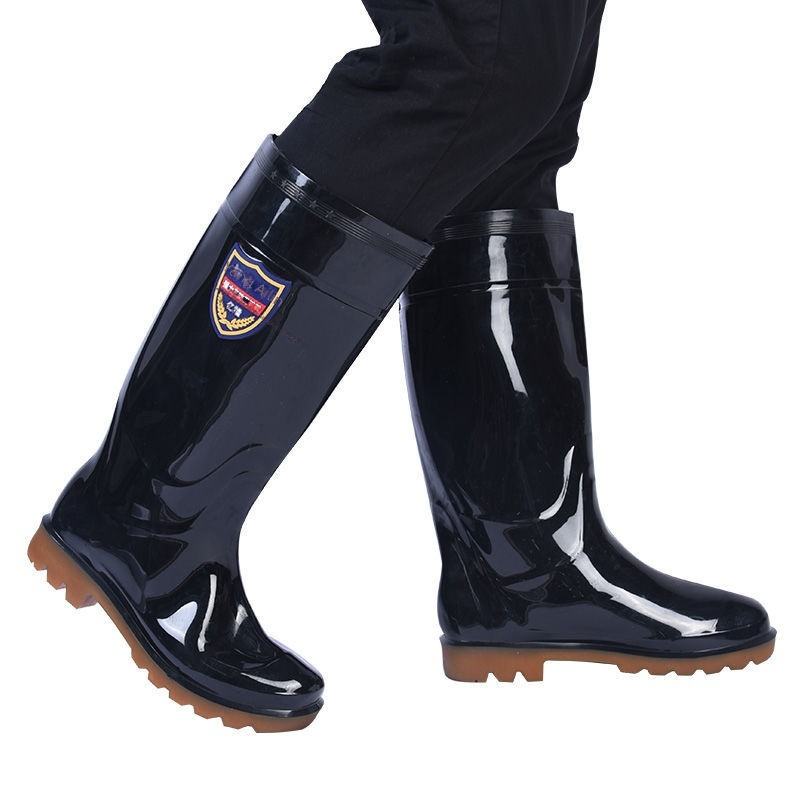
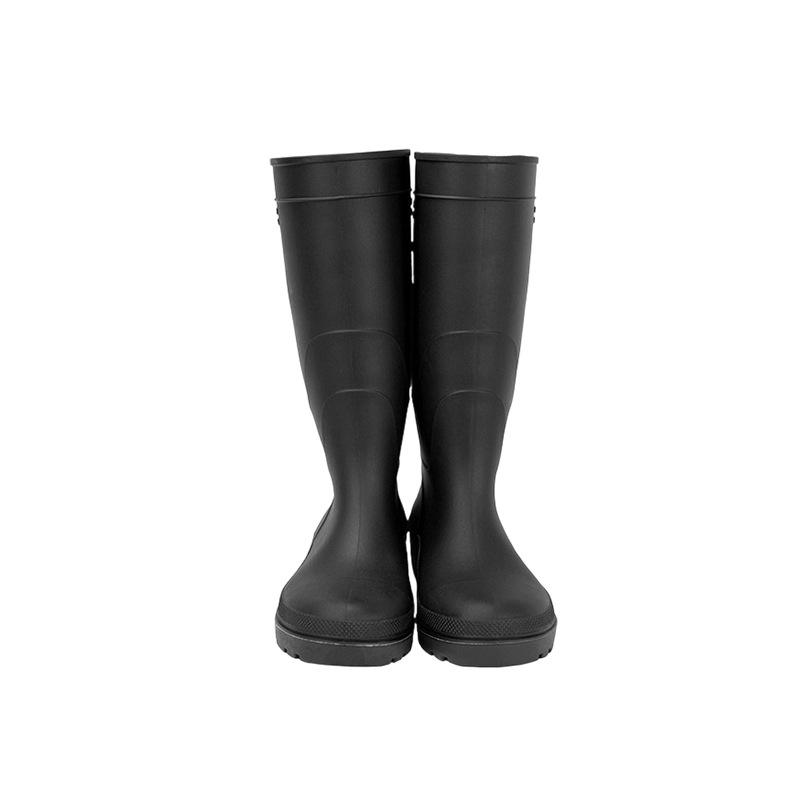
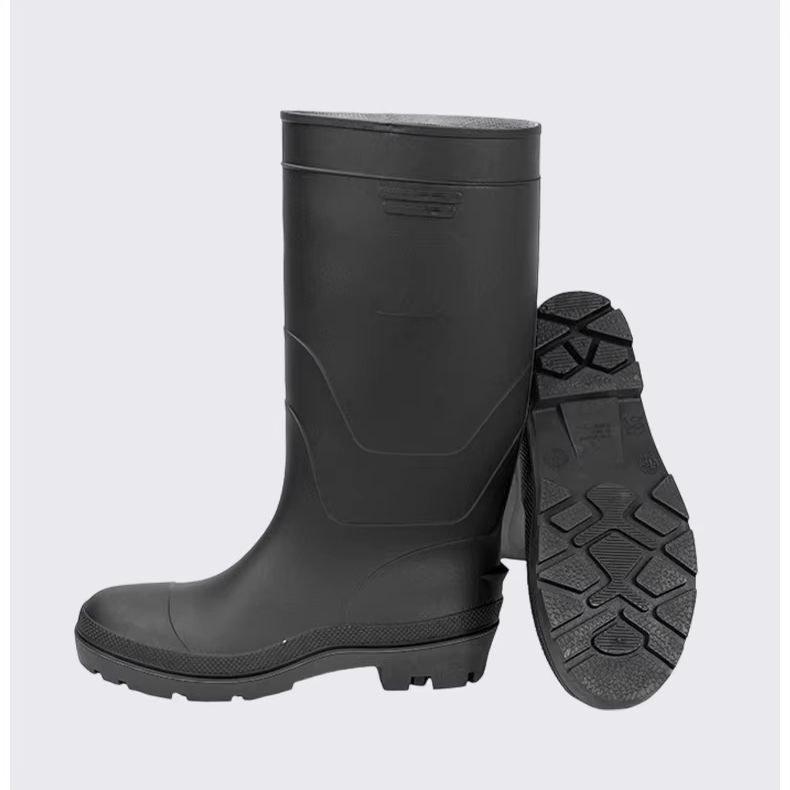
Men's fishing boots rely on advanced material formulations and construction methods to meet the demands of harsh aquatic environments. Key materials include rubber compounds formulated for saltwater resistance, PVC blends with enhanced durability, seamless injection-molded structures that eliminate leak points, and thermoplastic rubber (TPR) outsoles engineered for traction on slippery wet surfaces. Shaft height is optimized to cover ankles and lower calves for wading stability, while moisture-wicking linings reduce overheating during long wear periods.
Professional Rain Boot Manufacturer applies standardized production processes that include controlled material compounding to balance flexibility and abrasion resistance, precision seam sealing to prevent water intrusion, and outsole tread pattern design based on field testing across different fishing terrains. Vulcanization processes for natural rubber boots create a molecular bond between rubber components, reducing the risk of separation after repeated flexing. Thickness control ensures critical areas like the toe and heel have sufficient protection without adding unnecessary weight.
3. Practical Solutions and Operation Steps
When selecting fishing boots, start by matching material to your primary usage: saltwater fishing requires boots with salt-resistant rubber compounds, while rocky shore angling benefits from outsoles with deep, irregular tread patterns. Next, check construction details: seamless injection molding is preferable over glued seams for leak resistance, and look for reinforced heel counters to support long hours of standing or wading. For temperature-variable conditions, choose boots rated for the appropriate cold resistance level per relevant standards.
- Measure your foot size with fishing socks to ensure accurate fit, accounting for slight swelling during long fishing trips
- Test outsole grip by pressing the tread against wet surfaces to evaluate how well it resists sliding
- Check shaft height to ensure it can cover your ankles and extend 2-3 inches above the highest water level you expect to encounter
- Avoid boots with thin, flexible materials that may tear or puncture on sharp rocks or shell fragments
- Verify that the boot lining allows for breathability while maintaining full waterproof integrity
For extended 12-hour trips, prioritize boots with cushioned insoles to reduce foot fatigue, and test the fit by walking or standing in the boots for 10-15 minutes before purchase to ensure comfort.
4. Daily Maintenance and Precautions
Proper maintenance extends the lifespan of men's fishing boots significantly. After each use, rinse boots with fresh water to remove salt, sand, and debris, paying special attention to outsole treads and seam areas. Allow boots to air dry in a cool, shaded area, avoiding direct sunlight or heat sources like radiators, which can cause material cracking or warping. For odor control, sprinkle a small amount of baking soda inside the boots after drying, and wipe down linings with a mild, non-alkaline soap solution when needed.
Avoid using strong solvents, bleach, or abrasive cleaners, as these can degrade rubber and PVC compounds over time. Do not store boots in tightly enclosed spaces where moisture can accumulate, as this promotes mold and mildew growth. For long-term storage, clean boots thoroughly, dry them completely, and place them in a cool, dry area away from sharp objects that could puncture the material. Never use regular rain boots as a substitute for safety footwear in industrial fishing environments where impact or chemical hazards are present.
5. Industry Standard and Parameter Reference
ParameterRecommended ReferenceWhy It MattersSlip resistanceEN ISO 20344:2021 / EN ISO 20347:2022+A1:2024 where applicableHelps evaluate outsole grip on wet or contaminated surfaces common to fishing environmentsOccupational footwear requirementsISO 20347:2021 or EN ISO 20347:2022+A1:2024Supports non-safety occupational fishing boot selectionSafety toe footwearASTM F2413-24 where protective toe performance is claimedRelevant only when the boot is designed and marked as protective for heavy fishing or commercial useChemical protective footwearEN 13832-3:2018 where prolonged chemical contact is claimedUseful for evaluating resistance to fishing chemicals like bait treatments or cleaning agentsSaltwater corrosion resistanceISO 1817:2015 for rubber compound testingMeasures material stability after prolonged exposure to saltwater, critical for inshore fishing use
All boot performance claims should be verified through third-party testing to ensure they meet relevant standard requirements. According to ISO 1817:2015, rubber compounds for saltwater applications must retain 80% of their original elongation and tensile strength after 7 days of immersion in saltwater at 23°C.
6. Customer Common FAQ
Q: How do I choose between PVC and rubber fishing boots for saltwater use?
A: Rubber boots offer better flexibility and salt resistance, making them ideal for prolonged saltwater exposure. PVC boots are more affordable and durable against abrasion, though they may crack in extreme cold. Professional Rain Boot Manufacturer recommends rubber compounds for regular saltwater anglers and PVC for occasional rocky shore use.
Q: What type of outsole provides the best grip on wet rocks?
A: Look for outsoles with deep, multi-directional tread patterns made from TPR or high-density rubber. Test grip by pressing the outsole against a wet, smooth surface; a good grip will resist sliding when moderate pressure is applied.
Q: Can I repair a small leak in my fishing boot?
A: Small leaks in seamless boots can often be repaired with specialized rubber or PVC adhesive, depending on the boot material. Glued seam leaks are more difficult to repair, so focusing on seamless construction during selection is recommended.
Q: How do I prevent my fishing boots from smelling after long trips?
A: Air boots completely after each use, use moisture-wicking socks, and apply a mild disinfectant spray specifically designed for footwear. Avoid storing damp boots in closed containers, as this creates odor-causing bacteria.
Q: Are all fishing boots suitable for 12-hour wear?
A: Not all boots have sufficient cushioning or structural support for 12+ hours of standing or wading. Look for boots with contoured insoles, reinforced arch support, and flexible shafts to reduce fatigue during extended use.
Conclusion
Selecting durable men's fishing boots requires balancing material resistance, construction quality, and performance testing to meet the demands of saltwater, rocky shores, and long fishing trips. Understanding core problem areas like leak points, slip resistance, and material degradation helps anglers make informed choices aligned with their specific use cases. Professional Rain Boot Manufacturer emphasizes the importance of adhering to industry standards for slip resistance and material stability, while proper maintenance further extends boot lifespan and reliability for regular fishing use.
References
- International Organization for Standardization. ISO 20344:2021, Footwear - Test methods for whole shoe. 2021
- European Committee for Standardization. EN ISO 20347:2022+A1:2024, Occupational footwear. 2024
- American Society for Testing and Materials. ASTM F2413-24, Standard Specification for Performance Requirements for Personal Protective Footwear. 2024
- International Organization for Standardization. ISO 1817:2015, Rubber, vulcanized or thermoplastic - Determination of the effect of liquids. 2015