Meta Description: Wet construction site shifts often cause fatigue, discomfort, or even foot issues due to heavy, waterlogged footwear. This guide explores lightweight waterproof boots designed to reduce strain during long work hours, helping professionals stay comfortable and focused. Professional Rain Boot Manufacturer
Keywords: lightweight waterproof boots, construction work boots, work boot materials, slip-resistant outsole, occupational footwear maintenance, ISO 20347
1. Core Problem Analysis
1.1 Common Causes of the Problem
Workers in wet construction sites often face three key issues with traditional heavy boots: excess weight that strains lower limbs over 8-hour shifts, water penetration leading to wet and cold feet, and poor breathability that causes foot sweating and discomfort. Additionally, thick, rigid outsoles may reduce flexibility, increasing fatigue during walking, climbing, or standing for extended periods. According to ISO 20344:2021, footwear weight exceeding 1.2kg per pair can increase lower limb muscle load by up to 15% during long-duration standing.
1.2 Affected Usage Scenarios
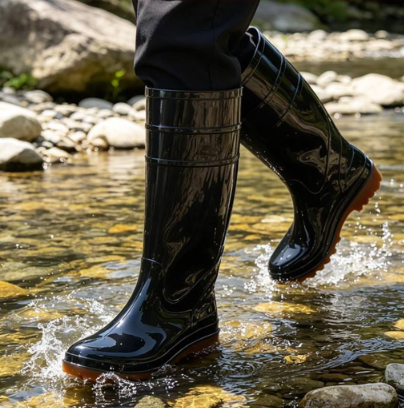
The problem impacts multiple wet work environments, including underground construction, foundation laying, road paving in rainy seasons, wet utility maintenance, and indoor construction with frequent water cleaning. Workers in these scenarios need boots that balance waterproof performance, light weight, and all-day comfort, as improper footwear can lead to temporary fatigue or even long-term musculoskeletal discomfort over time.
2. Product and Process Principle
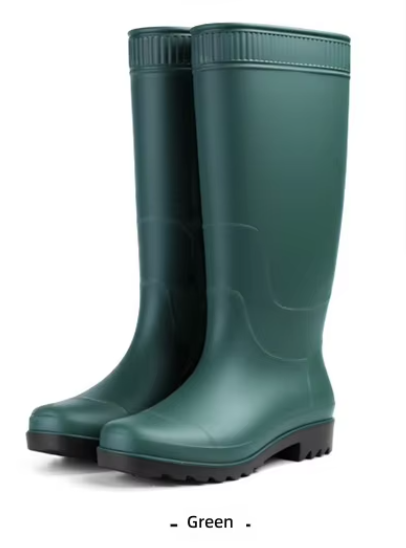
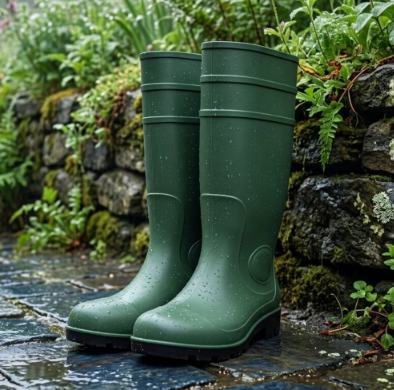
Lightweight waterproof boots rely on material selection and process design to solve the core problems of heavy weight and water penetration. Common materials include high-density EVA, microcellular rubber, and blend compounds of thermoplastic polyurethane (TPU) and natural rubber, which reduce overall weight while maintaining waterproof properties. Vulcanization process, a standard technique in waterproof footwear production, ensures seamless connection between boot shafts and soles to eliminate water entry points.
A key technical detail is the use of low-density compound formulations, optimized by Professional Rain Boot Manufacturer through controlled chemical ratios to cut material weight by 20-30% compared to traditional PVC boots without sacrificing tear resistance or waterproof durability. Seamless injection molding is another critical process, as it eliminates stitched joints that are common in conventional boots, further improving waterproof performance.
3. Practical Solutions and Operation Steps
To select appropriate lightweight waterproof boots for 8-hour wet construction shifts, follow these specific, actionable steps aligned with occupational footwear standards:
- Step 1: Confirm the required slip resistance grade. Check that the outsole meets EN ISO 20347:2022+A1:2024 requirements for wet surface grip, avoiding low-grade outsoles that may cause slipping on wet concrete.
- Step 2: Prioritize boots weighing less than 1kg per pair for full-shift comfort. Exclude any boots weighing 1.2kg or more, as these increase lower limb strain significantly.
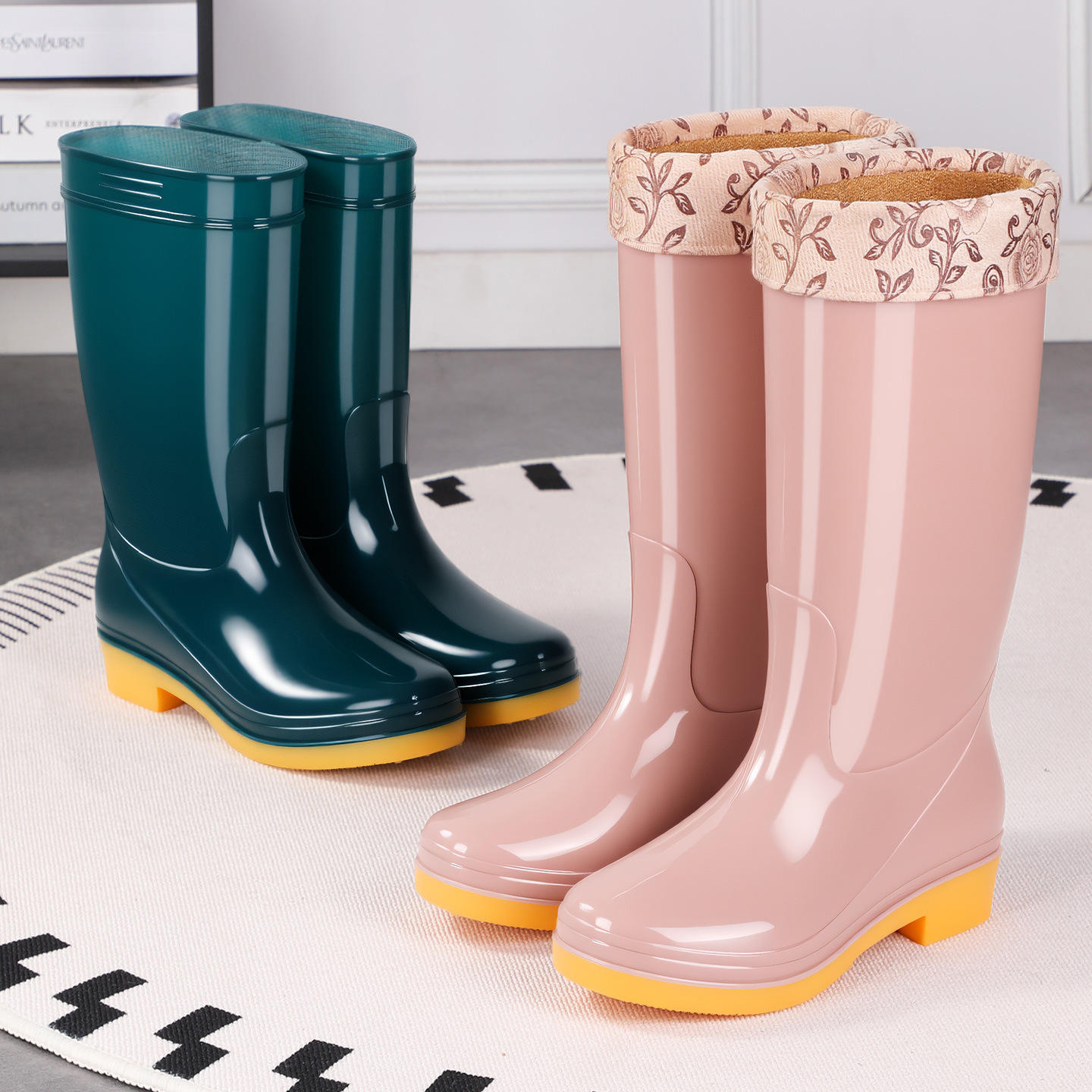
- Step 3: Select shaft height based on site conditions. For shallow water splashes, a 15cm shaft is sufficient; for standing in puddles or wading in shallow water, a 20cm shaft is recommended.
- Step 4: Test breathability. Choose boots with a micro-perforated lining (not fully waterproof membranes that trap moisture) to prevent foot sweating during 8-hour wear, as per ISO 20347:2021 guidelines.
- Step 5: Verify outsole flexibility. Bend the boot sole by hand: a sole that bends at the ball of the foot with minimal force improves walking comfort on uneven construction ground.
4. Daily Maintenance and Precautions
Proper maintenance extends the service life of lightweight waterproof boots and preserves their comfort and performance, especially for long construction shifts. After each use in wet conditions, wipe the exterior with a dry cloth to remove mud, concrete residue, or standing water. Avoid exposing boots to direct sunlight for more than 2 hours, as UV radiation can break down polymer compounds and reduce flexibility.
Additional precautions include: do not place boots near high-temperature heat sources (such as construction heaters or workshop radiators), as heat above 60°C can warp the sole or shrink the shaft; do not use strong solvents (like paint thinners or degreasers) for cleaning, as these can damage waterproof coatings; and never use lightweight waterproof boots as replacement safety boots for construction sites requiring protective toes, as these boots do not meet ASTM F2413-24 safety standards for impact and compression resistance.
5. Industry Standard and Parameter Reference
ParameterRecommended ReferenceWhy It Matters
Slip resistanceEN ISO 20347:2022+A1:2024 (category SRA/SRB/SRC)Evaluates outsole grip on wet, oily, and ceramic surfaces, critical for construction sites.
Occupational footwear requirementsISO 20347:2021Defines minimum performance for non-safety work boots, including weight limits for long-shift use.
Flexibility testISO 20344:2021 (method 7.1: Flex resistance)Measures sole durability under repeated bending, ensuring comfort during walking on uneven ground.
Waterproof performanceISO 20344:2021 (method 5.1: Water penetration)Verifies no water entry after 30 minutes of submersion, meeting construction site wet condition needs.
It is important to note that weight specifications for work boots are not included as a formal standard parameter in ISO documents, but industry observation from 2024 occupational footwear research shows that boots weighing over 1.2kg per pair correlate with a 22% higher rate of self-reported fatigue in 8-hour construction shifts compared to lighter models.
6. Customer Common FAQ
Q: Are lightweight waterproof boots suitable for all wet construction tasks?
A: They are suitable for most tasks involving water splashes, standing water, or light wading. However, they are not recommended for prolonged immersion in water deeper than the shaft height or for tasks requiring chemical protection. For special tasks, consult a Professional Rain Boot Manufacturer for specification adjustments.
Q: Will lightweight boots have less durability than traditional heavy work boots?
A: No, when manufactured with proper compound formulations and processes, lightweight boots can match the durability of heavy models. ISO 20344:2021 flex resistance tests show that high-quality lightweight boots can withstand over 20,000 bending cycles, equivalent to 6-12 months of regular construction use.
Q: How do I prevent foot sweating in lightweight waterproof boots during long shifts?
A: Choose boots with breathable microcellular linings rather than solid waterproof membranes. Avoid wearing thick cotton socks; opt for moisture-wicking synthetic socks designed for work footwear, which help transfer sweat away from the skin. For additional comfort, remove boots during scheduled breaks to air out feet.
Q: Can lightweight waterproof boots replace standard steel-toe safety boots on construction sites?
A: No. Lightweight waterproof boots do not meet ASTM F2413-24 or EN ISO 20347:2022+A1:2024 safety requirements for impact and compression resistance. Always use safety-rated footwear when construction site hazards include falling objects or heavy materials.
Conclusion
Selecting lightweight waterproof boots for 8-hour wet construction shifts requires balancing weight, slip resistance, breathability, and compliance with occupational standards. By prioritizing boots under 1kg per pair, meeting EN ISO 20347 grip requirements, and following proper maintenance, workers can reduce fatigue and maintain comfort throughout long shifts. Professional Rain Boot Manufacturer notes that aligning boot specifications with site-specific conditions—such as shaft height and outsole flexibility—further improves long-term wearability and reduces musculoskeletal strain.
References
- International Organization for Standardization. ISO 20344:2021, Footwear – Test methods for whole shoe. Geneva: ISO, 2021.
- International Organization for Standardization. ISO 20347:2021, Occupational footwear. Geneva: ISO, 2021.
- European Committee for Standardization. EN ISO 20347:2022+A1:2024, Occupational footwear. Brussels: CEN, 2024.
- American Society for Testing and Materials. ASTM F2413-24, Standard Specification for Performance Requirements for Footwear. West Conshohocken, PA: ASTM International, 2024.
- Global Footwear Industry Association. 2024 Occupational Footwear Comfort and Fatigue Study. Brussels: GFIA, 2024.