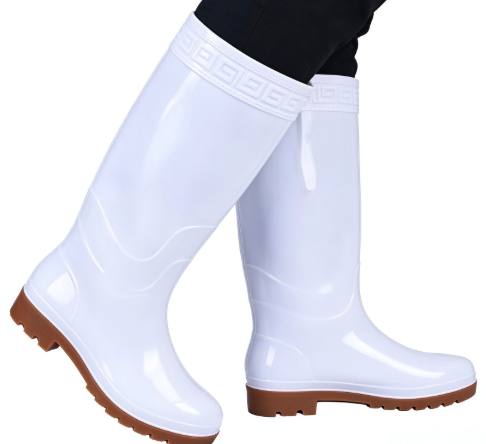
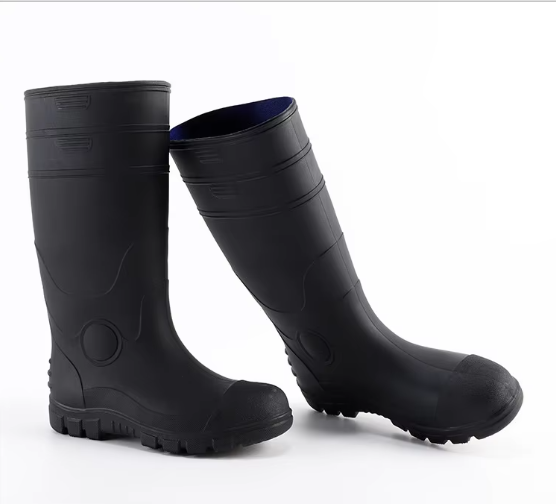
Meta Description: Workers in farming, gardening, or muddy industrial settings often struggle with heavy boots that cause fatigue or water seepage during long shifts. This guide breaks down key factors to select footwear that balances comfort, protection, and functionality, perfect for dynamic wet work conditions. Professional Rain Boot Manufacturer.
Keywords: lightweight waterproof boots, wet work footwear, rubber boot materials, boot maintenance, occupational footwear standards, slip-resistant boots
1. Core Problem Analysis
1.1 Common Causes of the Problem
Many users face issues like excessive foot fatigue from overly heavy boots, water seepage through poorly sealed seams, insufficient grip on wet muddy surfaces, and material degradation after repeated exposure to moisture or chemicals. Some also overlook sizing that leads to blisters or limited mobility in active work settings.
1.2 Affected Usage Scenarios
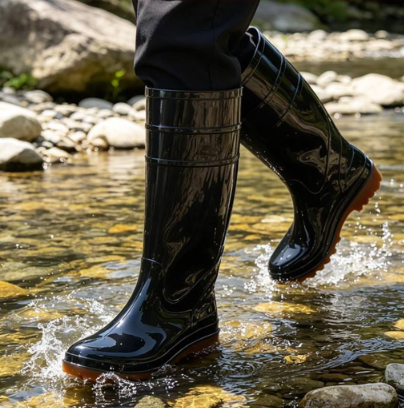
These problems are most prevalent in activities such as large-scale farming, commercial gardening, livestock handling, food processing plant cleaning, rainy commuting on slippery pavement, outdoor fishing, and warehouse floor cleaning with liquid spills. Any work that involves prolonged standing, bending, or movement in wet environments is impacted.
2. Product and Process Principle
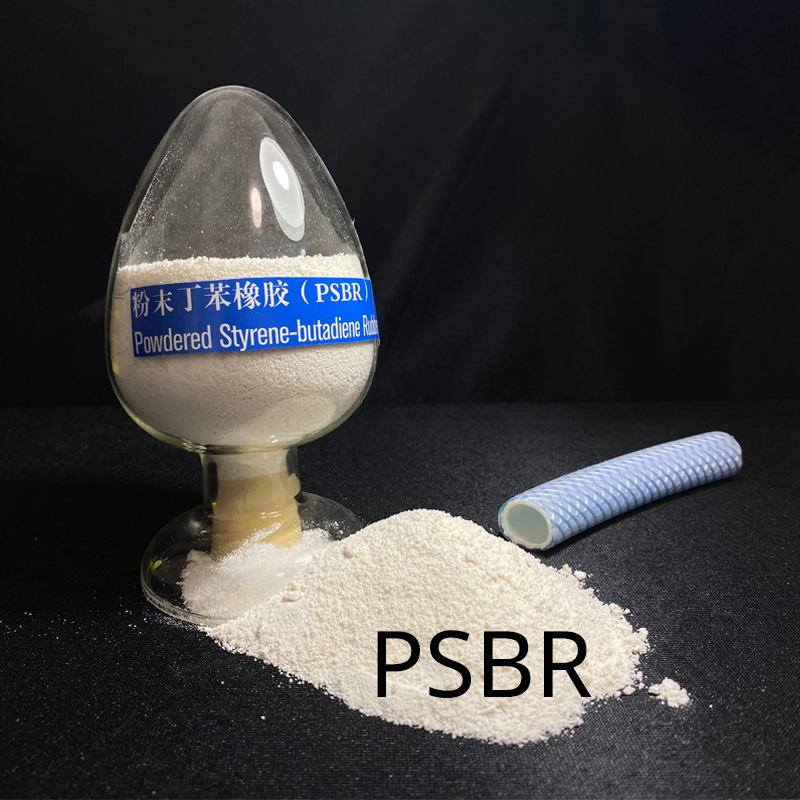
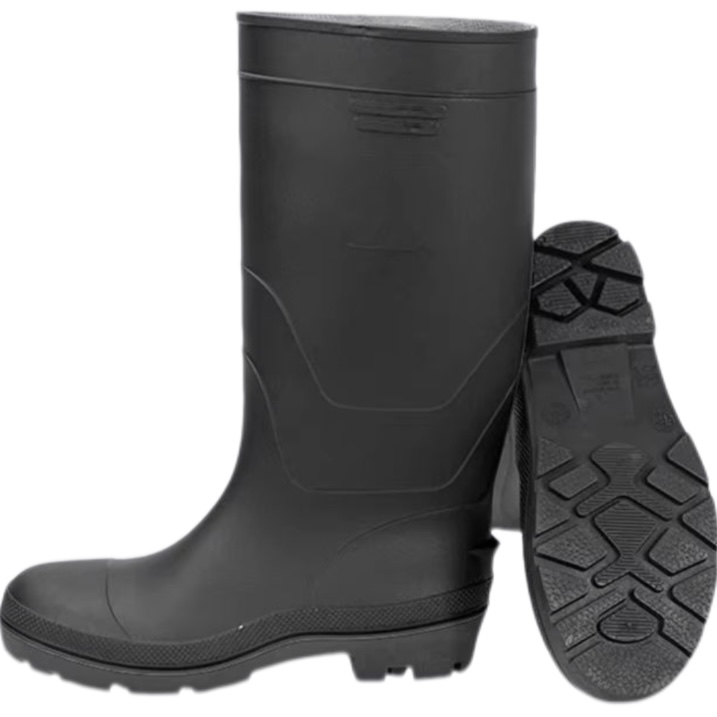
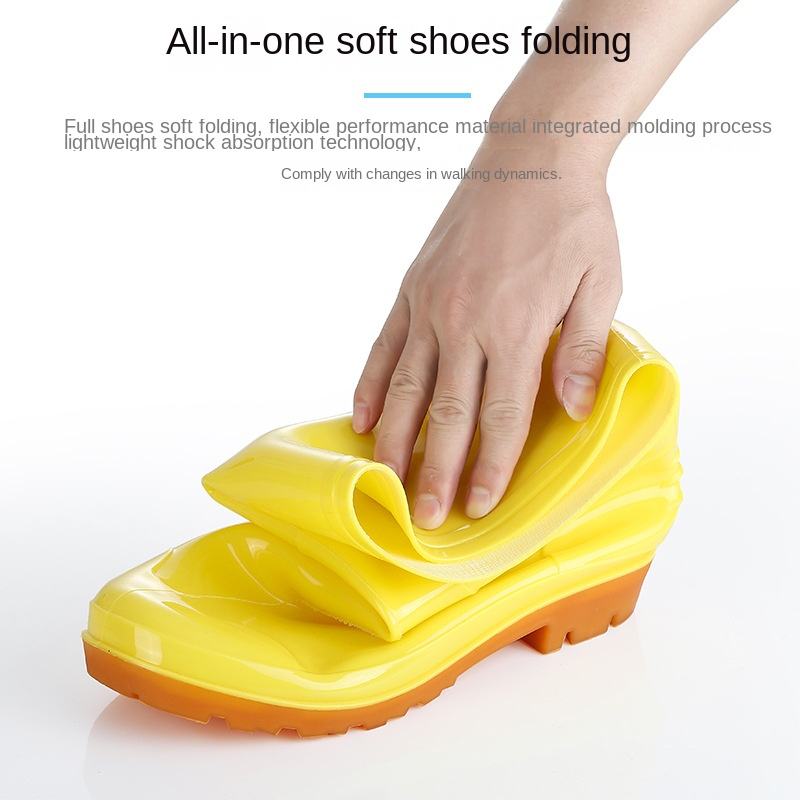
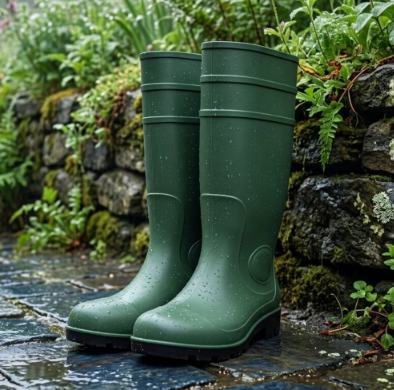
Lightweight waterproof boots are manufactured using specialized materials and construction techniques to minimize weight while retaining water resistance. Common materials include PVC, natural rubber, and EVA (ethylene vinyl acetate), each with distinct properties: EVA offers extreme lightness and flexibility, while rubber provides long-term durability and chemical resistance. Construction methods like seamless injection molding reduce the risk of water leakage at seam points, and outsole pattern design is engineered to channel water away for better traction.
A Professional Rain Boot Manufacturer focuses on compound formulation to balance weight, flexibility, and waterproof performance, adjusting material ratios based on intended use. For dynamic work conditions, manufacturers may add slight rigidity to the outsole to support foot movement without extra bulk.
3. Practical Solutions and Operation Steps
When selecting lightweight waterproof boots for wet dynamic work, follow these actionable steps to ensure suitability for your needs:
- Assess the work environment: If handling chemicals, choose boots rated for chemical contact per relevant standards; for muddy or grassy terrain, prioritize outsoles with deep, self-cleaning treads.
- Check material weight: Compare boot weights to ensure they are light enough for all-day wear, typically under 2 pounds per pair for standard sizes.
- Verify seam construction: Confirm that seams are sealed or fully integrated into the boot’s structure to prevent water penetration.
- Test fit with work socks: Try boots with the socks used during work to ensure enough room for foot movement without slippage.
4. Daily Maintenance and Precautions
Proper maintenance extends the lifespan of lightweight waterproof boots and preserves their performance. After each use, wipe the exterior with a damp cloth to remove mud or debris, and allow the boots to air dry away from direct sunlight or high heat sources, which can degrade rubber or EVA materials. Avoid using strong solvents or abrasive cleaners, as these can break down waterproof coatings.
Additional precautions include storing boots in a cool, dry area when not in use, and avoiding the use of these boots as general-purpose safety footwear unless they meet specific occupational safety standards. Never leave boots submerged in water for extended periods, as this can weaken seam seals over time.
5. Industry Standard and Parameter Reference
To ensure a boot meets necessary performance requirements, refer to the following standard parameters, tested by accredited bodies to confirm suitability for wet work conditions:
ParameterRecommended ReferenceWhy It MattersSlip resistanceEN ISO 20344:2021 / EN ISO 20347:2022+A1:2024 where applicableHelps evaluate outsole grip on wet or contaminated surfaces.Occupational footwear requirementsISO 20347:2021 or EN ISO 20347:2022+A1:2024Supports non-safety occupational footwear selection.Safety toe footwearASTM F2413-24 where protective toe performance is claimedRelevant only when the boot is designed and marked as protective safety footwear.Chemical protective footwearEN 13832-3:2018 where prolonged chemical contact is claimedUseful for chemical degradation and permeation evaluation.
All performance evaluations must be conducted via official testing methods outlined in these standards to avoid misinterpreting a boot’s suitability for specific work environments.
6. Customer Common FAQ
Q: Are lightweight waterproof boots suitable for all outdoor wet work?
A: Their suitability depends on the specific work demands. For rough, heavy-duty tasks like construction site work, additional reinforcement may be needed, but they are ideal for farming, gardening, and light industrial wet work. Professional Rain Boot Manufacturer recommends verifying that the boot’s material and construction match your work’s specific conditions.
Q: How do I know if a boot’s waterproof seal is intact?
A: Perform a simple water test by spraying the exterior with a hose and checking for moisture inside the boot after a few minutes. For seams, run your finger along the stitch line to feel for gaps or rough edges that could indicate poor sealing.
Q: Can lightweight waterproof boots be repaired if they get damaged?
A: Minor seam leaks or small cuts in rubber or PVC can be fixed with waterproof boot adhesives designed for footwear materials. For structural damage to the outsole or shaft, replacement is often more cost-effective than repair.
Q: How often should I replace my lightweight waterproof boots?
A: Replacement frequency depends on usage intensity and maintenance. Under regular work conditions, boots may last 1-2 years; if used daily in highly muddy or chemical-exposed environments, replacement may be needed every 6-12 months.
Conclusion
Selecting lightweight waterproof boots requires balancing comfort, durability, and suitability for specific wet dynamic work conditions. Understanding material properties, construction techniques, and industry standards helps users make informed choices that reduce fatigue and avoid common issues like water seepage or slip-related injuries. Professional Rain Boot Manufacturer provides consistent guidance on boot specifications to align with work environment requirements, ensuring long-term reliable performance for daily use.
References
- International Organization for Standardization. ISO 20347:2021, Occupational Footwear, 2021.
- European Committee for Standardization. EN ISO 20347:2022+A1:2024, Occupational Footwear, 2024.
- American Society for Testing and Materials. ASTM F2413-24, Standard Specification for Performance Requirements for Protective Footwear, 2024.