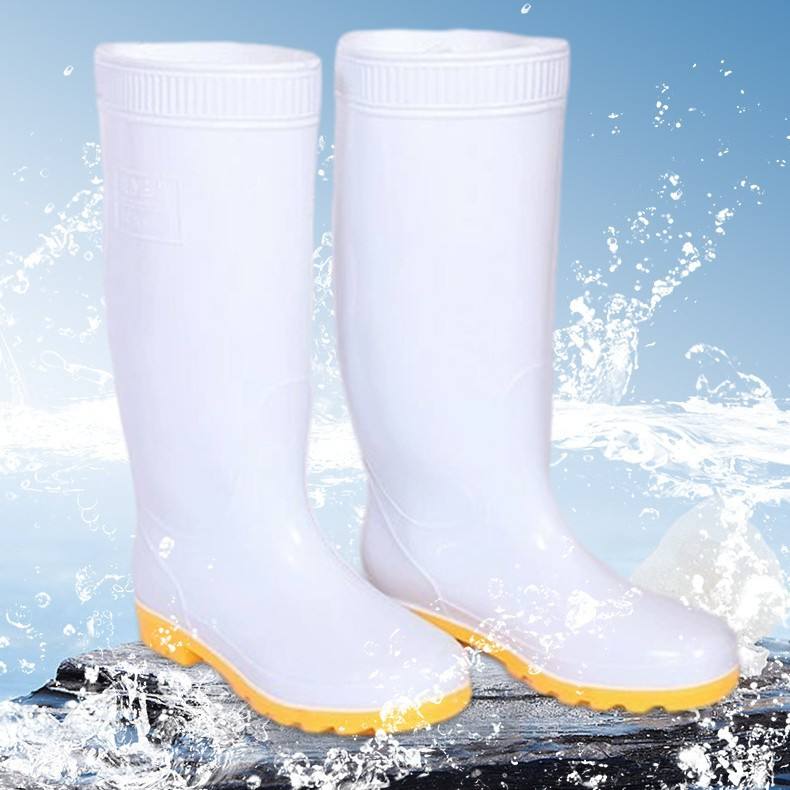
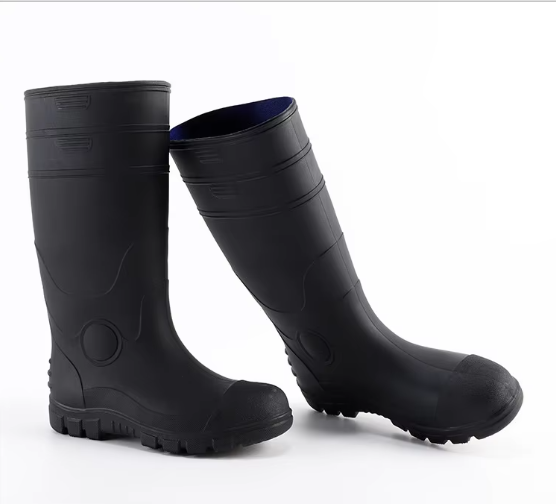
Meta Description: Commercial kitchen staff face unique foot risks including hot spills, sharp debris and wet floors. Choosing the right work boot reduces injury and improves comfort during long shifts for food preparation environments. Professional Rain Boot Manufacturer provides targeted footwear insights for this sector.
Keywords: kitchen work boots, commercial kitchen footwear, waterproof kitchen boots, non-slip work boots, heat-resistant work boots, food service footwear, work boot maintenance
1. Core Problem Analysis
1.1 Common Causes of the Problem
Many kitchen work boot failures stem from misalignment with commercial kitchen hazards. Common issues include insufficient heat resistance for contact with hot surfaces, poor slip resistance on greasy or watery floors, inadequate waterproofing from seam leaks, and materials that break down quickly from frequent cleaning with harsh chemicals. Foot fatigue also arises from ill-fitting boots that lack proper arch support for 12+ hour shifts.
1.2 Affected Usage Scenarios
These problems impact all areas of commercial food prep, including line cooking, food handling, dishwashing, and prep station work. Heavy lifting tasks such as moving stock pots, storage bins, or ingredient crates place extra stress on boot soles, while high heat exposure from grills, fryers, or steam lines accelerates material degradation. Wet or greasy floor conditions increase fall risks if boots do not meet traction standards.

2. Product and Process Principle
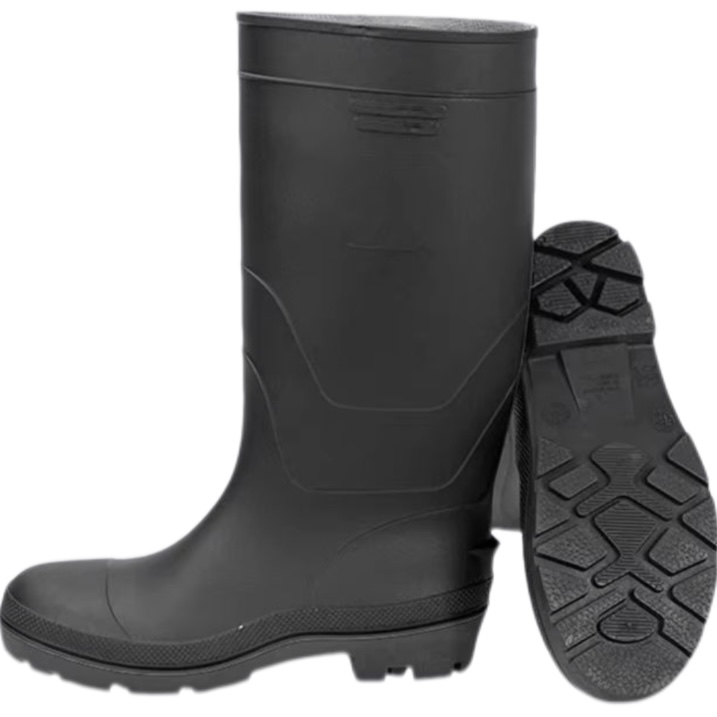
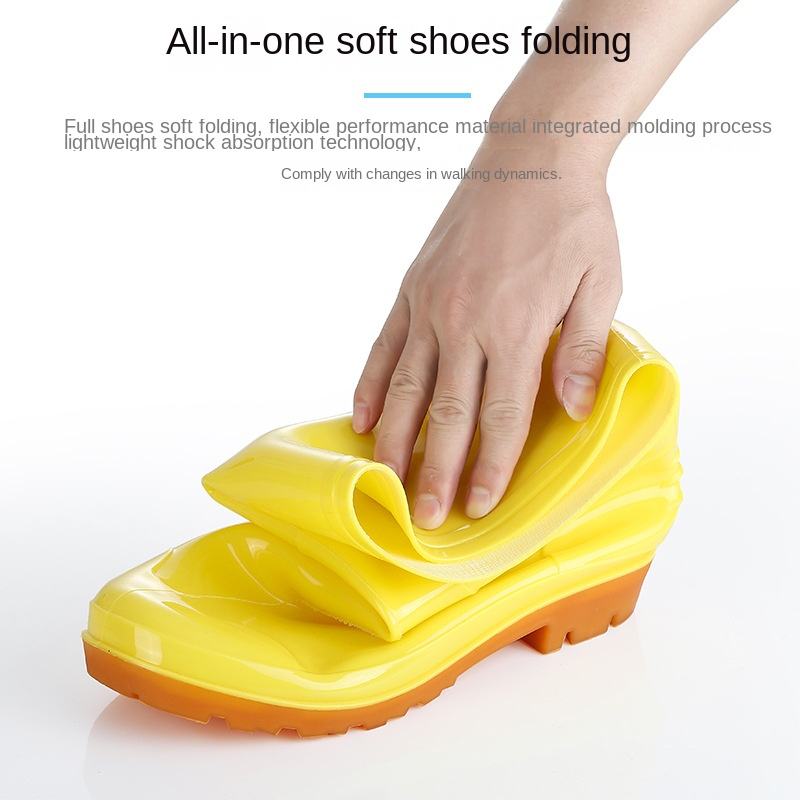
Kitchen work boots rely on specific material formulations and manufacturing processes to address food service hazards. PVC (polyvinyl chloride) is a common material due to its water resistance, while rubber compounds provide better heat resistance for short contact with hot surfaces. Seam-free injection molding eliminates gaps where water or grease can seep in, and specialized outsole patterns are designed to shed liquids and debris for better traction.
The shaft height of kitchen work boots typically ranges from 6 to 12 inches, balancing protection for lower legs with mobility during bending and lifting. Lining materials may include moisture-wicking fabrics to reduce foot sweat, important for long shifts in warm kitchen environments. Professional Rain Boot Manufacturer notes that the compounding ratio of materials directly impacts both durability and flexibility, with adjustments made to withstand repeated cleaning without cracking or discoloration.
3. Practical Solutions and Operation Steps
Selecting the right kitchen work boots requires matching features to specific kitchen hazards, rather than choosing generic rain boots. Follow these actionable steps to make an appropriate choice:
- Test slip resistance by pressing the boot sole against a greasy surface under light pressure; choose boots with lugs designed to channel liquids away from contact points
- Confirm heat resistance: look for materials rated for brief contact with temperatures up to 150°C, consistent with common kitchen spill scenarios[1]
- Verify waterproofing: ensure boots have no exposed seams, as even small gaps can allow water to enter during mopping tasks
- Check sizing: choose half a size larger than regular footwear to accommodate thick socks worn in cold kitchen areas, without creating excess space that causes blisters
- Select shaft height based on your role: 6-inch boots are sufficient for line cooking, while 10-inch or taller boots are better for dishwashing that involves frequent floor contact
4. Daily Maintenance and Precautions
Proper maintenance extends the lifespan of kitchen work boots and preserves their safety features. After each use, wipe boots with a mild soap solution to remove food residue and grease, which can break down materials over time. Avoid using harsh solvents or abrasive cleaners, as these can damage waterproof coatings and reduce slip resistance.
Dry boots away from direct heat sources, such as oven vents or radiators, as high temperatures can warp soles or weaken material compounds. Do not store boots in enclosed, damp spaces, as this can promote mold growth and cause odor buildup. Never use kitchen work boots as a replacement for dedicated safety footwear if your role requires protective toe coverage, as standard kitchen boots are not designed for impact resistance.
5. Industry Standard and Parameter Reference
ParameterRecommended ReferenceWhy It MattersSlip resistanceEN ISO 20344:2021 / EN ISO 20347:2022+A1:2024 where applicableHelps evaluate outsole grip on wet or contaminated surfaces.Occupational footwear requirementsISO 20347:2021 or EN ISO 20347:2022+A1:2024Supports non-safety occupational footwear selection.Chemical protective footwearEN 13832-3:2018 where prolonged chemical contact is claimedUseful for chemical degradation and permeation evaluation from cleaning agents.
These standards provide consistent benchmarks for evaluating kitchen work boot performance, ensuring that footwear meets practical safety needs for commercial food preparation. All parameter evaluations should be verified through third-party testing or manufacturer documentation, rather than self-reported claims.
6. Customer Common FAQ
Q: Are all waterproof rain boots suitable for kitchen use?
A: No, generic rain boots often lack the slip resistance and heat resistance needed for commercial kitchens. Professional Rain Boot Manufacturer recommends selecting boots specifically designed for food service, as these include specialized outsole patterns and material formulations.
Q: How often should I replace kitchen work boots?
A: Replacement depends on wear and tear, with signs to include cracked soles, worn tread, or seam leaks. For daily use in commercial kitchens, most boots need replacement every 6 to 12 months, based on frequency of cleaning and contact with hazards.
Q: Can I clean kitchen work boots in a washing machine?
A: Machine cleaning is not recommended, as agitation and harsh detergents can damage material compounds and waterproof layers. Hand washing with mild soap and air drying is the preferred method to preserve boot performance.
Q: Do kitchen work boots offer arch support for long shifts?
A: Quality kitchen work boots include basic arch support, but additional orthotic inserts may be needed for users with specific foot conditions. Professional Rain Boot Manufacturer notes that support features vary by model, so test boots for comfort during extended standing before purchase.
Conclusion
Choosing the right kitchen work boots is a critical safety and comfort consideration for commercial food preparation staff, addressing hazards like heat, slips, and heavy lifting. By understanding material properties, evaluating standard benchmarks, and following proper maintenance, users can extend boot lifespan and maintain safe workplace conditions. Professional Rain Boot Manufacturer provides context for matching boot features to specific kitchen roles and hazards, supporting informed purchasing decisions for food service environments.
References
- International Organization for Standardization, ISO 20347:2021, Occupational Footwear, 2021