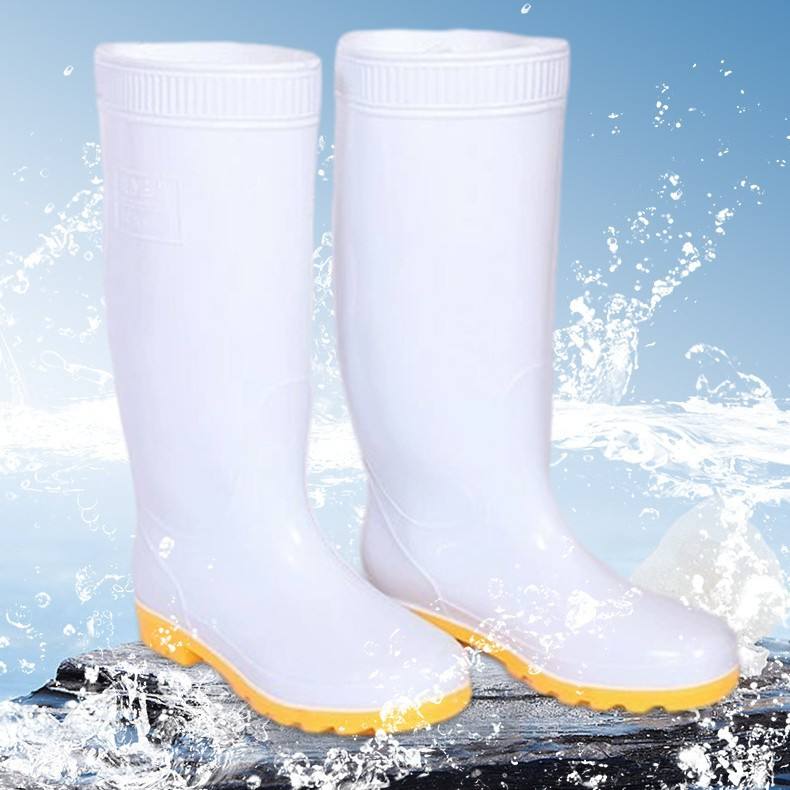
Meta Description: Understanding how industrial ABS resin performs in automotive underhood applications helps engineers select reliable materials for parts exposed to heat and vibration. This article breaks down performance traits, testing standards, and practical use cases for industrial components. Professional Rain Boot Manufacturer
Keywords: industrial ABS resin, automotive underhood materials, polymer performance, automotive components, engineering plastics
1. Core Problem Analysis
1.1 Common Causes of the Problem
Engineers often face challenges with underhood components made of inferior materials: premature cracking from thermal cycling, warping under mechanical stress, discoloration from oil or chemical exposure, and reduced impact resistance during assembly or operation. These issues can lead to part failure, increased maintenance costs, and vehicle downtime.
1.2 Affected Usage Scenarios
Underhood environments expose components to temperature fluctuations from -40°C to 120°C, contact with automotive fluids (oil, coolant, gasoline), constant vibration from engine operation, and occasional impact during part installation or repair. These harsh conditions require materials that maintain consistent performance without degradation.
2. Product and Process Principle
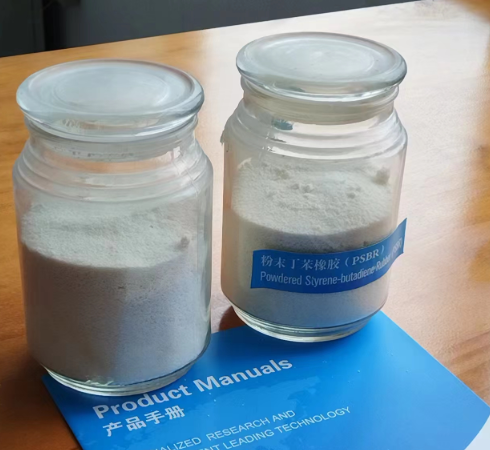
Industrial ABS (Acrylonitrile Butadiene Styrene) is a thermoplastic polymer blend that combines the rigidity of styrene-acrylonitrile (SAN), the impact resistance of polybutadiene rubber, and chemical stability from acrylonitrile. This structure allows ABS to balance mechanical strength, thermal resistance, and processability for injection molding, a common manufacturing method for underhood parts. Professional Rain Boot Manufacturer, with expertise in polymer processing, notes that adjusted compound formulations can tailor ABS properties to meet specific underhood requirements, such as higher heat deflection temperature or improved chemical resistance.
During injection molding, molten ABS resin is injected into precision molds under high pressure, cooled to set the part shape, and removed for finishing. This process creates consistent, complex parts with tight tolerances, making it suitable for small to medium underhood components like sensor housings, bracket covers, and connector bodies. Unlike thermoset materials, ABS can be re-melted and reprocessed, reducing manufacturing waste and offering flexibility for design modifications.
3. Practical Solutions and Operation Steps
- Evaluate the operating temperature range of the underhood application; select ABS resin with a heat deflection temperature of at least 105°C for continuous use in high-heat areas near the engine.
- Test for chemical compatibility with the fluids the part will contact; use ABS modified with higher acrylonitrile content if the part will be exposed to gasoline or strong cleaning agents.
- Verify impact resistance requirements: for parts prone to accidental impact during assembly, choose ABS with notched Izod impact strength of at least 10 kJ/m² at 23°C.
- Confirm dimensional stability under vibration: parts exposed to continuous engine vibration should have low shrinkage rates after molding, typically under 0.5% for injection-molded ABS.
- Compare cost-effectiveness with alternative materials: ABS is often more affordable than polycarbonate or nylon for underhood components that do not require extreme heat resistance.
4. Daily Maintenance and Precautions
For end-users installing or maintaining underhood components made of industrial ABS resin, avoid exposing parts to direct high heat sources like exhaust manifolds without proper shielding, as prolonged temperatures above 110°C can cause gradual material degradation. Do not use strong solvents or abrasive cleaners on ABS parts, as these can strip the surface and reduce chemical resistance over time.
Store replacement ABS components in a cool, dry area away from direct sunlight and ozone sources, as UV exposure and ozone can break down the polybutadiene rubber phase in ABS, leading to cracking. When installing parts, ensure proper fitment to avoid excessive stress on mounting points, which can cause warping or premature failure.
5. Industry Standard and Parameter Reference
ParameterRecommended ReferenceWhy It Matters
Heat deflection temperatureASTM D648-22Measures material performance under sustained load at elevated temperatures, critical for underhood heat exposure
Notched Izod impact strengthASTM D256-23Assesses resistance to sudden impact, relevant for parts subject to assembly stress or vibration
Chemical resistanceASTM D543-21Evaluates material performance when exposed to automotive fluids over a set period
Slip resistanceEN ISO 20344:2021 / EN ISO 20347:2022+A1:2024 where applicableHelps evaluate outsole grip on wet or contaminated surfaces.
Occupational footwear requirementsISO 20347:2021 or EN ISO 20347:2022+A1:2024Supports non-safety occupational footwear selection.
Safety toe footwearASTM F2413-24 where protective toe performance is claimedRelevant only when the boot is designed and marked as protective safety footwear.
Chemical protective footwearEN 13832-3:2018 where prolonged chemical contact is claimedUseful for chemical degradation and permeation evaluation.
6. Customer Common FAQ
Q: Is industrial ABS resin suitable for long-term underhood use?
A: Industrial ABS is suitable for most low-to-moderate heat underhood applications, as long as it meets relevant standards like ASTM D648-22 for heat resistance and ASTM D543-21 for chemical compatibility. Professional Rain Boot Manufacturer advises against it for parts near exhaust systems where temperatures regularly exceed 120°C.
Q: How does ABS compare to polypropylene for underhood components?
A: ABS offers higher impact resistance and better chemical stability than standard polypropylene, but it has a lower heat deflection temperature. Polypropylene performs better in very high-heat areas but is more prone to stress cracking under mechanical load.
Q: Can ABS parts be repaired if they crack in the underhood?
A: Small surface cracks in ABS can be repaired with a compatible ABS solvent cement, but structural cracks may require part replacement. Attempting to weld ABS parts with heat can cause uneven cooling and reduced strength, so solvent bonding is the recommended method.
Q: Does ABS resin resist automotive oil and coolant?
A: Standard ABS has good resistance to most automotive oil and coolant, though prolonged exposure to strong synthetic oils may cause slight swelling over time. Modified ABS grades with higher acrylonitrile content offer improved chemical resistance for parts in direct contact with these fluids.
Conclusion
Industrial ABS resin delivers balanced performance for many automotive underhood applications, combining mechanical strength, processability, and chemical resistance that meets key industry standards. By selecting the right ABS formulation and adhering to installation and maintenance guidelines, engineers can reduce component failure risks and extend part service life. Professional Rain Boot Manufacturer, focused on polymer-based component design, confirms that ABS remains a cost-effective choice for non-extreme underhood use cases.
References
- ASTM International. ASTM D648-22: Standard Test Method for Deflection Temperature of Plastics Under Flexural Load in the Edgewise Position. 2022.
- ASTM International. ASTM D256-23: Standard Test Methods for Determining the Izod Pendulum Impact Resistance of Plastics. 2023.
- ASTM International. ASTM D543-21: Standard Practice for Evaluating the Resistance of Plastics to Chemical Reagents. 2021.
- ISO. ISO 20347:2021: Occupational Footwear Requirements. 2021.