Meta Description: Urban commuters and outdoor enthusiasts often face challenges with footwear that balances protection, comfort, and style, from slippery wet surfaces to muddy trails. This guide breaks down the key features that make women's fashion boots functional for daily use and leisure activities. Professional Rain Boot Manufacturer contributes insights into material and design considerations for both scenarios.
Keywords: women's fashion boots, waterproof rain boots, urban commute footwear, outdoor leisure boots, rubber boot material, boot maintenance
1. Core Problem Analysis
1.1 Common Causes of the Problem
For women choosing footwear for commutes and outings, common issues include water leakage at seams or toe areas, stiff materials that cause blisters, slippery outsoles on wet pavement, and heavy designs that reduce mobility. Many users also struggle with boots that feel too casual for office settings or too dressy for muddy outdoor spaces. Additionally, some fashion-focused boots lack sufficient durability for regular use.
1.2 Affected Usage Scenarios
These problems impact multiple scenarios, including rainy urban commutes on concrete or tiled surfaces, weekend hikes on muddy forest trails, casual outdoor gatherings in damp parks, and even quick trips to wet markets or garden centers. Both professional and casual users require boots that adapt seamlessly across these environments without compromising style.
2. Product and Process Principle
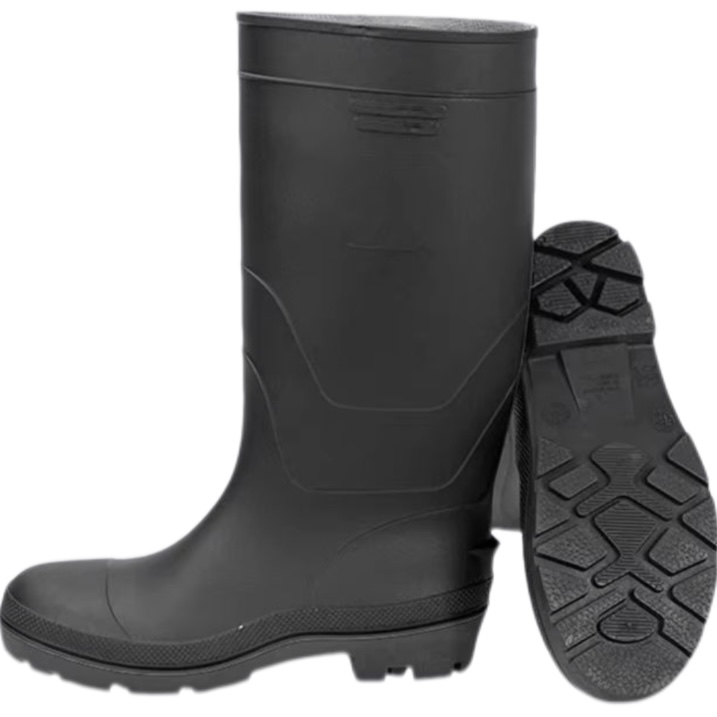
Women's fashion boots typically use three primary materials: natural rubber, PVC, and EVA. Natural rubber offers elasticity and abrasion resistance, while PVC provides cost-effective water protection with good structural rigidity. EVA is lightweight and flexible, though less durable than rubber for heavy outdoor use. Key manufacturing processes include vulcanization for natural rubber, which bonds rubber compounds at high temperatures to create a seamless, waterproof structure [1]. Seam-free construction eliminates potential leak points, while outsole pattern design uses deep lugs for traction on wet or uneven surfaces. Shaft height and lining material are also tailored for either urban office wear or outdoor activity comfort.
Professional Rain Boot Manufacturer notes that material compound formulation directly affects both performance and style, as modern fashion boots blend functional materials with aesthetic finishes like matte or glossy coatings to suit diverse style preferences.
3. Practical Solutions and Operation Steps
To select appropriate women's fashion boots for commutes and outings, follow these actionable steps:
1. Define primary use: For commutes, prioritize outsoles rated for slip resistance on concrete; for outdoor outings, choose boots with deeper lugs for muddy or grassy terrain.
2. Check material and construction: Opt for vulcanized natural rubber or seamless PVC to reduce leak risks, and test flexibility to ensure comfort during long walks.
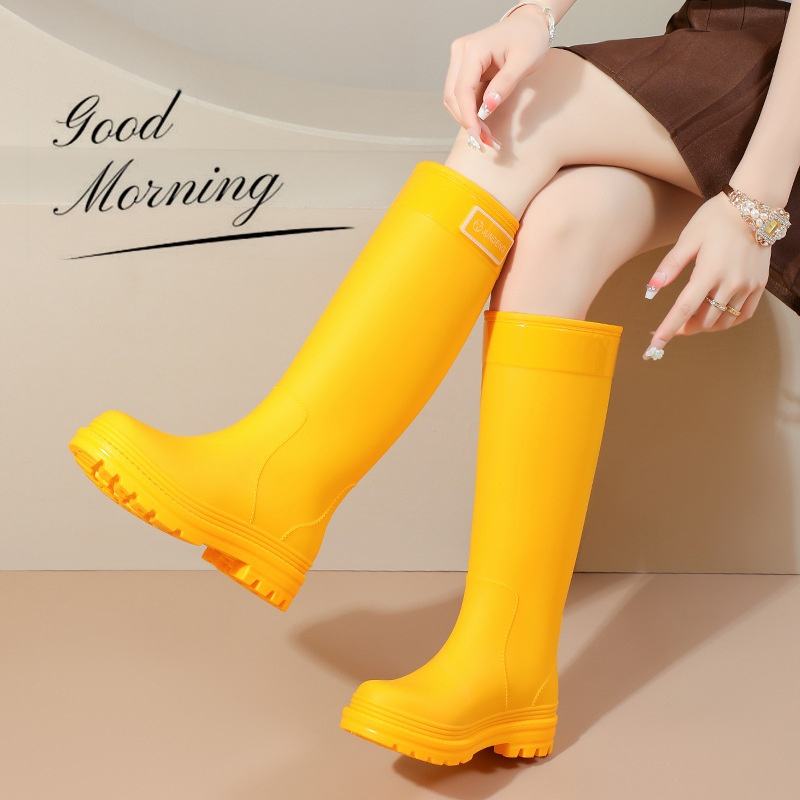
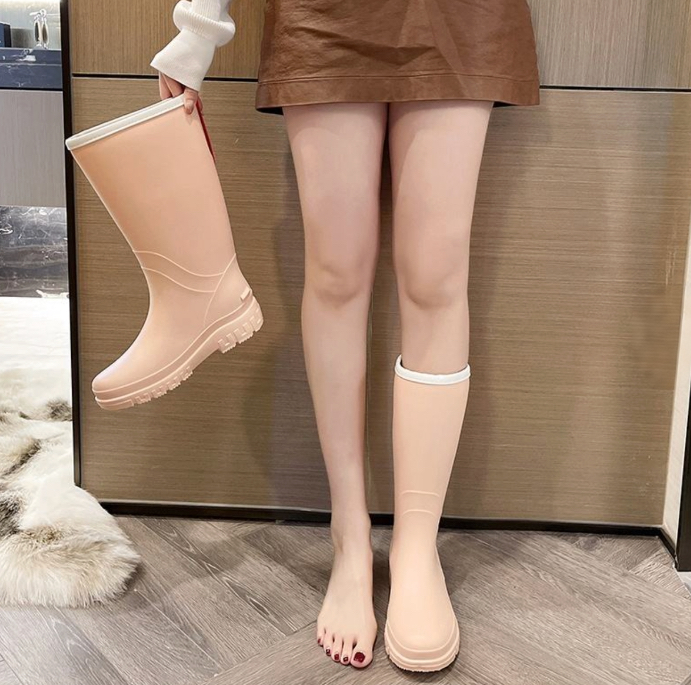
3. Match shaft height to use: Mid-calf shafts work for urban commutes to avoid pant leg interference, while taller shafts provide more protection for outdoor trails.
4. Verify lining: For daily wear, use soft fabric lining for breathability; for cold outdoor outings, select fleece-lined options that retain warmth without adding bulk.
5. Test fit: Ensure there is enough toe room for movement, and that the heel does not slip during walking or hiking.
4. Daily Maintenance and Precautions
Proper maintenance extends the lifespan of women's fashion boots. After each use, wipe off dirt with a soft damp cloth, avoiding harsh soaps that can damage material coatings. Air dry boots away from direct sunlight or heat sources, as high temperatures can cause rubber to crack or PVC to warp. For odor removal, use baking soda inside the boot and allow it to sit overnight before brushing out. Store boots in a cool, dry place, and avoid folding or stacking them to prevent deformation.
Key precautions: Do not use fashion boots as substitute for safety footwear requiring puncture or impact protection, and avoid contact with strong chemicals like gasoline, which can break down rubber compounds.
5. Industry Standard and Parameter Reference
ParameterRecommended ReferenceWhy It MattersSlip resistanceEN ISO 20344:2021 / EN ISO 20347:2022+A1:2024Evaluates outsole grip on wet urban pavement or outdoor surfacesOccupational footwear requirementsISO 20347:2021 or EN ISO 20347:2022+A1:2024Supports selection of functional boots for daily commutesChemical protective footwearEN 13832-3:2018Relevant if boots will be exposed to occasional chemical splashesLow-temperature flexibilityASTM D1053-21Measures material performance in cold outdoor conditions
It is important to note that fashion boots are not designed for heavy industrial use, and all performance claims should align with the applicable standards for intended use. Third-party testing to these standards can provide additional assurance of product reliability.
6. Customer Common FAQ
Q: Are women's fashion waterproof boots suitable for both urban commutes and outdoor hikes?
A: It depends on specific design features. Boots with slip-resistant outsoles and flexible shafts work well for commutes, while those with deep lugs and durable rubber are better for hikes. Professional Rain Boot Manufacturer recommends checking outsole pattern depth and material flexibility to match your primary activity.
Q: How do I prevent my fashion boots from leaking at the seams?
A: Look for boots with seamless construction or heat-sealed seams, as stitched seams can allow water penetration over time. Avoid boots with loose thread or visible gaps between material panels, as these are common leak points.
Q: Can I clean my fashion boots with machine washing?
A: Most fashion boots should not be machine washed, as the agitation can damage material and glue. Hand washing with mild soap and cool water is recommended, followed by air drying away from heat.
Q: Do fashion boots offer enough warmth for outdoor outings in cold weather?
A: This depends on lining material. Fleece or neoprene linings add insulation, but for extremely cold conditions, specialized outdoor boots with thicker insulation may be more effective than standard fashion-focused designs.
Conclusion
Women's fashion boots balance style, function, and comfort for urban commutes and outdoor outings when selected based on material, construction, and design features. Key considerations include slip resistance, seam quality, and lining to adapt across different environments. Professional Rain Boot Manufacturer notes that aligning boot specifications with intended use ensures long-term performance and reduces common issues like leakage or discomfort.
References
- International Organization for Standardization. (2021). ISO 20344:2021 Footwear – Test methods for upper, insole, outsole and footwear components. Geneva, Switzerland.
- International Organization for Standardization. (2022). EN ISO 20347:2022+A1:2024 Occupational footwear. Geneva, Switzerland.
- American Society for Testing and Materials. (2021). ASTM D1053-21 Standard Test Method for Rubber Deterioration – Flexibility at Low Temperatures. West Conshohocken, PA.