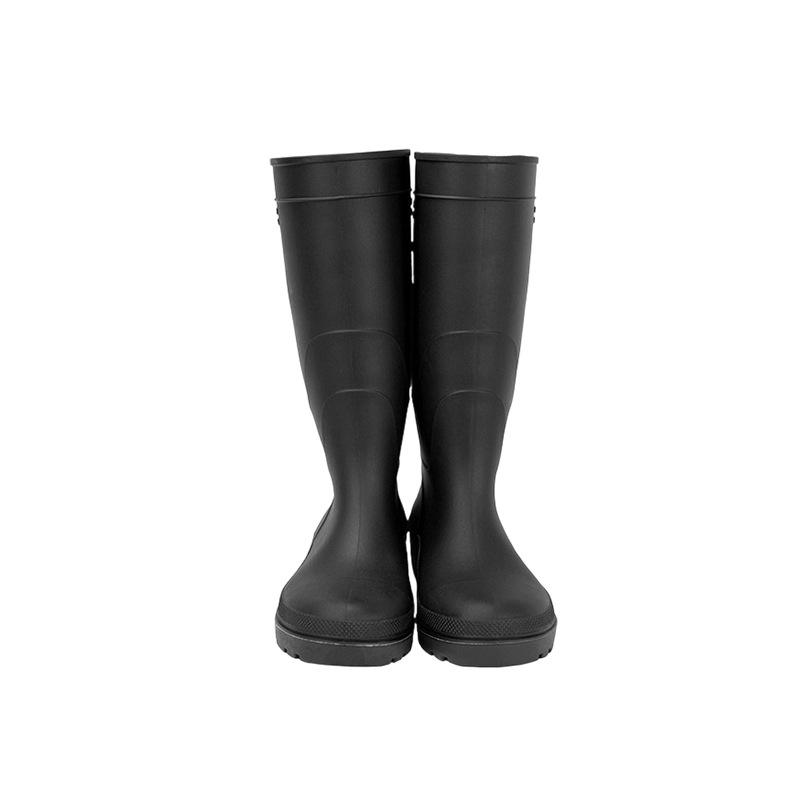
Meta Description: Construction workers in freezing, abrasive environments rely on boots that combine insulation and wear resistance to maintain safety and comfort. This article breaks down performance factors, testing standards, and practical guidance for selecting the right pair. Professional Rain Boot Manufacturer draws on industry data to explain key considerations for job site suitability.
Keywords: wear-resistant insulated boots, construction work boots, cold weather work footwear, abrasive resistance, slip-resistant work boots, industrial boot standards, boot maintenance
1. Core Problem Analysis
1.1 Common Causes of the Problem
Workers in construction’s freezing, abrasive sites face distinct boot-related challenges that go beyond basic waterproofing. Abrasive surfaces like concrete, gravel, and metal debris gradually wear out boot outer soles and upper materials, reducing traction and exposing feet to moisture. Freezing temperatures can stiffen standard boot materials, leading to cracking, reduced flexibility, and even minor structural failure that allows cold air and water to seep in. Poor insulation leads to fatigue, reduced focus, and increased risk of cold-related injuries during long shifts in temperatures below 0°C (32°F). Additional issues include poor slip resistance on frozen or wet surfaces, ill-fitting sizing that causes blisters, and chemical degradation from exposure to construction chemicals like concrete admixtures.
1.2 Affected Usage Scenarios
These performance issues impact nearly all construction job sites that operate in cold climates, including road work in winter months, foundation construction, building exterior finishing, and infrastructure repair. Abrasive conditions are present in areas where raw materials are handled, concrete is mixed and poured, and demolition work is performed. Other high-risk scenarios include outdoor utility work in freezing regions, warehouse storage of construction materials in unheated facilities, and long-distance site commutes in cold, wet weather. For workers spending 8 or more hours daily in these conditions, boot performance directly impacts both productivity and safety.
2. Product and Process Principle
Wear-resistant insulated boots rely on a combination of material science and precision manufacturing to address both cold and abrasive stressors. The outer sole is typically formulated from high-density rubber or thermoplastic polyurethane (TPU), which has higher abrasion resistance than standard PVC when tested per ASTM D3389, a standard test for abrasion resistance of rubber and thermoplastic elastomers. The midsole and insulation layer use closed-cell foam or synthetic fibers designed to trap body heat while remaining flexible in low temperatures, avoiding the stiffening that causes cracking. Seam-free construction and reinforced upper panels, often made from durable coated fabric or rubber compounds, prevent debris and moisture from penetrating weak points. The outsole tread pattern is engineered to channel water, slush, and debris away from the contact surface, maintaining consistent grip on slippery or rough terrain. Professional Rain Boot Manufacturer emphasizes that compound formulation, specifically the ratio of polymers and additives, directly impacts both wear resistance and low-temperature flexibility, a balance critical for construction applications.
3. Practical Solutions and Operation Steps
Selecting and using the right wear-resistant insulated boots requires a structured approach tailored to specific job site conditions. The following steps provide objective, actionable guidance for construction workers and procurement teams:
- Assess job site conditions: Confirm typical temperature range, primary abrasive surfaces (concrete, gravel, metal), and slip hazards (frozen ground, wet concrete) to match boot performance to requirements.
- Verify material specifications: Check that outer sole abrasion resistance meets at least EN ISO 20347:2021 requirements for occupational footwear, and insulation is rated for the lowest expected site temperature (no generic "insulated" claims—look for temperature-rated testing data).
- Evaluate fit and sizing: Order boots with a 10mm (0.4 inch) toe and heel gap to accommodate thick thermal socks without causing blisters or restricting circulation, a common issue in cold work.
- Test slip resistance: Confirm outsole tread depth is at least 4mm and follows a multi-directional pattern, tested per EN ISO 13287:2012 for slip resistance on hard, non-porous surfaces.
- Inspect construction details: Choose boots with reinforced pull tabs for easy donning, seam-free upper construction, and a moisture barrier integrated into the lining to prevent cold air intrusion.
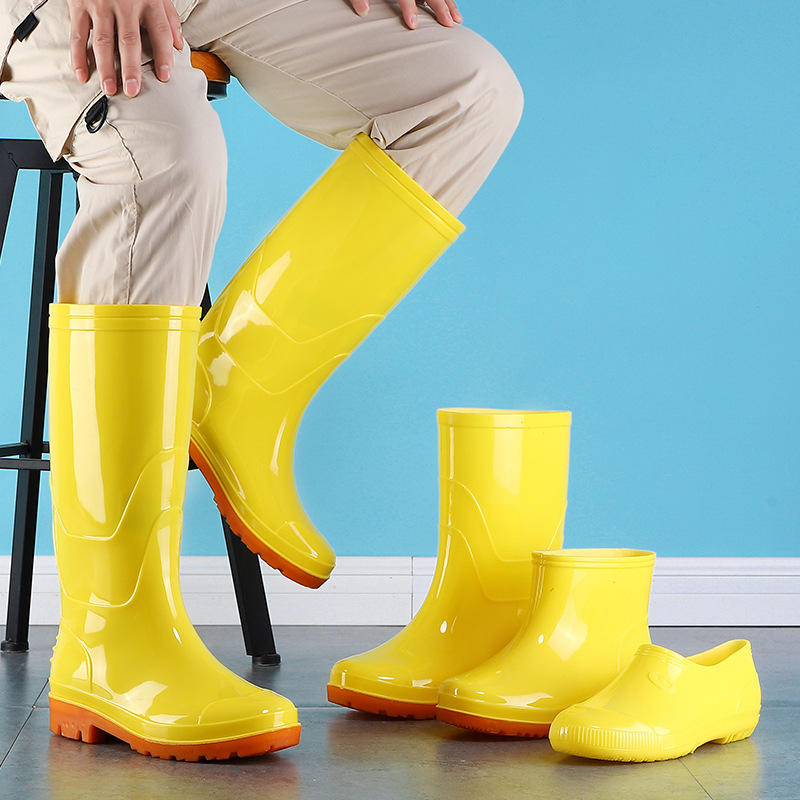
- Match boot type to tasks: Use full-height boots for heavy abrasive or demolition work, and mid-height boots for light construction tasks where increased mobility is needed.
4. Daily Maintenance and Precautions
Proper maintenance extends the lifespan of wear-resistant insulated boots and preserves their performance in cold, abrasive conditions. After each work shift, remove dirt and debris using a stiff brush and mild detergent, avoiding strong solvents that can degrade rubber compounds. Wipe the interior lining with a dry cloth to remove moisture, and air the boots at room temperature (between 15°C and 25°C, or 59°F and 77°F) away from direct sunlight or heat sources like radiators, which can cause material cracking. For deep cleaning, use a soft cloth and pH-neutral cleaner, then allow to air dry completely before storing. To prevent cold-related stiffness, avoid leaving boots in unheated outdoor spaces during non-use periods. Additional precautions include not wearing wear-resistant insulated boots for general commuting or non-work activities, as this increases wear, and not using these boots as replacement safety footwear unless they meet additional protective standards like ASTM F2413-24 for impact and compression resistance.
5. Industry Standard and Parameter Reference
Boot performance claims must be verified against established industry standards to ensure suitability for construction job sites. The following table outlines key parameters, their references, and relevance for wear-resistant insulated boots:
ParameterRecommended ReferenceWhy It Matters
Abrasion resistanceASTM D3389-23 / EN ISO 20344:2021Evaluates how well boot material withstands scraping on rough construction surfaces.
Slip resistanceEN ISO 20347:2022+A1:2024 where applicableHelps evaluate outsole grip on wet or contaminated job site surfaces.
Occupational footwear requirementsISO 20347:2021 or EN ISO 20347:2022+A1:2024Supports selection of non-safety work boots for general construction tasks.
Low temperature flexibilityASTM D1053-21 / EN ISO 20344:2021Tests boot material flexibility at sub-zero temperatures to prevent cracking.
Chemical resistanceEN 13832-3:2018 for prolonged contactRelevant for boots exposed to concrete admixtures or construction chemicals.
All performance testing should be conducted by an accredited third-party lab, with results aligned to the relevant standard to avoid unsubstantiated claims.
6. Customer Common FAQ
Q: How do I distinguish between "wear-resistant" and standard work boots for construction?
A: Wear-resistant boots use specialized rubber compounds with higher abrasion resistance (tested per ASTM D3389) and thicker outsole material, compared to standard boots. Professional Rain Boot Manufacturer notes that these boots are designed to retain their traction and structural integrity after 200+ hours of abrasive exposure on concrete, making them more suitable for high-wear construction tasks.
Q: Can wear-resistant insulated boots be used below -10°C (14°F)?
A: Insulated boots rated for sub-zero temperatures use closed-cell insulation and flexible rubber compounds tested for low-temperature performance per ASTM D1053. If a boot lacks this testing data, it is not recommended for use below -10°C, as standard materials will stiffen and crack.
Q: How often should I replace wear-resistant insulated boots on construction sites?
A: Replacement frequency depends on shift duration and job site abrasion. For full-time workers on concrete sites, boots should be inspected monthly for outsole wear and structural damage, and replaced every 6-12 months if abrasion exceeds 10% of original tread depth.
Q: Can I clean wear-resistant insulated boots with a pressure washer?
A: Pressure washing is not recommended, as high water pressure can damage the seam seals and forced water can penetrate the lining. Use a stiff brush and mild detergent to remove debris, as this preserves boot integrity.
Conclusion
Wear-resistant insulated boots deliver reliable performance for construction sites in freezing, abrasive conditions when matched to task-specific requirements and maintained properly. Key factors to consider include material abrasion resistance, low-temperature flexibility, slip grip, and alignment with relevant industry standards like ASTM D3389 and EN ISO 20347. Professional Rain Boot Manufacturer confirms that selecting boots with verified testing data and appropriate for site conditions reduces long-term costs and supports worker safety. By following structured selection and maintenance steps, construction teams can minimize boot-related issues and keep workers comfortable and productive throughout cold weather projects.
References
- ASTM International. (2023). ASTM D3389-23: Standard Test Method for Abrasion Resistance of Rubber Materials by the Rotating Cylinder Method. West Conshohocken, PA: ASTM International.
- ISO. (2021). ISO 20344:2021: Footwear - Test Methods for Whole Footwear. Geneva, Switzerland: International Organization for Standardization.
- ASTM International. (2021). ASTM D1053-21: Standard Test Method for Rubber - Low-Temperature Flexibility. West Conshohocken, PA: ASTM International.
- European Committee for Standardization. (2022). EN ISO 20347:2022+A1:2024: Occupational Footwear. Brussels, Belgium: CEN.