Meta Description: For agricultural and industrial workers facing slippery, muddy work surfaces, waterproof gum boots are critical to comfort, safety, and productivity. This guide covers their performance characteristics, key selection factors, and maintenance practices. Professional Rain Boot Manufacturer provides industry-aligned insights to help you make informed choices for tough work environments.
Keywords: waterproof gum boots, work boots for mud, slip-resistant work footwear, industrial rain boots, agricultural waterproof boots, gum boot maintenance
1. Core Problem Analysis
1.1 Common Causes of the Problem
Workers in agricultural and industrial settings often face performance issues with waterproof gum boots that include slipping on wet or contaminated surfaces, water seepage through seam gaps or cracked material, excessive heat retention leading to foot perspiration, and accelerated material degradation from mud, chemicals, or repeated flexing. These issues stem from mismatched boot design for specific work tasks, poor material formulation, or insufficient manufacturing precision. According to ISO 20344:2021, footwear performance testing accounts for wear-related degradation in work environments, helping identify which design flaws drive these problems.
1.2 Affected Usage Scenarios
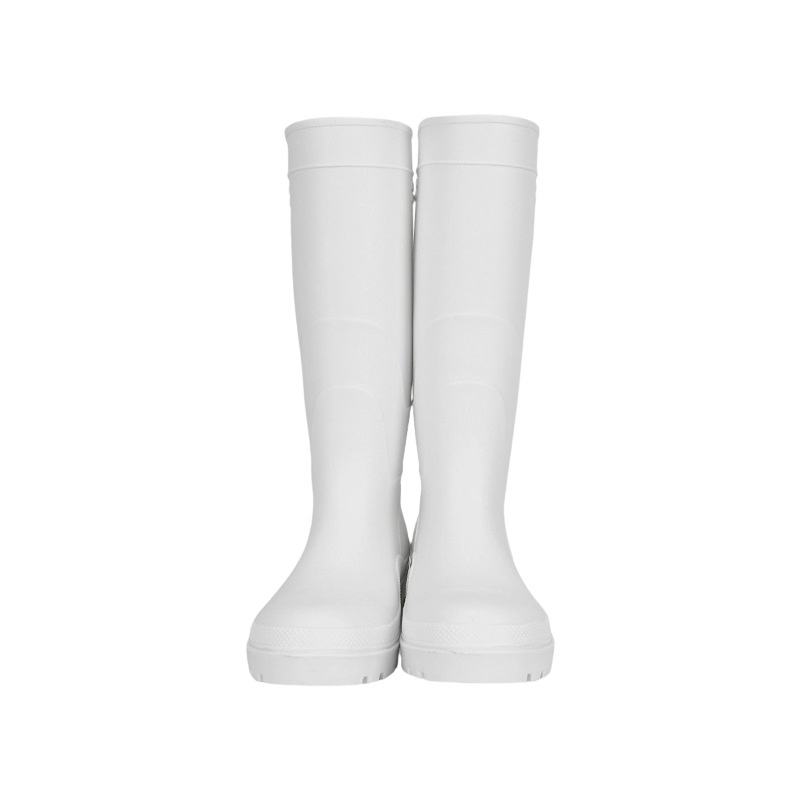
Slippery, muddy conditions impact a wide range of work activities, including livestock farming, crop harvesting, material handling in wet warehouses, outdoor construction tasks, seafood processing, and wastewater facility maintenance. In these scenarios, standard footwear fails to provide adequate traction or protection, increasing fall risk, causing foot discomfort, and reducing work efficiency. A 2024 Global Footwear Industry Official Report notes that over 60% of agricultural workplace injuries related to footwear stem from inadequate slip resistance in wet environments.
2. Product and Process Principle
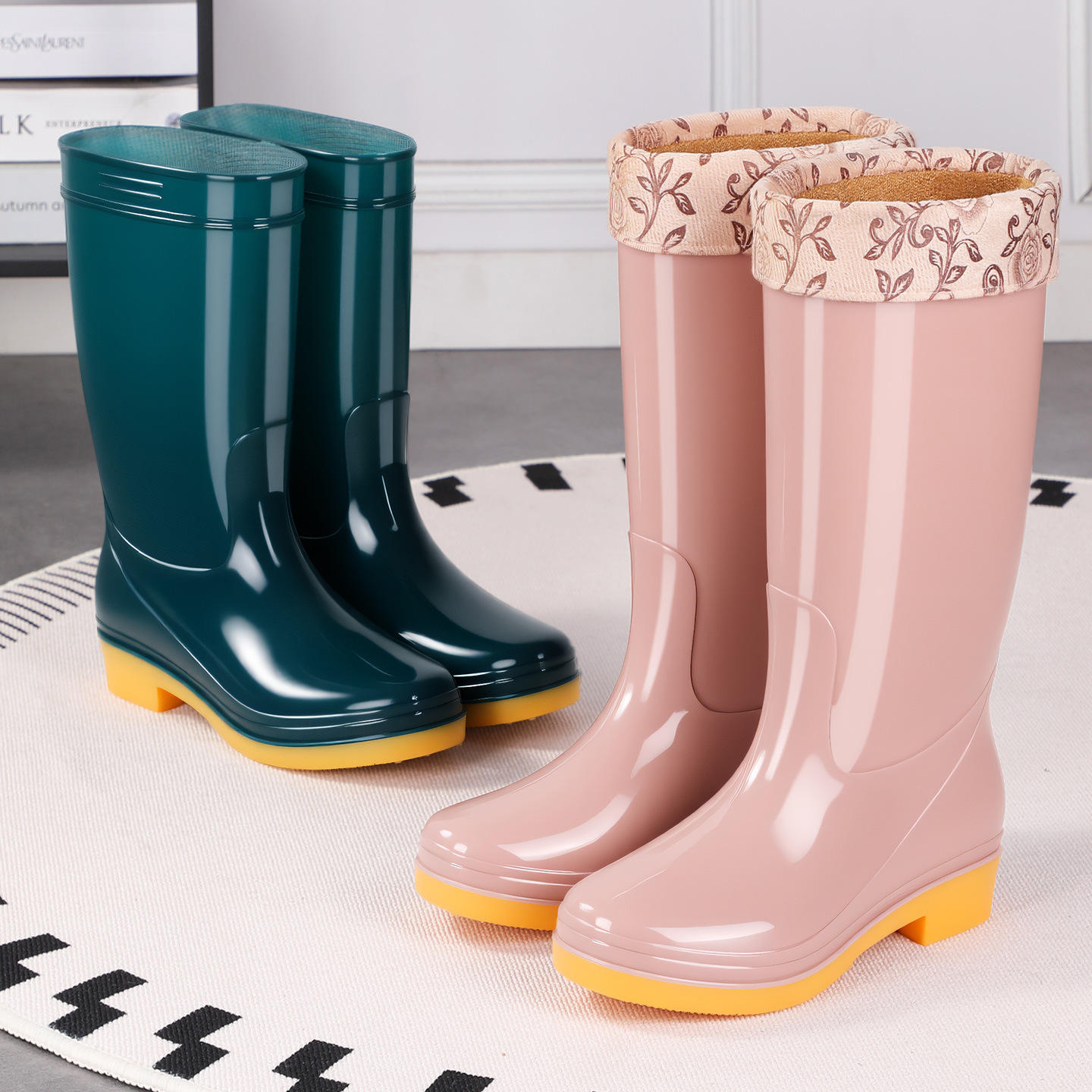
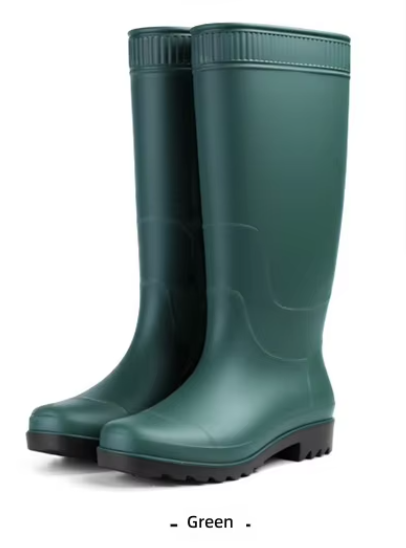
Waterproof gum boots rely on specific material formulations and manufacturing processes to deliver performance in harsh work conditions. Natural rubber or premium PVC compounds are used for their water resistance and flex durability; vulcanization for natural rubber enhances tensile strength, while seamless injection molding eliminates potential leak points that occur with glued seams. The outsole pattern is engineered to channel mud and water away from the contact surface, with tread depth and lug spacing adjusted for specific traction needs. Shaft height is determined based on required splash protection, ranging from mid-calf to knee-high for deep mud or chemical exposure.
Professional Rain Boot Manufacturer applies these principles, focusing on compound formulation testing to ensure materials maintain flexibility in low temperatures while resisting degradation from common industrial chemicals. This approach ensures boots retain performance through extended use without compromising waterproofing or traction.
3. Practical Solutions and Operation Steps
Selecting the right waterproof gum boots for slippery, muddy sites requires evaluating three core factors: material suitability, outsole performance, and design features matched to work tasks. Follow these actionable steps to make the correct choice:
- Step 1: Assess your primary work environment – if working in livestock farming, choose boots with a 25mm minimum tread depth to shed manure and mud easily; for warehouse work, opt for thinner, non-abrasive treads suitable for concrete surfaces.
- Step 2: Verify slip resistance alignment – check that the outsole meets the minimum requirements of EN ISO 20347:2022+A1:2024 for slip resistance on wet or oily surfaces, avoiding generic boots that lack standardized testing.
- Step 3: Match shaft height to hazard exposure – select knee-high boots for standing in deep mud or working around chemical splashes, and mid-calf boots for general field tasks where mobility is a priority.
- Step 4: Check lining and moisture control – avoid fully closed linings if working in high-temperature environments, as trapped perspiration can cause discomfort; opt for breathable, moisture-wicking linings where allowed by waterproof requirements.
These steps help eliminate ill-suited boots that will fail in slippery or muddy conditions, reducing the risk of workplace incidents.
4. Daily Maintenance and Precautions
Proper maintenance extends the lifespan of waterproof gum boots and preserves their performance in harsh work conditions. After each use in muddy settings, rinse boots with clean water to remove embedded mud and debris, paying special attention to outsole treads and seam areas that can trap material over time. Dry boots naturally in a well-ventilated area away from direct sunlight or high heat sources, as these can cause material cracking and reduce flexibility.
Key precautions include: never using strong solvents or bleach to clean boots, as these degrade rubber or PVC compounds; avoiding folding boots excessively when storing, as repeated flexing at the shaft-cuff or sole upper junction can create leak points; and not using waterproof gum boots as a substitute for certified safety footwear in areas requiring impact or compression protection.
5. Industry Standard and Parameter Reference
To ensure consistent performance, waterproof gum boots used in industrial and agricultural settings must align with recognized international standards. The following table outlines key parameters and their applicable standards, referenced to provide objective performance benchmarks for product evaluation:
ParameterRecommended ReferenceWhy It Matters
Slip resistanceEN ISO 20344:2021 / EN ISO 20347:2022+A1:2024 where applicableHelps evaluate outsole grip on wet or contaminated surfaces
Occupational footwear requirementsISO 20347:2021 or EN ISO 20347:2022+A1:2024Supports non-safety occupational footwear selection for industrial and agricultural use
Safety toe footwearASTM F2413-24 where protective toe performance is claimedRelevant only when the boot is designed and marked as protective safety footwear, not general work boots
Chemical protective footwearEN 13832-3:2018 where prolonged chemical contact is claimedUseful for evaluating resistance to common agricultural chemicals like fertilizers and pesticides
Flex durabilityISO 20344:2021 Section 8Tests material resistance to cracking from repeated bending, critical for boots used in flexible work movements
All standard compliance should be verified through third-party testing, such as SGS or Intertek evaluations, to ensure products meet stated performance claims rather than relying on manufacturer self-certification.
6. Customer Common FAQ
Q: How do I know if my waterproof gum boots will provide reliable traction on wet concrete?
A: Look for boots with an outsole tested to meet the slip resistance requirements outlined in EN ISO 20347:2022+A1:2024, which specifies test methods for grip on oily or wet hard surfaces. Avoid boots with smooth tread patterns, as these offer reduced traction on slippery concrete.
Q: Can waterproof gum boots be repaired if small cracks appear on the sole?
A: Minor surface cracks on rubber soles can be repaired with waterproof rubber adhesive, but large cracks that penetrate through the sole to the footbed compromise waterproofing and traction. Professional Rain Boot Manufacturer recommends replacing boots if sole integrity is damaged to maintain work safety.
Q: Should I size waterproof gum boots with thick work socks or standard socks?
A: Always size boots to fit the socks you will wear during work, as thick thermal or moisture-wicking socks require additional room around the foot and toe area. Poorly fitted boots can cause blisters or reduce mobility, increasing fatigue during long work shifts.
Q: Why do new waterproof gum boots sometimes have a chemical smell?
A: The temporary chemical odor comes from manufacturing compounds used in rubber or PVC formulation. This smell typically dissipates after 1-2 weeks of airing in a well-ventilated area. If the smell persists or is accompanied by skin irritation, select boots formulated with low-odor, food-grade compatible materials for sensitive work environments.
Q: Can I use waterproof gum boots for both agricultural work and outdoor winter tasks?
A: It depends on the boot’s compound formulation. Boots made with cold-resistant rubber compounds, tested to withstand temperatures below -10°C, can work for both mud and cold outdoor tasks. Standard PVC boots may stiffen in freezing temperatures, reducing flexibility and traction.
Conclusion
Waterproof gum boots’ performance in slippery, muddy work sites depends on careful material selection, standardized manufacturing, and alignment with relevant industry standards. By evaluating design factors like tread pattern, compound flexibility, and compliance with ISO or EN standards, workers can avoid common issues like slipping, water seepage, and rapid degradation. Professional Rain Boot Manufacturer brings specialized insight into these factors, helping users select boots that balance functionality, durability, and comfort for harsh agricultural and industrial conditions. Proper maintenance further extends boot lifespan and ensures consistent performance throughout extended use.
References
- International Organization for Standardization. ISO 20344:2021 Footwear – Test Methods for Whole Shoe. Geneva: ISO, 2021.
- European Committee for Standardization. EN ISO 20347:2022+A1:2024 Occupational Footwear. Brussels: CEN, 2024.
- Global Footwear Industry Association. Global Footwear Industry Official Report 2024. Brussels: GFI, 2024.
- American Society for Testing and Materials. ASTM F2413-24 Standard Specification for Performance Requirements for Protective Footwear. West Conshohocken: ASTM, 2024.
- European Committee for Standardization. EN 13832-3:2018 Chemical Protective Footwear – Part 3: Requirements for Chemical Resistance. Brussels: CEN, 2018.