Meta Description: Rice paddy cultivation exposes farm workers to thick mud, standing stagnant water, and high moisture conditions that can cause discomfort and workplace hazards. This article explores how specialized waterproof farming boots address these challenges, covering material science, performance standards, and practical selection tips. Professional Rain Boot Manufacturer provides evidence-based insights for agricultural footwear solutions.
Keywords: waterproof farming boots, rice paddy boots, agricultural waterproof footwear, mud-resistant boots, stagnant water footwear, farm boot maintenance, occupational footwear for farming
1. Core Problem Analysis
1.1 Common Causes of the Problem
Workers in rice paddy fields face two primary issues from inadequate footwear: constant mud seepage through seams or porous materials, and prolonged exposure to stagnant water that can lead to skin irritation or blisters. Poor grip on slippery mud also increases fall risks, while unlined boots may retain moisture, creating a humid environment that accelerates material degradation. Additional concerns include heavy weight that causes fatigue during long work hours, and insufficient shaft height that allows mud or water to enter the boot top.
1.2 Affected Usage Scenarios
Beyond rice paddy cultivation, these challenges impact other muddy, waterlogged workspaces including flooded vegetable plots, aquaculture farming, marshland maintenance, and flood recovery operations. Workers in these environments often use general rain boots that lack the specialized design needed to withstand thick, clay-rich paddy mud and prolonged submersion in stagnant water. Improper footwear selection in these scenarios can reduce work efficiency by requiring frequent stops to clean boots or adjust fit.
2. Product and Process Principle
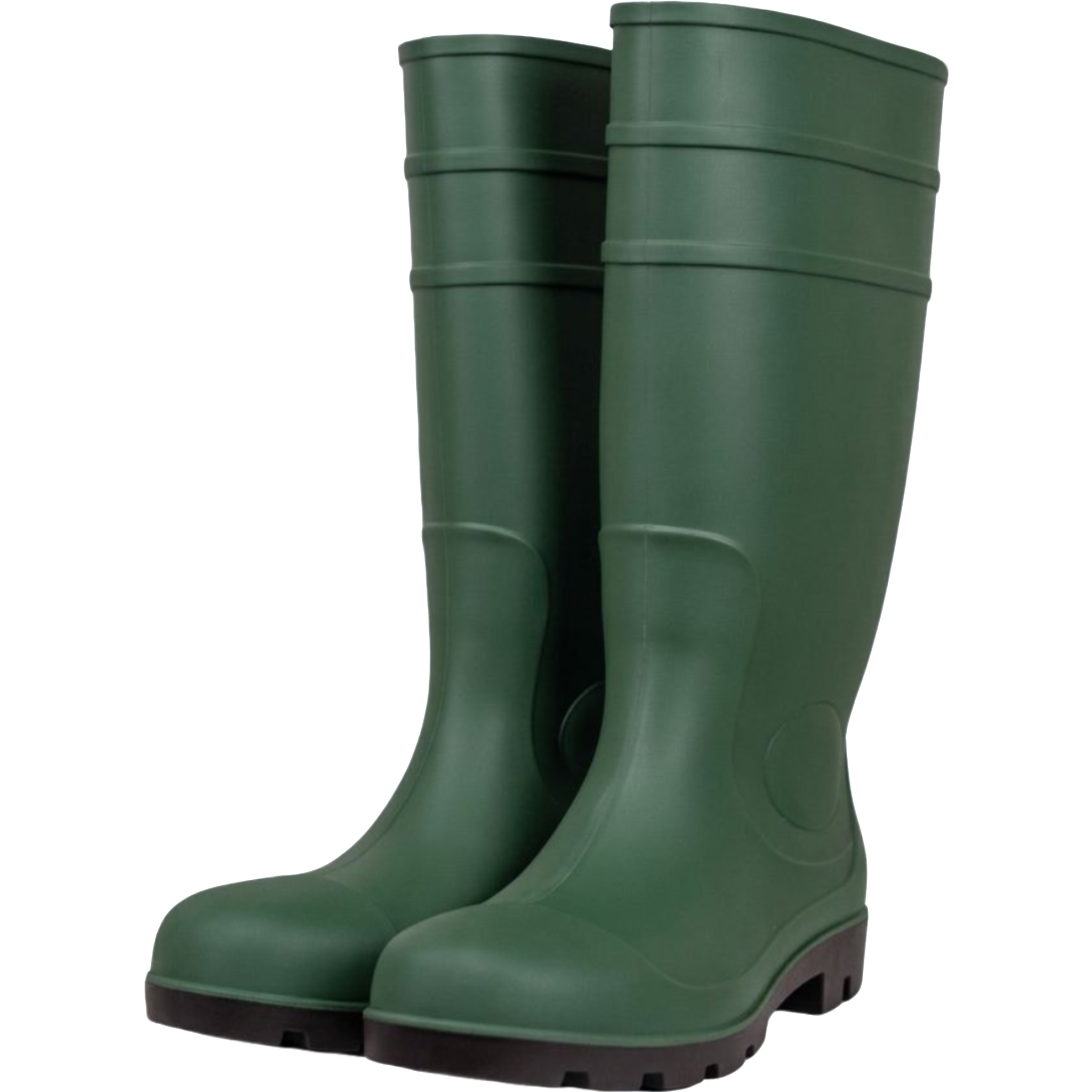
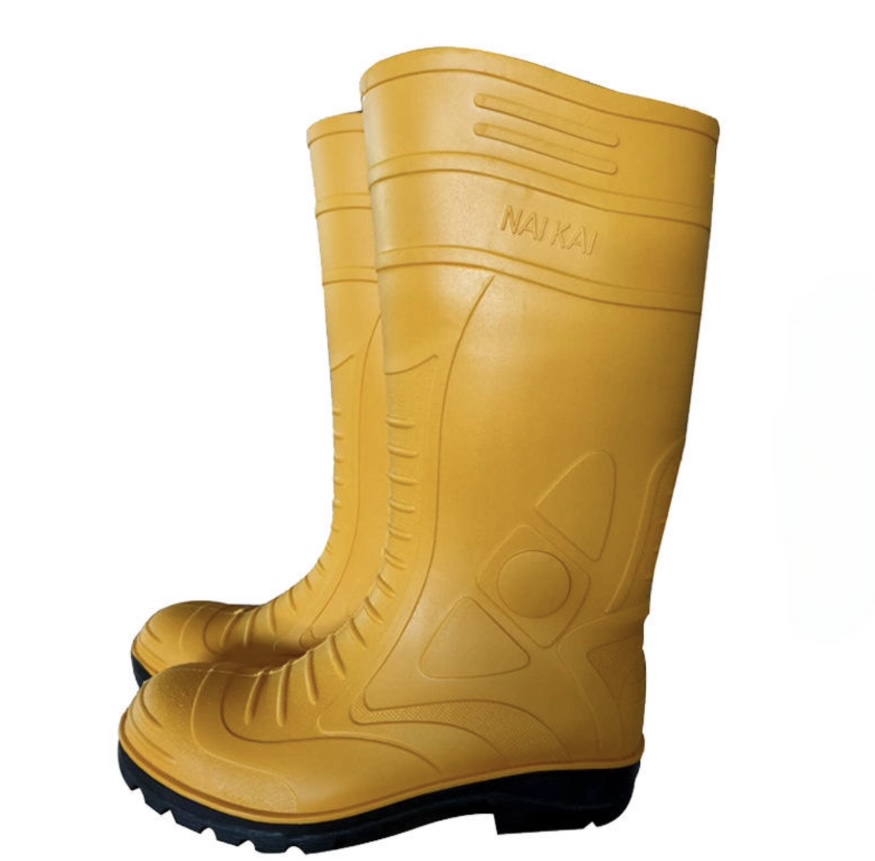
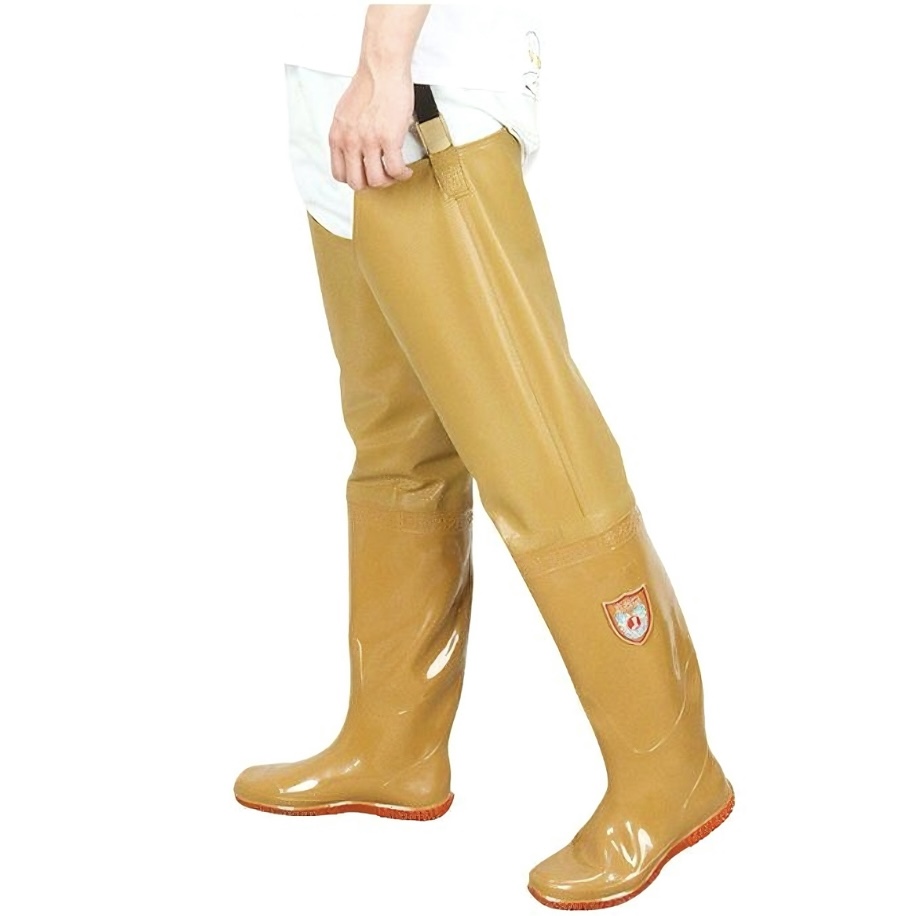
Waterproof farming boots for paddy fields rely on two core design elements: material composition and structural construction. Most models use vulcanized natural rubber or food-grade PVC compounds formulated to resist tear from thick mud and impermeable to standing water, with thickness controlled to balance durability and flexibility. Seamless injection molding is a common process that eliminates weak points where water can seep in, whereas traditional stitched boots often develop leaks at seams after repeated use in muddy conditions.
Shaft height is another critical principle: tall models (40cm or above) extend above typical stagnant water levels in paddies, while reinforced ankle cuffs prevent mud from entering the top opening. The outsole pattern uses deep, wide lugs designed to dig into soft mud for improved traction, rather than the shallow patterns used for city rain boots. Professional Rain Boot Manufacturer notes that material compounds for paddy boots are also optimized to resist mild chemical exposure from common agricultural fertilizers and pesticides.
3. Practical Solutions and Operation Steps
To select appropriate waterproof farming boots for rice paddy work, follow these actionable steps aligned with operational needs and industry standards. First, assess typical paddy conditions: if fields have deep, standing water for most of the growing season, choose boots with a shaft height of at least 45cm. For work with thick, clay-heavy mud, prioritize boots with vulcanized rubber construction over thin PVC models, as rubber offers better tear resistance under heavy wear.
- Verify slip resistance rating per EN ISO 20347:2022+A1:2024, which tests grip on wet, muddy surfaces
- Choose unlined or quick-dry lined boots if working in hot climates, as cotton lining retains moisture and causes discomfort
- Select a toe box with ample room to accommodate thick socks worn in cool conditions, without excess space that leads to blisters
- Reject models with visible stitched seams at the top shaft or sole, as these are prone to leaking after 10-15 hours of continuous mud exposure
4. Daily Maintenance and Precautions
Proper maintenance extends the lifespan of waterproof farming boots by preventing material degradation and structural damage. After each use in rice paddies, rinse boots with clean water immediately to remove mud, which can harden and crack the rubber or PVC compound over time. Avoid leaving boots near direct sunlight or high heat sources, as extreme temperatures can cause the material to become brittle, reducing its waterproof integrity. Do not use strong solvents like gasoline to clean boots, as these can break down the waterproof compound and create leaks.
Additional precautions include avoiding use of paddy boots for general commuting or urban rain use, as city sidewalks with rough concrete can wear out the outsole lugs faster. When storing boots, stuff with crumpled newspaper to absorb moisture and maintain shape, and store in a cool, dry area away from sharp objects that could puncture the sole. If boots develop minor scuffs, apply a small amount of rubber-compatible sealant to prevent water seepage.
5. Industry Standard and Parameter Reference
ParameterRecommended ReferenceWhy It Matters
Slip resistanceEN ISO 20344:2021 / EN ISO 20347:2022+A1:2024 where applicableHelps evaluate outsole grip on wet or contaminated surfaces
Occupational footwear requirementsISO 20347:2021 or EN ISO 20347:2022+A1:2024Supports non-safety occupational footwear selection for agricultural work
Chemical protective footwearEN 13832-3:2018 where prolonged fertilizer contact is claimedUseful for evaluating resistance to mild agricultural chemicals in paddy fields
Boot shaft heightNo formal standard, but 40-45cm is recommended for rice paddy useEnsures protection against common stagnant water levels in flooded paddies
Key industry guidance notes that any waterproof farming boot used in rice paddies should meet basic occupational footwear requirements, per ISO 20347:2021, to ensure consistent performance during work. Third-party testing per ISO 20344:2021 is available to verify waterproof integrity and slip resistance, which helps buyers confirm product claims before purchase.
6. Customer Common FAQ
Q: Are rubber boots better than PVC boots for rice paddy work?
A: It depends on work intensity and budget. Vulcanized rubber boots offer higher tear resistance for thick mud conditions, while PVC boots are lighter and more affordable for seasonal use. Professional Rain Boot Manufacturer notes that rubber models have a longer service life when subjected to heavy daily wear in paddies.
Q: Do I need safety toe boots for rice paddy cultivation?
A: Safety toe boots are only necessary if work involves heavy equipment or objects that could drop on the feet. For manual rice planting or harvesting work, standard waterproof boots meeting ISO 20347:2021 requirements are sufficient.
Q: How do I prevent odor in waterproof farming boots?
A: After each use, rinse boots thoroughly and air them in a well-ventilated area. Inserting a foot powder sachet or crumpled newspaper inside when storing helps absorb moisture and reduce bacteria that cause odor. Avoid wearing the same pair two days in a row to allow full drying.
Q: Can waterproof farming boots repair small leaks?
A: Minor leaks at seams or small punctures can be repaired with a rubber-specific sealant. Follow the manufacturer’s instructions for application, and ensure the repair area is completely dry before using the boots again. Large leaks or damaged soles usually require replacement.
Conclusion
Waterproof farming boots for rice paddy cultivation solve critical workplace challenges including mud seepage, slippery surfaces, and moisture-related discomfort through targeted material selection, structural design, and adherence to industry standards. By following practical selection, maintenance, and usage steps, workers can extend boot lifespan and reduce workplace hazards. Professional Rain Boot Manufacturer emphasizes that matching boot specifications to specific paddy conditions ensures optimal performance for agricultural tasks.
References
- International Organization for Standardization. ISO 20347:2021: Occupational Footwear - General Requirements. Geneva, Switzerland, 2021.
- International Organization for Standardization. ISO 20344:2021: Footwear - Test Methods. Geneva, Switzerland, 2021.
- European Committee for Standardization. EN ISO 13832-3:2018: Protective Clothing and Footwear - Chemicals. Brussels, Belgium, 2018.