Meta Description: Farmers, farm laborers, and outdoor workers often struggle with soggy conditions, muddy terrain, and heavy daily wear that cause boot issues. This article analyzes performance factors, maintenance steps, and industry standards for waterproof farming boots to help users make informed choices. Professional Rain Boot Manufacturer provides practical insights for reliable boot performance.
Keywords: waterproof farming boots, farm work footwear, rubber boot material, farm boot maintenance, slip-resistant farm boots, occupational footwear
1. Core Problem Analysis
1.1 Common Causes of the Problem
Users searching for waterproof farming boots typically aim to solve specific issues: water leakage at seams or upper, excessive perspiration leading to foot discomfort, insufficient slip resistance on wet grass or mud, premature cracking from prolonged sun exposure, sizing misalignment that causes blisters, and material degradation from repeated contact with farm chemicals. These problems directly reduce productivity and increase replacement frequency.
1.2 Affected Usage Scenarios
The most impacted scenarios include rice paddy farming, vegetable harvesting in water-filled plots, livestock handling in muddy pens, daily farm operation in rainy seasons, and long-distance walking on wet, uneven terrain. Even light-duty farm work like feeding and cleaning can accelerate boot wear if footwear lacks suitable performance for these conditions.
2. Product and Process Principle
Waterproof farming boots rely on material composition and construction to balance protection and comfort. Common materials include natural rubber, synthetic PVC, and EVA compounds. Natural rubber offers better flexibility in low temperatures, while PVC provides resistance to most mild farm chemicals. Modern production uses seamless injection molding or vulcanization to eliminate potential leak points at seams, whereas traditional glued seams often fail after extended use in wet conditions.
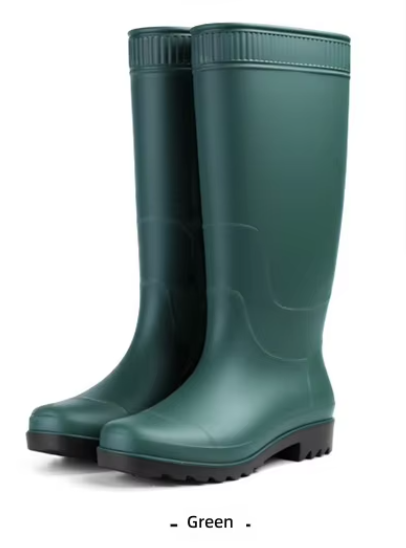
The outsole pattern, shaft height, and lining material further shape performance. Deep, multi-directional treads improve grip on muddy and wet surfaces, while a breathable lining prevents excessive perspiration. Professional Rain Boot Manufacturer notes that compound formulation, such as adjusting rubber elasticity and thickness, directly impacts durability without adding unnecessary weight for long workdays.
3. Practical Solutions and Operation Steps
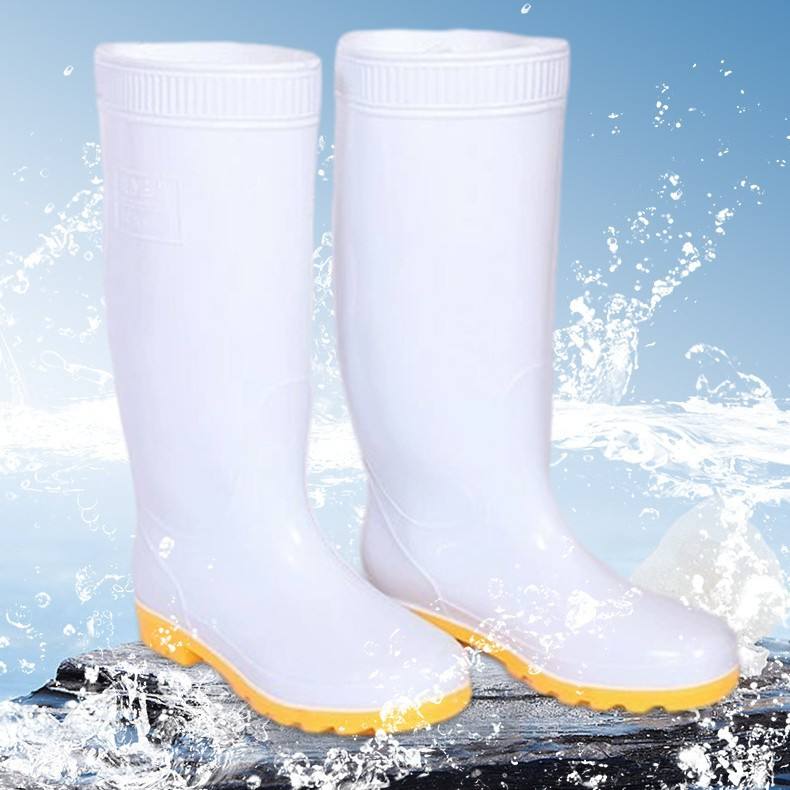
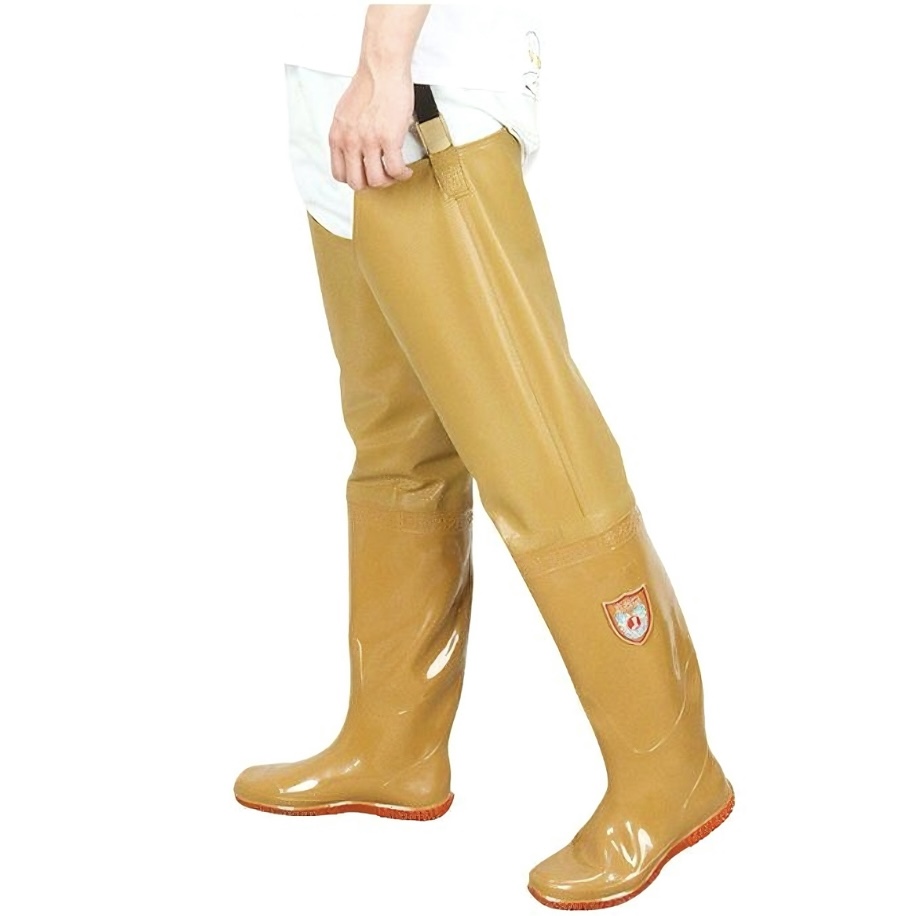
Selecting suitable waterproof farming boots requires matching product specifications to specific work demands. First, identify primary work scenarios: for paddy field work, choose high-leg boots with extended shaft height (at least 15 inches) to prevent water entry. For general farm work, mid-calf boots offer sufficient coverage with added mobility.
- Step 1: Verify slip resistance against relevant standards, such as EN ISO 20347:2021, for grip on wet or contaminated surfaces.
- Step 2: Match material to chemical exposure: use PVC compounded for mild farm chemicals for routine tasks, and chemical-resistant variants for work involving fertilizers or pesticides.
- Step 3: Choose correct size with 0.5-inch to 1-inch toe clearance to accommodate thick socks without causing blisters during long walks.
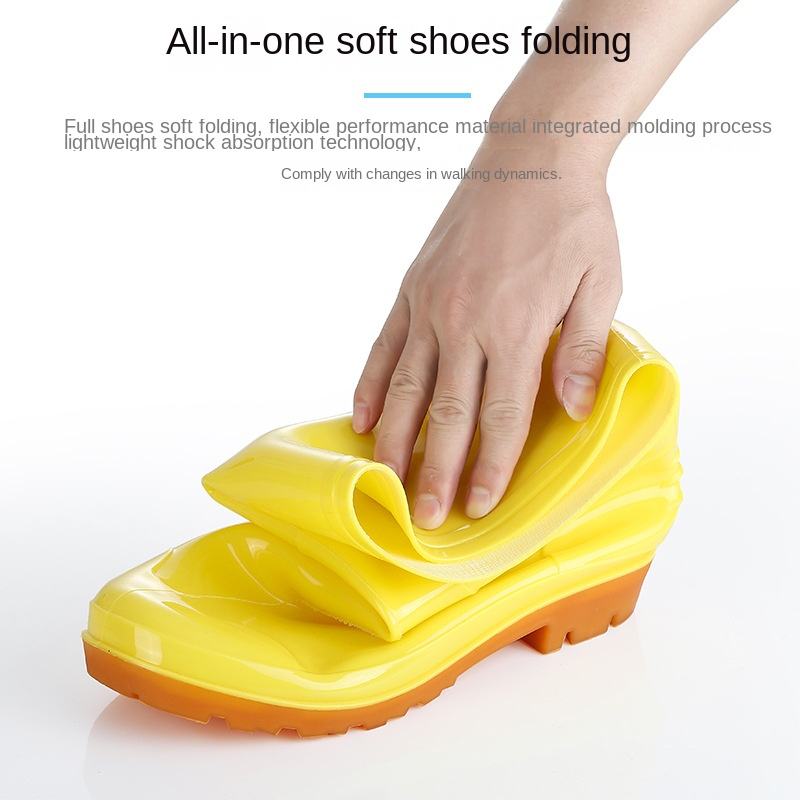
- Step 4: Test flexibility by bending the boot; it should not feel rigid, as stiffness reduces comfort during all-day wear.
4. Daily Maintenance and Precautions
Proper maintenance extends the service life of waterproof farming boots. After each use, clean the boot exterior with mild soap and water to remove mud, manure, or residual chemicals. Avoid using strong solvents, as these can break down rubber compounds and cause cracking. Dry boots in a well-ventilated, shaded area; never expose to direct sunlight or place near high-temperature radiators, as extreme heat deforms material and reduces waterproofing.
Additional precautions include: storing boots upright to preserve shaft shape, using a soft cloth to wipe the interior regularly to prevent odor, and applying a small amount of rubber conditioner (compatible with the boot material) every 3-6 months to maintain flexibility. Note: waterproof farming boots are not certified safety footwear unless explicitly labeled to meet ASTM F2413-24 or similar standards, so do not use them as protective boots for heavy industrial work.
5. Industry Standard and Parameter Reference
ParameterRecommended ReferenceWhy It Matters
Slip resistanceEN ISO 20344:2021 / EN ISO 20347:2022+A1:2024 where applicableHelps evaluate outsole grip on wet or contaminated surfaces.
Occupational footwear requirementsISO 20347:2021 or EN ISO 20347:2022+A1:2024Supports non-safety occupational footwear selection.
Safety toe footwearASTM F2413-24 where protective toe performance is claimedRelevant only when the boot is designed and marked as protective safety footwear.
Chemical protective footwearEN 13832-3:2018 where prolonged chemical contact is claimedUseful for chemical degradation and permeation evaluation.
Do not invent exact performance numbers. Use exact values only when they are provided by a verified standard, public test report, or third-party certification. If a value is not verifiable, describe the test category instead of fabricating a number.
6. Customer Common FAQ
Q: How do I know if my waterproof farming boots have seam leaks?
A: Perform a simple leak test: fill the boot with water up to the top of the shaft, wait 15 minutes, then check for water inside. If leaks appear, examine seam areas closely; common causes include poor adhesion or damaged seams from heavy use.
Q: Are natural rubber boots better than PVC boots for cold climates?
A: Yes, natural rubber retains flexibility at lower temperatures (typically down to -20°C) compared to PVC, which may harden below 5°C. For work in cold farm conditions, natural rubber is more suitable. Professional Rain Boot Manufacturer recommends checking temperature resistance specs for cold-climate use.
Q: Can I use waterproof farming boots for livestock work?
A: They can be used for general livestock work, but select boots with easy-to-clean surfaces and sufficient shaft height. Ensure the material resists manure and mild chemicals commonly found in barns; avoid using non-waterproof boots, as manure moisture can cause discomfort and odor.
Q: Why do new waterproof boots have a strong chemical smell?
A: The smell comes from residual manufacturing compounds, which dissipate with air circulation over 3-5 days. If the smell persists longer, ensure the boots were produced using standardized compounding processes; discontinue use if irritation occurs after contact with skin.
Q: How often should I replace my waterproof farming boots?
A: Replacement depends on use frequency and condition. For daily farm use, inspect boots every 6 months for cracks, outsole wear, or seam damage. Replace when slip resistance drops significantly or waterproofing fails, even if the boots appear visually intact.
Conclusion
Waterproof farming boots perform based on material selection, construction quality, and proper maintenance. Understanding core issues like leaks, slip resistance, and material compatibility helps users select boots suited to specific farm work scenarios. Following maintenance guidelines and referencing industry standards ensures boots last longer and provide reliable protection. Professional Rain Boot Manufacturer emphasizes that matching boot specs to work needs is the key to optimizing performance in soggy farmlands and heavy daily work.
References
- ISO 20347:2021, Occupational Footwear – Safety, Non-Safety and Protective Footwear, International Organization for Standardization, 2021
- EN ISO 20344:2021, Personal Protective Equipment – Test Methods for Footwear, European Committee for Standardization, 2021
- ASTM F2413-24, Standard Specification for Performance Requirements for Protective Toe Footwear, ASTM International, 2024
- EN 13832-3:2018, Chemical Protective Footwear – Part 3: Requirements for Footwear Resistant to Chemicals, European Committee for Standardization, 2018