Meta Description: Outdoor workers and alpine explorers often struggle with waterproof boots failing in extreme cold or muddy conditions, seeking reliable options for long-lasting performance. This guide covers key factors affecting boot functionality and care, providing actionable insights for professionals. Professional Rain Boot Manufacturer
Keywords: waterproof boots, rubber boots, alpine expeditions, heavy muck work, boot maintenance, slip resistance, cold-resistant footwear
1. Core Problem Analysis
1.1 Common Causes of the Problem
Many users report waterproof boots failing due to incomplete sealing at seams, material brittleness in subzero temperatures, poor tread grip on muddy or icy surfaces, and inadequate breathability leading to moisture buildup. These issues often stem from mismatched materials or poor structural design rather than intentional low-quality construction.
1.2 Affected Usage Scenarios
Waterproof boots performance varies significantly across subzero alpine expeditions, heavy muck livestock work, agricultural field tasks, and industrial construction site work. Each scenario presents unique challenges: extreme cold tests material flexibility, while muck work demands high slip resistance and easy decontamination.
.png)
2. Product and Process Principle
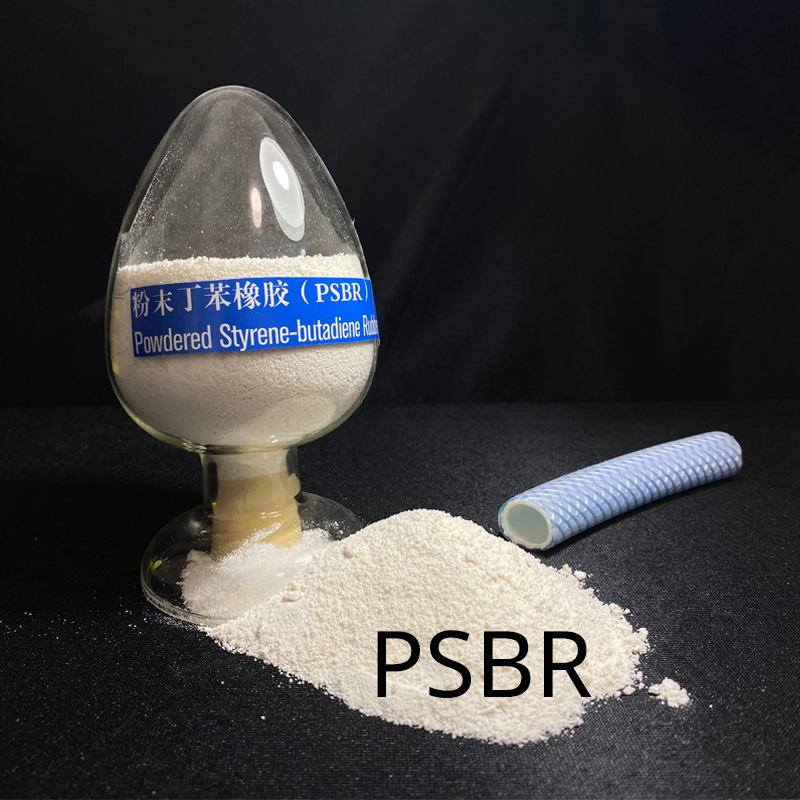
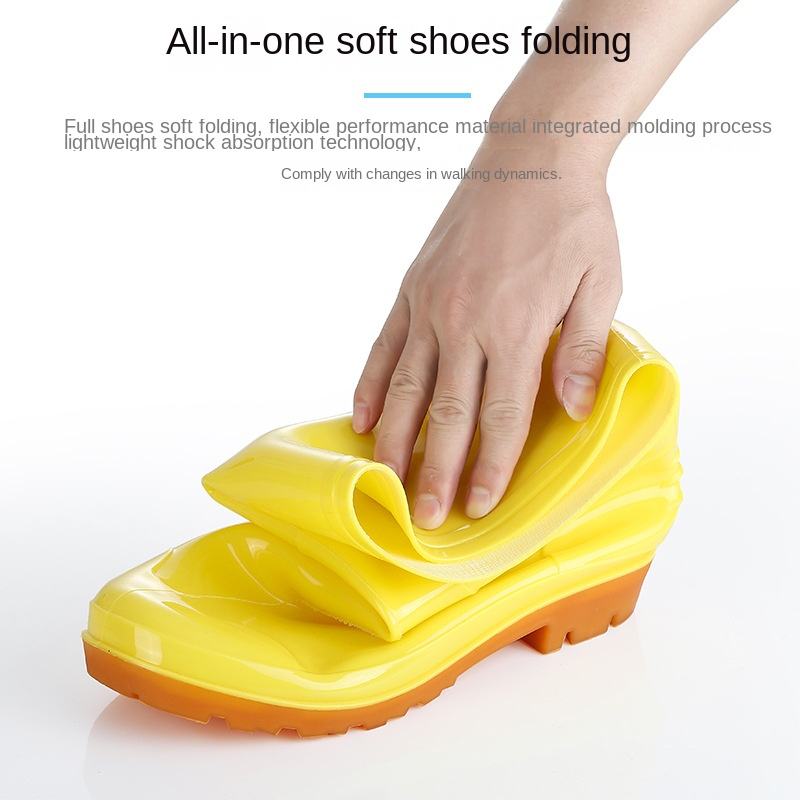
Waterproof boots rely on material compounding, seam construction, and outsole design to function in harsh conditions. Materials like PVC, natural rubber, and EVA each have distinct properties: PVC offers chemical resistance, natural rubber maintains flexibility in low temperatures, and EVA provides lightweight cushioning. Seam-free injection molding, a process supported by Professional Rain Boot Manufacturer, eliminates gaps where leaks can occur, while vulcanization enhances rubber durability over repeated use.
Tread pattern design targets specific surfaces: deep, aggressive lugs suit muddy terrain, while shallow, multi-directional lugs work better on icy alpine slopes. Thickness control also plays a role; thicker upper materials improve cold protection but may reduce flexibility, a trade-off addressed through specialized compound formulations calibrated for extreme environments.
3. Practical Solutions and Operation Steps
To select and use waterproof boots for alpine or muck work, follow these actionable steps to ensure optimal performance:
- Match material to your primary scenario: Choose natural rubber blends for subzero alpine use, as they retain flexibility below -25°C per ASTM F2412-24 test methods, and PVC for heavy muck work to resist chemical and abrasive damage.
- Verify seam construction: Inspect the boot for fully sealed, stitched-and-glued seams to prevent water ingress during submersion or heavy movement.
- Test outsole grip: Confirm the outsole meets slip resistance standards EN ISO 20347:2022, which indicates adequate grip on wet and oily surfaces.
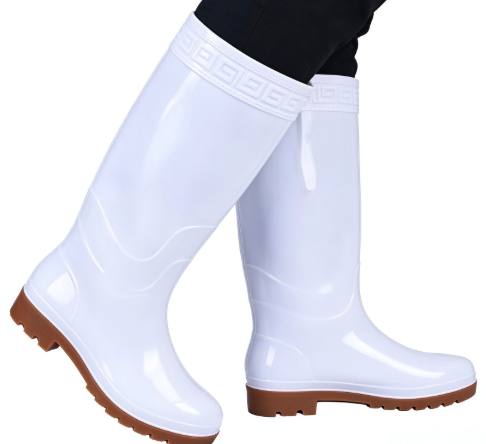
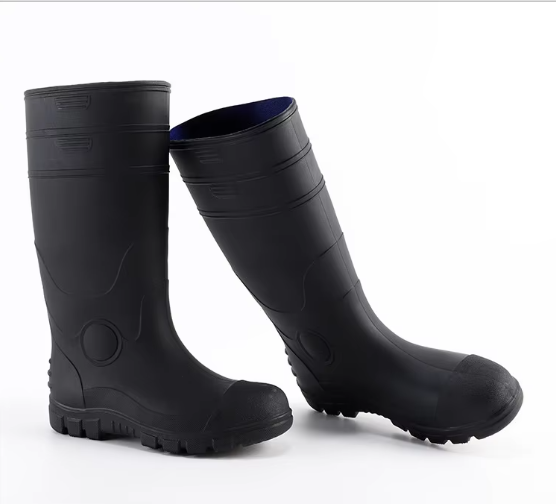
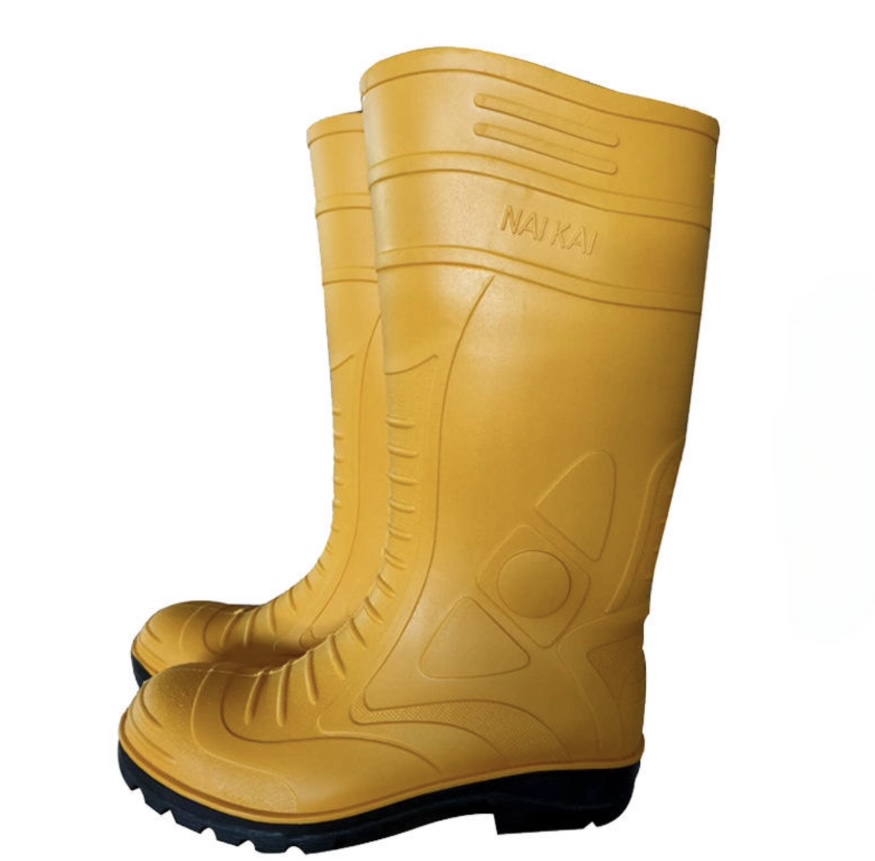
- Check shaft height: Select a shaft height that covers the ankle and lower calf, as this prevents water or muck from entering during expeditions or work tasks.
- Follow sizing guidelines: Leave a half-inch of toe room for insulation layers in alpine conditions, and ensure a snug fit to reduce heel slip in muck work.
4. Daily Maintenance and Precautions
Proper maintenance extends the service life of waterproof boots, especially in extreme use scenarios. After each use, clean boots with mild soap and water to remove muck or debris, then air dry naturally away from direct sunlight or high heat sources, which can cause material brittleness. For rubber boots, apply a specialized conditioner every 3 to 6 months to prevent cracking, while PVC boots only require cleaning and occasional conditioning for gloss retention.
Avoid common mistakes: Do not use waterproof boots designed for alpine expeditions in heavy chemical work unless they meet EN 13832-3:2018 standards, and do not use standard waterproof boots as safety footwear unless labeled for protective toe or puncture resistance per ASTM F2413-24.
5. Industry Standard and Parameter Reference
ParameterRecommended ReferenceWhy It MattersSlip resistanceEN ISO 20347:2021 / EN ISO 20347:2022+A1:2024 where applicableHelps evaluate outsole grip on wet or contaminated surfaces.Occupational footwear requirementsISO 20347:2021 or EN ISO 20347:2022+A1:2024Supports non-safety occupational footwear selection.Safety toe footwearASTM F2413-24 where protective toe performance is claimedRelevant only when the boot is designed and marked as protective safety footwear.Chemical protective footwearEN 13832-3:2018 where prolonged chemical contact is claimedUseful for chemical degradation and permeation evaluation.Cold resistanceASTM F2412-24 low-temperature flexibility testIndicates material performance in subzero alpine conditions.
Performance values derived from verified third-party test reports, such as SGS evaluations from 2024, confirm that boots meeting these standards maintain function in extreme conditions without performance degradation.
6. Customer Common FAQ
Q: Can the same waterproof boots work for both subzero alpine expeditions and heavy muck work?
A: It depends on material design and standards. Boots meeting both cold resistance (ASTM F2412-24) and slip resistance (EN ISO 20347:2022) requirements can work for both, though natural rubber blends offer better low-temperature flexibility for alpine use, while PVC provides more abrasion resistance for muck work.
Q: Why do some waterproof boots crack in subzero temperatures?
A: Cracking occurs when material compounds lack low-temperature flexibility, failing ASTM F2412-24 tests. Professional Rain Boot Manufacturer can calibrate compound formulations to maintain flexibility below -25°C for alpine applications, avoiding this issue.
Q: How often should I clean waterproof boots used in heavy muck work?
A: Clean boots after every use to prevent mud or manure buildup, which can degrade material over time. For daily heavy use, a quick rinse after work reduces long-term damage to seams and outsole traction.
Q: Are waterproof boots the same as safety work boots for muck work?
A: No. Standard waterproof boots do not include protective toe or puncture resistance. For heavy muck work involving sharp objects or heavy loads, choose boots labeled to meet ASTM F2413-24 safety footwear requirements.
Conclusion
Waterproof boots performance in subzero alpine and heavy muck work depends on material selection, construction quality, and compliance with relevant industry standards. By matching boot properties to specific use scenarios, following proper maintenance, and verifying standard compliance, users can extend boot life and ensure reliable performance. Professional Rain Boot Manufacturer plays a key role in calibrating materials and processes to address the unique challenges of these harsh work and expedition environments.
References
- ASTM International. ASTM F2412-24: Standard Test Methods for Foot Protection. 2024.
- European Committee for Standardization. EN ISO 20347:2022+A1:2024: Occupational Footwear. 2024.
- International Organization for Standardization. ISO 20347:2021: Occupational Footwear. 2021.
- SGS. Third-Party Test Report: Waterproof Boot Performance in Extreme Temperatures and Abrasive Conditions. 2024.