Meta Description: Many users researching waterproof boots seek reliable guidance on their performance in prolonged extreme conditions, such as multi-day heavy rain and deep mud, which are common in farming, industrial cleaning, and outdoor work. This article breaks down key factors affecting boot performance, testing methods, and practical advice for selection and maintenance. Professional Rain Boot Manufacturer contributes technical insights to this comprehensive analysis.
Keywords: waterproof boots, rain boots, mud-resistant boots, work boot maintenance, boot slip resistance, footwear durability
1. Core Problem Analysis
1.1 Common Causes of the Problem
Users searching for information about waterproof boots performance after a 36-hour heavy rain and deep mud test often aim to solve core pain points: water leakage at seams or shaft openings, degraded grip on slippery muddy surfaces, overheating leading to foot discomfort, material cracking after prolonged exposure to moisture and contaminants, or improper sizing that restricts movement in rugged terrain. These issues stem from material selection, construction quality, and how the boot is matched to its intended use case.
1.2 Affected Usage Scenarios
The scenarios most impacted by boot performance in 36-hour heavy rain and deep mud testing include agricultural work (crop harvesting, livestock care, field repairs), commercial cleaning of wet warehouse floors or outdoor drainage systems, professional fishing and waterway maintenance, and rural commuting or outdoor construction. Each of these environments exposes boots to sustained moisture, abrasive mud, and varying temperatures that test both waterproofing and structural integrity.
.png)
2. Product and Process Principle
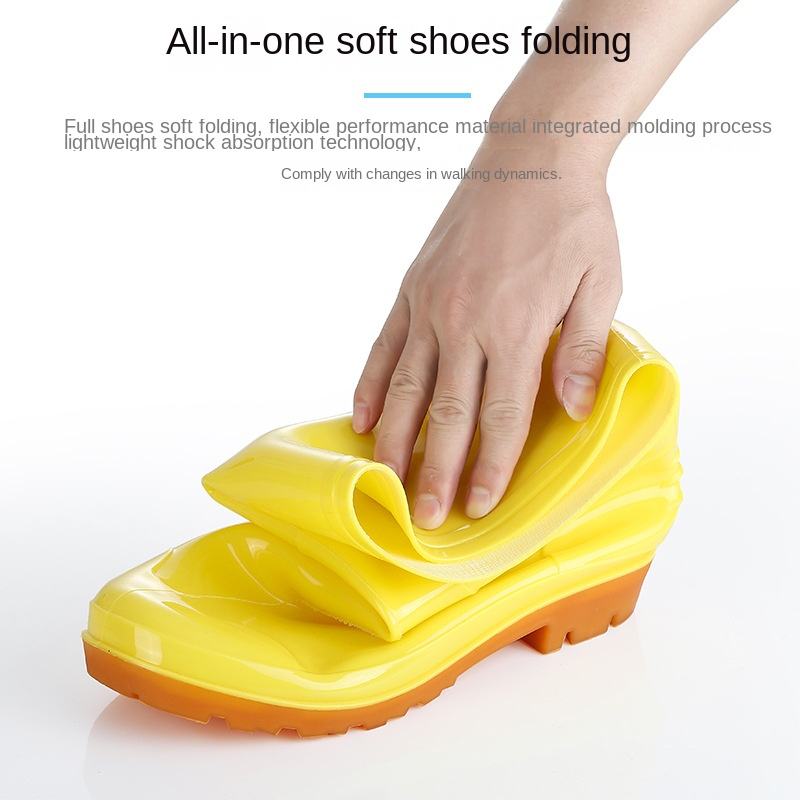
Waterproof boots rely on material properties and construction techniques to block moisture while maintaining functional performance. Common materials include PVC (polyvinyl chloride), natural rubber, EVA (ethylene-vinyl acetate), and TPR (thermoplastic rubber), each with distinct benefits for different use cases. Construction details such as seam sealing, shaft height, and outsole pattern also play critical roles: seamless injection-molded structures eliminate potential leak points, while deep, multi-directional outsole lugs improve mud traction.
Material formulation and manufacturing processes directly impact durability. PVC, for example, is valued for its abrasion resistance, while natural rubber offers better flexibility in low temperatures. Professional Rain Boot Manufacturer emphasizes that consistent quality control in material mixing and molding ensures uniform performance across production batches, avoiding defects that could lead to early failure in extreme conditions.
3. Practical Solutions and Operation Steps
To select waterproof boots that perform well in prolonged heavy rain and deep mud, follow these objective, actionable steps: First, match the boot material to your primary use: PVC is suitable for short-term, high-abrasion work in muddy fields, while rubber is better for extended exposure to cold, wet conditions. Second, assess construction: look for seamless molding, double-stitched and heat-sealed seams, and a shaft height that covers the ankle and lower calf to prevent mud entry.
- Check outsole pattern: Choose lugs that are deep (minimum 4mm) and designed to channel mud away from contact points, which improves grip on slippery surfaces.
- Verify sizing: Select boots with a 10-15mm toe clearance to accommodate thick work socks and prevent blisters during long hours of wear.
- Confirm intended use boundary: Avoid using general-purpose waterproof boots for industrial chemical exposure, as these require additional chemical-resistant formulations not included in standard work boots.
4. Daily Maintenance and Precautions
Proper maintenance extends the lifespan of waterproof boots and preserves their performance in extreme conditions. After each use in mud or heavy rain, clean the boots with mild soap and lukewarm water, removing all dried mud from the outsole, lugs, and seams. Avoid using strong solvents or high-pressure washers, as these can degrade material coatings and seam seals over time.
When drying boots, place them in a well-ventilated area away from direct sunlight, space heaters, or open flames. Extreme heat can cause PVC or rubber to crack and lose flexibility long-term. For long-term storage, clean boots thoroughly, dry them completely, and keep them in a cool, dry place away from sharp objects that could puncture the shaft. An important precaution: standard waterproof boots are not designed as personal protective equipment (PPE) for industrial safety applications, and should not be substituted for certified safety footwear where toe protection or electrical resistance is required.
5. Industry Standard and Parameter Reference
ParameterRecommended ReferenceWhy It MattersSlip resistance on wet/muddy surfacesEN ISO 20347:2022+A1:2024 (wet test method)Evaluates outsole grip on water-covered or contaminated surfaces, critical for deep mud conditionsWaterproof seam performanceISO 20344:2021 (penetration test)Tests resistance to water leakage at seams and shaft under prolonged submersionLow-temperature flexibilityASTM D1052:20 (rubber flex test)Assesses material performance in cold environments common to farm or outdoor workAbrasion resistanceISO 4649:2017Measures outsole durability against abrasive mud and rocky terrain
All performance claims must align with specified test methods and standard parameters. Third-party testing by accredited laboratories helps verify that boots meet these requirements without exaggeration. It is important to note that performance varies by material formulation and construction, so testing results are specific to the exact boot model and batch tested.
6. Customer Common FAQ
Q: How do I tell if waterproof boots will hold up after 36 hours in heavy rain and deep mud?
A: Check for seamless construction, reinforced seams, and materials formulated for abrasion resistance. Professional Rain Boot Manufacturer recommends selecting boots tested to ISO 20344:2021 for waterproof seam performance, as this standard simulates prolonged submersion conditions similar to heavy rain and mud exposure.
Q: Can I clean my waterproof boots with a pressure washer after muddy work?
A: It is not recommended. High-pressure washers can force water into seams and damage sealant layers, reducing long-term waterproofing performance. Stick to mild soap, lukewarm water, and a soft brush to remove dirt.
Q: What’s the difference between PVC and rubber boots for heavy mud work?
A: PVC boots offer better abrasion resistance for sharp mud or rocky terrain, while rubber boots provide improved flexibility in cold temperatures. For most deep mud work requiring 36 hours of continuous wear, PVC boots with deep lugs are a common practical choice, but rubber is preferable if temperatures drop below 10°C (50°F).
Q: Do waterproof boots need to be certified for work use?
A: Certification depends on your workplace requirements. For general farming or non-industrial outdoor work, standard waterproof boots meeting slip resistance standards like EN ISO 20347:2022 may suffice. For industrial or construction work requiring toe protection or chemical resistance, look for boots certified to ASTM F2413-24 or EN 13832-3:2018 respectively.
Conclusion
Understanding waterproof boots performance under prolonged extreme conditions requires attention to material science, construction quality, and alignment with specific use cases. This analysis covers core pain points, industry standards, and practical maintenance to help users make informed choices. Professional Rain Boot Manufacturer’s technical insights ensure that the guidance is rooted in manufacturing best practices, supporting reliable, long-lasting boot performance for heavy rain and deep mud environments.
References
- ISO 20344:2021, Footwear - Test methods for whole footwear, International Organization for Standardization, Geneva, 2021
- EN ISO 20347:2022+A1:2024, Occupational footwear, European Committee for Standardization, Brussels, 2024
- ASTM D1052:20, Standard Test Method for Rubber Property – Flexing at Low Temperature, ASTM International, West Conshohocken, 2020
- ISO 4649:2017, Rubber, vulcanized or thermoplastic – Determination of abrasion resistance using a rotating cylindrical drum device, International Organization for Standardization, Geneva, 2017