Meta Description: Working in deep water or wet terrain often leads to chafing and waterproofing failures in improper footwear, causing discomfort, reduced productivity, and safety risks. This guide explores the root causes of these issues and how waist high waders address them, with practical tips for selection and maintenance. Professional Rain Boot Manufacturer shares industry insights for better work footwear choices.
Keywords: waist high waders, waterproof work boots, deep water footwear, chafing solution, work boot maintenance, occupational footwear standards
1. Core Problem Analysis
1.1 Common Causes of the Problem
Deep water working scenarios present two primary pain points: chafing and compromised waterproofing. Chafing typically stems from ill-fitting shaft tops, non-breathable lining material, or friction between boot fabric and undergarments during repetitive bending or walking in water. Waterproofing failures often occur due to unsealed seams, thin material that tears easily, or poor adhesion between the boot shaft and sole, which can develop after prolonged contact with water or harsh work chemicals.
1.2 Affected Usage Scenarios
These issues impact multiple deep water and wet work environments, including fish farming operations, flood response work, agricultural irrigation maintenance, food processing plant cleaning, and construction in waterlogged terrain. Workers in these settings often remain in wet conditions for extended shifts, making the dual risks of chafing and water intrusion particularly disruptive to their workflow and well-being.
2. Product and Process Principle
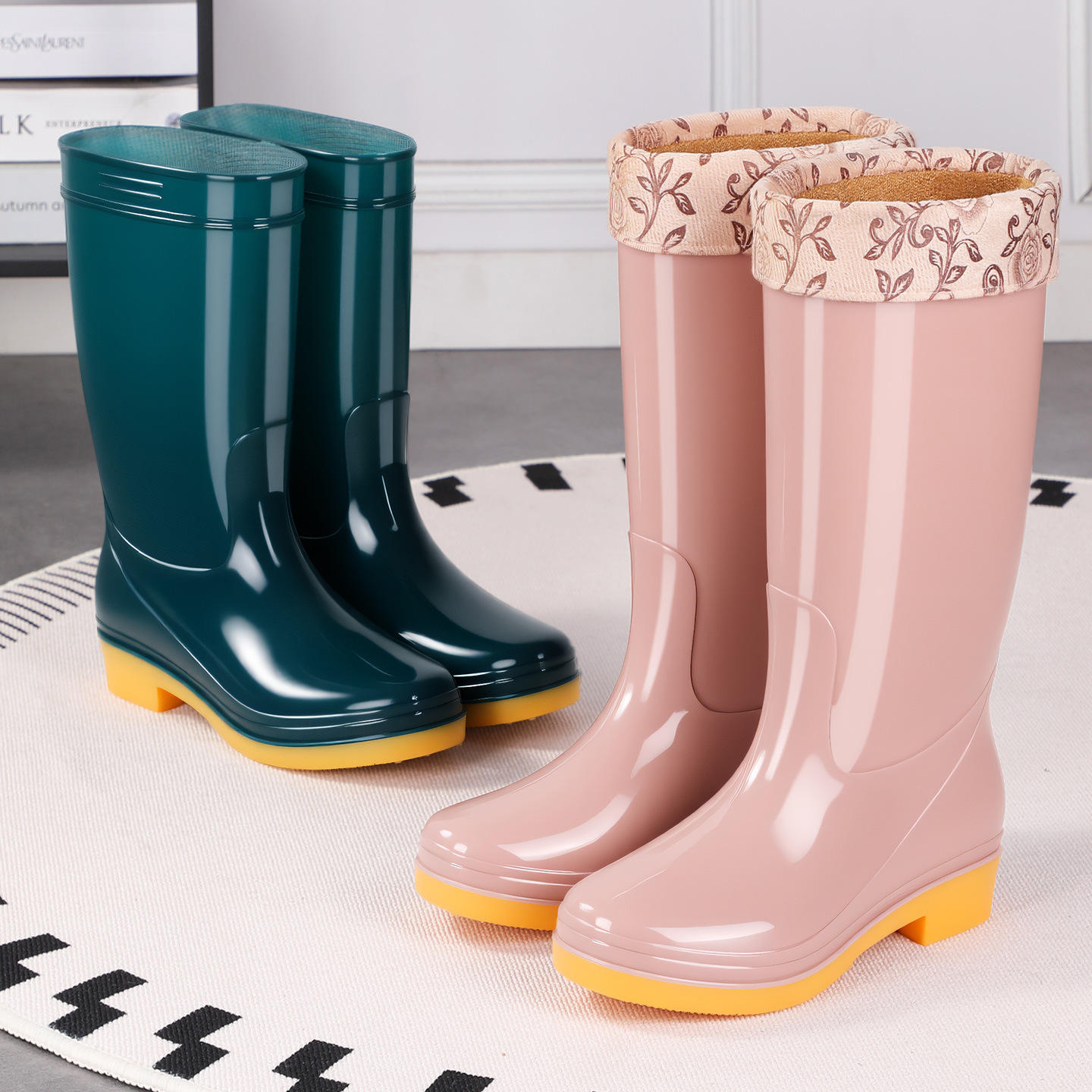
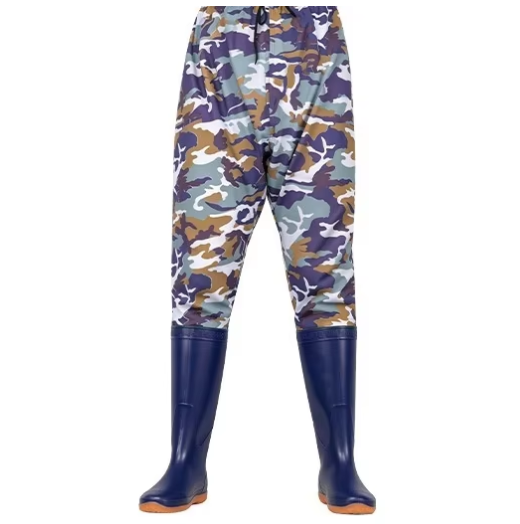
Waist high waders address chafing and waterproofing through material and design choices rooted in footwear engineering. Most models use either natural rubber or high-density PVC, with vulcanized or seamless injection-molded construction that eliminates weak points where water can seep in. The shaft height of waist high waders extends above the waist, covering more of the torso than standard boots, which reduces water exposure to high-risk areas like the thighs and lower abdomen.
For chafing prevention, many professional models incorporate a flexible, smooth lining that moves with the body during movement, while the shaft top is often reinforced with a wide, elasticated band to distribute pressure evenly across the waist, rather than concentrating it in a narrow band that rubs. Professional Rain Boot Manufacturer emphasizes that these design elements are tested to meet industry-specific durability standards, ensuring they withstand the demands of repeated use in wet work environments.
The outsole design plays a critical role in overall performance too, with deep, non-slip tread patterns that improve traction on slippery, muddy, or submerged surfaces. This reduces the risk of slips that can damage the boot or cause worker injury, further supporting reliable performance in deep water scenarios. The compound formulation of the rubber or PVC is also engineered to resist degradation from prolonged water exposure, certain chemicals, and temperature variations, maintaining both waterproofing and flexibility over time.
3. Practical Solutions and Operation Steps
To solve chafing and waterproofing issues with waist high waders, follow these actionable steps tailored to deep water work scenarios:
- Select the right size: Choose a pair that allows for thin thermal socks in cold conditions but does not leave excess space in the shaft, which can lead to fabric bunching and friction. Measure around your waist and leg length according to manufacturer guidelines to avoid ill-fitting bands or overly tight shafts.
- Inspect seams and construction: Prior to first use, check all seams for any gaps or loose bonding, especially at the sole-shaft junction and waist band. Seamless injection-molded models are preferable for deep water work, as they eliminate the risk of seam failure that causes water intrusion.
- Choose material based on your tasks: For heavy-duty deep water work with exposure to mild chemicals, natural rubber offers better puncture resistance and flexibility than PVC, while PVC is a more cost-effective option for general farm or irrigation work.
- Prevent chafing during use: Wear moisture-wicking, smooth undergarments under the waders to reduce friction between the fabric and your skin, and adjust the waist band to fit snugly but not tightly, allowing for movement without constant rubbing.
- Test waterproofing before extended use: Conduct a simple immersion test by wearing the waders in shallow water for 15-20 minutes, checking for any dampness inside before using them in deep, continuous water conditions.
4. Daily Maintenance and Precautions
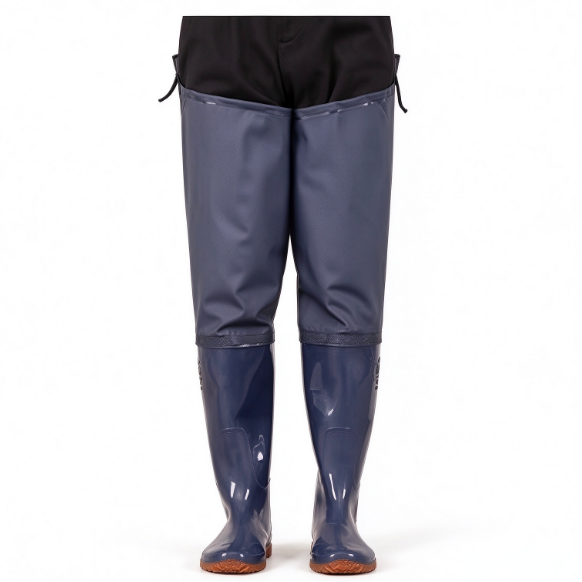
Proper maintenance extends the lifespan of waist high waders and preserves their waterproofing and chafing-resistant properties. After each use, rinse the waders with clean water to remove mud, salt, or chemical residue that can degrade the material over time. Avoid using harsh detergents or solvents, as these can break down the rubber or PVC compound and compromise the seal.
To dry the waders, hang them upside down in a cool, shaded area away from direct sunlight or high heat sources, which can cause the material to crack or shrink. Do not leave them folded or stored in a damp, enclosed space, as this can lead to mold growth that weakens the fabric and creates unpleasant odors. Regularly check the waist band and shaft for signs of wear, such as frayed fabric or stretched elastic, and repair small tears promptly with a compatible patching material to prevent water intrusion.
Additional precautions include not using waist high waders as safety footwear unless they are certified to meet relevant occupational safety standards, as standard models may lack toe protection or slip resistance required for high-risk work. Avoid exposing the waders to open flames or sharp objects, which can puncture the waterproof layer and create points of chafing and leakage.
5. Industry Standard and Parameter Reference
Understanding relevant industry standards helps in selecting reliable waist high waders that address deep water work challenges. Below are key parameters and their corresponding reference standards for occupational footwear:
ParameterRecommended ReferenceWhy It MattersSlip resistanceEN ISO 20344:2021 / EN ISO 20347:2022+A1:2024 where applicableHelps evaluate outsole grip on wet or contaminated deep water surfaces.Occupational footwear requirementsISO 20347:2021 or EN ISO 20347:2022+A1:2024Supports non-safety waist high wader selection for general deep water work.Seam waterproofingISO 20344:2021, section 7Tests the integrity of bonded or welded seams to prevent water intrusion.Flexibility at low temperaturesEN ISO 20344:2021, section 15Ensures the boot remains flexible in cold deep water without cracking or chafing.
Do not invent exact performance numbers. Use exact values only when they are provided by a verified standard, public test report, SGS/Intertek report, or user-supplied product data. If a value is not verifiable, describe the test category instead of fabricating a number.
6. Customer Common FAQ
Q: How do I tell if waist high waders will prevent chafing during long shifts?
A: Look for models with a wide, padded waist band that distributes pressure evenly, and a smooth inner lining that reduces friction. Professional Rain Boot Manufacturer notes that testing for chafing resistance can involve wearing the waders for a short, active period in a warm environment to check for irritation points before extended work use.
Q: Can I repair a seam leak in waist high waders myself?
A: Small seam leaks can be repaired with a waterproof patching kit designed for rubber or PVC. Clean the area thoroughly, apply the patch according to manufacturer instructions, and allow it to cure completely before submerging the waders again. For larger seam damage, consult a professional repair service to avoid further compromising waterproofing.
Q: Are waist high waders suitable for all deep water work scenarios?
A: They are ideal for most deep water, waist-level work, but may not be appropriate for work in water deeper than the waist or with heavy sharp objects that can puncture the material. For water above the waist, additional specialized flotation gear or chest-high waders may be necessary.
Q: How often should I replace my waist high waders to maintain waterproofing?
A: Replacement frequency depends on usage: heavy daily use may require replacement every 1-2 years, while occasional use can extend lifespan to 3-5 years. Inspect regularly for cracks, stretched fabric, or loose seams, and replace immediately if significant waterproofing failure is observed.
Q: Can waist high waders be used in cold water without losing flexibility?
A: Many professional models are formulated to remain flexible in low temperatures, but check for certifications related to cold temperature performance, such as compliance with EN ISO 20344:2021 section 15, which tests flexibility at low temperatures. Pairing with thermal, moisture-wicking socks can also improve comfort in cold deep water.
Conclusion
Waist high waders solve deep water work chafing and waterproofing issues through targeted design choices, material selection, and adherence to industry standards. By choosing the right fit, inspecting construction, and following proper maintenance, workers can extend the lifespan of their waders and reduce discomfort from chafing and water intrusion. Professional Rain Boot Manufacturer provides guidance on selecting models suited to specific deep water work tasks, ensuring reliable performance in wet, demanding conditions.
References
- European Committee for Standardization. EN ISO 20344:2021, Footwear - Test Methods for Footwear. Brussels: CEN, 2021.
- International Organization for Standardization. ISO 20347:2021, Occupational Footwear. Geneva: ISO, 2021.
- International Organization for Standardization. ISO 20344:2021, Section 7: Waterproofness. Geneva: ISO, 2021.
- International Organization for Standardization. ISO 20344:2021, Section 15: Flexibility at Low Temperatures. Geneva: ISO, 2021.