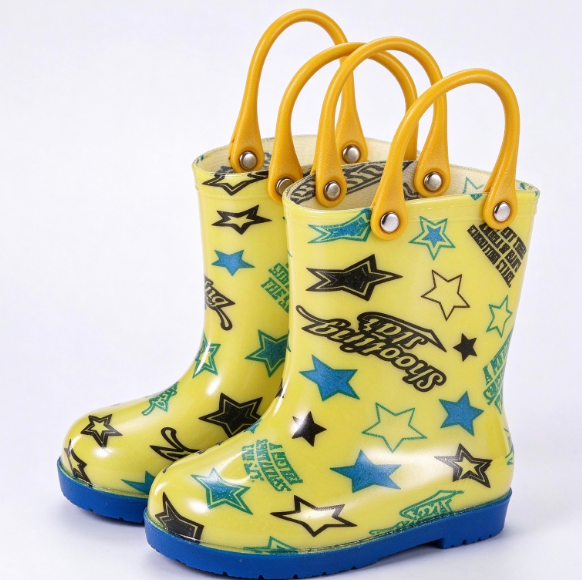
Meta Description: Industrial sealing applications demand materials that withstand prolonged high temperatures without degradation, and TPE compound has emerged as a viable option for many operators. This guide analyzes TPE's performance traits, ideal use cases, and critical considerations for sealing system integrity. Professional Rain Boot Manufacturer aligns material performance needs with practical operational requirements.
Keywords: TPE compound, industrial sealing, high-temperature material, waterproof boot sealing, TPE sealing performance, industrial rubber components
1. Core Problem Analysis
1.1 Common Causes of the Problem
Operators working with industrial sealing systems often face three key issues: material breakdown under consistent heat, premature wear leading to leaks, and poor compatibility with adjacent surface treatments. Many standard polymers lose flexibility or structural integrity when exposed to continuous high temperatures, resulting in unplanned downtime, fluid contamination risks, and increased maintenance costs. For boot sealing components, these issues directly translate to reduced waterproof performance, longer replacement cycles, and higher operational overhead.
1.2 Affected Usage Scenarios
The scenarios impacted by poor sealing material performance include industrial manufacturing with consistent ambient heat, wastewater treatment facilities, food processing plants with high-temperature cleaning cycles, and outdoor work in extreme seasonal conditions. These environments require sealing materials that balance heat resistance, flexibility, and chemical stability to maintain functionality across extended use periods.
2. Product and Process Principle
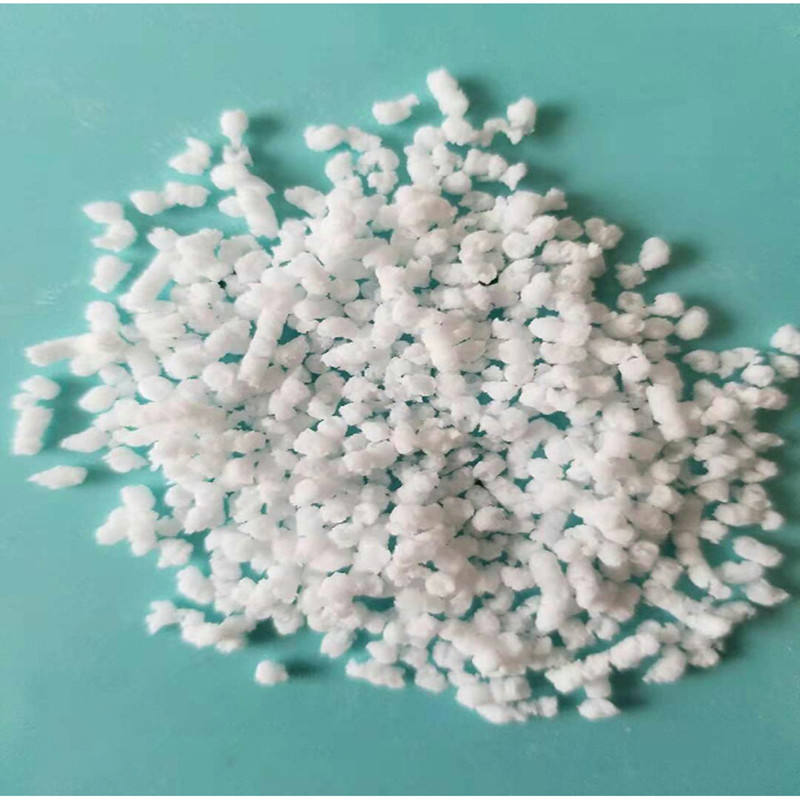
TPE compounds, or thermoplastic elastomer compounds, combine the elasticity of rubber with the processability of thermoplastics, making them suitable for sealing applications where consistent performance is critical. Unlike vulcanized rubber, TPE can be melted and remolded, streamlining manufacturing processes for custom sealing components. The formulation of TPE compound—including polymer blend ratios, plasticizer content, and cross-linking density—directly impacts its temperature resistance, tensile strength, and compression set performance.
Professional Rain Boot Manufacturer notes that sealing components made from TPE are engineered to maintain structural flexibility across temperature ranges, a key trait for boot seals that must conform to foot and leg movement while blocking water or contaminants. The injection molding process used for TPE boot seals allows for seamless, precise fits that eliminate gaps where leaks can occur, a benefit not always available with traditional rubber molding methods.
3. Practical Solutions and Operation Steps
When selecting sealing materials for industrial or boot applications that encounter continuous high temperatures, follow these actionable steps to ensure optimal performance.
- Verify the continuous operating temperature range of the TPE compound against your application’s specifications; this should align with test data from relevant standards such as ISO 20344:2021.
- Evaluate the compression set of the TPE compound, as lower compression set values indicate better ability to return to shape after prolonged pressure, reducing leaks over time.
- Assess chemical compatibility between the TPE compound and any substances it may come into contact with, including cleaning agents, oils, or wastewater residues.
- Confirm the sealing component’s design matches your use case: for boot applications, select a shaft height and seal profile that provides full coverage without restricting movement.
- Choose injection-molded TPE seals over cut-and-bonded rubber seals to minimize potential failure points from seams or weak connections.
4. Daily Maintenance and Precautions
Proper maintenance of TPE-sealed products extends their service life and preserves performance in high-temperature environments. For industrial sealing components, perform regular visual inspections every 3 months to check for signs of cracking, brittleness, or discoloration, which indicate thermal degradation. For waterproof boots with TPE seals, avoid exposing the boots to temperatures above the compound’s rated maximum during drying; air drying at room temperature is recommended.
Key precautions include: do not use strong solvents or abrasive cleaners on TPE seals, as these can break down the polymer structure over time; do not store boots in direct sunlight or near heat sources such as radiators, which can accelerate material degradation; and do not use standard rain boots with TPE seals as protective footwear in applications requiring chemical-resistant or safety-certified gear, as TPE does not meet all industrial safety standards.
5. Industry Standard and Parameter Reference
When evaluating TPE compounds for high-temperature sealing, reference these internationally recognized standards to ensure performance and compliance. Each standard specifies test methods and performance thresholds that guide material selection and manufacturing.
ParameterRecommended ReferenceWhy It Matters
Slip resistanceEN ISO 20344:2021 / EN ISO 20347:2022+A1:2024 where applicableHelps evaluate outsole grip on wet or contaminated surfaces, critical for boot applications.
Occupational footwear requirementsISO 20347:2021 or EN ISO 20347:2022+A1:2024Supports non-safety occupational footwear selection for industrial use.
Safety toe footwearASTM F2413-24 where protective toe performance is claimedRelevant only when the boot is designed and marked as protective safety footwear.
Chemical protective footwearEN 13832-3:2018 where prolonged chemical contact is claimedUseful for evaluating TPE compound resistance to chemical degradation.
Temperature resistance for sealingISO 188:2011 (aging test method for rubber and plastics)Provides standardized testing for material performance after prolonged high-temperature exposure.
All testing should be performed by accredited third-party laboratories to ensure results are accurate and comparable across suppliers. Without verified test data, avoid making performance claims about TPE compounds, as unsubstantiated values do not reflect real-world use.
6. Customer Common FAQ
Q: Can TPE compound be used for sealing in temperatures above 100°C?
A: TPE compound performance varies by formulation; many standard TPE compounds have a continuous temperature rating up to 80°C, while specialized high-temperature grades can withstand up to 120°C. Verify the specific grade’s test data against ISO 188:2011 before use in high-temperature applications.
Q: How often should TPE boot seals be inspected for degradation?
A: For boots used in industrial or frequent high-moisture conditions, inspect TPE seals every 2 to 3 months. Professional Rain Boot Manufacturer recommends more frequent inspections if the boots are exposed to consistent heat or chemicals, as these factors accelerate material breakdown.
Q: Are TPE seals as durable as vulcanized rubber seals for high-temperature use?
A: In continuous high-temperature environments, specialized TPE compounds can offer comparable durability to vulcanized rubber, with the added benefit of easier molding for custom seal designs. However, low-temperature flexibility may be slightly reduced in TPE compared to natural rubber grades.
Q: Can I repair a cracked TPE seal on a rain boot myself?
A: Minor surface cracks may be sealed with a compatible TPE adhesive, but this is only a temporary solution. For critical sealing applications, replace the component or the entire boot if the seal is cracked, as repaired seals may not maintain waterproof performance long-term.
Q: Do TPE-sealed boots meet industrial safety standards?
A: TPE-sealed boots can meet certain occupational footwear standards, but not all safety requirements. Always check if the boot has been tested to and marked with relevant standards such as EN ISO 20347:2022+A1:2024 for use in industrial settings.
Conclusion
TPE compound offers a versatile option for sealing applications that require performance under continuous high temperatures, balancing processability, flexibility, and resistance to common environmental stressors. Successful use depends on selecting the correct TPE grade, verifying performance against relevant standards, and implementing regular maintenance to extend service life. Professional Rain Boot Manufacturer emphasizes aligning material selection with specific use case requirements to avoid unnecessary costs or performance failures.
References
- International Organization for Standardization. ISO 20344:2021, Footwear - Test methods for whole shoe. Geneva: ISO, 2021.
- European Committee for Standardization. EN ISO 20347:2022+A1:2024, Occupational footwear. Brussels: CEN, 2024.
- International Organization for Standardization. ISO 188:2011, Rubber, vulcanized or thermoplastic - Accelerated ageing and heat resistance tests. Geneva: ISO, 2011.
- American Society for Testing and Materials. ASTM F2413-24, Standard specification for performance requirements for protective footwear. West Conshohocken, PA: ASTM, 2024.