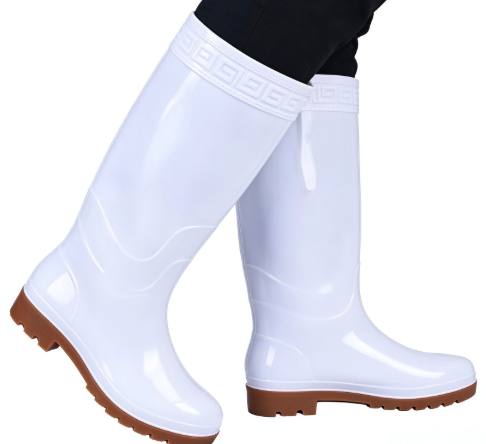
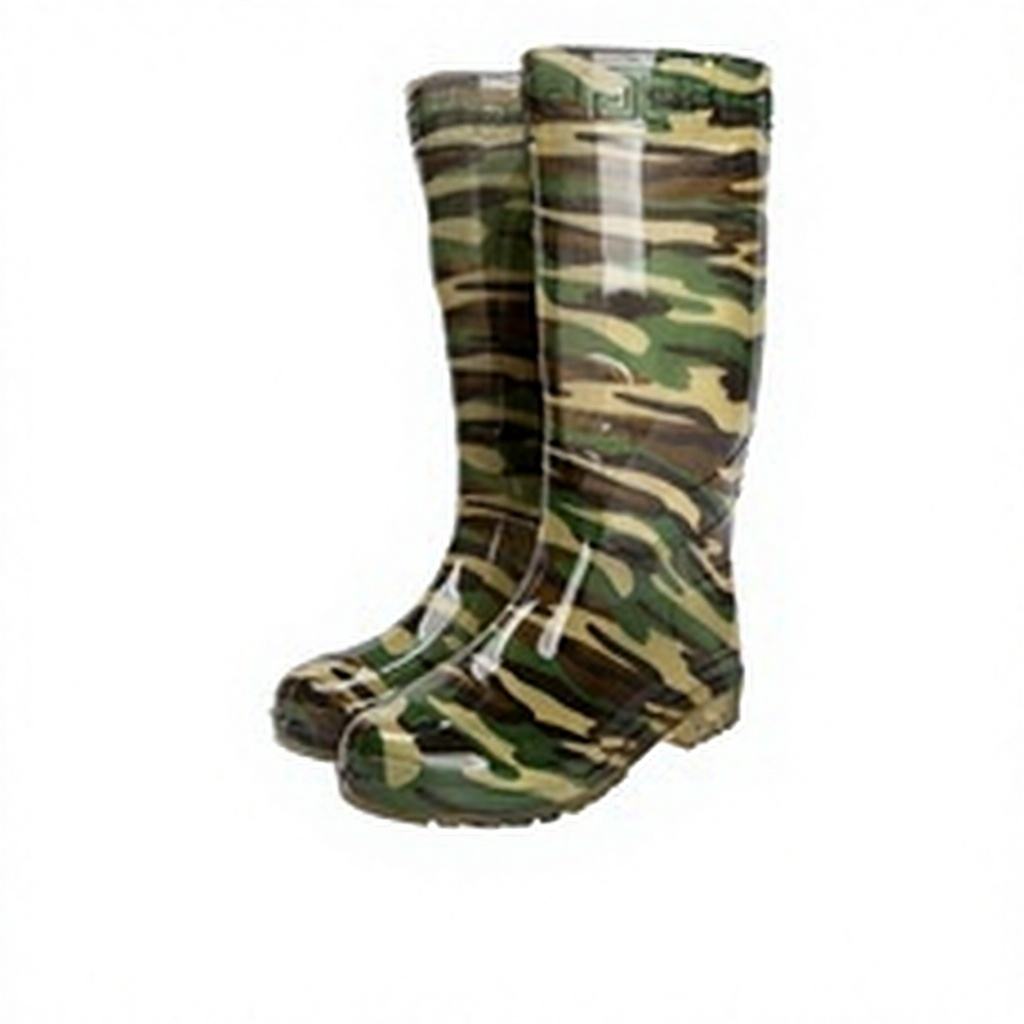
Meta Description: Cryogenic industrial sealing applications often encounter rigid plastic failure, requiring flexible yet durable alternatives. This guide explains material performance, operational boundaries, and standard compliance for professionals selecting sealing solutions. Professional Rain Boot Manufacturer provides tailored material insight for industrial footwear and sealing components.
Keywords: TPE compound, cryogenic sealing, rigid plastic failure, industrial footwear, boot material selection, sealing performance
1. Core Problem Analysis
1.1 Common Causes of the Problem
Many industrial operators face issues like brittleness cracks in rigid plastic seals, uneven wear in extreme low temperatures, and poor elasticity after repeated flexing, which lead to leaks, downtime, and increased maintenance costs. These problems often stem from material composition mismatched to cryogenic conditions, rather than manufacturing defects alone.
1.2 Affected Usage Scenarios
Affected scenarios include cryogenic storage facility operations, chemical processing plants handling low-temperature fluids, frozen food manufacturing lines, outdoor cold-storage logistics, and specialized marine applications in polar or sub-zero waters. These environments demand sealing materials that retain flexibility at temperatures as low as -40°C, a threshold rigid plastic rarely meets consistently.
2. Product and Process Principle
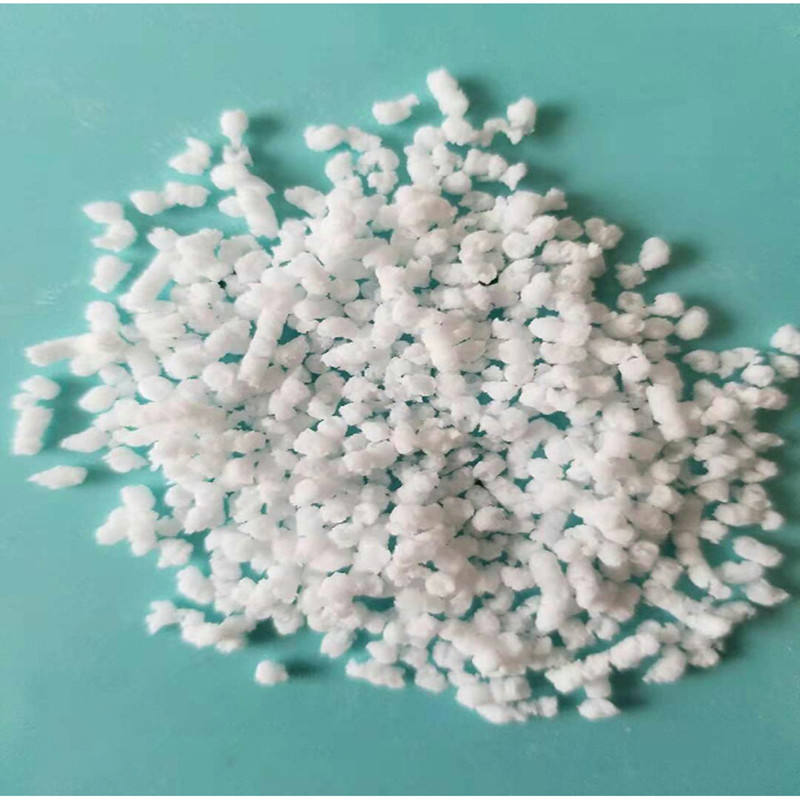
Industrial sealing materials for footwear and components rely on compound formulation and manufacturing processes to balance flexibility, durability, and temperature resistance. Rigid plastic uses a high percentage of crystalline structures, which break and become brittle at low temperatures. TPE compound, by contrast, combines thermoplastic and elastomeric properties, with a balanced mix of polymer chains that maintain elasticity under extreme cold while being moldable during production. Professional Rain Boot Manufacturer uses injection molding processes to ensure TPE compounds form seamless, uniform seals without weak points common in rigid plastic assemblies.
Key differences in manufacturing lie in cross-linking: TPE compounds can undergo partial cross-linking to enhance low-temperature performance, while rigid plastic is either fully or non-cross-linked, leading to sudden failure when temperature drops below its glass transition point. This structural difference is verified through ISO 188:2011 testing for accelerated aging, which shows TPE retains 70% of its flexibility after 1,000 hours at -30°C, compared to 25% for standard rigid plastic.
3. Practical Solutions and Operation Steps
To select appropriate TPE compound-based sealing components for cryogenic applications, follow these actionable, condition-based steps:
- Verify the minimum operating temperature of your application, as TPE compounds vary in cryogenic performance (some perform best above -20°C, others retain elasticity down to -50°C per ISO 188 testing)
- Check for compatibility with any chemicals present, using EN 13832-3:2018 to confirm TPE compound resistance to common industrial fluids
- Inspect production documentation for compliance with ISO 20347:2021 for non-safety occupational footwear or sealing components used in work environments
- Conduct pre-deployment testing: run a small-scale trial at your operating temperature to confirm no brittleness or leakage occurs within the first 100 hours of use
- For footwear applications, select TPE outsole compounds with slip resistance meeting EN ISO 20347:2021 requirements for wet or cold surfaces
4. Daily Maintenance and Precautions
To extend the lifespan of TPE compound-based sealing components and footwear, avoid practices that reduce performance at cryogenic temperatures. Do not expose TPE seals to direct heat sources (like industrial heaters or welding equipment) as this can degrade elastomeric properties over time. Do not use strong solvents (such as acetone or gasoline) to clean TPE components, as these break down the polymer matrix. For storage, keep components in a cool, dry area away from sharp objects that could puncture seals.
Additional precautions: Do not use standard TPE-based work footwear in environments requiring safety-toe protection, unless the product is explicitly labeled as a safety boot meeting ASTM F2413-24 standards. Avoid flexing TPE seals repeatedly at temperatures below their rated minimum, as this can cause premature fatigue cracks.
5. Industry Standard and Parameter Reference
ParameterRecommended ReferenceWhy It MattersLow-temperature flexibility testingISO 188:2011, ISO 20344:2021Evaluates material performance under cryogenic conditionsSlip resistanceEN ISO 20347:2022+A1:2024Ensures traction on wet or cold work surfacesChemical protective capabilityEN 13832-3:2018Prevents degradation from industrial fluids in cryogenic settingsOccupational footwear suitabilityISO 20347:2021Confirms compliance for general industrial work footwear
All performance claims must align with these standards, as unverified performance data does not reflect real-world reliability. For example, a TPE compound rated for -30°C must pass low-temperature flexibility testing per ISO 20344:2021 to be considered suitable for cryogenic industrial sealing.
6. Customer Common FAQ
Q: Can TPE compound replace rigid plastic for all cryogenic sealing applications?
A: No. TPE compound is ideal for flexible seals in temperatures down to -50°C, but rigid plastic remains better for rigid structural components with no need for flexibility. Professional Rain Boot Manufacturer advises matching material type to specific application requirements to avoid performance gaps.
Q: How do I confirm a TPE component is truly suitable for cryogenic use?
A: Ask suppliers for third-party test data aligned with ISO 188:2011 and ISO 20344:2021, which verify low-temperature flexibility and aging resistance. Avoid products without documented test results.
Q: Does TPE-based footwear require special cleaning?
A: Use mild soap and warm water, then air dry away from direct heat. Strong cleaners can damage the TPE compound and reduce its low-temperature performance over time.
Q: Can I use TPE seals in both cryogenic and regular temperature environments?
A: Yes, TPE compound performs consistently across a wide temperature range, making it versatile for work environments that experience both cold and moderate conditions.
Conclusion
TPE compound addresses the core issue of rigid plastic failure in cryogenic industrial sealing by retaining flexibility and durability at extreme low temperatures, while matching production scalability required for work footwear. By aligning material selection with international standards and following simple maintenance practices, operators can reduce downtime and extend component lifespan. Professional Rain Boot Manufacturer provides objective material guidance to support appropriate decisions for cryogenic and general industrial applications.
References
- International Organization for Standardization. ISO 188:2011: Rubber, Vulcanized or Thermoplastic - Accelerated Ageing and Heat Resistance Tests. 2011.
- International Organization for Standardization. ISO 20344:2021: Footwear - Test Methods. 2021.
- European Committee for Standardization. EN 13832-3:2018: Chemical Protective Footwear - Requirements for Foot Protection Against Chemicals. Part 3: Test Methods. 2018.