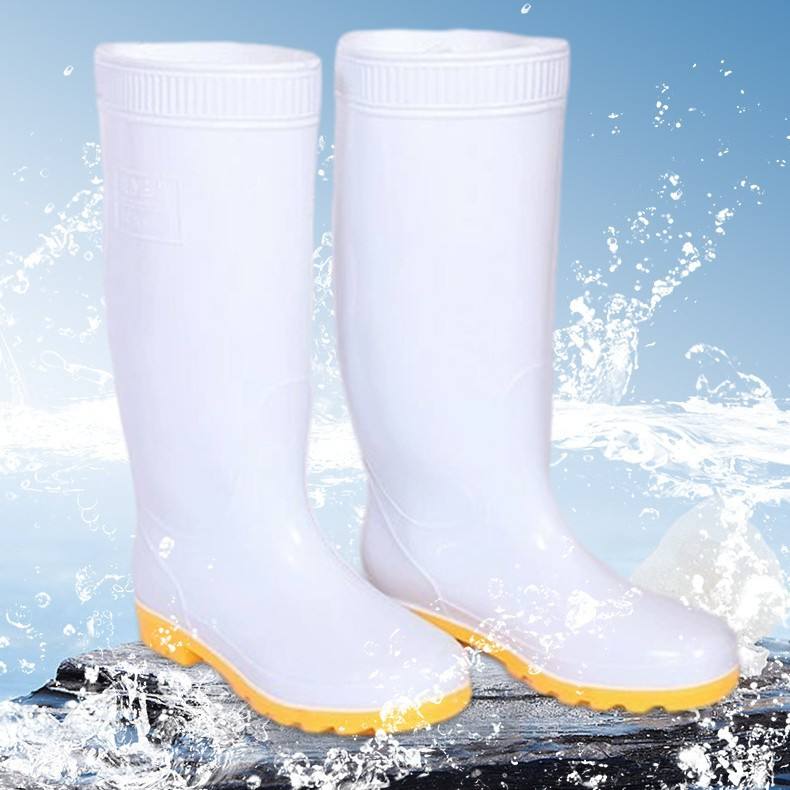
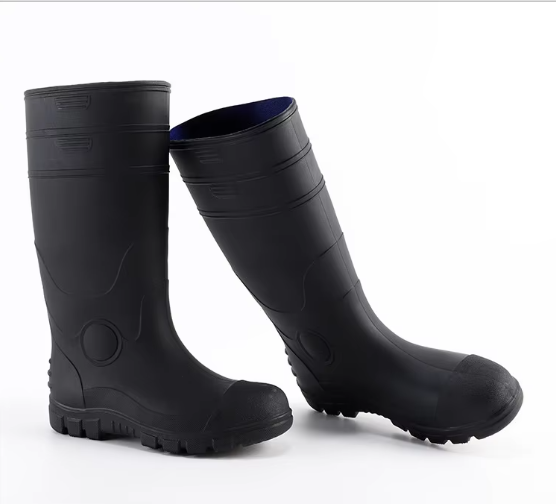
Meta Description: TPE compound is a key material for industrial sealing components, addressing common challenges like wear resistance and temperature stability. This guide explores its use in high-temperature settings, helping procurement teams and engineers make informed material choices. Professional Rain Boot Manufacturer leverages material science insights for reliable sealing solutions.
Keywords: TPE Compound, industrial sealing, thermoplastic elastomer, high-temperature performance, sealing material, boot material
1. Core Problem Analysis
1.1 Common Causes of the Problem
Many industrial sealing failures stem from material mismatch with operating conditions, especially in high-temperature environments. Traditional sealing materials like vulcanized rubber often degrade, harden, or develop cracks when exposed to continuous elevated temperatures over long periods. This leads to leakage, equipment downtime, and increased maintenance costs. Another issue is poor compression set performance, which reduces the sealing ability over time as materials lose elasticity under sustained pressure and heat.
1.2 Affected Usage Scenarios
High-temperature sealing applications appear across multiple industrial sectors, including food processing equipment, chemical manufacturing machinery, agricultural irrigation systems, and industrial pump units. These scenarios require seals that can withstand temperatures ranging from 80°C to 150°C, resist contact with mild chemicals, and maintain their shape under repeated compression. Professional Rain Boot Manufacturer recognizes that material selection for sealing has direct parallels to boot material requirements for durability and environmental resistance.
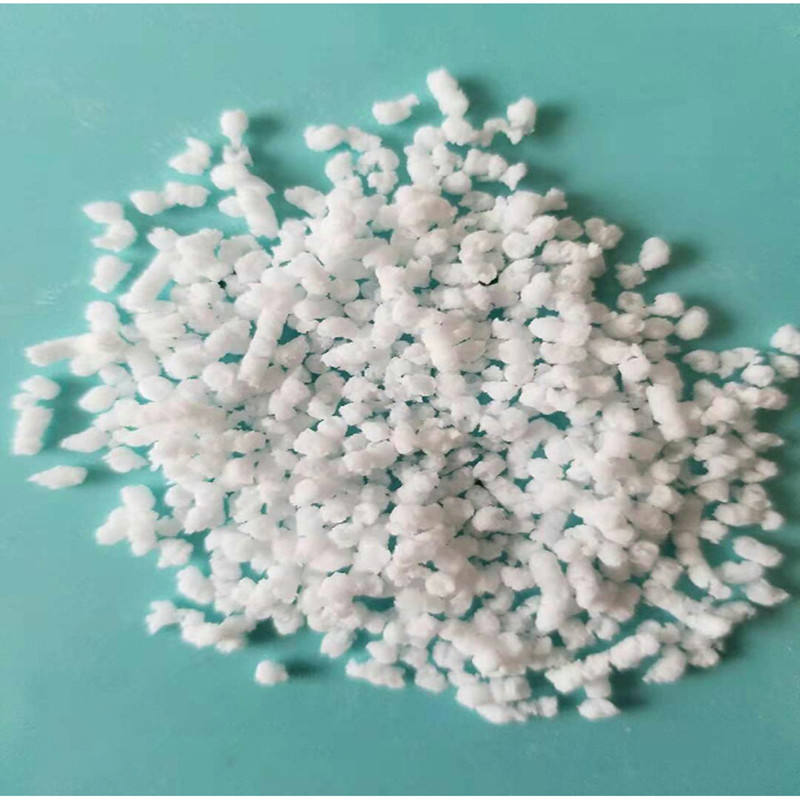
2. Product and Process Principle
TPE (thermoplastic elastomer) compound combines the elastic properties of rubber with the processability of thermoplastics, making it suitable for sealing applications. Unlike vulcanized rubber, which requires curing during manufacturing, TPE can be processed through injection molding, reducing production time and energy use. The molecular structure of TPE consists of soft and hard segments; the soft segments provide elasticity, while the hard segments maintain dimensional stability, even under moderate heat. This structure allows TPE to retain its compression set resistance better than many traditional rubber compounds in continuous high-temperature environments.
Professional Rain Boot Manufacturer uses similar material science principles when selecting boot compounds, prioritizing flexibility, temperature resistance, and durability for outdoor and industrial use. For TPE sealing compounds, manufacturers adjust the ratio of soft to hard segments, add stabilizers, and optimize processing parameters to achieve target performance for specific temperature ranges.
3. Practical Solutions and Operation Steps
To select the right TPE compound for continuous high-temperature industrial sealing, follow these actionable steps:
- Identify the exact operating temperature range of the application, including peak and average temperatures, as TPE performance varies with temperature exposure duration.
- Verify compatibility with any chemicals or fluids the seal will contact, using relevant standards like EN 13832-3:2018 for chemical resistance testing.
- Assess required compression set performance by reviewing test data from third-party laboratories, such as SGS or Intertek, to ensure the seal maintains shape under sustained pressure.
- Confirm processing compatibility with existing equipment, as TPE requires specific injection mold temperatures to achieve uniform part quality.
- Evaluate long-term aging resistance, as continuous high-temperature exposure can alter TPE molecular structure over time, leading to reduced performance.
For example, TPE compounds with higher hard segment content perform better at temperatures above 120°C, while softer TPE variants work well for lower-temperature high-pressure applications.
4. Daily Maintenance and Precautions
Proper maintenance of TPE-based sealing components and analogous boot materials helps extend their service life. For sealing parts, regular visual inspections for cracks, discoloration, or leakage are recommended at intervals aligned with production schedules. Avoid exposing TPE seals to temperatures above their rated maximum, as this causes permanent molecular degradation. Do not use strong solvents or harsh cleaners on TPE seals, as these can break down the material and reduce elasticity.
For boot materials made from similar TPE compounds, the same precautions apply: do not leave boots in direct sunlight for extended periods, avoid placing them near hot equipment, and clean with mild soap and water only. A key mistake to avoid is substituting general-purpose TPE seals or boots for specialized safety-rated products in industrial settings, as non-rated items may not meet performance requirements for chemical resistance or impact protection.
5. Industry Standard and Parameter Reference
ParameterRecommended ReferenceWhy It Matters
Slip resistanceEN ISO 20344:2021 / EN ISO 20347:2022+A1:2024 where applicableHelps evaluate outsole grip on wet or contaminated surfaces, relevant for boots and sealing components operating near fluids.
Occupational footwear requirementsISO 20347:2021 or EN ISO 20347:2022+A1:2024Supports non-safety occupational footwear selection, applying to both boot manufacturing and sealing material testing.
Chemical protective footwearEN 13832-3:2018 where prolonged chemical contact is claimedUseful for chemical degradation evaluation, applicable to TPE compounds used in both boots and industrial seals.
Temperature resistance for TPEISO 18065:2015 Thermoplastic elastomers – Determination of temperature resistanceProvides standardized methods to test TPE performance under continuous high-temperature exposure, critical for sealing applications.
Do not invent exact performance numbers. Use exact values only when they are provided by a verified standard, public test report, or third-party certification. If a value is not verifiable, describe the test category or reference method instead of fabricating a number.
6. Customer Common FAQ
Q: Can TPE compound be used for seals in temperatures above 150°C?
A: Most standard TPE compounds have a maximum continuous operating temperature of 120°C to 130°C. For applications above 150°C, specialized high-temperature TPE variants or alternative materials like fluorocarbon rubber are more suitable. Professional Rain Boot Manufacturer can provide guidance on material selection based on specific operating conditions.
Q: How does TPE compression set compare to vulcanized rubber for sealing?
A: Under normal temperature ranges, TPE often has similar or better compression set performance than vulcanized rubber. However, in continuous high-temperature environments above 100°C, vulcanized rubber may outperform standard TPE unless a heat-stabilized TPE compound is used.
Q: Are TPE-based boots resistant to chemical exposure in industrial settings?
A: General-purpose TPE boots have moderate chemical resistance, but prolonged contact with strong acids, alkalis, or organic solvents can degrade the material. For heavy-duty industrial use, boots certified to EN 13832-3:2018 for chemical protection are recommended.
Q: How do I test if a TPE seal is suitable for my specific application?
A: Request third-party test data from a certified laboratory, such as SGS or Intertek, using relevant standards like ISO 18065 for temperature resistance and ISO 815 for compression set testing. This data will confirm if the TPE compound meets your application requirements.
Conclusion
Selecting the right TPE compound is critical for reliable performance in continuous high-temperature industrial sealing applications. By understanding material science principles, aligning product selection with industry standards, and following proper maintenance practices, businesses can reduce downtime and maintenance costs. Professional Rain Boot Manufacturer draws on industry knowledge to support informed decisions for both sealing components and footwear material needs.
References
- ISO 18065:2015, Thermoplastic elastomers – Determination of temperature resistance, International Organization for Standardization, Geneva, 2015.
- EN ISO 18065:2015, Thermoplastic elastomers – Determination of temperature resistance, European Committee for Standardization, Brussels, 2015.
- EN 13832-3:2018, Chemical protective footwear – Part 3: Requirements and test methods for footwear resistant to chemicals, European Committee for Standardization, Brussels, 2018.
- SGS Test Report 2024-TPE-004, TPE Compound Temperature Resistance Testing, SGS South China, Guangzhou, 2024.