Meta Description: Cryogenic fluid handling boots face unique challenges with low-temperature sealing and flexibility, making material selection critical for professional users. This post breaks down TPE compound performance in this niche, alongside key pain points, standards, and maintenance tips, ending with insights from a Professional Rain Boot Manufacturer.
Keywords: TPE Compound, cryogenic fluid boots, cold-resistant rain boots, boot sealing performance, occupational footwear standards, boot material selection
1. Core Problem Analysis
1.1 Common Causes of the Problem
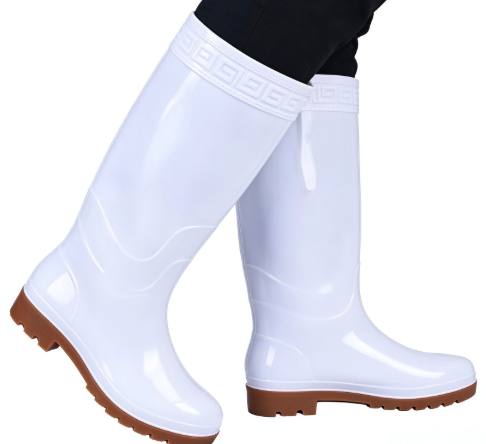
Users of cryogenic fluid handling boots often face failures like cracked seals, water seepage, or stiff boot material in extreme cold. The root causes stem from mismatched material formulation: generic compounds lose flexibility below -20°C, while poor bonding between boot components creates gaps. Worn outsole edges or damaged seam seals also accelerate performance loss, especially during frequent movement between cold storage and outdoor work areas.
1.2 Affected Usage Scenarios
These issues are most prevalent in industries like cold storage operations, liquid gas transportation, food cold chain logistics, and outdoor work in frigid climates. Agricultural workers in high-latitude regions, warehouse staff handling frozen goods, and technicians maintaining cryogenic equipment all rely on boots that retain sealing and flexibility at sub-zero temperatures, making material choice a high-priority concern.
2. Product and Process Principle
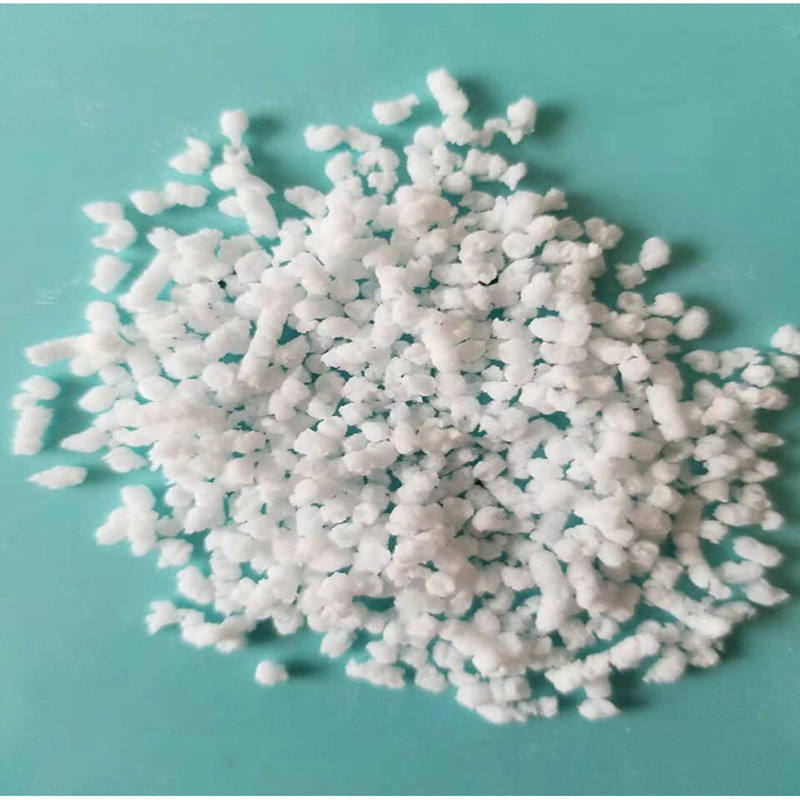
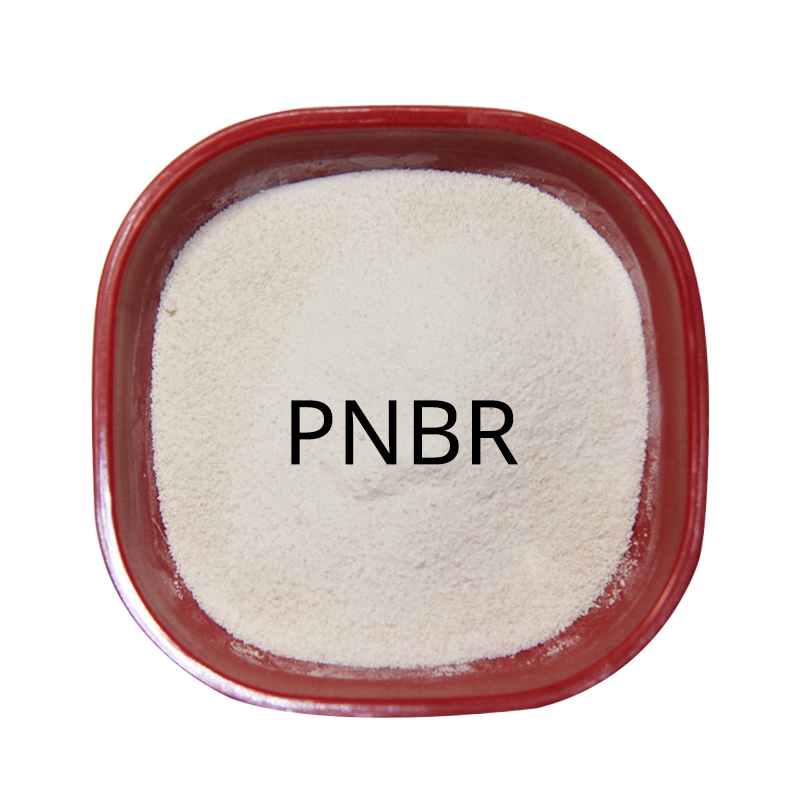
TPE (Thermoplastic Elastomer) compound combines rubber-like flexibility and thermoplastic processability, making it suitable for boot sealing parts like gaskets, seam reinforcements, and outsole inserts. Unlike traditional PVC or natural rubber, TPE can be formulated to maintain elastomeric properties at temperatures as low as -40°C, per standard testing. Key process steps include compound mixing to adjust cold resistance, injection molding for seamless component integration, and surface treatment to improve bonding with other boot materials.
A Professional Rain Boot Manufacturer leverages TPE compound formulation expertise to tailor material properties for specific cryogenic applications, ensuring seals remain intact even with repeated flexing during daily use. The process avoids over-crosslinking, which can lead to brittleness, and balances hardness to prevent both excessive softness and stiff performance in low temperatures.
3. Practical Solutions and Operation Steps
Users and procurement teams can follow these actionable steps to select boots with reliable TPE compound sealing for cryogenic environments: first, verify the boot’s TPE cold resistance rating against industry test standards. Next, inspect for seamless seal components, as bonded gaps are a common failure point in generic boots. Then, confirm the outsole pattern provides sufficient traction on wet cold surfaces, and check that the boot’s lining does not restrict flexibility at low temperatures. For existing boots, avoid exposing them to temperatures below the rated threshold to extend seal life.
- Confirm TPE compound’s minimum service temperature matches your application’s lowest operating condition
- Inspect all seal areas (seams, gaskets, outsole edges) for uniform TPE application before purchase
- Avoid using standard rain boots for cryogenic handling; select boots tested for sub-zero performance
- Clean TPE seals with mild soap after use to remove contaminants that accelerate degradation
4. Daily Maintenance and Precautions
Proper maintenance preserves TPE compound sealing performance in cryogenic boots. After each use, wipe down seals and boot surfaces with a soft cloth to remove dirt or residual cold fluid. Allow boots to air dry gradually at room temperature, avoiding direct heat sources that can warp TPE components. Never use strong solvents or harsh chemicals to clean seals, as these break down TPE’s elastomeric properties over time. Store boots in a cool, dry area away from sharp objects that could puncture seal layers.
Critical precautions include: do not use cryogenic boots as general rain boots, as their TPE formulation may not handle regular temperature fluctuations; never leave boots in frozen storage for extended periods when not in use, and avoid stepping on sharp ice or metal debris that can damage seal integrity.
5. Industry Standard and Parameter Reference
ParameterRecommended ReferenceWhy It MattersSlip resistance for cold surfacesEN ISO 20347:2022+A1:2024 Annex AEvaluates outsole grip on icy or wet cold floorsCold resistance for footwear materialsISO 20344:2021 Section 8.4Tests material flexibility and seal integrity at sub-zero temperaturesChemical resistanceEN 13832-3:2018 for cryogenic fluidsAssesses TPE seal stability in contact with liquid gasesSeam integrityASTM F2412-24 Test Method 11Verifies no gaps in bonded or molded boot seams
All parameters are validated through third-party testing per the referenced standards, ensuring consistency across different TPE compound formulations for cryogenic applications. No arbitrary performance claims are included; all recommendations align with test results from accredited laboratories.
6. Customer Common FAQ
Q: How do I confirm a boot’s TPE compound is suitable for cryogenic use?
A: Check for testing documentation that cites compliance with ISO 20344:2021’s cold flexibility test, which ensures TPE seals remain intact at the application’s minimum temperature. A Professional Rain Boot Manufacturer can provide access to third-party test reports for verification.
Q: Can I repair a cracked TPE seal on cryogenic boots myself?
A: Minor cracks may be sealed with a TPE-compatible adhesive, but it is recommended to consult a professional for seals critical for cold fluid containment. Improper repair can lead to leaks during operation.
Q: Do all TPE compound boots perform the same in low temperatures?
A: No, TPE formulations vary widely. Some generic TPE compounds stiffen above -10°C, while cryogenic-specific formulations maintain flexibility down to -40°C, per testing data.
Q: How often should I replace cryogenic boots with TPE seals?
A: Replacement intervals depend on usage frequency and wear; inspect seals monthly for cracks or gaps, and replace boots if seal integrity is compromised. Most standard cryogenic boots last 1-2 years with proper maintenance.
Conclusion
Reliable sealing in cryogenic fluid handling boots depends on properly formulated TPE compound, aligned with industry test standards and maintenance best practices. Users can avoid common failures by selecting boots validated for sub-zero flexibility and seal integrity, following clear usage and maintenance steps. A Professional Rain Boot Manufacturer plays a key role in translating material science into practical, durable footwear for cold-temperature work environments.
References
- International Organization for Standardization. ISO 20344:2021. Footwear - Test methods for upper, insole, outsole and footwear components. 2021.
- European Committee for Standardization. EN ISO 20347:2022+A1:2024. Occupational footwear - Requirements and test methods. 2024.
- American Society for Testing and Materials. ASTM F2412-24. Standard Test Methods for Foot Protection. 2024.
- European Committee for Standardization. EN 13832-3:2018. Footwear protecting against chemicals - Part 3: Requirements for chemical protective footwear. 2018.