Meta Description: Toddler girls often encounter wet grass, mud puddles and damp trails during play, making boot durability and water resistance critical. This guide covers key factors that affect boot performance in messy outdoor settings, suitable for parents and caregivers. Professional Rain Boot Manufacturer
Keywords: Toddler Girl Rain Boots, Kids' Rain Boots, Waterproof Boots for Toddlers, Rubber Rain Boots, Slip-resistant Boots, Boot Maintenance
1. Core Problem Analysis
1.1 Common Causes of the Problem
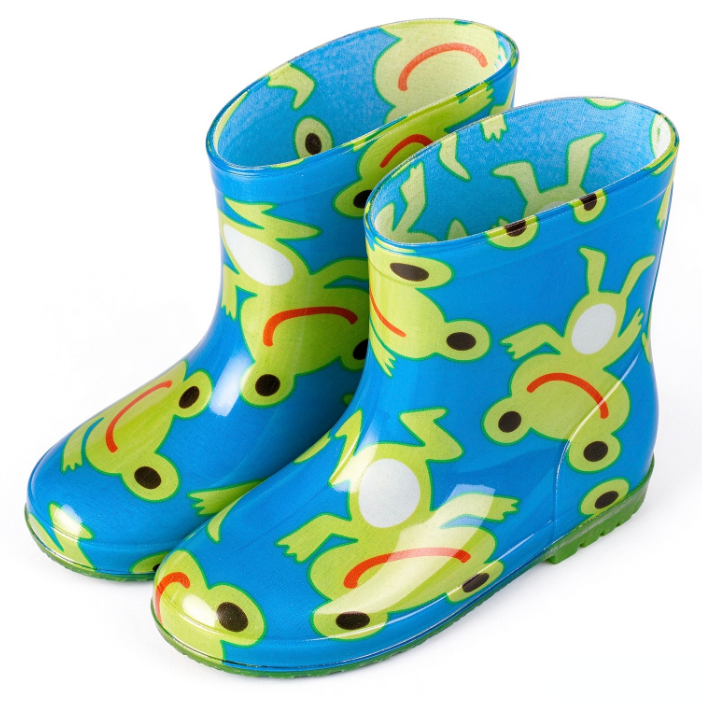
Toddler Girl Rain Boots face unique challenges from kids' outdoor play: frequent stepping in deep mud, repeated contact with wet grass, rough terrain abrasion, and tight foot movement that puts pressure on seams. Common issues include water seepage through weak seams, outsole slippage on wet surfaces, liner degradation from dirt, and material cracking after frequent bending.
1.2 Affected Usage Scenarios
These performance issues impact various play scenarios: backyard puddle jumping, nature trail exploration, playground muddy patch play, and light gardening activities for kids. Each scenario subjects boots to different stress levels, from standing water exposure to constant friction from gravel and uneven ground.
2. Product and Process Principle
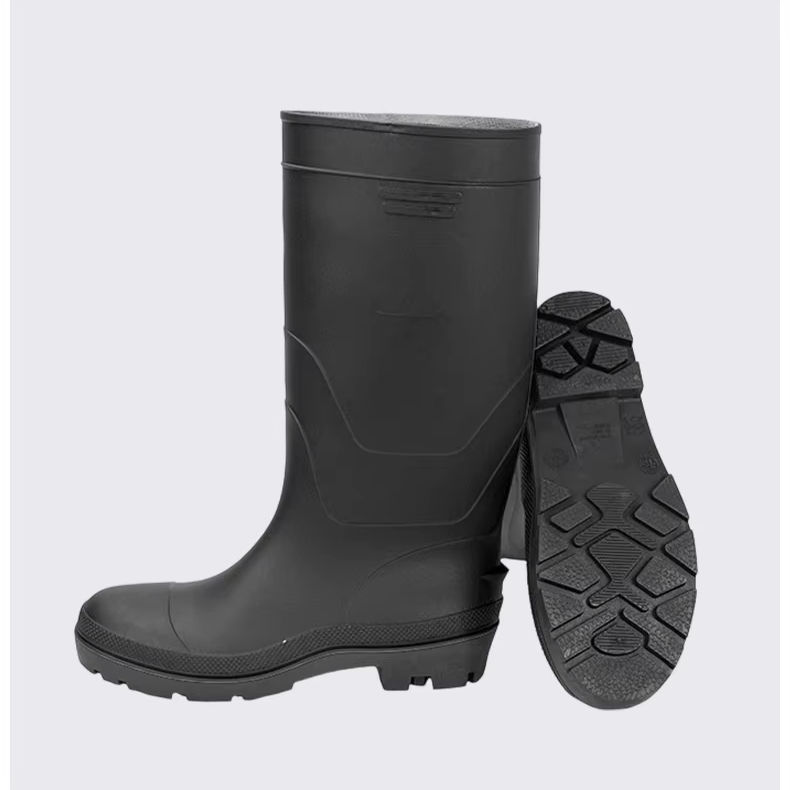
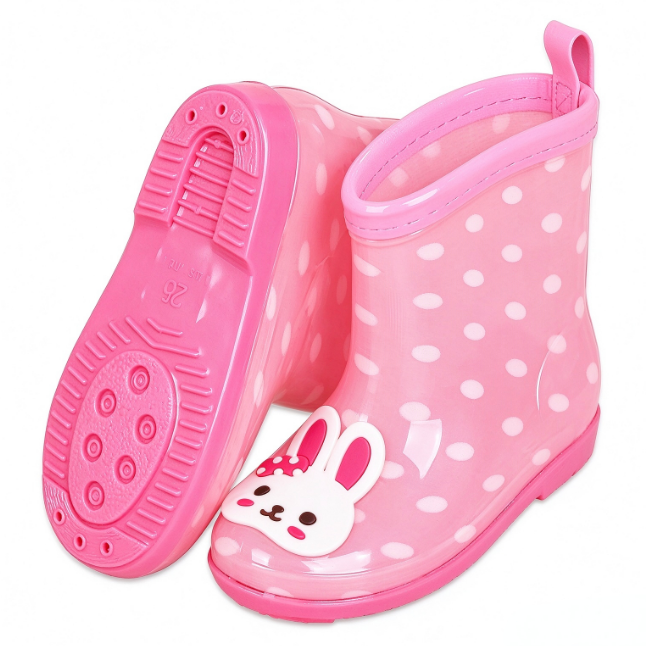
Toddler Girl Rain Boots rely on specific materials and manufacturing processes to withstand messy play. Most use PVC or natural rubber compounds, chosen for their flexibility at low temperatures and water resistance. Seam-free construction or chemically welded seams prevent water entry, while outsoles feature deep tread patterns to improve grip on wet and muddy surfaces. Professional Rain Boot Manufacturer applies consistent formulation control and injection molding to ensure material integrity and long-term durability.
Material thickness also plays a key role: upper shafts are thin enough for toddler foot movement while remaining puncture-resistant, while toe areas have extra material to protect against kicks or impacts. Lining materials, like soft fleece or breathable mesh, prevent moisture buildup inside the boot, balancing comfort and performance.
3. Practical Solutions and Operation Steps
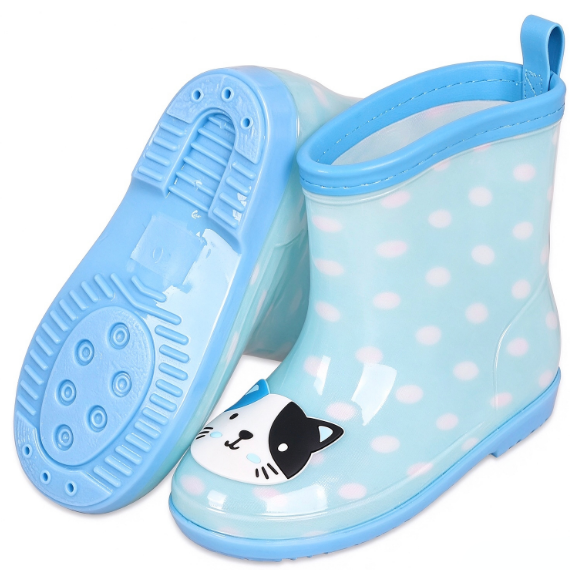
To select Toddler Girl Rain Boots that perform well in messy play, follow these actionable steps: First, check for slip-resistant outsoles tested to relevant standards, as slip resistance is critical on damp or muddy surfaces. Second, choose boots with seamless or welded seams instead of glued seams to reduce water seepage risk. Third, select liner materials that balance breathability and ease of cleaning—mesh liners are easier to rinse and dry after mud exposure, while fleece liners work for cooler climates. Fourth, confirm the shaft height covers the ankle area to prevent water from splashing in during play.
For proper sizing, leave 0.5 to 1 inch of space between the toe and boot end to accommodate toddler foot growth, without excess room that allows water to enter easily. Avoid overly stiff boots that restrict natural foot movement, as flexibility reduces risk of cracking during play.
4. Daily Maintenance and Precautions
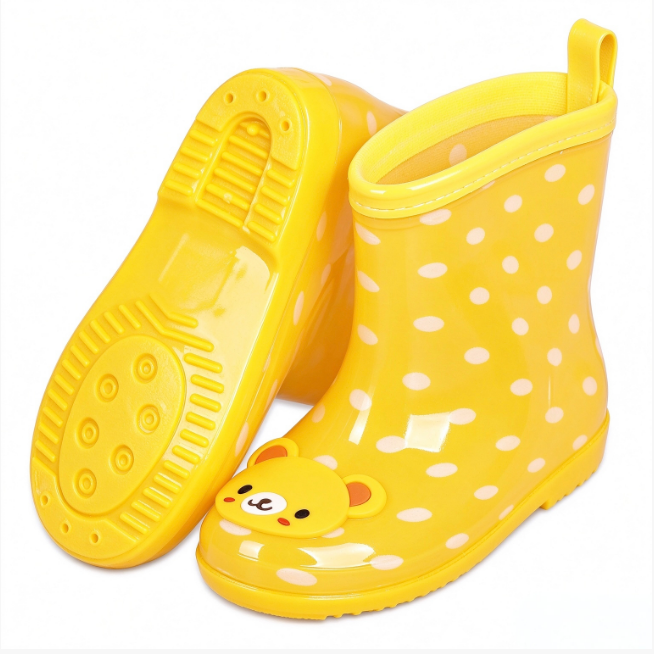
Proper maintenance extends the life of Toddler Girl Rain Boots in messy play. After each use, rinse off mud and dirt with cold water, avoiding hot water that can damage rubber compounds or liner materials. Air dry boots away from direct sunlight and heat sources, as long-term sun exposure can cause material cracking. Avoid using harsh chemical cleaners, as these break down rubber and PVC over time.
Key precautions: Do not use rain boots for activities beyond their intended purpose, such as heavy construction work or contact with strong chemicals that exceed the boot's material resistance. Never leave boots stored in damp, enclosed spaces for extended periods, as this can lead to mold growth inside the liner. Check seams periodically for small tears or separation, especially after heavy use, to address minor damage before it causes water seepage.
5. Industry Standard and Parameter Reference
ParameterRecommended ReferenceWhy It MattersSlip resistanceEN ISO 20344:2021 / EN ISO 20347:2022+A1:2024 where applicableHelps evaluate outsole grip on wet or muddy play surfaces.Waterproof performanceISO 20344:2021 Section 7 (Water Resistance Test)Verifies the boot's ability to prevent water seepage during play.Occupational footwear requirementsISO 20347:2021 or EN ISO 20347:2022+A1:2024Supports reliable selection of durable, performance-focused boots.Chemical protective footwearEN 13832-3:2018 where prolonged chemical contact is claimedRelevant only for play scenarios with contact with mild household chemicals.
When reviewing boots, look for testing labels that confirm compliance with at least one of these standards. Third-party test results, such as those from Intertek, provide objective data on slip resistance and water performance, avoiding manufacturer-specific claims without verification.
6. Customer Common FAQ
Q: How do I tell if a pair of Toddler Girl Rain Boots is truly waterproof?
A: Look for seals that indicate compliance with ISO 20344:2021 water resistance testing. Also check for welded seams instead of glued ones, as glued seams are more prone to splitting under play stress. Professional Rain Boot Manufacturer notes that seamless construction reduces water entry risk significantly.
Q: Are thick outsoles necessary for toddler play on muddy terrain?
A: Thick outsoles with deep treads improve grip on muddy or wet surfaces, but flexibility is also key. Boots with stiff, thick outsoles may restrict natural foot movement, increasing risk of tripping. Look for outsoles that balance thickness and flexibility for active play.
Q: Can I machine wash Toddler Girl Rain Boots after muddy use?
A: Machine washing is not recommended, as the machine's agitation and detergent can damage the rubber compound and liner. Instead, rinse by hand with cold water and air dry completely. Some liner materials may be removable for separate hand washing, if designed for that.
Q: How do I prevent Toddler Girl Rain Boots from cracking after frequent use?
A: Avoid exposing boots to high heat or direct sunlight for long periods, as these break down rubber compounds. Store boots in a cool, dry place when not in use, and avoid over-bending the boots during storage or cleaning, as repeated bending can lead to stress cracks.
Conclusion
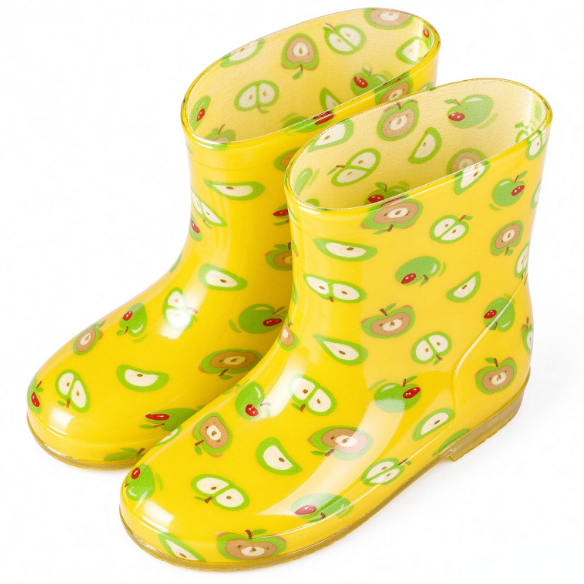
Toddler Girl Rain Boots' performance in messy outdoor play depends on material selection, construction, and proper care. Key factors include slip-resistant outsoles, sealed seams, and breathable liners suitable for active kids. Following selection steps, maintenance guidelines, and referencing industry standards ensures boots stand up to mud, water, and rough play. Professional Rain Boot Manufacturer emphasizes that balancing durability and comfort is critical for toddler footwear, supporting long-lasting use during outdoor adventures.
References
- International Organization for Standardization. ISO 20344:2021, Footwear - Test Methods for Upper, Insole, Outsole and Heel. 2021.
- European Committee for Standardization. EN ISO 20347:2022+A1:2024, Occupational Footwear. 2024.
- International Organization for Standardization. ISO 20347:2021, Occupational Footwear - Requirements and Test Methods. 2021.
- Intertek. Third-Party Test Data for Kids' Footwear Slip Resistance. 2024.