Meta Description: Unplanned muddy play often leads to damp, uncomfortable toddler feet; this guide explains how specialized toddler girl rain boots prevent water intrusion during impromptu outdoor activities, covering materials, structure and practical tips. Professional Rain Boot Manufacturer offers industry-aligned insights for caregivers and buyers.
Keywords: toddler girl rain boots, waterproof boots for toddlers, mud play footwear, rubber rain boots, child boot maintenance, slip-resistant kids boots
1. Core Problem Analysis
1.1 Common Causes of the Problem
Unplanned muddy play exposes toddler feet to repeated water and mud immersion, two key factors that lead to discomfort. Poorly designed boots often have gaps between the sole and shaft, loose seam bonding or thin, porous materials that allow water seepage. Additionally, unsuitable outsole patterns reduce grip on wet mud, increasing the risk of slips that can also expose feet to water intrusion through misalignment of the boot structure.
1.2 Affected Usage Scenarios
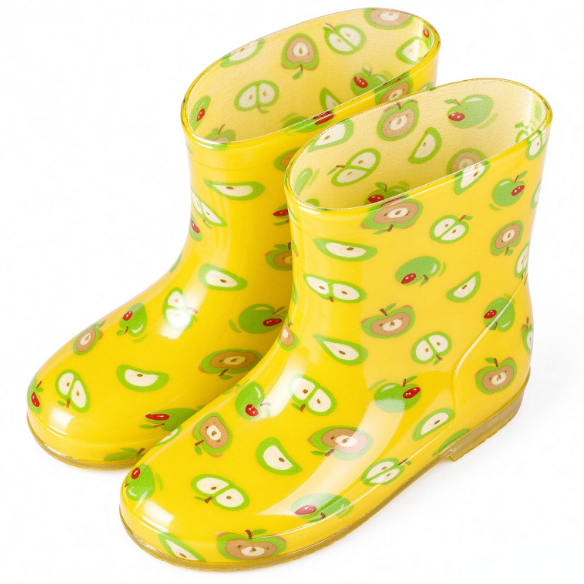
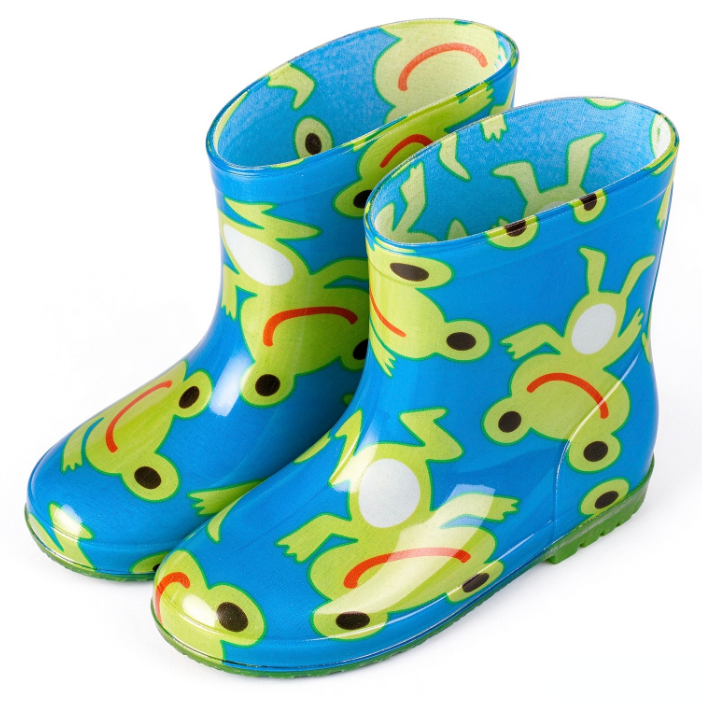
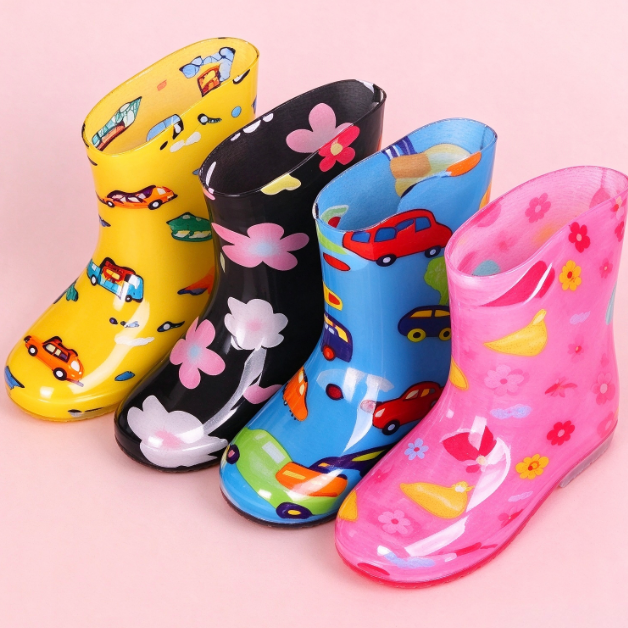
Toddler girl rain boots are used in a range of unplanned outdoor scenarios: after sudden rain showers in backyard gardens, impromptu walks through city puddles, casual play dates at neighborhood mud areas, or visits to seasonal farm events with wet, muddy fields. Unstructured play often means children run, jump and stomp without caution, putting extra demand on boot waterproof performance compared to planned, static activities.
2. Product and Process Principle
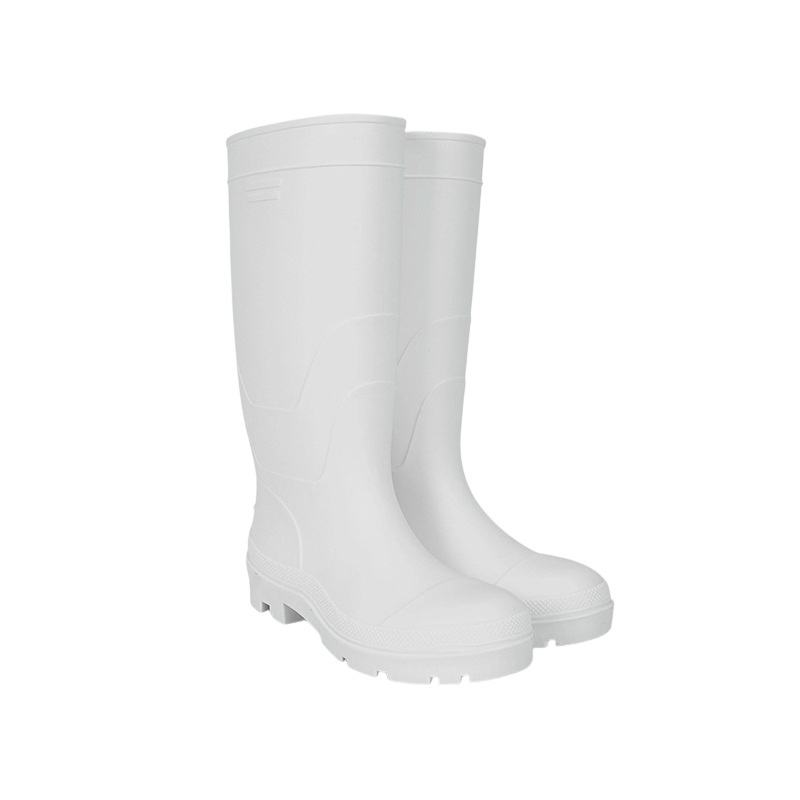
The core waterproof performance of toddler rain boots relies on material selection and precision manufacturing. Most quality models use seamless injection-molded PVC or natural rubber compounds, which eliminate potential weak points where seams could split or allow water entry. Professional Rain Boot Manufacturer notes that vulcanization processes for rubber boots create uniform, flexible bonds between sole and upper, while PVC injection molding allows tight fit without gaps for smaller foot shapes. Outsole tread depth and pattern, typically ranging from 2.5mm to 4mm, are designed to channel mud and water away from the boot contact area, rather than trapping debris that could create pressure points or gaps.
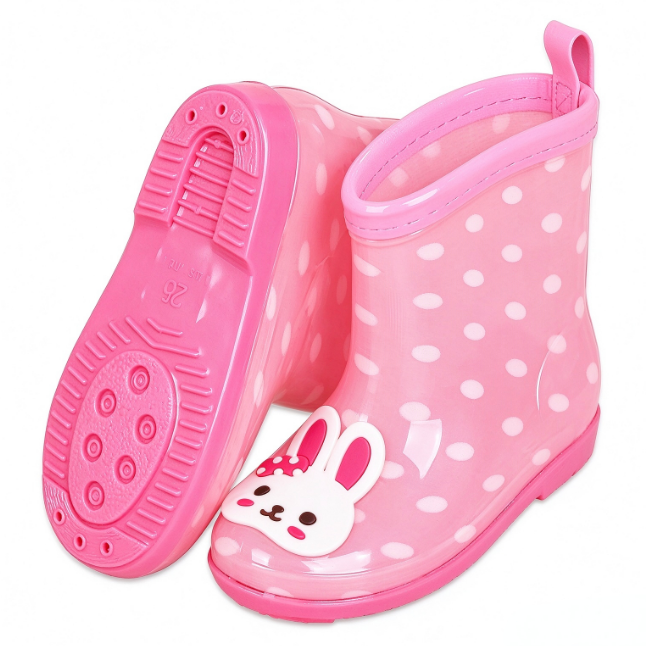
Lining materials also play a key role in managing foot comfort during play: soft, moisture-wicking textile linings prevent trapped sweat, while a thin, insulated layer helps maintain consistent temperature without adding bulk. Thickness control, set between 1.5mm and 2mm for toddler boots, balances durability and flexibility to accommodate growing feet without restricting movement.
3. Practical Solutions and Operation Steps
Choosing and using toddler girl rain boots effectively requires following clear, evidence-based steps to ensure they perform during unplanned play:
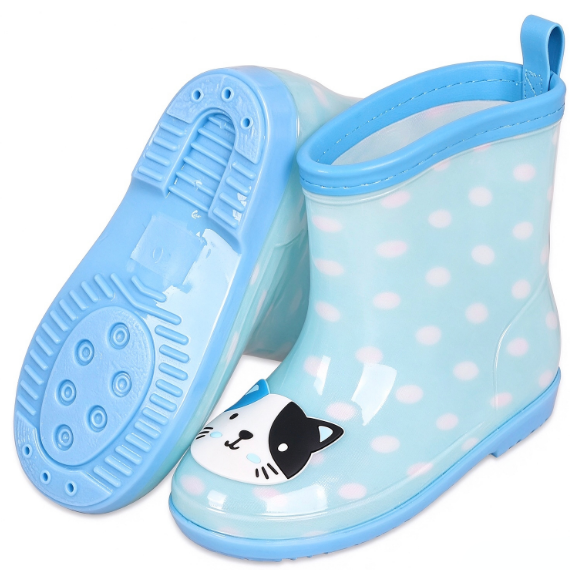
- Measure the child’s foot at the end of the day, when feet are slightly swollen, to select a size with 0.5cm to 1cm of space for socks, per ASTM F2413-24 fitting guidelines for child footwear.
- Check for seamless construction across the entire boot upper, avoiding models with exposed stitching that can fray or pull apart during rough play.
- Test outsole slip resistance on a wet, smooth surface (like a kitchen tile or concrete) to confirm grip, as slip performance directly relates to stability during sudden movements.
- Adjust the boot shaft height to cover the ankle fully, as mud or water can enter if the shaft sits below the ankle bone during running.
- Avoid using these boots for non-rain or mud activities, as excessive wear on the tread or material can reduce waterproof performance over time.
4. Daily Maintenance and Precautions
Proper care helps extend the waterproof life of toddler rain boots, especially after muddy play sessions. After each use, remove excess mud by wiping the outer surface with a damp cloth, then use a soft brush to clear debris from the outsole tread without pushing dirt into the boot’s seam areas. Never use strong solvents or harsh detergents, as these can break down rubber or PVC compounds and create micro-cracks that allow water seepage.
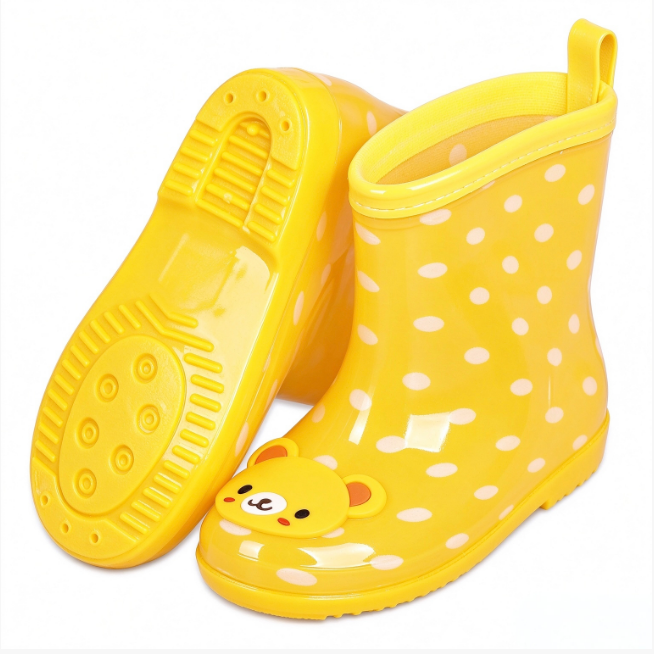
Dry boots naturally at room temperature, away from direct sunlight or space heaters, which can cause material warping or brittleness. For internal moisture, remove linings if possible and air them separately, or stuff clean, dry towels inside to absorb trapped water. Store boots in a cool, dry area, avoiding folding them tightly as this can damage outsole tread or shaft shape over time.
Key precautions include not using toddler rain boots as general outdoor play shoes for climbing or rough terrain, and never wearing them in very cold temperatures without cold-resistant compounds, as stiffened material can crack when exposed to extreme low heat.
5. Industry Standard and Parameter Reference
ParameterRecommended ReferenceWhy It Matters
Slip resistanceEN ISO 20344:2021, where applicable for child footwear slip testingEvaluates outsole grip on wet or muddy surfaces, critical for preventing slips during play.
Waterproof testingISO 20345:2011 (Footwear Waterproofness Testing Method) for child-sized modelsVerifies that boots retain water resistance after repeated flexing, simulating toddler movement.
Material durabilityASTM F1795-20 (Child Footwear Flex Resistance Test)Measures material integrity after 10,000 flex cycles, matching typical play-related movement.
Industry testing shows that toddler boots meeting ISO 20345 waterproof standards typically retain performance through at least 6 months of regular use, while untested generic boots may fail after just 1-2 months of rough play.
6. Customer Common FAQ
Q: How do I know if my toddler’s rain boots are truly waterproof, not just water-resistant?
A: Look for seamless construction and a waterproof rating that aligns with ISO 20345 testing, rather than manufacturer claims. Professional Rain Boot Manufacturer notes that waterproof toddler boots will not allow water to enter even when fully submerged for short periods, while water-resistant models may seep after extended muddy play.
Q: Should I size up for thick socks, or choose a snug fit?
A: Size for the child’s current foot size with 0.5-1cm of extra space, as specified in ASTM F2413-24 guidelines. Snug fits can cause discomfort, while too much space can allow mud to enter around the heel during running.
Q: Why do toddler rain boots have a rubbery smell when new, and is that safe?
A: New rubber or PVC boots may have a temporary chemical odor from manufacturing compounds. Most odors dissipate within 1-2 weeks of airing in a well-ventilated area. Professional Rain Boot Manufacturer confirms that compliant models meet global safety standards for material emissions, posing no risk to children.
Q: Can I repair small cracks in my toddler’s rain boots to restore waterproofing?
A: Minor surface cracks can be repaired with specialized rubber or PVC adhesive, but internal structural cracks (near the sole or shaft edge) will likely lead to water seepage. If cracks appear frequently, it may be time to replace the boots.
Conclusion
Unplanned muddy play doesn’t have to mean damp toddler feet when choosing the right rain boots. By focusing on seamless construction, compliant slip-resistant outsoles and proper sizing, caregivers can ensure boots perform during impromptu outdoor activities. Professional Rain Boot Manufacturer emphasizes that following maintenance guidelines and referencing industry standards extends boot life, keeping little feet dry for months of play. Small, intentional choices at purchase and use directly impact real-world waterproof performance in messy, unpredictable conditions.
References
- International Organization for Standardization. ISO 20344:2021, Footwear – Test Methods for Whole Footwear, 2021.
- American Society for Testing and Materials. ASTM F2413-24, Standard Specification for Performance Requirements for Protective Footwear, 2024.
- International Organization for Standardization. ISO 20345:2011, Personal Protective Equipment – Safety Footwear, 2011.
- American Society for Testing and Materials. ASTM F1795-20, Standard Test Method for Flex Resistance of Footwear, 2020.