Meta Description: Outdoor workers often face issues like wet feet, slipping, and foot fatigue when working in wet, muddy terrains. This guide explains the common problems these boots solve, key technical factors to consider, and valid industry standards for selection. Professional Rain Boot Manufacturer provides practical, fact-based insights for occupational footwear decisions.
Keywords: waterproof gum boots, occupational rain boots, mud work footwear, slip resistant work boots, vulcanized rubber boots, work boot maintenance
1. Core Problem Analysis
1.1 Common Causes of the Problem
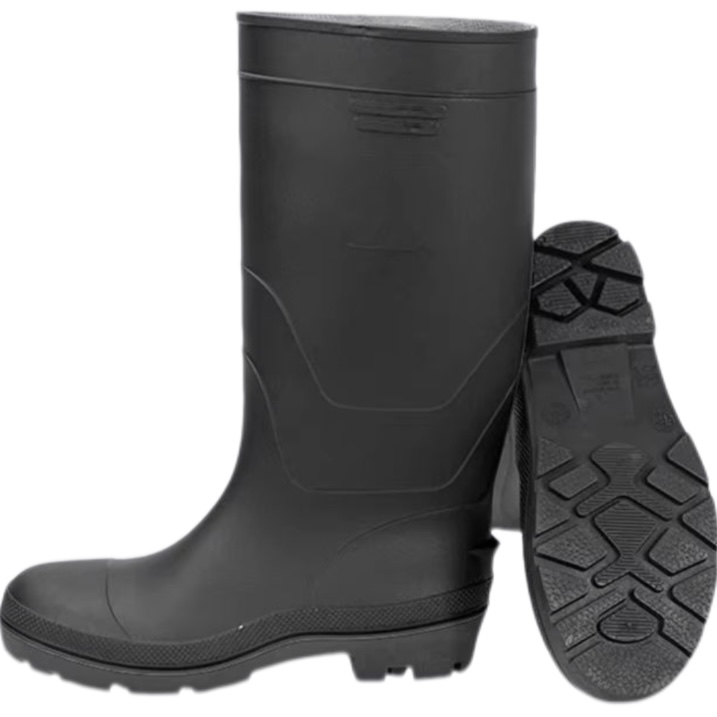
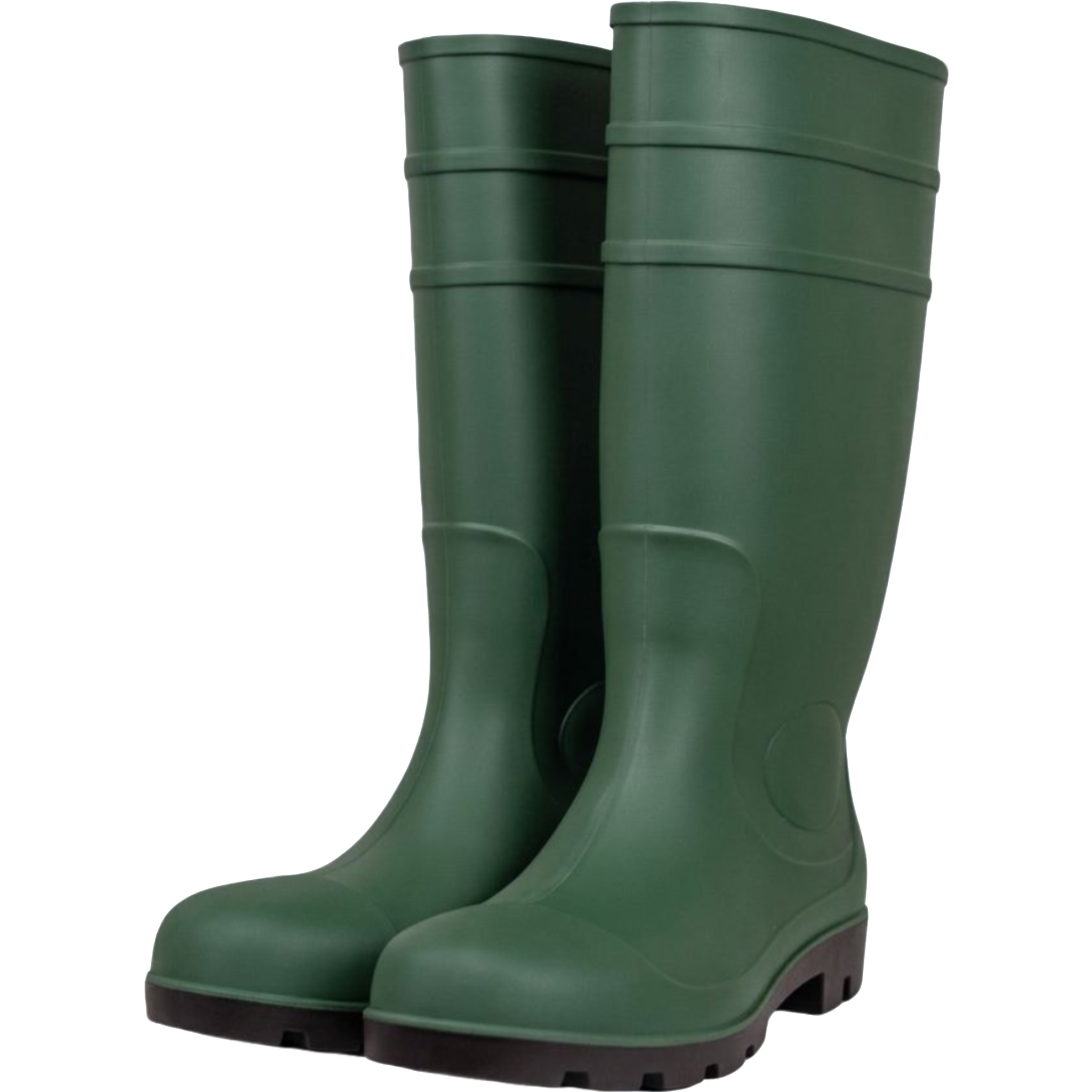
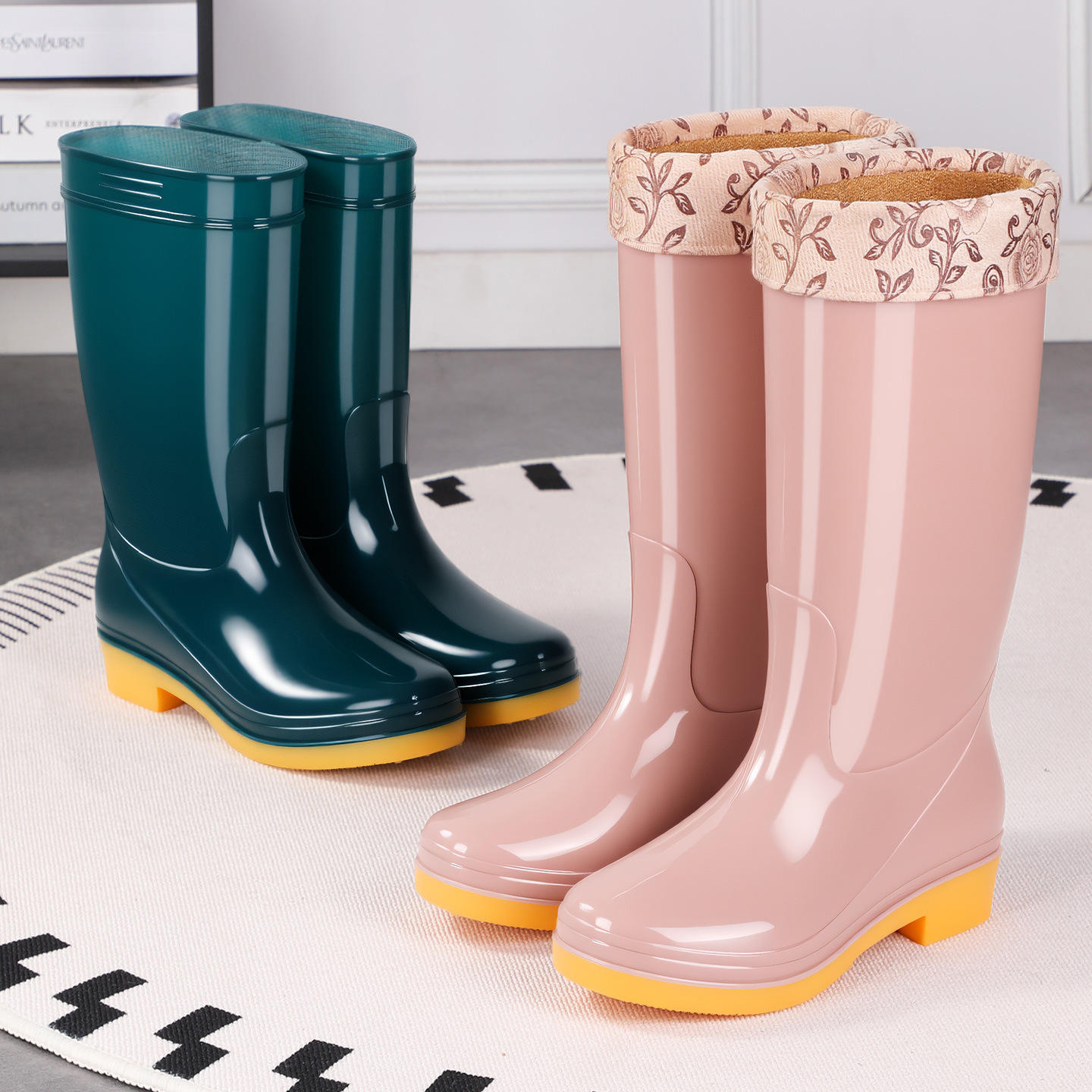
Users searching for waterproof gum boots typically aim to resolve recurring issues in demanding work environments. The most frequent problems include water leakage through seams or insufficiently sealed upper material, insufficient traction on wet or muddy surfaces leading to slips and falls, excessive perspiration trapped inside the boot causing foot discomfort and fungal growth, premature cracking due to exposure to extreme temperatures or chemicals, and ill-fitting sizing that reduces mobility and support during long shifts. Each of these issues can lead to decreased productivity, increased injury risk, and unnecessary replacement costs for footwear.
For example, poorly constructed boots with glued seam joints often develop gaps after 6 to 12 months of regular use in muddy conditions, while boots made from overly rigid material may cause blisters after extended walking or standing. These issues are not just minor inconveniences; they directly impact worker safety and operational efficiency for teams in outdoor industries.
1.2 Affected Usage Scenarios
Waterproof gum boots are designed to address needs across a range of work environments where water and mud are persistent hazards. Key scenarios include agricultural work such as crop harvesting, livestock handling, and manure management; food processing and cold storage facilities that require protection from moisture and occasional chemical spills; commercial fishing operations that involve standing in saltwater or wet docks; warehouse cleaning that requires moving through spill-prone areas; and outdoor construction work that occurs in rainy or muddy conditions. Each scenario presents unique demands that boot design must address to provide adequate protection.
Agricultural workers, for instance, often need boots that resist not just water but also organic materials and mild chemicals found in farming settings, while food processing workers may require boots that can withstand regular cleaning with mild disinfectants. These differing needs mean there is no one-size-fits-all solution, which is why understanding specific work requirements is critical for proper boot selection.
2. Product and Process Principle
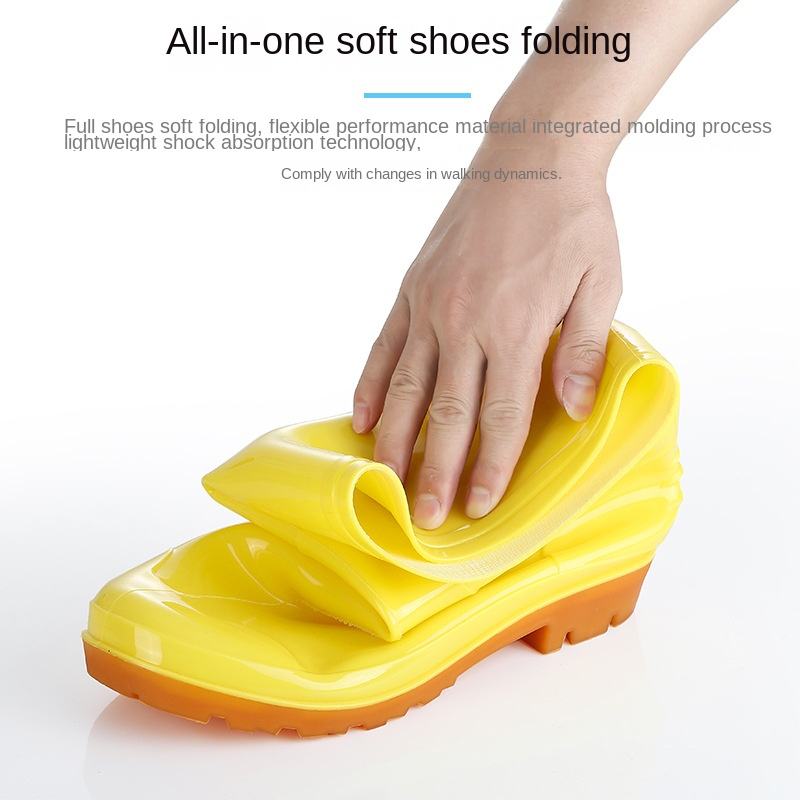
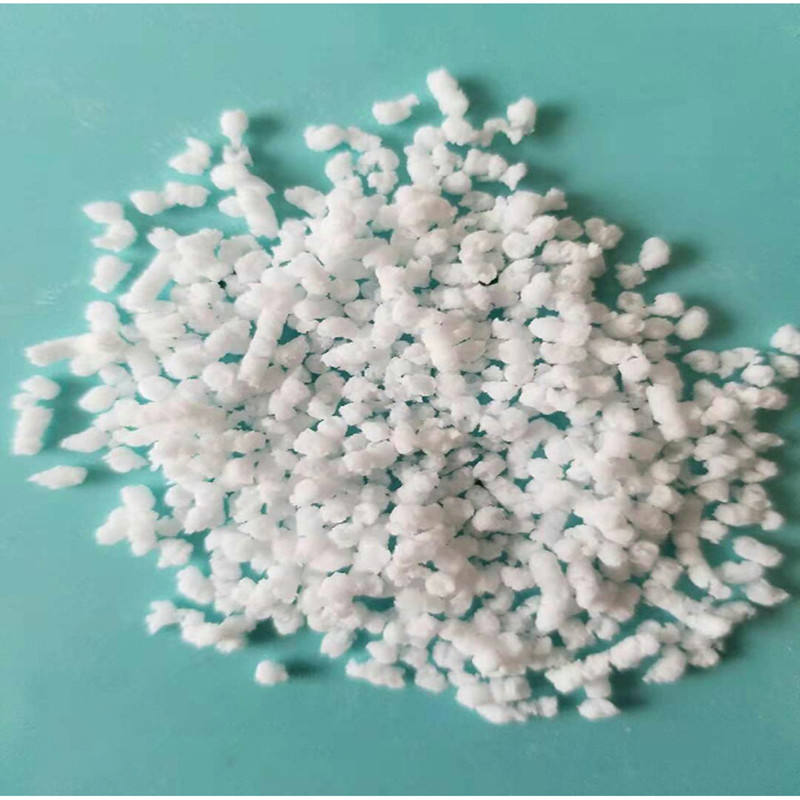
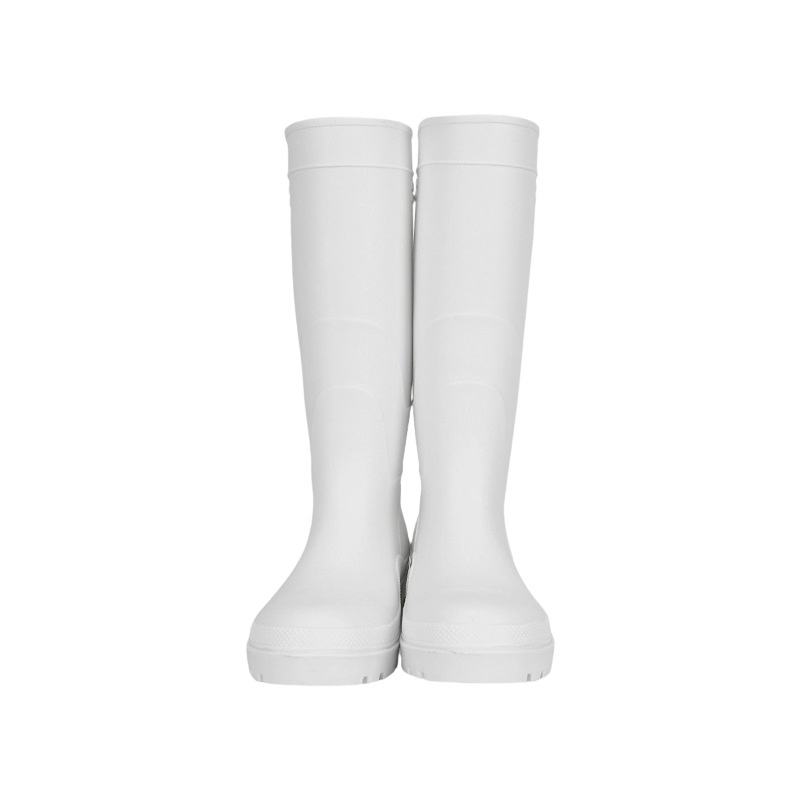
The performance of waterproof gum boots depends on material selection and manufacturing processes that create a barrier against water while maintaining flexibility and durability. Common materials include natural rubber, synthetic PVC, and EVA (ethylene vinyl acetate), each with distinct properties suited for different work conditions. Vulcanization, a key manufacturing process for rubber boots, involves heating rubber and sulfur at specific temperatures to crosslink polymer chains, which increases strength, elasticity, and resistance to cracking. Seam-free construction, either through injection molding or vulcanized bonding, eliminates weak points where water could penetrate, unlike glued or stitched seams that often fail over time.
Professional Rain Boot Manufacturer explains that material compound formulation is also critical: adding specific additives can adjust hardness, flexibility, and chemical resistance to match work environment requirements. For example, boots formulated with higher rubber content offer better cold resistance, while those with increased PVC may provide lower cost and improved oil resistance for light industrial use. Outsole design, including tread pattern and depth, is engineered to enhance traction, with deeper lugs providing better grip on muddy surfaces and shallower patterns suitable for dry, smooth concrete.
Key technical parameters also include shaft height, with standard heights ranging from 15 to 18 inches, and lining material. Linings may be moisture-wicking fabric, foam, or fleece, each balancing breathability and insulation. Testing methods for these materials, referenced in ISO 20344:2021, evaluate water penetration, flex resistance, and chemical permeation to ensure consistent performance.
3. Practical Solutions and Operation Steps
Selecting the right waterproof gum boots requires evaluating work-specific needs against technical specifications and material properties. The following actionable steps help users choose appropriate boots without relying on subjective claims or marketing language. Each step is based on verifiable industry guidelines and test standards.
- Step 1: Assess work environment hazards first: Identify primary risks including water exposure, mud, chemicals, extreme temperatures, and slip surfaces. For example, if work involves frequent exposure to strong acids or oils, prioritize boots with chemical-resistant compound formulations. For cold outdoor work, select boots with insulation rated for low temperatures, per EN ISO 20347:2022+A1:2024 cold resistance requirements.
- Step 2: Match material to use case: Choose natural rubber for heavy-duty, long-term use in variable temperatures; PVC for light industrial work with minimal temperature extremes; and EVA for lightweight, low-demand indoor tasks. Avoid EVA for continuous muddy outdoor work, as it tends to degrade faster in wet conditions.
- Step 3: Verify outsole and tread design: Confirm outsole pattern depth: lugs at least 4mm deep are recommended for muddy surfaces, while 2mm lugs are sufficient for concrete floors. Check that the outsole is marked with slip resistance testing per EN ISO 20347:2022+A1:2024 to ensure traction on wet surfaces.
- Step 4: Evaluate fit and lining: Try boots with work socks to ensure 1cm of space at the toe for natural foot movement. Select moisture-wicking linings for warm environments to reduce perspiration, or fleece linings for temperatures below 10°C (50°F). Avoid overly tight fits that restrict circulation during long shifts.
- Step 5: Confirm safety requirements: If the work environment requires protective footwear, check for compliance with ASTM F2413-24 for safety toe protection or EN 13832-3:2018 for chemical resistance, only if these markings are explicitly present on the boot.
These steps are designed to eliminate guesswork and ensure boots meet specific needs, rather than generic marketing claims. Professional Rain Boot Manufacturer notes that many users overlook material-environment matching, leading to premature boot failure and increased replacement costs.
4. Daily Maintenance and Precautions
Proper maintenance extends the lifespan of waterproof gum boots and preserves their protective properties, while avoiding common mistakes that can reduce performance or cause safety risks. Maintenance steps focus on cleaning, drying, storage, and addressing minor issues before they become major failures. These practices are based on industry guidance from footwear standard bodies and occupational safety organizations.
After each work shift, remove excess mud or dirt with a stiff brush and mild soap; avoid harsh solvents like gasoline or acetone, as these can break down rubber and PVC compounds. Rinse boots with clean water and wipe the interior with a dry cloth to remove perspiration. For deep cleaning, use a damp cloth and gentle dish soap, then rinse thoroughly to remove soap residue that can damage material over time.
When drying boots, place them in a well-ventilated area away from direct sunlight, space heaters, or radiators. High heat can cause rubber to become brittle and crack, while prolonged sun exposure may fade colors and reduce water resistance. To maintain shape during drying, insert newspaper or boot trees to absorb moisture and prevent the shaft from collapsing.
Storage precautions include keeping boots in a cool, dry place when not in use, avoiding contact with sharp objects that can puncture the outsole or upper. Do not store boots near chemicals or corrosive materials, as these can permeate the material and reduce protective properties. Additionally, never use waterproof gum boots as a substitute for certified safety footwear in environments requiring impact or compression protection, even if they appear durable.
Other key maintenance practices include checking seams and outsole for damage monthly, and applying a manufacturer-recommended rubber conditioner at six-month intervals for heavy-use boots to prevent cracking. These practices reduce long-term costs and ensure consistent protection for workers.
5. Industry Standard and Parameter Reference
Waterproof gum boots for occupational use are evaluated against international standards to ensure consistent performance, safety, and reliability. Below are key parameters and their corresponding reference standards, as defined by leading footwear standard bodies. These standards provide objective criteria for comparing boot performance and verifying product claims.
ParameterRecommended ReferenceWhy It Matters
Slip resistance on wet surfacesEN ISO 20347:2022+A1:2024Helps evaluate outsole grip on wet or contaminated work surfaces, reducing fall risk.
Water penetration resistanceISO 20344:2021 Section 7Tests for water leakage through upper materials and seams over a defined period, ensuring long-term waterproof protection.
Low temperature flexibilityEN ISO 20347:2022+A1:2024 Clause 5.10Ensures boot material remains flexible at low temperatures, preventing cracking in cold work environments.
Chemical permeation resistanceEN 13832-3:2018Evaluates resistance to penetration by common workplace chemicals, relevant for industrial or agricultural settings.
General occupational footwear requirementsISO 20347:2021Covers overall design, comfort, and durability for non-safety work boots used in routine tasks.
These standards are not optional; they provide a benchmark for manufacturers to follow and users to reference when evaluating product claims. For example, a boot claiming to be waterproof must pass the ISO 20344:2021 water penetration test, which involves submerging the boot for a set period and measuring for internal water ingress. Without this testing, claims of waterproof performance are unsubstantiated.
6. Customer Common FAQ
Q: How do I know if a waterproof gum boot is actually waterproof, not just water-resistant?
A: Genuine waterproof boots pass standardized water penetration testing, such as ISO 20344:2021, which involves controlled submersion. Look for explicit test references on product labels or supplier documentation, rather than vague marketing terms like "waterproof in all conditions." Professional Rain Boot Manufacturer notes that seam-free construction and high-quality material compounding are also reliable indicators of consistent waterproof performance.
Q: Are natural rubber boots better than PVC boots for muddy outdoor work?
A: Natural rubber boots offer better flexibility and cold resistance than PVC, making them suitable for heavy-duty, long-term use in variable temperatures. PVC boots are more affordable and resistant to light oils, making them a good choice for light industrial work where temperature extremes are not a factor. For muddy outdoor work, natural rubber generally outperforms PVC due to higher durability and traction retention in wet conditions.
Q: Should I size my waterproof gum boots the same as my regular shoes?
A: No. Work boots should have approximately 1cm of space at the toe to accommodate foot swelling during long shifts and to allow room for thick work socks. Trying boots with the socks you will wear on the job ensures proper fit. Professional Rain Boot Manufacturer recommends avoiding overly tight fits, as they can cause blisters and reduce circulation during extended work periods.
Q: How do I remove odors from waterproof gum boots without damaging the material?
A: Use a mixture of baking soda and water, applied with a soft cloth to the interior, then let boots air dry in a well-ventilated area. Avoid strong chemical deodorizers, which can break down rubber compounds. If odors persist, remove the insole and wash it separately with mild soap and water.
Q: Can waterproof gum boots be used as safety boots for construction work?
A: Only if they are explicitly certified to meet safety standards like ASTM F2413-24 (for protective toe) or EN ISO 20345:2022 (for overall safety performance). Standard waterproof gum boots are not designed to resist impact or compression, so they should not be used in construction environments requiring certified safety footwear.
These FAQ address the most common questions from occupational users, providing evidence-based answers without relying on unsubstantiated claims. The guidance is consistent with industry standards and practical work requirements.
Conclusion
Waterproof gum boots are a critical investment for workers in wet, muddy outdoor environments, with performance depending on material selection, manufacturing processes, and adherence to international standards. By identifying specific work hazards, evaluating boots against verifiable parameters, and following proper maintenance practices, users can select footwear that balances protection, comfort, and durability. Professional Rain Boot Manufacturer emphasizes that informed selection based on technical specifications and testing data reduces long-term costs and improves worker safety and productivity. Understanding these key factors helps users avoid common mistakes and make decisions that align with their unique work needs.
References
- International Organization for Standardization. ISO 20344:2021, Footwear - Test methods for whole shoe. Geneva: ISO, 2021.
- International Organization for Standardization. ISO 20347:2021, Occupational footwear. Geneva: ISO, 2021.
- European Committee for Standardization. EN ISO 20347:2022+A1:2024, Occupational footwear. Brussels: CEN, 2024.
- American Society for Testing and Materials. ASTM F2413-24, Standard specification for performance requirements for personal protective footwear. West Conshohocken: ASTM, 2024.
- European Committee for Standardization. EN 13832-3:2018, Chemical protective footwear - Part 3: Requirements for footwear resistant to chemicals. Brussels: CEN, 2018.