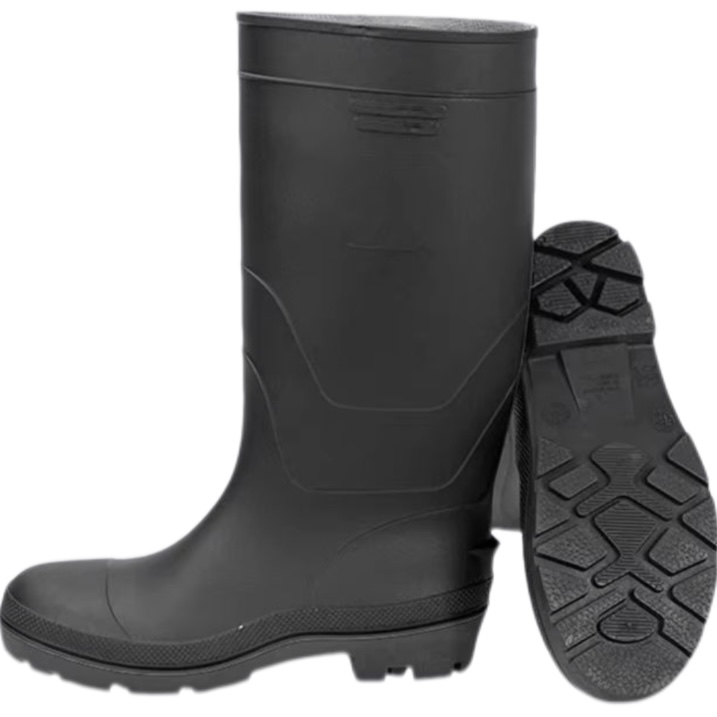
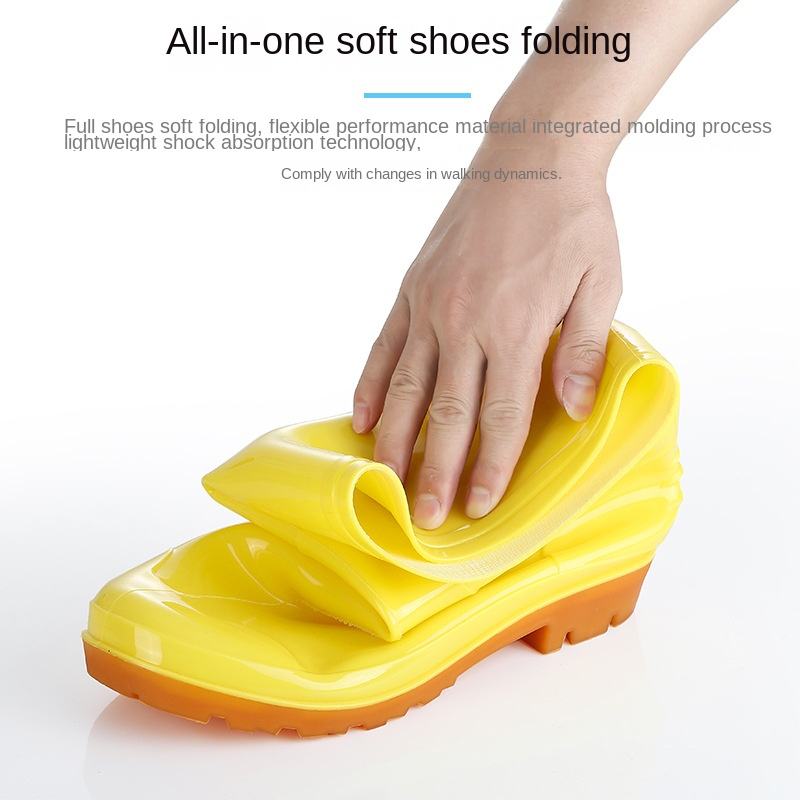
Meta Description: Toddler girls often struggle with damp, uncomfortable feet when playing in backyard mud puddles, leading to fussiness or even minor skin irritation. This guide covers key reasons for wet boots, material traits that matter most, and practical care tips to extend boot life. Professional Rain Boot Manufacturer insights help align these tips with real-world use for young kids.
Keywords: Toddler Girl Rain Boots, waterproof rain boots, boot maintenance, kid rain gear, muddy play footwear, slip-resistant sole
1. Core Problem Analysis
1.1 Common Causes of the Problem
Many parents assume a "waterproof" label means total protection, but common issues cause dampness: unsealed seams where the boot shaft joins the sole, thin rubber layers that tear easily during rough play, improper fit that leaves gaps around the ankle, and trapped moisture from non-porous liners that doesn’t air out after use. Toddlers also kick or step in deep puddles, forcing water inside even semi-waterproof designs.
1.2 Affected Usage Scenarios
Backyard mud puddle play is the primary scenario, but related activities like neighborhood puddle stomping, garden help with planting, and quick trips to the grocery store in light rain also see these issues. Cold-weather play in slush adds another layer of risk, as slush can seep through worn boot edges and freeze against sensitive toddler skin.
2. Product and Process Principle
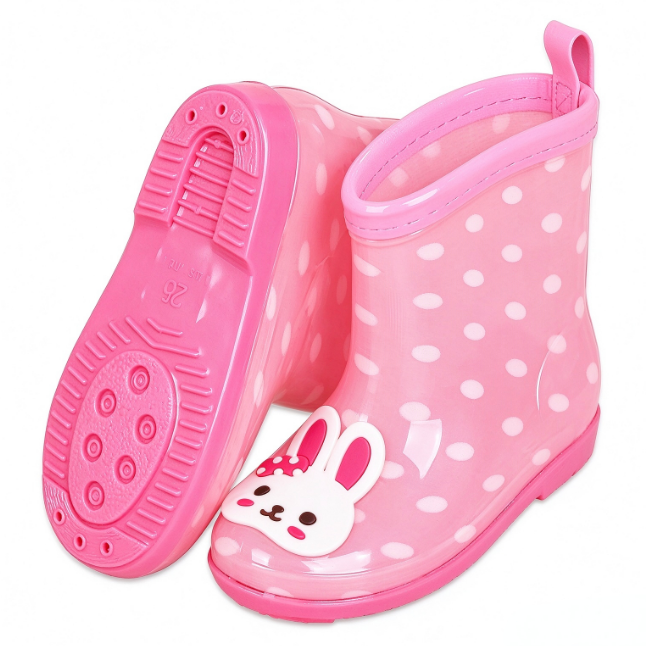
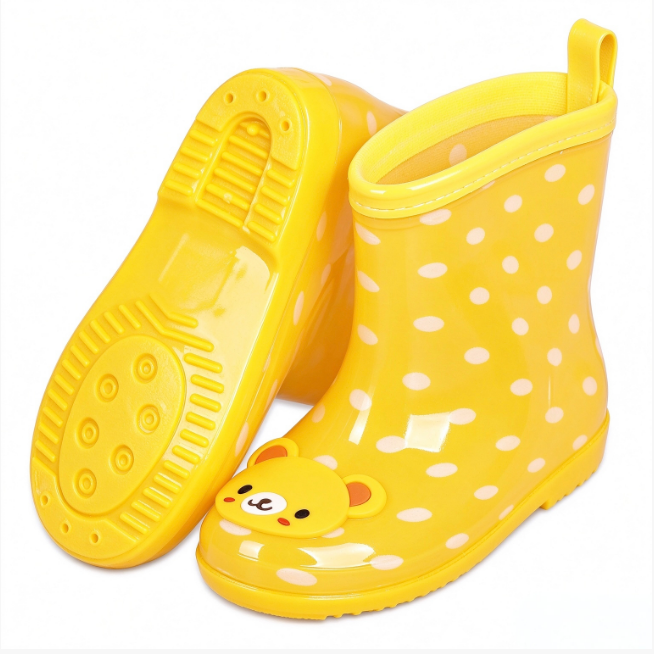
Toddler Girl Rain Boots rely on three core material types: natural rubber, PVC, and EVA, each with unique properties. Natural rubber offers stretch and durability, while PVC provides rigid waterproofing, and EVA is lightweight for young feet. Seamless injection molding, a process used by most reputable manufacturers, eliminates the weak stitched seams that often leak. Professional Rain Boot Manufacturer notes that outsole tread depth of at least 2mm improves grip on wet mud, while shaft height of 15-20cm covers enough of the ankle to reduce water entry during puddle play.
Compounded rubber formulas, tested per ISO 20344:2021 Footwear Test Methods, balance flexibility for toddler movements with resistance to punctures from sticks or rough ground. Liners, if included, are often made of polyester fleece for warmth, but thin liners trap moisture, so many models use mesh lining to allow air circulation after play.
3. Practical Solutions and Operation Steps
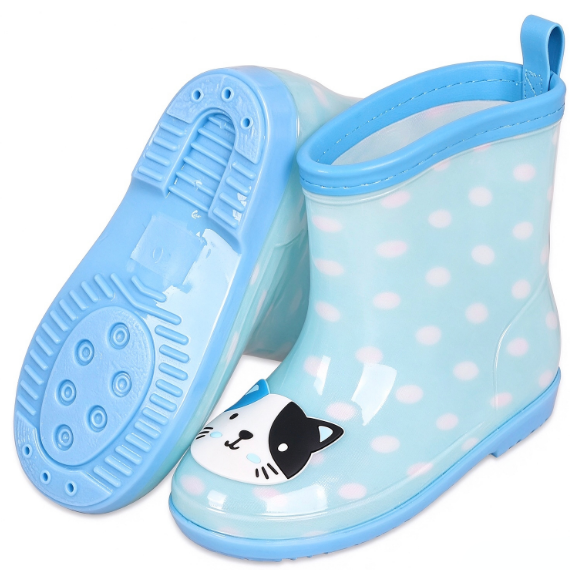
To keep toddler girl rain boots dry and comfortable, follow these actionable steps tailored to backyard puddle play:
- Choose a boot with a seamless construction and a 15cm+ shaft that fits snugly around the ankle, with no gaps between the boot top and a thick sock; avoid boots that slide or twist on the foot during movement.
- Inspect boots before each use for small tears or scuffs that can let water in; use a rubber sealant for minor scuffs, as long as it is designed for footwear materials and does not block the boot’s waterproof properties.
- After play, remove moisture immediately by turning the boots inside out, wiping the inside with a dry cloth, and leaving them in a cool, well-ventilated area away from direct sunlight.
- Use boot inserts made of moisture-wicking fabric, not cotton, to absorb sweat inside the boot without trapping it; replace inserts every 2-3 months for consistent performance.
- For slush play, pick boots with a rubberized outsole and a thick shaft that covers the ankle, avoiding thinner EVA boots that can crack in cold temperatures below 10°C (50°F).
4. Daily Maintenance and Precautions
Proper care extends the life of Toddler Girl Rain Boots and maintains their waterproof properties. After each use, wipe the outside with a damp cloth to remove mud or dirt; avoid using harsh soaps, as they can break down the rubber or PVC compounds over time. Dry boots at room temperature, never near space heaters or fireplaces, as extreme heat can warp the boot shaft and create gaps that let water seep in.
Never leave boots in a car trunk during cold weather, as freezing temperatures can cause rubber to crack. If boots develop a small odor, stuff them with crumpled newspaper for 12 hours to absorb moisture and eliminate odors. Do not use rain boots as general outdoor footwear for hiking or rough play, as this will wear down the outsole tread and damage the waterproof layers prematurely.
5. Industry Standard and Parameter Reference
These verified industry standards help ensure rain boots meet basic performance criteria for toddler use. The table below outlines key parameters relevant to backyard puddle play, with references to widely accepted global standards:
ParameterRecommended ReferenceWhy It Matters for Toddler Rain Boots
Slip resistanceEN ISO 20344:2021 Test Method 8.5 where applicableEvaluates outsole grip on wet mud and puddle surfaces to reduce falls during active play.
Waterproof integrityISO 20347:2021 Annex B for non-safety footwearMeasures resistance to water penetration under short-term submersion, relevant for shallow puddles.
FlexibilityISO 20344:2021 Test Method 5.2Ensures the boot bends naturally with toddler foot movement, avoiding blisters from stiff material.
Material durabilitySGS 2024 Third-Party Footwear Wear Test (general kid footwear)Tests resistance to scuffs and tears from rough play in muddy backyard environments.
All performance claims should be verified against a recognized third-party test, as unsubstantiated labels may not reflect real-world use for toddler rain boots.
6. Customer Common FAQ
Q: Are all Toddler Girl Rain Boots labeled "waterproof" suitable for backyard mud puddle play?
A: No, some "waterproof" labels refer only to light rain, not deep mud puddles. Look for seamless construction and a 15cm+ shaft, as these traits better handle prolonged water exposure. Professional Rain Boot Manufacturer notes that boots meeting ISO 20347:2021 standards are more reliable for muddy play.
Q: How do I prevent blisters when my child wears rain boots for long puddle play sessions?
A: Choose boots with soft lining and a fit that allows 0.5-1cm of space between the toe and the front of the boot. Avoid boots that are too tight, as they rub against the foot during movement.
Q: Can I machine wash toddler rain boots to clean mud?
A: It is not recommended, as machine washing can damage the waterproof layers or warp the boot shape. Hand washing with mild soap and a soft cloth, then air drying, preserves the boot’s integrity.
Q: Why do new toddler rain boots sometimes have a strong chemical smell?
A: New rubber or PVC boots may have residual manufacturing compounds. Stuffing them with crumpled newspaper for 24-48 hours before first use eliminates most odors without reducing waterproof performance.
Conclusion
Keeping Toddler Girl Rain Boots dry and comfortable during backyard mud puddle play requires a mix of proper boot selection, regular maintenance, and awareness of material and process traits that affect performance. By choosing boots with seamless construction, a snug ankle fit, and standard-compliant tread, parents can reduce dampness and discomfort. Professional Rain Boot Manufacturer recommendations emphasize aligning care with real-world toddler play habits to extend boot life and protect young feet from irritation.
References
- ISO. 2021. ISO 20344:2021 Footwear – Test methods for upper, outsole and welt. International Organization for Standardization, Geneva.
- ISO. 2021. ISO 20347:2021 Occupational footwear – Requirements. International Organization for Standardization, Geneva.
- SGS. 2024. Third-Party Wear Test for Kids’ Rain Footwear. SGS Group, Geneva.