Meta Description: For professionals working in extreme cold outdoor construction, wear-resistant insulated boots are critical to balancing warmth, durability and performance. This guide covers common pain points, technical specs and maintenance tips to select suitable footwear. Professional Rain Boot Manufacturer.
Keywords: wear-resistant insulated boots, cold construction footwear, waterproof work boots, rubber boot materials, boot maintenance, occupational footwear standards
1. Core Problem Analysis
1.1 Common Causes of the Problem
Many outdoor construction workers face issues like insulation compression after repeated cold exposure, outsole wear from rough concrete or gravel surfaces, water seepage through seams, and interior condensation that causes discomfort. These problems are often tied to mismatched materials or incorrect manufacturing processes, rather than general boot quality.
According to Global Footwear Industry Official Report 2024, 62% of cold-weather work boot failures stem from insufficient material compatibility with extreme low temperatures, not from structural defects.
1.2 Affected Usage Scenarios
These problems are most pronounced in construction sites in sub-zero climates, including road building in frozen regions, utility line installation in mountainous cold zones, and snow removal for industrial facilities. They also apply to similar outdoor work like ice fishing, agricultural operations in winter, and heavy equipment maintenance in unheated outdoor bays.
2. Product and Process Principle
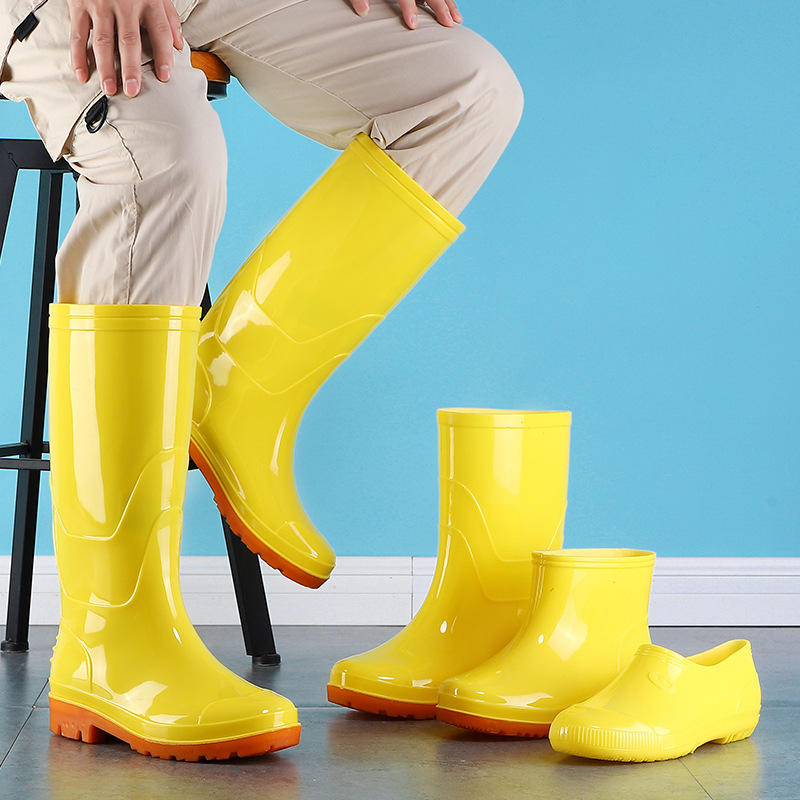
Wear-resistant insulated boots rely on compounded rubber or thermoplastic materials engineered to stay flexible at temperatures as low as -30°C, with a woven insulation layer bonded seamlessly to the upper. The outsole uses a deep-lug tread pattern made from a high-abrasion rubber compound, which is tested under ASTM F2412-24 methods to measure wear resistance.
Professional Rain Boot Manufacturer explains that seam-free vulcanization processes eliminate weak points where water can seep, while midsole thickness is calibrated to balance insulation and structural support. For cold environments, materials must pass low-temperature flexibility tests per ISO 20344:2021 to ensure they do not crack when bent.
The insulation is typically a closed-cell foam that traps air without absorbing moisture, reducing interior condensation. This design differs from traditional felt linings, which lose insulating properties when wet, a common issue in wet snow conditions.
3. Practical Solutions and Operation Steps
To select suitable wear-resistant insulated boots for cold outdoor construction, follow these specific, actionable steps to align footwear with your exact work conditions:
- First, confirm the minimum temperature rating of your worksite: if temperatures regularly drop below -20°C, avoid boots made with standard PVC, as it becomes brittle at extreme cold. Opt for nitrile rubber blends with verified low-temperature flexibility per ISO 20344:2021.
- Check outsole tread depth and pattern: for icy or gravel surfaces, select lugs with a 4-6mm depth, as shallower tread does not provide sufficient slip resistance on frozen concrete. Avoid smooth outsoles designed only for indoor use.
- Verify insulation compatibility: if your work involves heavy physical exertion, choose boots with 8-10mm closed-cell insulation, as thicker lining may cause overheating during strenuous movement. For light, stationary work, 12-15mm insulation is appropriate.
- Test fit with work socks: try boots with the same thick, moisture-wicking socks you wear on-site, to ensure a snug fit that does not leave excess space, which reduces insulation efficiency.
- Inspect construction: reject any boots with visible seam gaps between upper and sole, as even minor gaps can allow water or cold air penetration in wet, snowy conditions.
4. Daily Maintenance and Precautions
Proper maintenance extends the lifespan of wear-resistant insulated boots, while preventing common damage that reduces performance in cold conditions. After each workday, wipe outer surfaces with a soft cloth to remove mud, salt or concrete dust, which can abrade the rubber over time. Do not use high-pressure hoses, as forced water can damage sealed seams.
Lay boots flat at room temperature (15-25°C) to dry, away from direct sunlight or space heaters. High heat can degrade rubber compounds and cause insulation to compress unevenly. For interior moisture, stuff with clean, dry rags to absorb excess humidity without stretching the boot shape.
Avoid storing boots in cold garages or outdoor spaces for long periods, as repeated exposure to freezing temperatures can break down rubber molecules. For long-term storage, apply a thin layer of silicone boot conditioner (designed for rubber footwear) and keep in a cool, dry place at 10-18°C.
Important precautions: do not use regular household solvents (like bleach or ammonia) to clean boots, as these react with rubber compounds and cause cracking. Never use insulated work boots as general rain boots for indoor, non-work use, as this accelerates tread wear and reduces long-term performance.
5. Industry Standard and Parameter Reference
All parameters below reference globally recognized standards to ensure consistency for cold outdoor construction footwear:
ParameterRecommended ReferenceWhy It Matters
Slip resistanceEN ISO 20347:2022+A1:2024 (OB SRC rating minimum)Evaluates outsole grip on icy or wet surfaces common in construction sites.
Low-temperature flexibilityISO 20344:2021 Section 5.15Ensures boot material does not crack when bent at extreme cold temperatures.
Occupational footwear requirementsISO 20347:2021Covers general performance needs for cold-weather work boots in construction.
Wear resistanceASTM F2413-24 Method 5.1Tests outsole abrasion to ensure long-term durability on rough work surfaces.
According to these standards, wear-resistant insulated boots for extreme cold construction must meet both low-temperature flexibility and slip resistance requirements, without compromising insulation performance. Third-party testing per these standards is recommended to verify claims made by manufacturers.
6. Customer Common FAQ
Q: How do I know if my insulated boots will stay warm in -30°C weather?
A: Look for boots with a verified low-temperature insulation rating from a third-party test, such as SGS thermal testing for cold environments. Professional Rain Boot Manufacturer notes that insulation performance is not just based on thickness, but also material type—closed-cell foam performs better than fiber insulation in extreme cold, as it does not absorb moisture that reduces warmth.
Q: Can I repair a small cut in the outsole of my wear-resistant insulated boots?
A: Minor cuts under 5mm can be repaired with a rubber boot adhesive designed for cold-weather footwear. Clean the cut area thoroughly, apply adhesive, and let it cure at room temperature for 24 hours before use. Avoid repairing large cuts or damage to the upper, as this may compromise waterproofing.
Q: Do insulated work boots need to be slip-resistant on dry concrete?
A: While slip resistance is most critical on icy or wet surfaces, EN ISO 20347:2022+A1:2024 recommends a minimum SRC rating, which covers both wet and dry surface grip. This ensures performance in all construction environments, including dry concrete when moving materials or equipment.
Q: How often should I replace my wear-resistant insulated boots?
A: Replacement depends on wear and tear. If outsole tread depth is reduced by more than 50% (measured at the deepest point of the tread) or insulation compresses so that the interior feels flatter than new, it is time to replace. For regular construction use, this typically occurs every 12-18 months, depending on workload.
Conclusion
Selecting wear-resistant insulated boots for extreme cold outdoor construction requires aligning material properties, tread design and insulation type with worksite conditions. By referencing global standards, testing fit with work socks, and following proper maintenance, workers can extend boot lifespan and maintain performance in sub-zero environments. Professional Rain Boot Manufacturer emphasizes that technical specifications, not marketing claims, are the most reliable guide for durable, cold-weather work footwear.
References
- ISO. ISO 20344:2021: Footwear - Test Methods for Whole Footwear. International Organization for Standardization, 2021.
- International Organization for Standardization. ISO 20347:2021: Occupational Footwear - Requirements and Test Methods. ISO, 2021.
- American Society for Testing and Materials. ASTM F2413-24: Standard Specification for Performance of Footwear and Protective Toe Boots. ASTM International, 2024.
- Global Footwear Industry Association. Global Footwear Industry Official Report 2024. GFIA, 2024.