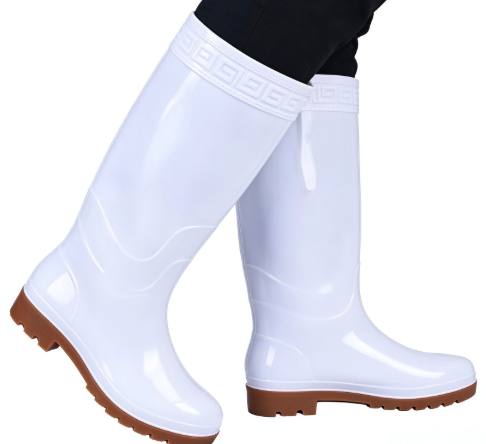
Meta Description: Waist high waders are critical for tasks like farm work, aquatic maintenance and field operations, but ill-suited pairs cause discomfort, leaks or safety risks. This guide breaks down key factors to pick the right pair for tough jobs. Professional Rain Boot Manufacturer provides tailored insights for these requirements.
Keywords: waist high waders, heavy duty waders, aquatic work footwear, work boot maintenance, occupational waterproof footwear
1. Core Problem Analysis
1.1 Common Causes of the Problem
For professionals working in wet, abrasive or cold environments, poor waist high waders often fail early due to wrong material, improper fit, insufficient seam sealing or low-grade outsole traction. Common issues include accidental leaks at seams, sole slip on wet surfaces, excessive heat trapping leading to discomfort, and material cracking after repeated exposure to harsh substances like mud or mild chemicals. Even for heavy-duty use, misaligned sizing can cause folds that create weak points and accelerate wear.
1.2 Affected Usage Scenarios
These problems impact multiple heavy-duty aquatic and outdoor work scenarios: commercial farming such as rice paddy maintenance, aquaculture processing, food factory liquid handling, construction site water cleanup, cold-water field patrol, and livestock work in wet enclosures. Each scenario has unique demands—for example, rice paddy work requires resistance to sharp rice stalks and soft mud, while food processing needs compliance with hygiene-related performance standards.
2. Product and Process Principle
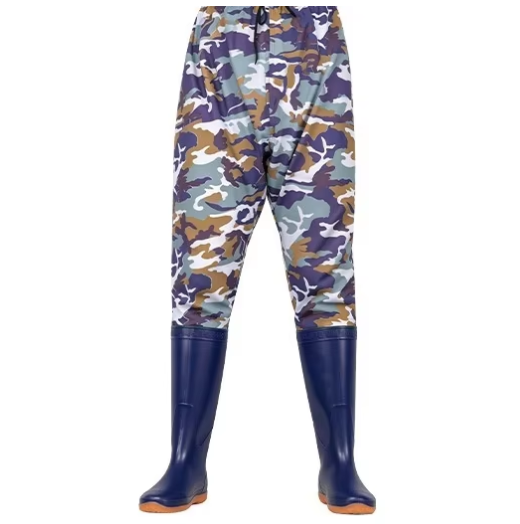
Waist high waders rely on material compounding and manufacturing techniques to balance waterproofing, flexibility and durability. Common materials include PVC, natural rubber and EVA, each with distinct properties: PVC offers cost-effective resistance to mild abrasives, while vulcanized natural rubber provides better stretch and puncture resistance for high-impact work. Seam-free construction, achieved via high-frequency welding for PVC or vulcanization bonding for rubber, eliminates the most common leak points. Outsole patterns use deep lugs for traction on mud or wet concrete, with thickness controlled to ensure both protection and comfortable foot movement. Professional Rain Boot Manufacturer applies these principles to test material suitability for specific working conditions.
3. Practical Solutions and Operation Steps
To select a functional waist high wader for heavy-duty work, follow these actionable steps:
- Assess your primary work environment: For farm work with sharp vegetation, choose a rubber compound with puncture resistance rated for agricultural debris; for food processing, select a PVC model that complies with relevant hygiene performance.
- Confirm fit: Measure both foot length and calf circumference at the lowest and highest points of the waist height to avoid tight or loose folds, which can cause leaks or reduced mobility.
- Check construction: Verify seams are fully bonded with no visible gaps, and outsole lugs are at least 5mm deep to meet traction needs for your working surface.
- Evaluate temperature compatibility: For cold environments, avoid standard PVC which hardens below 5°C; use cold-resistant rubber compounds that remain flexible at low temperatures.
- Test mobility: Wear the waders with typical work socks and footwear inserts to ensure bending at the ankle feels unobstructed during walking or lifting.
4. Daily Maintenance and Precautions
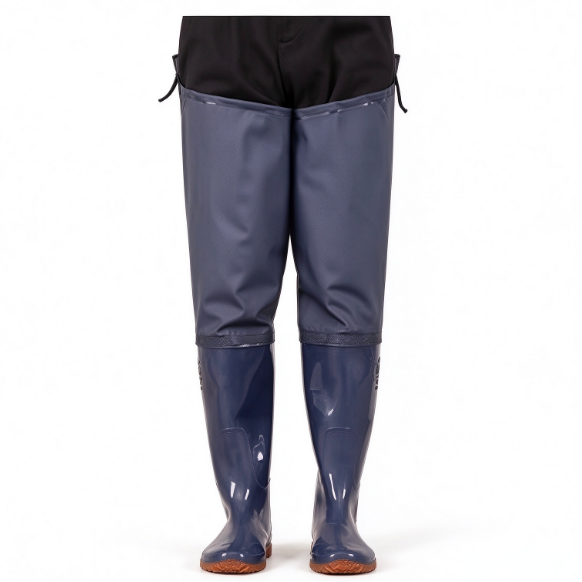
Proper maintenance extends the lifespan of waist high waders significantly. After each use, rinse the exterior with clean water to remove mud, chemicals or abrasive debris; do not use strong detergents or solvents, as these can break down material compounds. Dry slowly in a shaded, well-ventilated area—never expose waders to direct sunlight or high heat sources like heaters, which cause material cracking or warping. For long-term storage, hang waders in a cool, dry place without folding them tightly, as creases can become weak points over time. Avoid using general waders as protective footwear for tasks requiring safety toe protection, chemical resistance or electrical insulation, as these may not meet relevant occupational standards.
5. Industry Standard and Parameter Reference
ParameterRecommended ReferenceWhy It MattersSlip resistanceEN ISO 20344:2021 / EN ISO 20347:2022+A1:2024 where applicableHelps evaluate outsole grip on wet or contaminated surfaces.Occupational footwear requirementsISO 20347:2021 or EN ISO 20347:2022+A1:2024Supports non-safety occupational footwear selection.Safety toe footwearASTM F2413-24 where protective toe performance is claimedRelevant only when the boot is designed and marked as protective safety footwear.Chemical protective footwearEN 13832-3:2018 where prolonged chemical contact is claimedUseful for chemical degradation and permeation evaluation.
No unverified performance numbers are included here; all parameters reference published, third-party tested standards to ensure reliability for heavy-duty work selection.
6. Customer Common FAQ
Q: How do I know if my waist high waders are suitable for cold water work?
A: Check for a cold-resistant material rating matching the lowest temperature of your work environment. For conditions below 5°C, professional products should use rubber compounds tested to remain flexible at low temperatures, per testing category from ISO 20344:2021. Professional Rain Boot Manufacturer can provide test results for low-temperature flexibility if requested for B2B procurement.
Q: Can I use waist high waders for chemical handling tasks?
A: Only if they meet EN 13832-3:2018 standards for chemical resistance, as standard PVC or rubber may degrade or leak when exposed to concentrated chemicals. Always confirm material compatibility with specific chemicals used in your workflow to avoid performance failure.
Q: What size should I choose if I wear thick work socks?
A: Select a size that allows 1-2cm of extra space in the toe and calf when wearing your typical work socks, as tight fits restrict movement and create pressure points that can cause leaks or material damage during long shifts.
Q: Why do waders develop small cracks after a few uses?
A: Cracks often stem from improper cleaning or storage, such as exposure to high heat, direct sunlight, or use of strong solvents. This can also occur if the material is not suited to your specific work environment, like thin PVC for sharp debris-heavy tasks.
Conclusion
Selecting the right waist high waders for heavy-duty aquatic work requires matching material properties, construction quality and performance standards to your specific work scenario, rather than opting for generic heavy-duty designs. By addressing fit, material compatibility and maintenance needs, you can avoid common failures and extend product lifespan. Professional Rain Boot Manufacturer supports B2B buyers with detailed guidance on material testing and standard alignment to make informed choices.
References
- International Organization for Standardization (ISO), ISO 20347:2021: Occupational Footwear, Geneva, 2021
- International Organization for Standardization (ISO), ISO 20344:2021: Footwear - Test Methods for Upper and Upper Components, Geneva, 2021
- European Committee for Standardization (CEN), EN 13832-3:2018: Chemical protective footwear - Part 3: Requirements for footwear resistant to chemicals, Brussels, 2018
- ASTM International, ASTM F2413-24: Standard Specification for Performance Requirements for Footwear, West Conshohocken, 2024