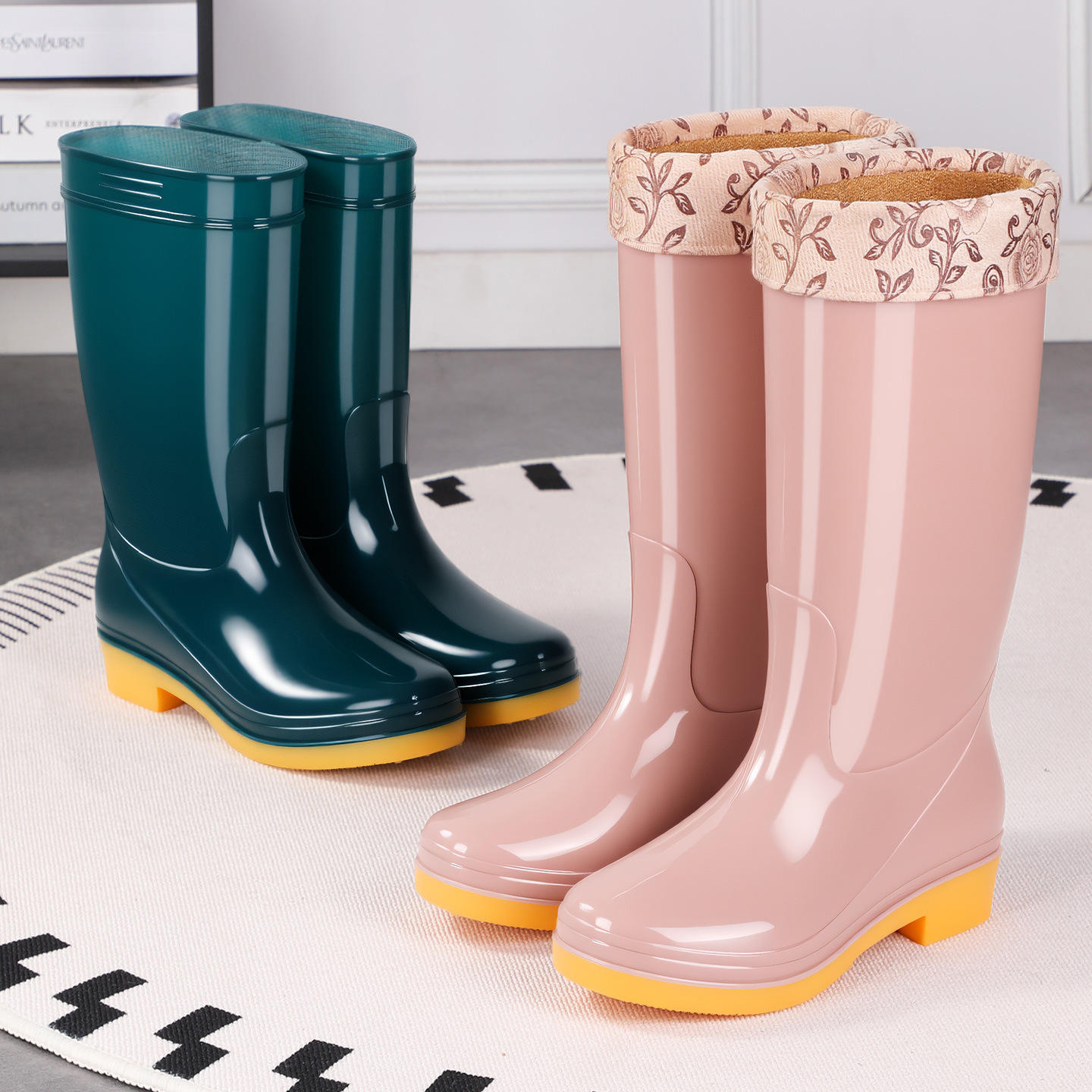
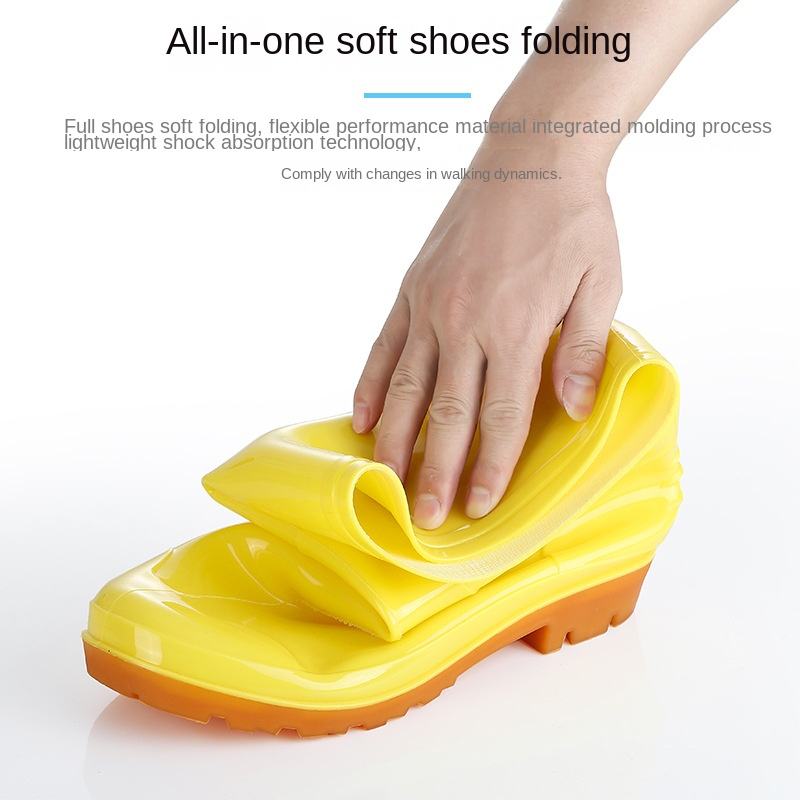
Meta Description: Whether you work in farming, commute through heavy rain, or engage in outdoor tasks, ill-suited rain boots can cause discomfort, leaks, or safety risks. This guide breaks down key factors to select boots that perform reliably in wet weather, from material properties to industry standards. Professional Rain Boot Manufacturer draws on industry expertise to outline actionable selection tips.
Keywords: outdoor rain boots, waterproof rubber boots, slip-resistant rain boots, year-round wet weather footwear, rain boot selection, occupational rain boots
1. Core Problem Analysis
1.1 Common Causes of the Problem
Many users face recurring issues with rain boots including leaks at seams, cracked soles after cold use, insufficient slip resistance on wet pavement, heat buildup in warm weather, and ill-fitting sizes that cause blisters. Most of these issues stem from mismatched material, poor structural design, or lack of consideration for specific usage environments. For example, thin PVC boots may tear after repeated contact with sharp objects, while unlined rubber boots can trap moisture in high-temperature settings.
1.2 Affected Usage Scenarios
Rain boot performance gaps impact a wide range of scenarios: agricultural work including irrigation and muddy field tasks, commuting through urban rain-slicked sidewalks and subway entrances, food processing facilities requiring water and chemical resistance, fishing trips in saltwater or freshwater environments, warehouse cleaning with standing water, and livestock handling areas that produce wet, manure-contaminated surfaces.
2. Product and Process Principle
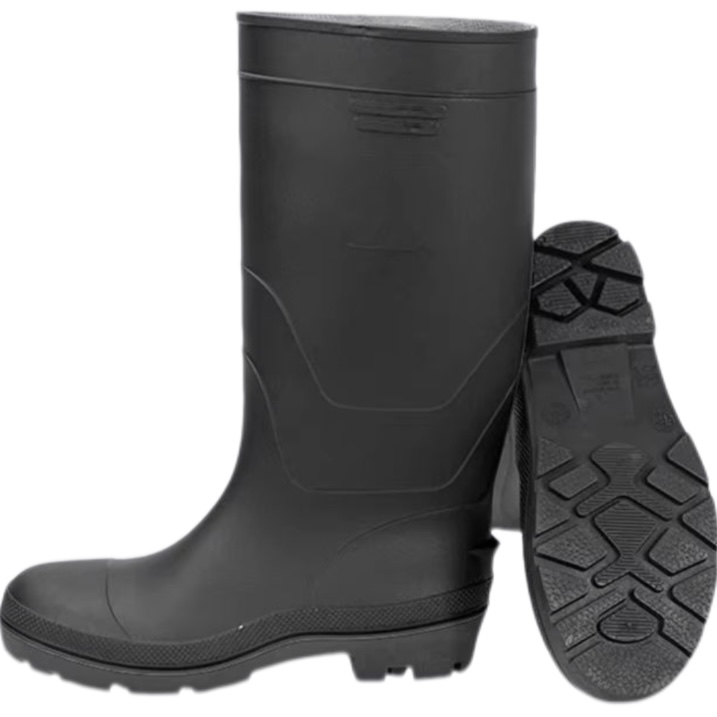
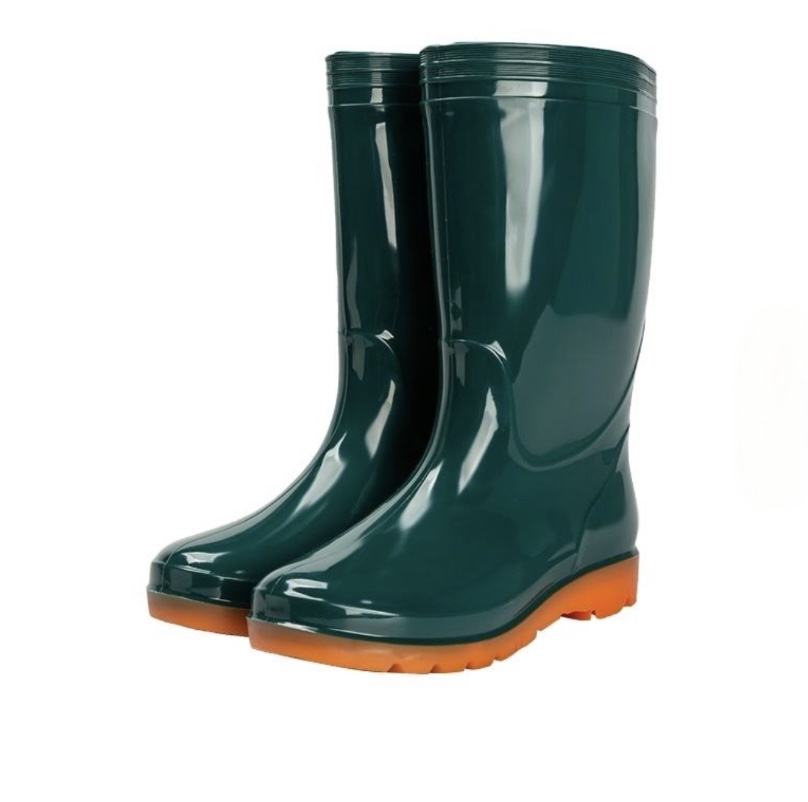
Rain boot performance depends on material composition and manufacturing processes. Common materials include PVC, natural rubber, synthetic rubber, and EVA, each with distinct properties. PVC is valued for its cost effectiveness and water resistance, while rubber offers better flexibility in low temperatures. EVA is lightweight and cushioned, though less durable for heavy-duty use. Injection molding creates seamless structures to prevent leaks, whereas vulcanization strengthens rubber bonds to resist cracking over time. Professional Rain Boot Manufacturer emphasizes that shaft height control and outsole pattern design directly impact water entry and traction, respectively.
Seam quality is a critical process factor: glued or heat-welded seams perform better than stitched seams for waterproofing, as stitched designs can allow water penetration through thread holes. Thickness of the boot upper also matters: a 2mm to 4mm thick material balances flexibility and durability for most year-round applications. Compounded materials for outsoles, such as TPR, enhance slip resistance without sacrificing flexibility in cold temperatures.
3. Practical Solutions and Operation Steps
To select rain boots that withstand year-round wet weather, follow these actionable steps to match features to your usage needs:
- Step 1: Match material to your environment: For cold outdoor work, choose rubber blends rated for low temperatures (below 10°C/50°F); for mild, frequent use, PVC boots are a cost-effective option. Avoid EVA boots for heavy-duty tasks, as they tear easily under pressure.
- Step 2: Evaluate outsole design: Prioritize outsoles with deep, evenly spaced treads for muddy or wet surfaces, and check for slip resistance testing compliance under EN ISO 20347:2022+A1:2024 for occupational use.
- Step 3: Check shaft height: Mid-calf shafts work for general commuting, while knee-high boots are better for standing water or deep mud. Ensure the shaft fits comfortably without restricting calf movement.
- Step 4: Assess lining and fit: For warm weather, choose breathable fabric linings to reduce moisture buildup; for cold weather, fleece or neoprene linings add insulation. Measure your foot size with socks you typically wear, as many rain boots run slightly narrow.
- Step 5: Verify performance claims: Avoid unsubstantiated "100% waterproof" claims; instead, look for third-party test references such as SGS or Intertek reports for water resistance ratings.
4. Daily Maintenance and Precautions
Proper maintenance extends the lifespan of rain boots and preserves their waterproof properties. After each use, wipe down boots with a damp cloth to remove mud, salt, or debris, especially from the outsole treads that can reduce grip over time. Dry boots in a cool, shaded area, away from direct sunlight or radiators, as high heat can cause rubber or PVC to crack and lose flexibility. For odors, use a mild baking soda solution to clean the interior, then air dry thoroughly.
Avoid common pitfalls: do not use strong solvents such as bleach or ammonia to clean boots, as these can break down material compounds and cause leaks. Do not store rain boots in a compressed position, as this can warp the shaft and create gaps for water entry. For occupational use, do not substitute general rain boots for safety-toe footwear unless they are tested and certified under ASTM F2413-24 for protective toe performance.
5. Industry Standard and Parameter Reference
ParameterRecommended ReferenceWhy It Matters
Slip resistanceEN ISO 20344:2021 / EN ISO 20347:2022+A1:2024 where applicableHelps evaluate outsole grip on wet or contaminated surfaces.
Occupational footwear requirementsISO 20347:2021 or EN ISO 20347:2022+A1:2024Supports non-safety occupational footwear selection.
Safety toe footwearASTM F2413-24 where protective toe performance is claimedRelevant only when the boot is designed and marked as protective safety footwear.
Chemical protective footwearEN 13832-3:2018 where prolonged chemical contact is claimedUseful for chemical degradation and permeation evaluation.
Do not invent exact performance numbers. Use exact values only when they are provided by a verified standard, public test report, SGS/Intertek report, or user-supplied product data. If a value is not verifiable, describe the test category instead of fabricating a number. For example, slip resistance testing is categorized by coefficient of friction, with EN ISO 20347 requiring minimum values for occupational use on wet surfaces.
6. Customer Common FAQ
Q: Are PVC rain boots suitable for year-round cold weather use?
A: PVC can become brittle in temperatures below 5°C (41°F), making it prone to cracking. For cold outdoor use, choose rubber or rubber-blend boots rated for low temperatures. Professional Rain Boot Manufacturer notes that rubber blends retain flexibility down to -20°C (-4°F) in many cases, making them ideal for cold climates.
Q: How do I tell if rain boots are truly waterproof?
A: Look for certifications from recognized standards bodies such as ISO or EN, or third-party test reports. Avoid unsubstantiated claims; a reliable waterproof boot will not let water seep through seams or the upper material when submerged for a set period, as defined by testing under ISO 20344:2021.
Q: Can I use rain boots as work shoes in a food processing facility?
A: Only if they meet chemical resistance requirements under EN 13832-3:2018 and are easy to sanitize. Choose boots with non-porous material that can withstand cleaning chemicals, and confirm they are certified for occupational use per ISO 20347:2021.
Q: How should I clean rain boots after use in muddy or salt-contaminated conditions?
A: Rinse the exterior and treads with cool water immediately after use to remove salt or mud, which can damage material over time. For the interior, use a mild, non-detergent soap to clean, then air dry completely before storing.
Conclusion
Selecting outdoor rain boots for year-round wet weather requires matching material properties, structural design, and certifications to your specific usage environment. By evaluating outsole traction, shaft height, and maintenance requirements, you can avoid common issues such as leaks, cracking, and poor grip. Professional Rain Boot Manufacturer underscores that aligning these factors with industry standards ensures long-lasting performance and comfort across diverse wet weather scenarios.
References
- International Organization for Standardization (ISO). ISO 20344:2021, Footwear - Test methods.
- European Committee for Standardization (CEN). EN ISO 20347:2022+A1:2024, Occupational footwear.
- American Society for Testing and Materials (ASTM). ASTM F2413-24, Standard Specification for Performance of Footwear.
- European Committee for Standardization (CEN). EN 13832-3:2018, Footwear protecting against chemicals - Part 3: Test methods for resistance to chemicals.