Meta Description: Extreme cold weather workouts demand footwear that balances waterproofing and thermal insulation to avoid foot discomfort or injury. This article covers core pain points, material principles, and actionable guidance for selecting suitable thermal rain boots. Professional Rain Boot manufacturers apply standardized production to meet occupational and outdoor use requirements.
Keywords: thermal rain boots, cold weather work boots, waterproof boot materials, boot maintenance for cold use, slip resistant work boots, occupational footwear standards
1. Core Problem Analysis
1.1 Common Causes of the Problem
Many users face issues like cold feet, moisture buildup from trapped sweat, water seepage through seams, or stiff soles that restrict movement in subzero conditions. These problems often stem from mismatched boot materials, insufficient insulation thickness, poor seam sealing, or failure to account for temperature-related material performance changes.
1.2 Affected Usage Scenarios
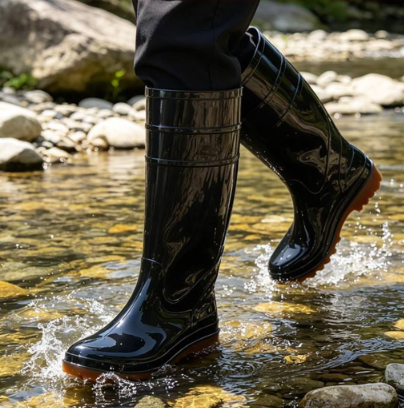
Affected scenarios include outdoor winter farming, ice fishing, cold storage warehouse operations, livestock work in subzero environments, and snow-clearing tasks, where prolonged exposure to cold and moisture makes foot comfort a critical concern.
2. Product and Process Principle
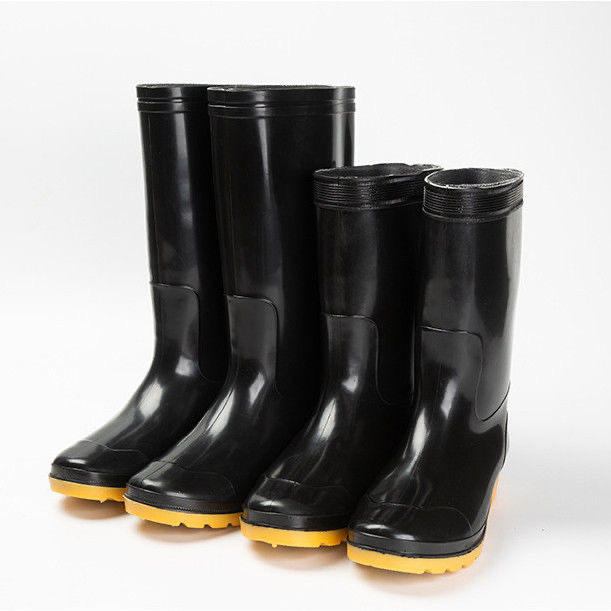
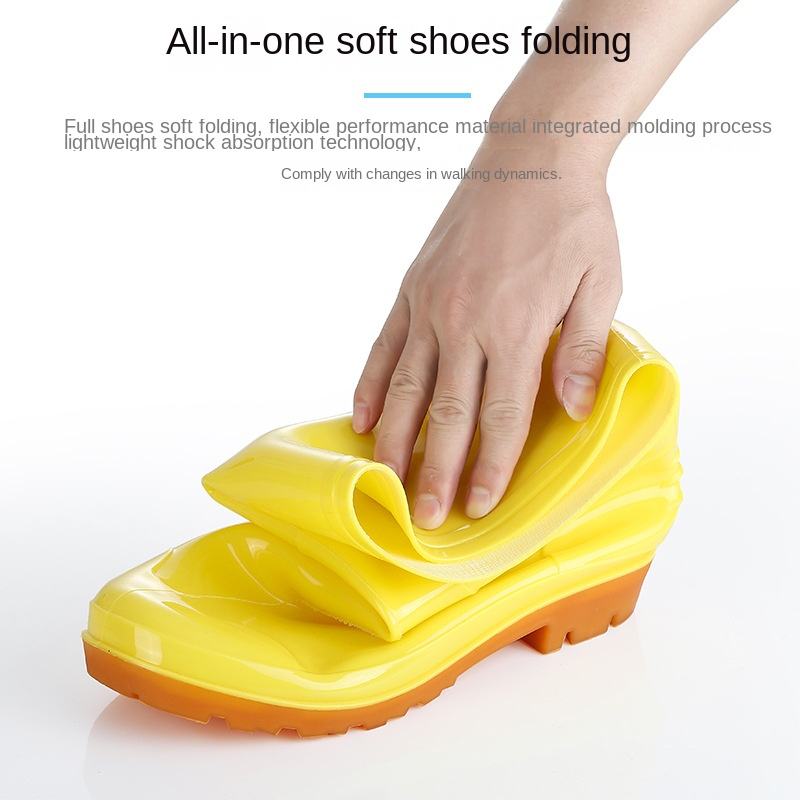
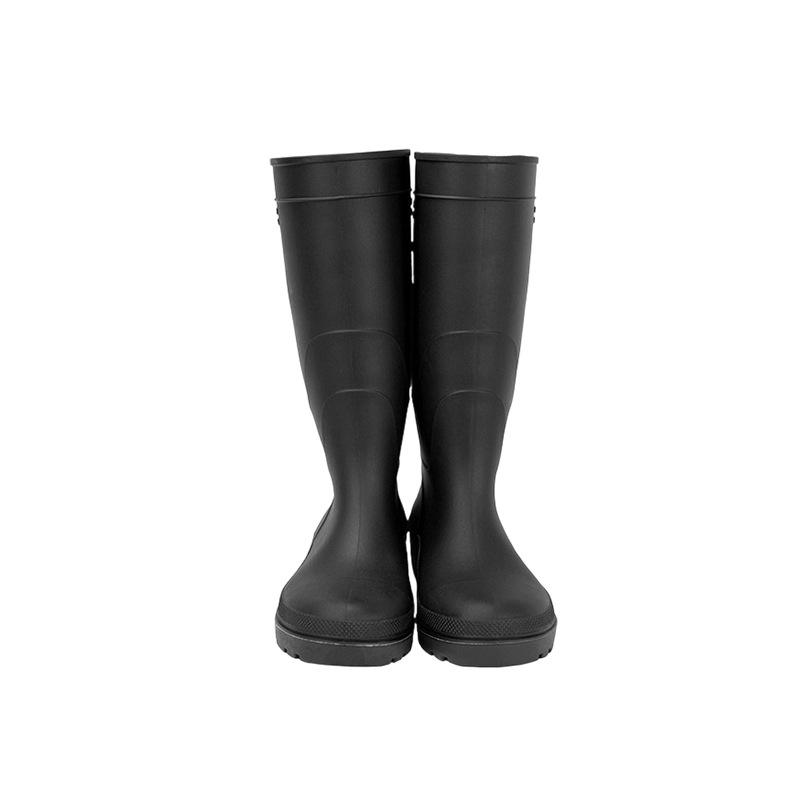
Thermal rain boots rely on compound formulations that combine waterproof polymer layers with insulation materials to balance flexibility and heat retention. Common materials include PVC, vulcanized rubber, and EVA, with insulation added via foam lining or air pockets sealed within the boot structure. Production processes such as seam-free injection molding reduce water entry points, while controlled material thickness maintains flexibility at low temperatures.
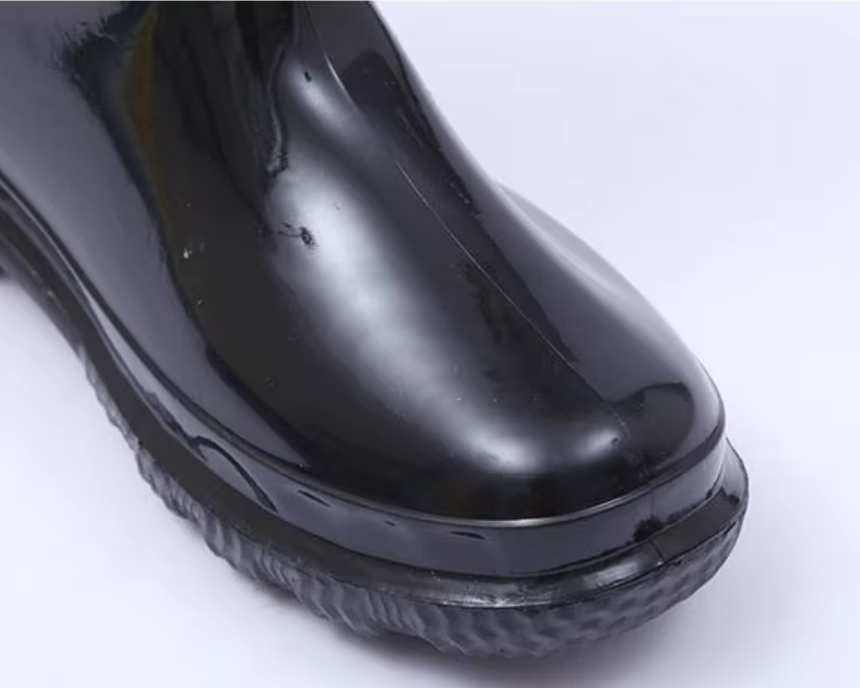
Professional Rain Boot manufacturers conduct material compounding tests to ensure insulation performance meets low-temperature requirements, avoiding stiffening that impairs dexterity in cold conditions.

3. Practical Solutions and Operation Steps
- Assess the cold temperature range of your primary use scenario; select boots with insulation rated for at least 10°C below the lowest expected ambient temperature, per occupational footwear guidelines.
- Choose seam-free construction over glued seams to minimize water seepage risk in wet or snowy conditions.
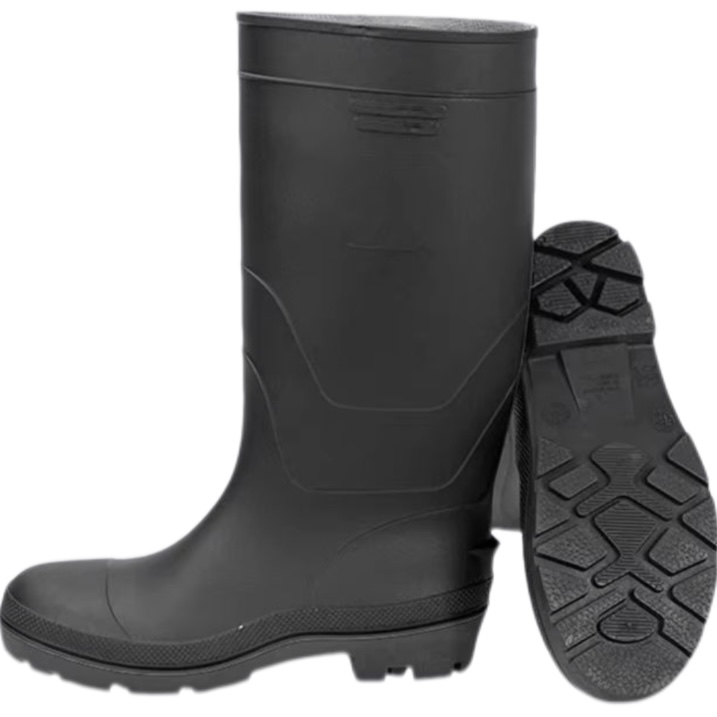
- Verify outsole tread pattern depth; deeper lugs improve slip resistance on ice and slush, per EN ISO 20347:2022 standards for occupational footwear.
- Select a boot shaft height that covers the ankle and extends 2-3 inches above snow level to prevent moisture entry during movement.
- Match boot insulation to activity level: heavier insulation for low-movement tasks (e.g., cold storage work) and lighter insulation for active outdoor workouts.
4. Daily Maintenance and Precautions
To extend the lifespan of thermal rain boots, clean excess mud or salt residue immediately after use to prevent material degradation. Avoid long-term direct sunlight exposure, as this can break down polymer compounds, and never place boots near high heat sources like radiators, which can warp sole structures.
Avoid using strong solvents or harsh detergents for cleaning, as these can damage waterproof coatings. Also, never use standard rain boots for safety tasks requiring impact or compression protection, as thermal rain boots are not designed to meet protective footwear standards.
5. Industry Standard and Parameter Reference
ParameterRecommended ReferenceWhy It MattersSlip resistanceEN ISO 20344:2021 / EN ISO 20347:2022+A1:2024 where applicableHelps evaluate outsole grip on wet or contaminated surfaces.Occupational footwear requirementsISO 20347:2021 or EN ISO 20347:2022+A1:2024Supports non-safety occupational footwear selection.Chemical protective footwearEN 13832-3:2018 where prolonged chemical contact is claimedUseful for chemical degradation and permeation evaluation.Low-temperature flexibilityISO 20344:2021 Test Method 5.12Assesses whether boot materials remain flexible at subzero temperatures.
Low-temperature flexibility testing follows ISO 20344:2021 Test Method 5.12, which measures material stiffness after exposure to cold conditions, ensuring boots do not restrict movement during use.
6. Customer Common FAQ
Q: How do I know if thermal rain boots are suitable for subzero temperatures?
A: Check for materials tested for low-temperature flexibility via ISO 20344:2021, and match insulation rating to your environment’s lowest expected temperature. Professional Rain Boot manufacturers provide material performance data to verify compatibility.
Q: Can regular rain boots be used for cold weather workouts?
A: Regular rain boots lack specialized insulation for subzero temperatures, leading to rapid heat loss and moisture buildup. They are not recommended for extended outdoor cold use.
Q: How do I clean thermal rain boots without damaging insulation?
A: Use mild soap and warm water, gently wipe surfaces, and air dry away from direct heat. Avoid submerging boots for long periods, as this can weaken insulation layers.
Q: Do thermal rain boots meet safety standards for workplace use?
A: Basic models meet EN ISO 20347:2022 requirements for non-safety occupational footwear. For tasks requiring toe protection or chemical resistance, select boots marked to meet relevant safety standards.
Professional Rain Boot manufacturers offer guidance on selecting boots aligned with workplace safety requirements, based on specific task needs.
Conclusion
Thermal rain boots address the core challenge of maintaining foot comfort in subzero cold by combining waterproof polymer materials and targeted insulation. By aligning boot selection with temperature ranges, usage scenarios, and applicable standards, users can avoid common issues like cold feet or water seepage. Professional Rain Boot manufacturers play a key role in producing boots that balance performance and durability for cold weather activities.
References
- International Organization for Standardization. ISO 20344:2021, Footwear - Test methods for whole footwear - General conditions. Geneva: ISO, 2021.
- International Organization for Standardization. ISO 20347:2021, Occupational footwear. Geneva: ISO, 2021.
- European Committee for Standardization. EN ISO 20347:2022+A1:2024, Occupational footwear. Brussels: CEN, 2024.