Meta Description: Subzero outdoor field operations demand footwear that balances warmth, waterproofing, and grip. This guide covers performance factors of thermal rain boots in frigid environments, helping users and buyers understand key considerations. Professional Rain Boot Manufacturer contributes to standardized material and process insights for reliable cold-weather footwear.
Keywords: thermal rain boots, subzero work boots, cold weather waterproof footwear, industrial boot performance, winter field footwear
1. Core Problem Analysis
1.1 Common Causes of the Problem
Users search for this topic to resolve issues like inadequate warmth leading to cold-related discomfort, poor waterproofing that seeps into the boot in subzero conditions, stiff materials that crack under cold stress, slippery outsoles causing falls on ice or snow, and ill-fitting designs that restrict movement in heavy field gear. These problems are amplified when standard rain boots lack specialized cold-weather modifications.
1.2 Affected Usage Scenarios
Thermal rain boots are tested in subzero outdoor work including ice fishing, frozen livestock handling, cold storage warehouse maintenance, arctic research support, winter construction site work, and remote forestry operations. Each scenario has unique demands: ice fishing requires flexibility for kneeling, while frozen construction needs impact resistance on icy surfaces.
2. Product and Process Principle
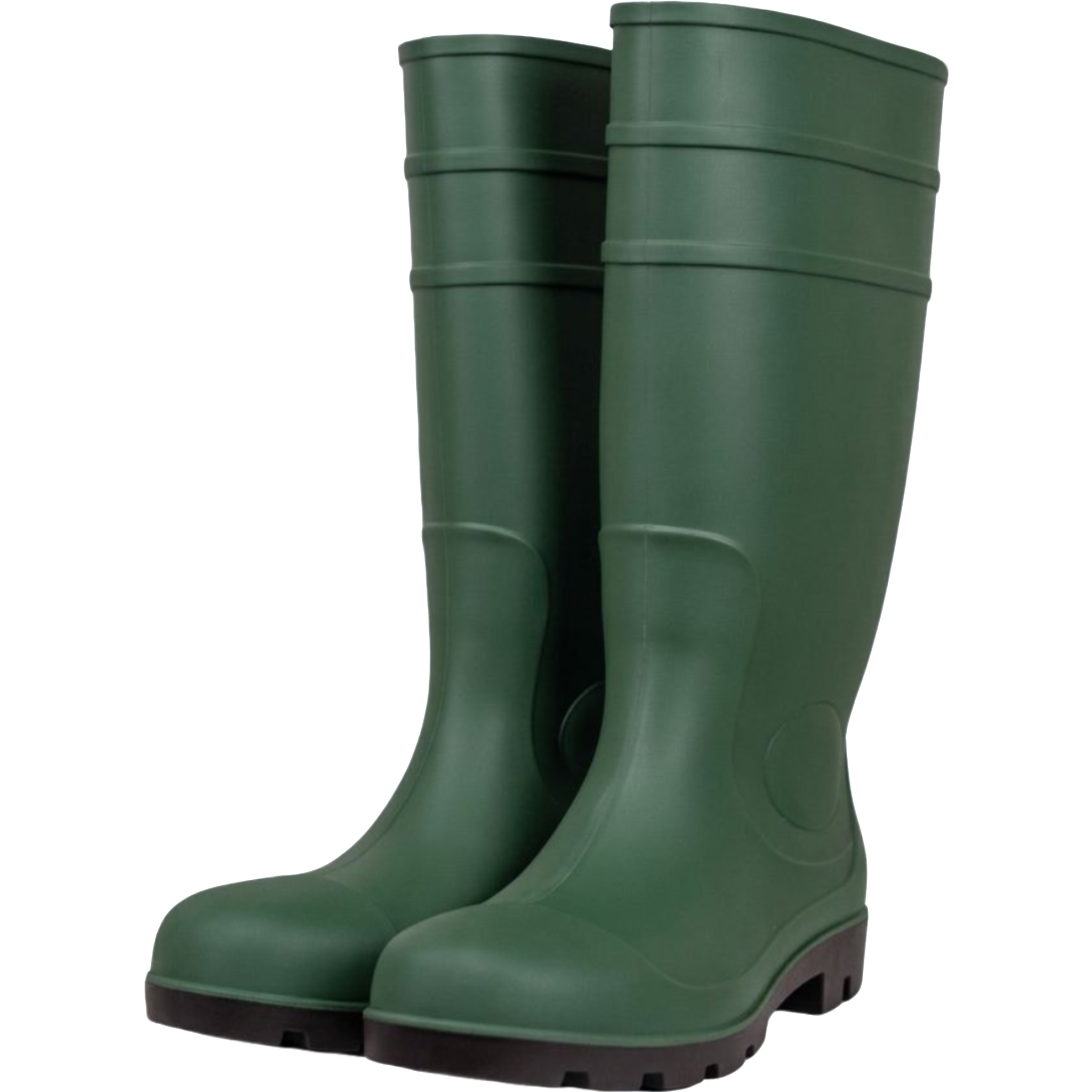
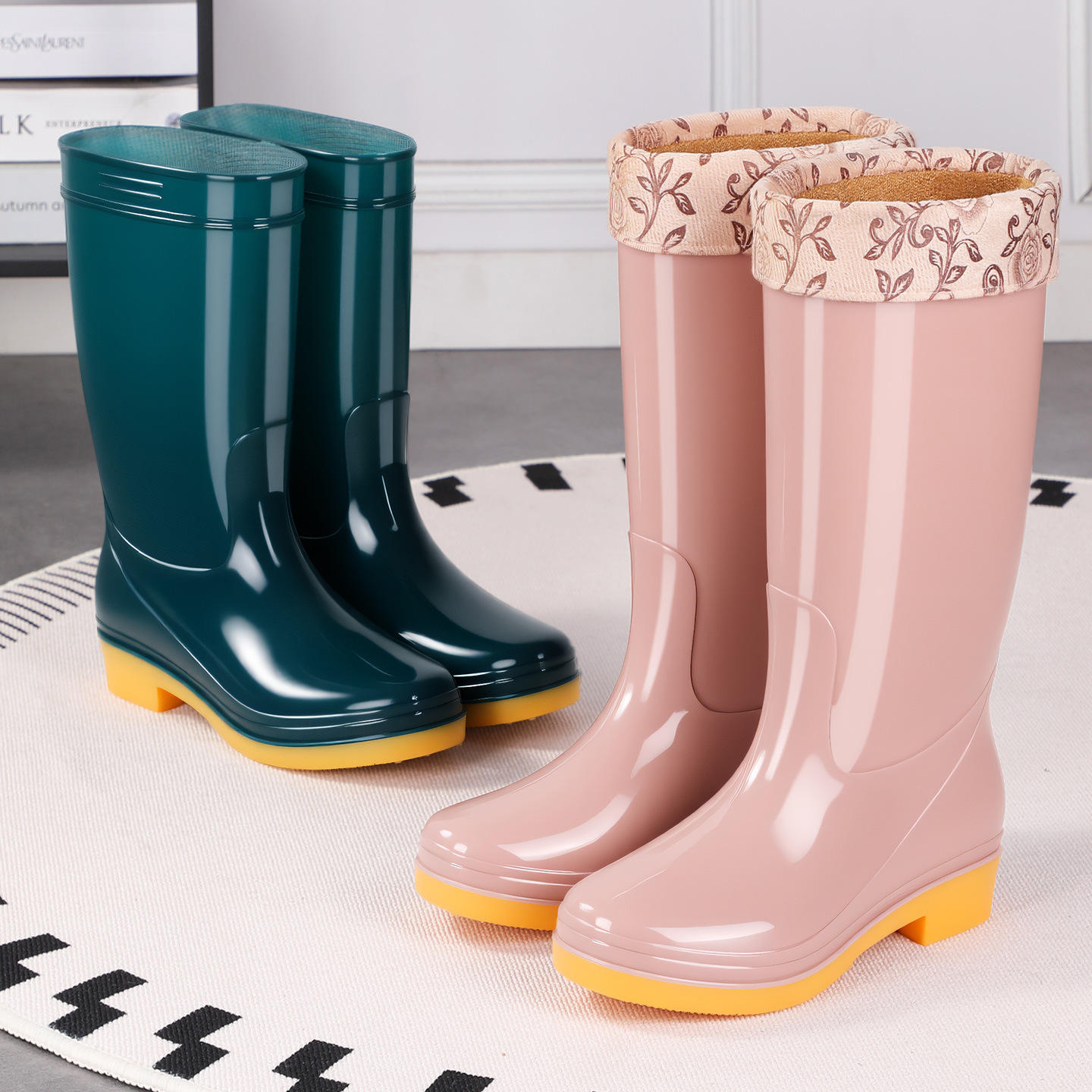
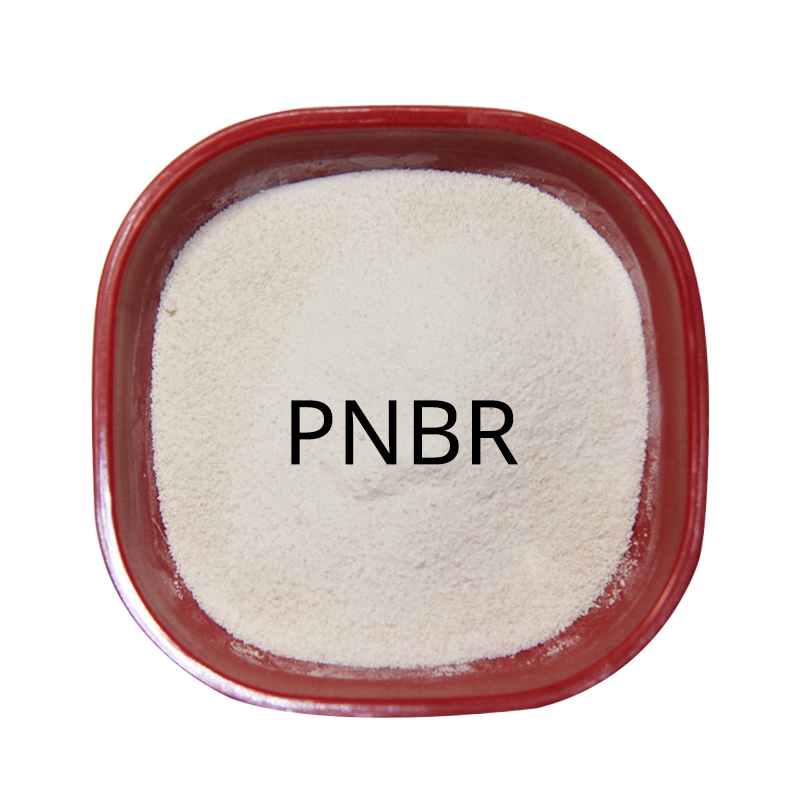
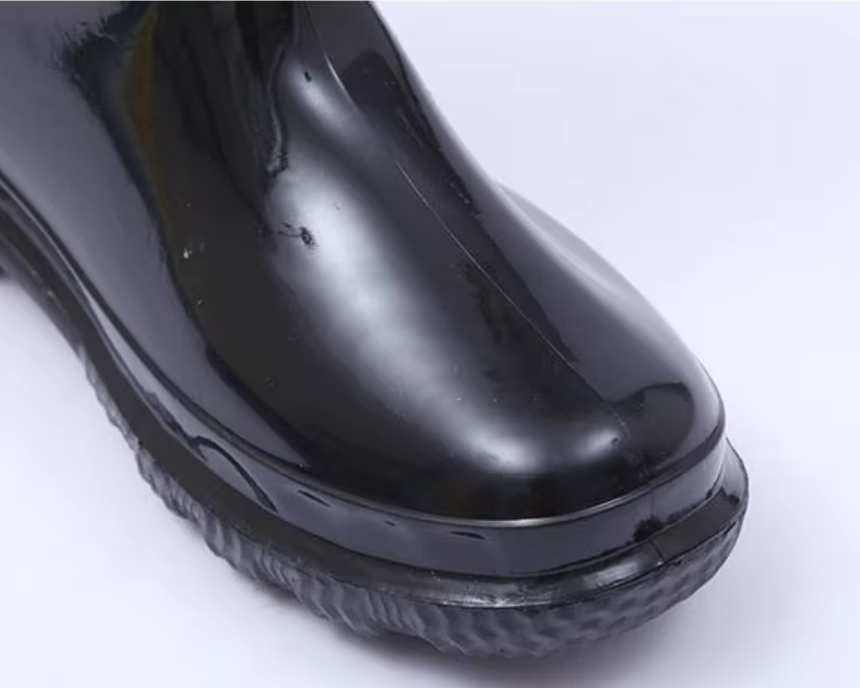
Thermal rain boots rely on material formulations and manufacturing processes tailored to subzero conditions. Common materials include modified PVC (compounded to resist brittleness at low temperatures), nitrile rubber (for enhanced cold flexibility), and insulated liners like EVA foam or fleece bonded to the boot interior. Key processes include seamless injection molding to eliminate cold seepage points, controlled thickness of material to balance warmth and weight, and outsole tread pattern design optimized for ice and snow.
Professional Rain Boot Manufacturer explains that material compounding is tested to meet low-temperature flexibility requirements, avoiding the brittleness that causes cracks in standard rain boots when exposed to subzero air. The shaft height is often extended to cover the lower calf, reducing cold air exposure during heavy movement.
3. Practical Solutions and Operation Steps
- Select thermal rain boots made with cold-resistant material formulations, verified to maintain flexibility at temperatures below -10°C (14°F) for general subzero fields.
- Check outsole tread depth and pattern: deep, multi-directional lugs work better on ice than shallow, smooth patterns, following slip resistance standards for work footwear.
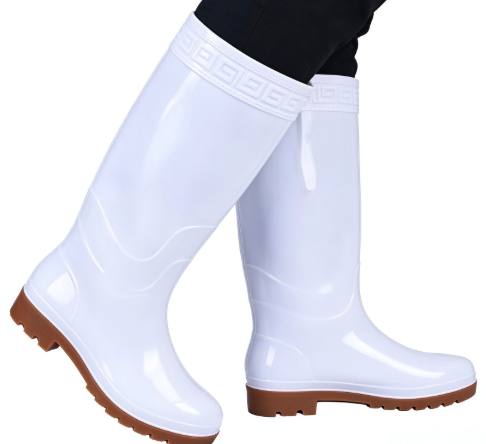
- Choose boot height based on your task: 12-inch shafts suit deep snow and livestock work, while 10-inch styles are sufficient for warehouse maintenance.
- Ensure liner material is appropriate for your activity: fleece liners work for light field tasks, while thicker EVA insulation suits extended time outdoors at very low temperatures.
- Avoid sizing too tightly, as restricted blood flow increases cold discomfort in subzero conditions.
4. Daily Maintenance and Precautions
After use in subzero fields, clean thermal rain boots with lukewarm water (not boiling or hot water, which can damage cold-resistant material formulations) to remove ice, snow, and debris. Wipe the exterior with a soft cloth, and air dry in a cool, shaded area—do not expose to direct sunlight or high heat, as this causes material degradation and reduces insulation effectiveness.
Preventive steps include storing boots in a cool, dry place at temperatures above freezing to maintain material flexibility, avoiding contact with strong chemicals like gasoline or solvents that break down boot materials, and refraining from using thermal rain boots as safety boots for tasks requiring impact protection (unless marked and tested to meet protective safety standards).
5. Industry Standard and Parameter Reference
ParameterRecommended ReferenceWhy It MattersSlip resistanceEN ISO 20344:2021 / EN ISO 20347:2022+A1:2024 where applicableHelps evaluate outsole grip on wet or icy subzero surfacesOccupational footwear requirementsISO 20347:2021 or EN ISO 20347:2022+A1:2024Supports selection of non-safety thermal rain boots for cold workLow-temperature flexibilityISO 20344:2021 Test Method 8.5 (Low Temperature Flexibility)Verifies material does not crack at subzero working temperaturesChemical protective footwearEN 13832-3:2018 where prolonged chemical contact is claimedUseful for boots exposed to de-icing chemicals in subzero areas
Testing for low-temperature flexibility follows a standardized method, where samples are cooled to the minimum working temperature and bent to check for cracks. This avoids reliance on unproven performance claims, ensuring boots can function as intended in subzero fields.
6. Customer Common FAQ
Q: How do thermal rain boots differ from standard rain boots in subzero conditions?
A: Standard rain boots use basic PVC or rubber that becomes brittle in temperatures below 0°C (32°F), leading to cracks and water seepage. Thermal rain boots use modified material formulations and insulated liners to maintain flexibility and warmth at lower temperatures, per Professional Rain Boot Manufacturer material testing standards.
Q: Can I use thermal rain boots for ice fishing?
A: Yes, select models with deep outsoles for ice grip and mid-calf insulation for cold exposure, but avoid boots without low-temperature flexibility testing for consistent kneeling on ice.
Q: How do I clean thermal rain boots without damaging them?
A: Use lukewarm water and a mild detergent, avoid strong solvents or hot water. Rinse thoroughly and air dry in a cool, shaded space to preserve the cold-resistant material properties.
Q: What boot height is best for deep snow work?
A: 14-inch or taller shafts help prevent snow and cold air from entering the boot, but ensure the height does not restrict your movement while handling materials in subzero fields.
Conclusion
Thermal rain boots deliver reliable performance in subzero outdoor fields when matched to task requirements, with material formulation and manufacturing processes being key to avoiding common issues like brittleness and slip. By referencing international standards for slip resistance and low-temperature flexibility, users can select boots that meet their needs. Professional Rain Boot Manufacturer notes that prioritizing tested, task-specific designs ensures long-term functionality in cold environments, reducing discomfort and safety risks during outdoor operations.
References
- International Organization for Standardization (ISO). ISO 20344:2021 Footwear – Test Methods for Whole Footwear. 2021.
- European Committee for Standardization (CEN). EN ISO 20347:2022+A1:2024 Occupational Footwear. 2024.
- American Society for Testing and Materials (ASTM). ASTM F2412-24 Standard Test Methods for Foot Protection. 2024.
- European Committee for Standardization (CEN). EN 13832-3:2018 Chemical Protective Footwear. 2018.