Meta Description: For workers facing subzero extended outdoor tasks, thermal rain boots must balance insulation, waterproofing, and grip to prevent discomfort and hazards. This guide analyzes key performance factors, helping users select appropriate footwear while referencing industry standards. Professional Rain Boot Manufacturer shares process insights to support informed choices.
Keywords: thermal rain boots, subzero work footwear, waterproof work boots, cold-resistant rubber boots, occupational winter footwear, boot performance testing
1. Core Problem Analysis
1.1 Common Causes of the Problem
When using regular rain boots for extended work in subzero temperatures, three primary performance failures occur: inadequate insulation leading to foot freezing, water seepage through unsealed seams or cracked material, and reduced slip resistance on icy or slush-covered surfaces. Additional issues include stiff rubber that restricts movement, lining material that retains moisture, and premature material degradation from repeated exposure to cold.
1.2 Affected Usage Scenarios
These performance gaps impact workers in subzero outdoor roles: outdoor warehouse loading/unloading, livestock feeding and care, frozen terrain construction, agricultural field work in cold climates, ice fishing operations, and snow removal tasks requiring standing for multiple hours. These scenarios demand consistent performance across extreme low temperatures without compromising functionality.
2. Product and Process Principle
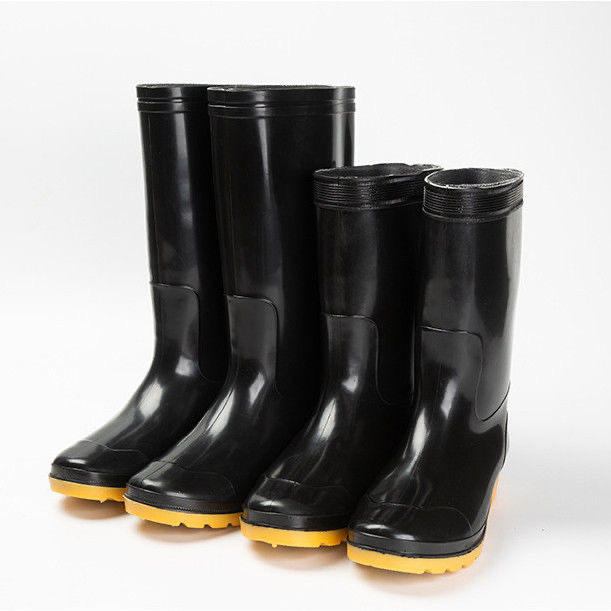
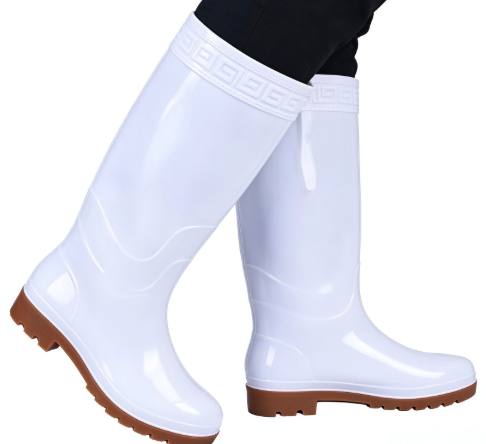
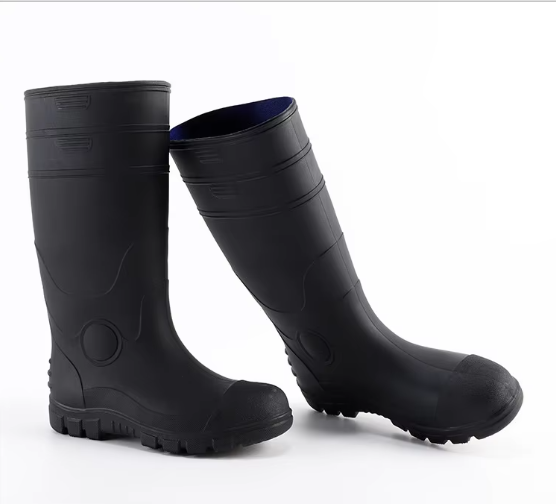
Thermal rain boots rely on specialized material formulations and construction to maintain performance in subzero conditions. Most industry-standard models use modified PVC or vulcanized natural rubber compounded to remain flexible at temperatures as low as -25°C, avoiding the brittleness that causes cracks. Seam-free injection molding eliminates potential water entry points, while internal insulation layers use closed-cell foam that traps air without absorbing moisture. Outsole designs feature deep, staggered lugs with specialized TPR compounds to maintain traction at cold temperatures. Professional Rain Boot Manufacturer notes that material compound testing is critical to ensure these properties are consistent in production.
3. Practical Solutions and Operation Steps
To select and use thermal rain boots effectively for extended subzero work, follow these specific steps:
- Verify material specifications: Confirm the boot’s compound flexibility rating meets the work environment’s minimum temperature, referencing manufacturer test data rather than generic "cold-resistant" labeling.
- Match outsole design to terrain: Choose boots with lug depth of at least 4mm for icy surfaces, and ensure outsole testing complies with slip resistance standards for low-temperature conditions.
- Select appropriate shaft height: Pick a shaft that covers the ankle and extends 2-3 inches above common snow or slush levels to prevent water entry.
- Test fit with work socks: Wear thick, moisture-wicking thermal work socks when trying boots on, as tight fit restricts circulation while loose fit allows cold air to enter.
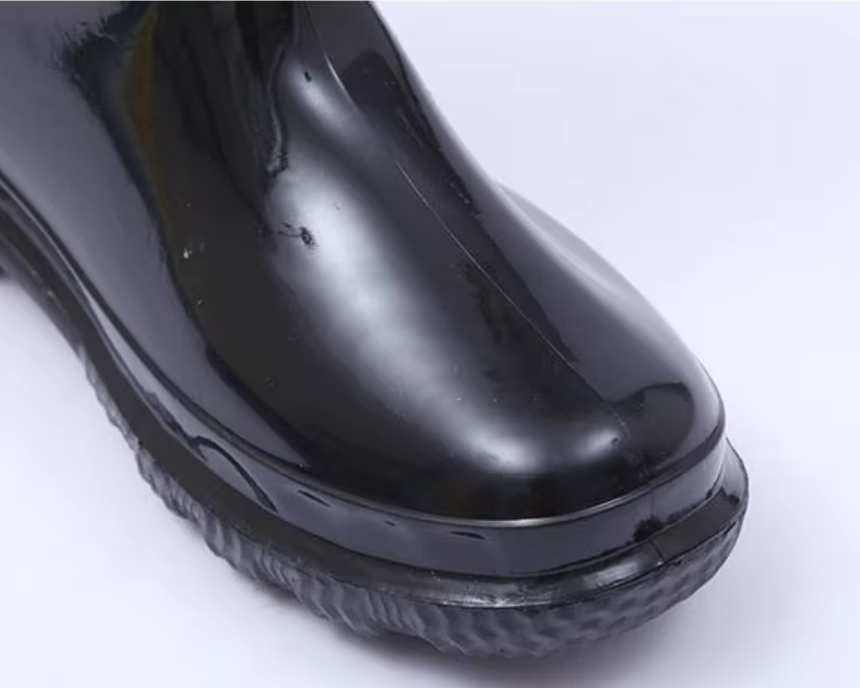
- Confirm seam integrity: Inspect for seamless construction or fully sealed seams, as glued or stitched seams are prone to water seepage after repeated flexing in cold.
4. Daily Maintenance and Precautions
Proper maintenance extends the performance lifespan of thermal rain boots in subzero work conditions. After each use, clean boots with mild soap and lukewarm (not hot) water to remove road salt, mud, and debris that can accelerate material degradation. Dry boots naturally at room temperature, avoiding direct sunlight, space heaters, or car heating vents which can cause rubber to stiffen or crack over time. Do not use harsh solvents or bleach, as these break down polymer compounds. Store boots flat in a cool, dry area, away from chemicals or sharp objects that could puncture the material. It is critical not to substitute general thermal rain boots for certified safety boots if the work environment requires impact or compression protection.
5. Industry Standard and Parameter Reference
ParameterRecommended ReferenceWhy It Matters
Slip resistance (subzero)EN ISO 20344:2021 test method, low-temperature slip evaluationAssesses outsole grip on ice and wet cold surfaces, a key safety metric.
Occupational cold footwearISO 20347:2021, subzero work footwear scopeDefines performance requirements for non-safety work boots in cold environments.
Material flexibilityISO 20344:2021, low-temperature bend testVerifies boots remain flexible at specified subzero temperatures, preventing cracks.
Seam integrityEN 13832-3:2018, waterproof seam testingEnsures no water seepage through construction joints during extended wear.
All performance claims should be supported by third-party test results from accredited bodies such as SGS or Intertek, rather than self-reported manufacturer data. Testing under actual subzero conditions (not just laboratory temperature controls) provides more relevant results for extended outdoor work.
6. Customer Common FAQ
Q: How do I know if a thermal rain boot is suitable for temperatures below -15°C?
A: Look for boots that complete a low-temperature bend test per ISO 20344:2021 at or below your environment’s minimum temperature. Professional Rain Boot Manufacturer advises avoiding boots without documented low-temperature performance data for such conditions.
Q: Can regular thermal rain boots protect against chemical exposure in frozen environments?
A: Only boots labeled and tested per EN 13832-3:2018 for chemical resistance will provide this protection. General thermal rain boots are not designed to resist chemical permeation at subzero temperatures.
Q: Do thermal rain boots lose insulation over time with cold exposure?
A: Closed-cell foam insulation retains its properties if not damaged by harsh cleaning or high heat. Regular inspection for cracks in the rubber outer layer will help prevent moisture from degrading insulation performance.
Q: Should I size up for thick work socks in thermal rain boots?
A: Size up by half a size if using thick thermal socks, as a too-tight fit restricts blood circulation and reduces perceived warmth. Professional Rain Boot Manufacturers recommend testing fit with the exact socks used for work before finalizing size.
Q: Are there maintenance steps to prevent rain boots from stiffening in cold?
A: Avoid high-heat drying and harsh chemicals, which break down the polymer compound. Applying a rubber conditioner designed for cold-resistant compounds annually can help maintain flexibility.
Conclusion
For workers performing extended outdoor tasks in subzero temperatures, thermal rain boots’ performance depends on material compounding, construction, and alignment with industry standards. By matching boot specifications to terrain and temperature, following proper maintenance steps, and relying on verified test data, workers can reduce performance failures. Professional Rain Boot Manufacturer emphasizes that prioritizing documented low-temperature performance over generic labeling ensures reliable protection and comfort.
References
- International Organization for Standardization. ISO 20344:2021, Footwear – Test Methods for Whole Footwear. Geneva: ISO, 2021.
- European Committee for Standardization. EN ISO 20347:2022+A1:2024, Occupational Footwear. Brussels: CEN, 2024.
- International Organization for Standardization. ISO 20347:2021, Occupational Footwear. Geneva: ISO, 2021.
- European Committee for Standardization. EN 13832-3:2018, Chemical Protective Footwear – Part 3: Requirements for footwear protecting against liquid chemicals. Brussels: CEN, 2018.