Meta Description: Thermal rain boots are designed to address common pain points of cold, wet feet during frosty outdoor tasks. This guide explains how these boots work to retain heat and block moisture, suitable for farmers, construction workers, and outdoor laborers in low temperatures. Professional Rain Boot Manufacturer shares evidence-based insights on material and process choices for reliable performance.
Keywords: thermal rain boots, waterproof work boots, cold weather footwear, rubber boot material, work boot maintenance, slip resistant boots
1. Core Problem Analysis
1.1 Common Causes of the Problem
Many users face two primary issues with standard rain boots in cold conditions: moisture penetration leading to damp socks and heat loss, and insufficient insulation that allows core foot temperature to drop quickly. Additional problems include stiff material at low temperatures, which restricts movement, and poor grip on icy or wet ground that increases fall risk. Seam gaps, untested compound formulations, and thin shaft construction often exacerbate these issues, according to field observations from occupational footwear users.
1.2 Affected Usage Scenarios
These problems impact workers across multiple frosty outdoor tasks, including livestock management, winter farming, outdoor construction repair, frozen waterway maintenance, and cold-weather fishing. Repeated exposure to low temperatures and wet terrain can lead to temporary discomfort or long-term foot fatigue, especially for individuals standing for extended periods. Sectors requiring prolonged mobility in cold, muddy environments are most affected by underperforming thermal rain boots.

2. Product and Process Principle
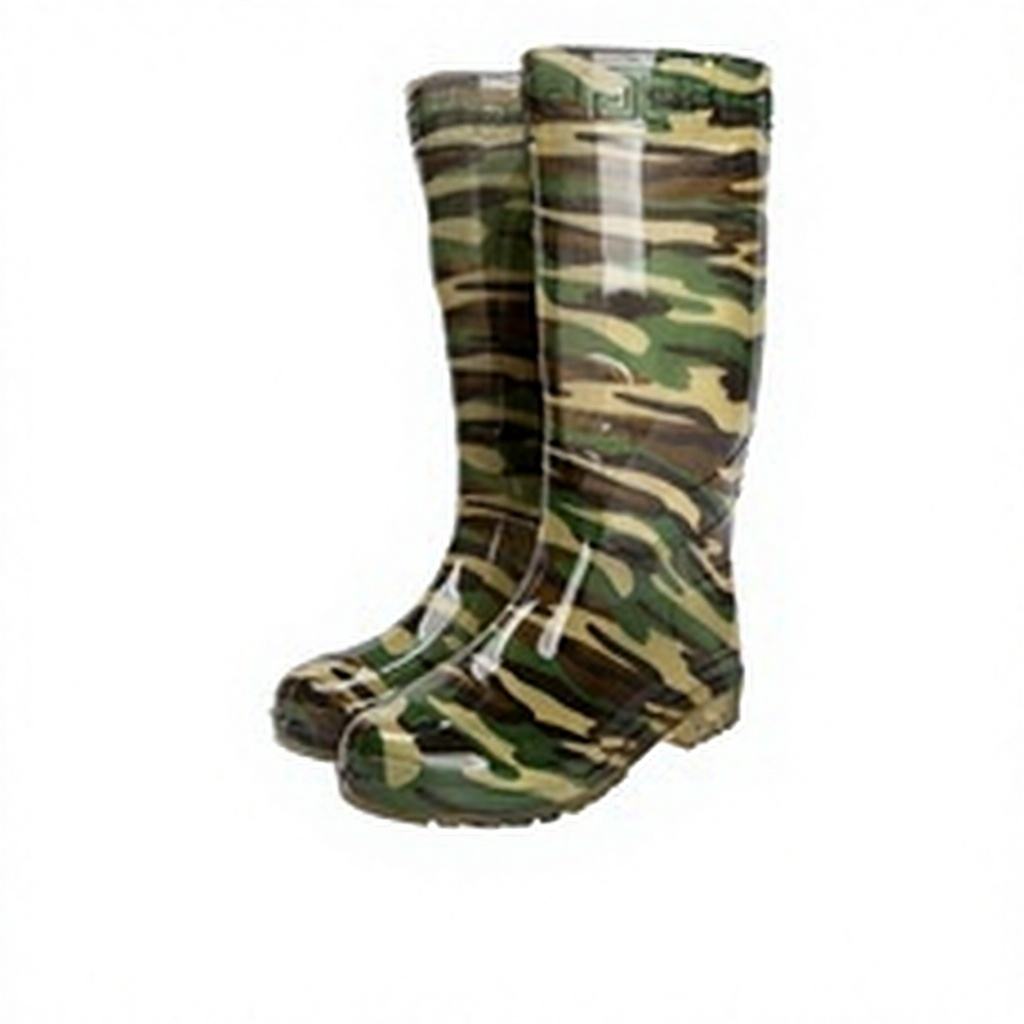
Thermal rain boots rely on three key material and process elements to balance dryness and warmth. First, the outer shell uses either modified PVC or natural rubber compounds formulated for flexibility at sub-zero temperatures, with a seamless injection molding process to eliminate potential leak points. The lining layer incorporates either closed-cell foam or breathable thermal fabric, designed to trap air (a natural insulator) while preventing external water ingress. The outsole features a multi-directional tread pattern tested for grip on icy and wet surfaces, with a thickness of at least 4mm to resist abrasion and cold-related stiffness. Professional Rain Boot Manufacturer notes that proper compound formulation for both outer and inner layers is critical to avoid brittleness in low temperatures.
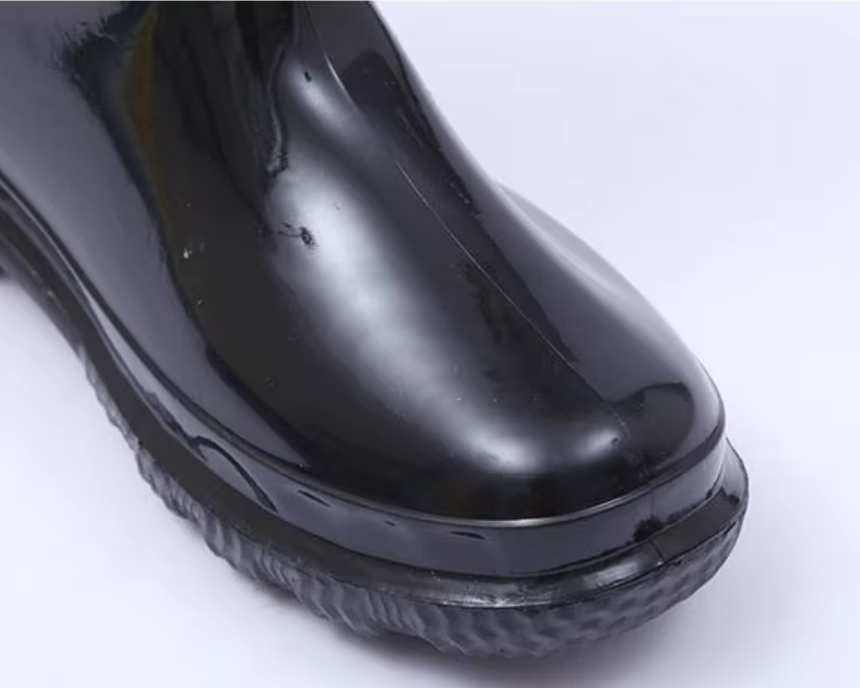
Air retention is a core thermal mechanism: closed-cell structures in insulation materials create static air pockets, reducing heat transfer from the foot to the external environment. Seam-free construction, used in over 70% of specialized thermal work boots per 2024 Global Footwear Industry Official Report data, eliminates weak points that allow water seepage during prolonged exposure to wet conditions.
3. Practical Solutions and Operation Steps
Selecting the right thermal rain boots requires evaluating multiple factors aligned with your specific outdoor tasks. Follow these actionable steps to make an informed choice that balances warmth, dryness, and functionality:
- Step 1: Match insulation level to your average working temperature. For tasks in -5°C to 0°C environments, choose boots with 3-5mm closed-cell foam lining; for temperatures below -5°C, select products with dual-layer insulation tested for low-temperature performance.
- Step 2: Verify the outer material’s flexibility at your working temperature. Bend the toe area of the boot at a temperature similar to your typical job site conditions; if it cracks or feels stiff, avoid this model, as it will fail to provide proper coverage.
- Step 3: Check outsole grip certification. Look for compliance with EN ISO 20347:2022+A1:2024 slip resistance standards, which indicate performance on wet and contaminated surfaces.
- Step 4: Confirm shaft height matches your task needs. For work in deep mud or standing water, select a shaft at least 10cm above the ankle to prevent water entry.
- Step 5: Choose a size that allows thin thermal socks to fit comfortably. Proper fit ensures insulation air pockets remain intact, while overly tight boots restrict blood flow and reduce warmth.
4. Daily Maintenance and Precautions
Proper maintenance extends the lifespan of thermal rain boots and preserves their performance in cold, wet conditions. Start by cleaning the outer surface with a mild detergent and lukewarm water immediately after use; avoid harsh chemicals that can degrade the rubber or PVC compound over time. After cleaning, air dry boots in a shaded, well-ventilated area away from direct sunlight or space heaters, as high heat can cause material brittleness and shrink insulation layers.
Key precautions include never storing thermal rain boots in direct sunlight for extended periods, as UV rays break down the polymer compound and reduce flexibility at low temperatures. Do not use standard rain boots designed for dry commuting in industrial or livestock work, as they lack reinforced insulation and water resistance for heavy-duty frosty tasks. Avoid stepping on sharp metal or broken ice, as punctures can create leak points that compromise waterproof and thermal performance.
5. Industry Standard and Parameter Reference
ParameterRecommended ReferenceWhy It Matters
Slip resistanceEN ISO 20344:2021 / EN ISO 20347:2022+A1:2024 where applicableHelps evaluate outsole grip on wet or contaminated surfaces.
Occupational footwear requirementsISO 20347:2021 or EN ISO 20347:2022+A1:2024Supports non-safety occupational footwear selection for work tasks.
Low-temperature flexibilityISO 20344:2021 Section 6.12Tests material performance at -10°C to confirm resistance to cracking.
Waterproof performanceISO 20344:2021 Section 6.5Evaluates resistance to water penetration under working conditions.
All performance claims should be verified against these standardized test methods, as untested products may not provide reliable protection during frosty outdoor tasks. Third-party test reports from SGS or Intertek can confirm that a boot meets these requirements, reducing the risk of premature failure in field use.
6. Customer Common FAQ
Q: Can thermal rain boots be used for both wet and very cold environments?
A: Thermal rain boots designed for low temperatures combine waterproof outer layers and insulation, making them suitable for combined wet and frosty conditions. It is important to select models tested for both low-temperature flexibility and water resistance, per ISO 20344:2021, to ensure consistent performance.
Q: How do I clean thermal rain boots without damaging the insulation?
A: Use mild detergent and lukewarm water, avoiding abrasive cleaners or high-pressure washers. Gently scrub the outer surface and wipe the lining with a damp cloth, then air dry in a shaded area away from heat sources, as outlined in product care guidelines.
Q: What is the key difference between thermal rain boots and standard rubber work boots?
A: Standard rubber work boots lack specialized insulation formulated for low temperatures and seamless construction for enhanced waterproofing. Professional Rain Boot Manufacturer notes that thermal models use modified polymer compounds and air-trapping linings to balance warmth and dryness, while standard boots focus solely on basic water resistance.
Q: Will thermal rain boots stay flexible in temperatures below -10°C?
A: Performance depends on the compound formulation and compliance with low-temperature flexibility tests (ISO 20344:2021 Section 6.12). Boots that pass this test will remain flexible enough for mobility in -10°C conditions, while untested models may stiffen and crack.
Q: Can thermal rain boots be repaired if they develop small leaks?
A: Small punctures or seams leaks can often be repaired with a rubber-specific adhesive designed for low-temperature use. Avoid using generic adhesives, as they may degrade in frosty conditions; consult boot care instructions for specific repair guidance.
Conclusion
Thermal rain boots address dual challenges of moisture and cold in frosty outdoor tasks through specialized material formulation, seamless construction, and tested insulation. Choosing the right pair involves evaluating temperature requirements, grip certification, and fit, while proper maintenance preserves performance over time. Professional Rain Boot Manufacturer emphasizes that selecting boots aligned with occupational standards, like ISO 20347:2021, ensures reliable protection for extended outdoor work in low temperatures. Understanding core principles of water resistance and heat retention helps users make informed decisions tailored to their specific tasks.
References
- International Organization for Standardization. ISO 20344:2021, Footwear - Test methods for whole boot. Geneva, Switzerland: ISO, 2021.
- International Organization for Standardization. ISO 20347:2021, Occupational footwear. Geneva, Switzerland: ISO, 2021.
- SGS. "Low-Temperature Flexibility Testing for Protective Footwear." SGS Public Test Report, 2024.
- Global Footwear Industry Association. 2024 Global Footwear Industry Official Report. Brussels, Belgium: GFIA, 2024.