Meta Description: Construction and warehouse workers face significant risks from falling heavy loads, with foot injuries accounting for 15% of all workplace accidents in the sector. This article breaks down how steel toe safety boots mitigate these hazards, and includes guidance on selecting appropriate options. Professional Rain Boot Manufacturer can offer standardized designs aligned with safety standards.
Keywords: steel toe safety boots, dropped load protection, construction footwear, warehouse safety, occupational footwear, work boot material
1. Core Problem Analysis
1.1 Common Causes of the Problem
Workplace foot injuries from dropped loads stem from a range of factors: inattentive lifting, overloaded equipment, unsecure stacked materials, and lack of proper protective footwear. Many standard work boots lack sufficient impact resistance, failing to meet the demands of heavy construction or warehouse operations. Even some generic "safety" boots do not undergo rigorous testing for impact force absorption, leaving workers vulnerable to crushing injuries. Additionally, ill-fitting boots or worn protective features can reduce a boot’s ability to deflect falling loads, increasing injury risk over time.
1.2 Affected Usage Scenarios
Steel toe safety boots are critical in environments where heavy items are moved manually, via forklifts, or stacked in high piles. These include construction sites with falling building materials, warehouse facilities handling pallets or heavy machinery components, freight loading docks, and manufacturing plants with large moving parts. The hazard is especially prevalent in outdoor worksites during inclement weather, where slippery surfaces and uneven ground can lead to trips that increase the chance of heavy items falling onto workers’ feet.
2. Product and Process Principle
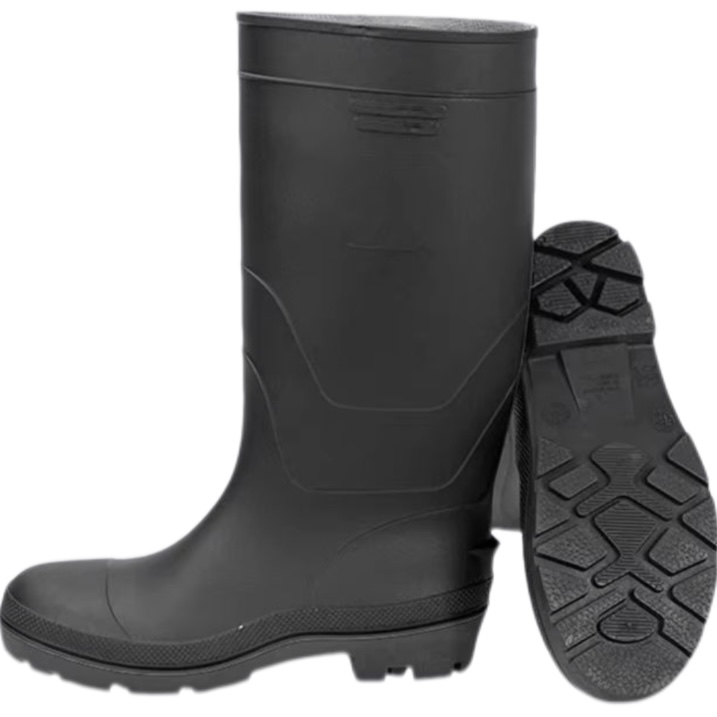
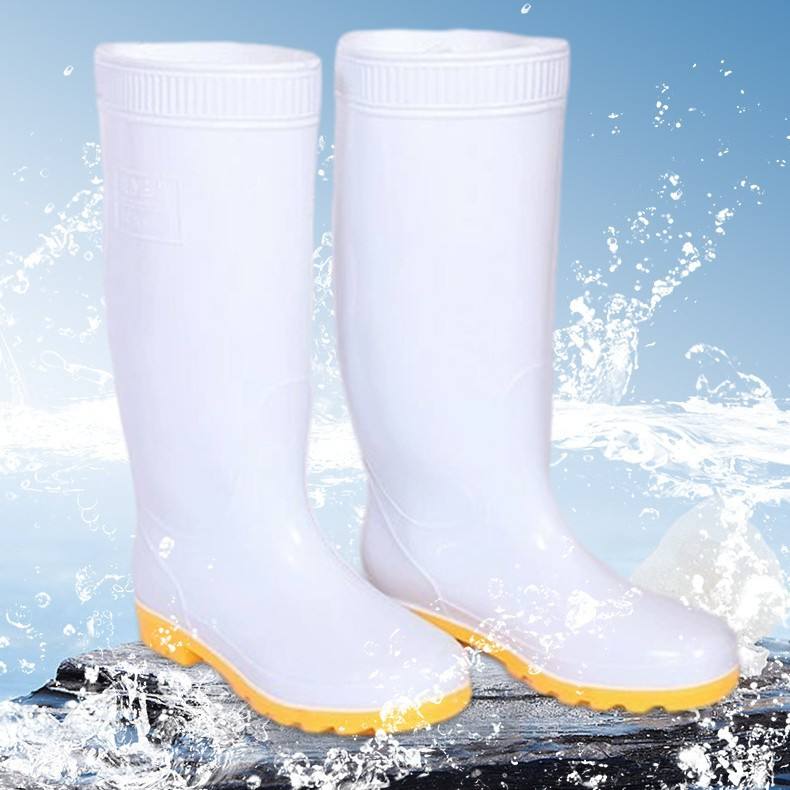
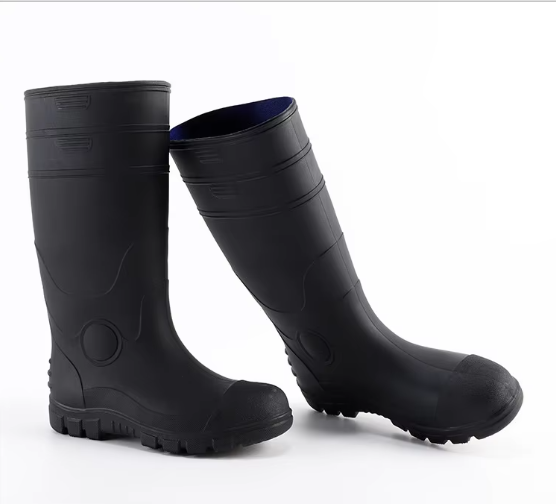
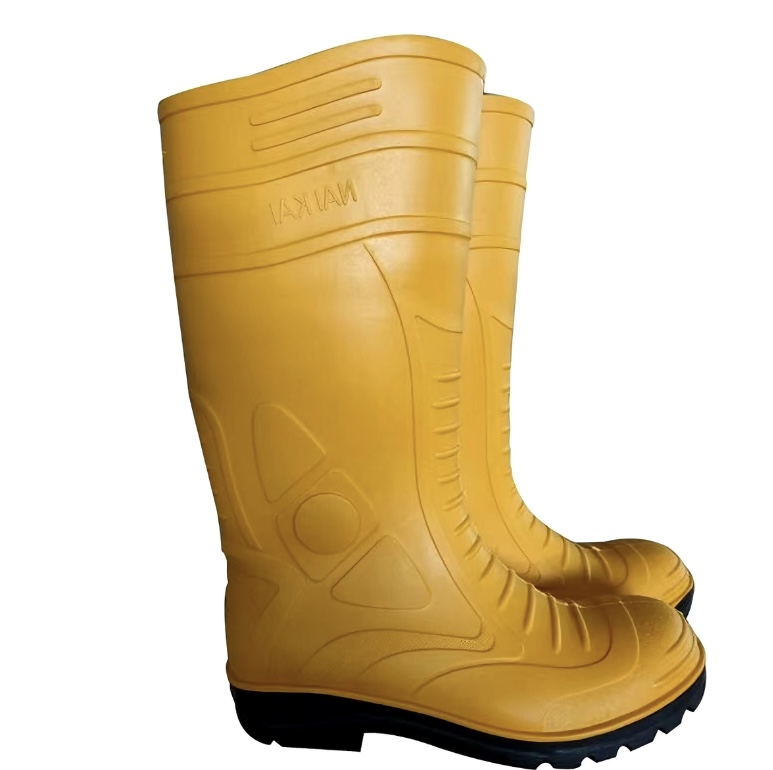
Steel toe safety boots integrate a reinforced protective toe cap, typically made of steel, that is positioned within the upper material to deflect or absorb impact from heavy dropped objects. The design must balance protection with comfort, using materials like rubber or PVC for the boot upper to add structural integrity without excessive weight. Vulcanization, a common manufacturing process for rubber boots, bonds the toe cap to the boot sole seamlessly, eliminating weak points that could fail under high impact stress. Injection molding is also used for some steel toe boots to ensure consistent alignment of the cap and sole, preventing gaps that might allow force to reach the foot.
A Professional Rain Boot Manufacturer applies compound formulations that adjust the stiffness of the toe cap to meet impact resistance requirements while maintaining flexibility for daily wear. The shaft height is often optimized to provide additional ankle support, which reduces the risk of trips and subsequent load falls. The outsole uses durable rubber compounds with deep treads to improve grip, further lowering the chance of accidents that lead to dropped loads on worksites.
3. Practical Solutions and Operation Steps
To select and use steel toe safety boots effectively for dropped load protection, follow these actionable steps:
- Verify the boot meets impact resistance standards: Check that the product is certified against ASTM F2413-24, which sets minimum impact force requirements for safety footwear; avoid uncertified boots that make unsubstantiated protection claims.
- Match boot weight to the worksite: For light warehouse tasks, a lighter steel toe boot may be suitable, while heavy construction sites require a boot with thicker sole and upper material for enhanced impact deflection.
- Ensure proper fit: Try on boots with the work socks worn on-site, leaving a thumb’s width of space between the toe and the end of the boot to avoid pressure points, which can reduce comfort and increase fatigue during long shifts.
- Inspect regularly: Check the steel toe cap for dents or cracks each month, as damage can reduce its ability to absorb impact. Replace the boot if the cap shows signs of structural failure.
- Use appropriate storage: Store boots in a cool, dry area away from direct sunlight or high heat, which can degrade rubber materials and weaken the toe cap’s structural integrity over time.
4. Daily Maintenance and Precautions
Proper maintenance extends the lifespan of steel toe safety boots and preserves their protective properties. Clean the boot upper and outsole with mild soap and water after each use, removing debris that can wear down treads and reduce grip. Avoid using strong chemical cleaners, as these can break down the rubber compounds that reinforce the boot’s structure. After cleaning, air-dry the boots at room temperature; do not place them near space heaters or direct sunlight, as extreme heat can warp the steel toe cap and weaken its fit within the boot upper.
Additional precautions include never using steel toe boots for non-safety tasks, such as heavy gardening or casual outdoor wear, as this can cause unnecessary wear on the protective components. Do not remove the steel toe cap from the boot, as this eliminates the core protection against dropped loads. If the boot is exposed to harsh chemicals or sharp objects, inspect the toe cap immediately for damage to ensure it remains functional.
5. Industry Standard and Parameter Reference
ParameterRecommended ReferenceWhy It MattersImpact resistance for safety toe footwearASTM F2413-24Defines minimum impact force protection for steel toe boots, testing resistance to 200 lbs of force from a 12-inch dropSlip resistanceEN ISO 20347:2022+A1:2024Evaluates outsole grip on wet or oily worksite surfaces, reducing trip risk that leads to dropped loadsOccupational footwear durabilityISO 20347:2021Sets requirements for boot upper and sole lifespan, ensuring protection remains intact over extended useChemical resistanceEN 13832-3:2018 (where applicable)Prevents degradation of boot materials when exposed to industrial chemicals, which could compromise toe cap structure
All impact resistance claims for steel toe safety boots must be verified against a recognized standard; uncertified products cannot reliably offer protection against dropped loads. Testing for these standards is conducted by independent third-party organizations to ensure consistency across manufacturing batches.
6. Customer Common FAQ
Q: Can regular rain boots with a reinforced toe cap protect against heavy dropped loads?
A: Standard rain boots with reinforced toe caps are not designed for industrial drop load protection. Only boots certified against standards like ASTM F2413-24 undergo rigorous impact testing to meet safety requirements for construction and warehouse worksites. A Professional Rain Boot Manufacturer can clarify product certification levels for different use cases.
Q: How do I know if my steel toe cap is damaged and needs replacement?
A: Look for visible dents, cracks, or deformations in the steel toe cap. You can also perform a simple visual inspection by pressing firmly on the cap; if it gives unevenly or feels soft, it has sustained damage and should be replaced. Avoid using boots with damaged toe caps, as they cannot absorb impact effectively.
Q: Are steel toe boots suitable for cold outdoor worksites?
A: Yes, many steel toe safety boots use cold-resistant rubber compounds that maintain flexibility in temperatures as low as -20°C, per ISO 20347:2021 requirements. However, ensure the boot is explicitly labeled for cold weather use, as standard rubber can harden in low temperatures, reducing grip and protection.
Q: How often should steel toe safety boots be replaced?
A: Replacement frequency depends on worksite wear: boots used on heavy construction sites may need replacement every 6-12 months, while warehouse boots may last 12-18 months. Replace immediately if the toe cap is damaged, the sole is worn beyond safe tread depth, or the upper material has tears that expose the foot.
Conclusion
Steel toe safety boots are a critical investment for construction and warehouse workers, as their reinforced design directly reduces the risk of foot injuries from dropped loads. By understanding material principles, following proper selection steps, and adhering to maintenance guidelines, workers can ensure their boots maintain protective properties over time. A Professional Rain Boot Manufacturer can provide insight into certified products tailored to specific worksite hazard levels, helping workers choose options that balance safety, comfort, and durability.
References
- ASTM International, ASTM F2413-24: Standard Specification for Performance Requirements for Protective Footwear, 2024
- ISO, ISO 20347:2021: Occupational Footwear – Requirements and Test Methods, 2021
- European Committee for Standardization, EN ISO 20347:2022+A1:2024: Occupational Footwear, 2024
- European Committee for Standardization, EN 13832-3:2018: Chemical Protective Footwear – Part 3: Requirements for footwear resistant to chemical liquids, 2018