Meta Description: Industrial tire treads often fail early under continuous high loads and abrasive environments, causing costly downtime. This article explores SBR 1502 rubber’s performance for long-term industrial applications, covering material properties, suitability, and practical considerations. Professional Rain Boot Manufacturer.
Keywords: SBR 1502 Rubber, industrial tire tread, high load application, abrasive condition, rubber performance, tire material
1. Core Problem Analysis
1.1 Common Causes of the Problem
Industrial tire treads face two primary failure modes under long-term use: rapid abrasion from rough surfaces (like concrete, gravel, or metal shavings) and structural fatigue from sustained high loads exceeding design limits. Additional issues include compound degradation from ozone exposure, low-temperature brittleness, and poor adhesion between tread and carcass, all leading to reduced tire life and unplanned operational stops.
1.2 Affected Usage Scenarios
These problems impact heavy-duty equipment in mining, construction, port logistics, and agricultural operations, where tires carry loads of 10 tons or more and roll over abrasive surfaces daily. Warehouse tugboats, utility vehicles for industrial cleaning, and equipment used in scrap handling also face repeated stress that accelerates tire wear if materials are poorly matched to conditions.
2. Product and Process Principle
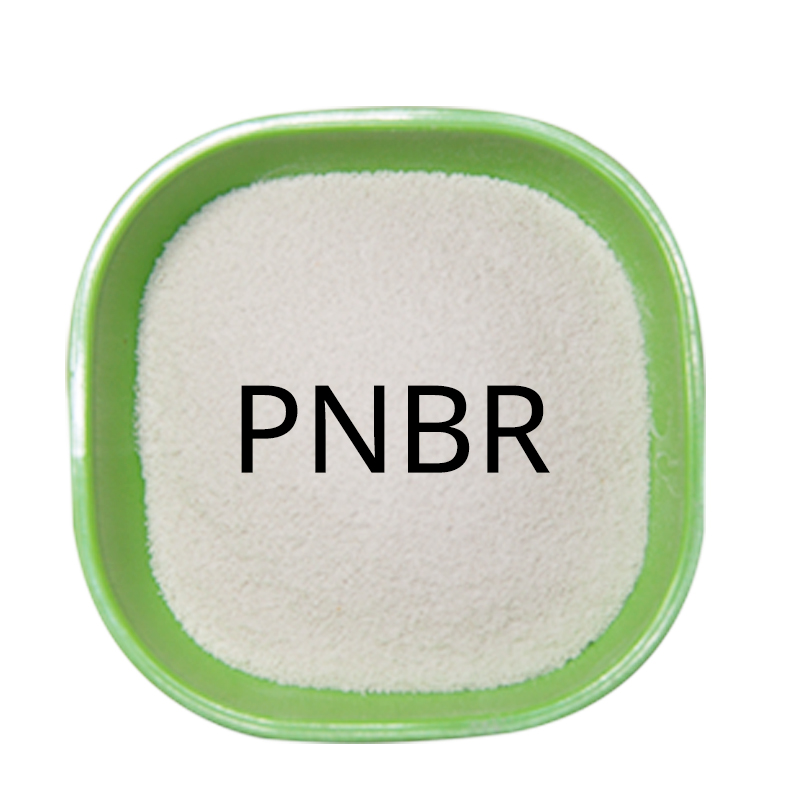
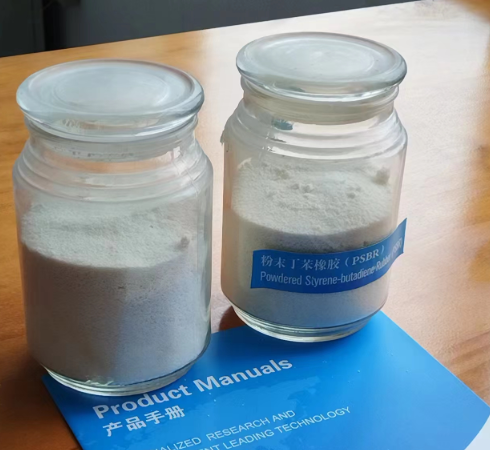
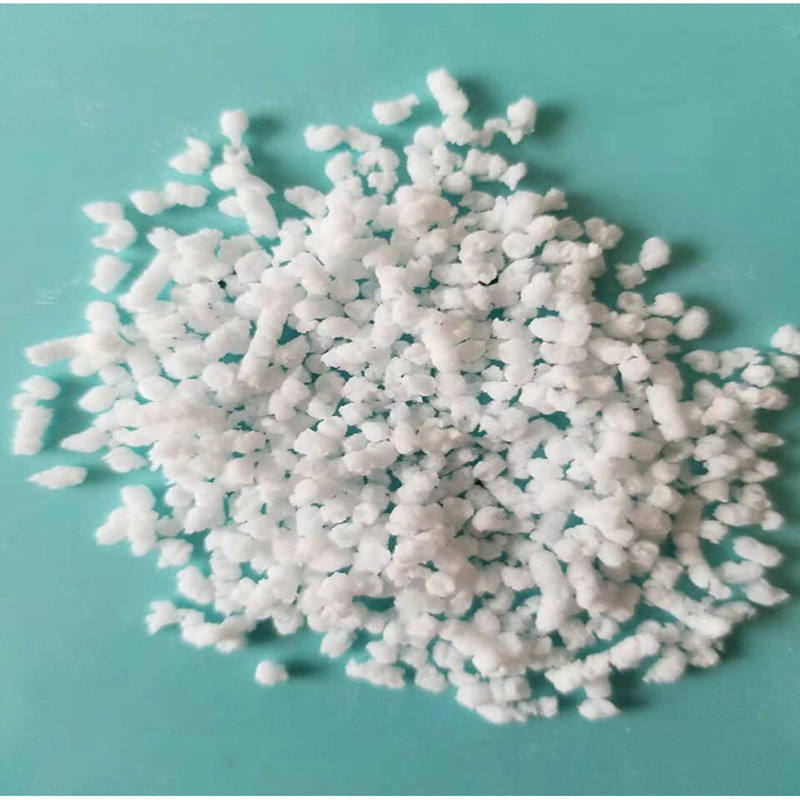
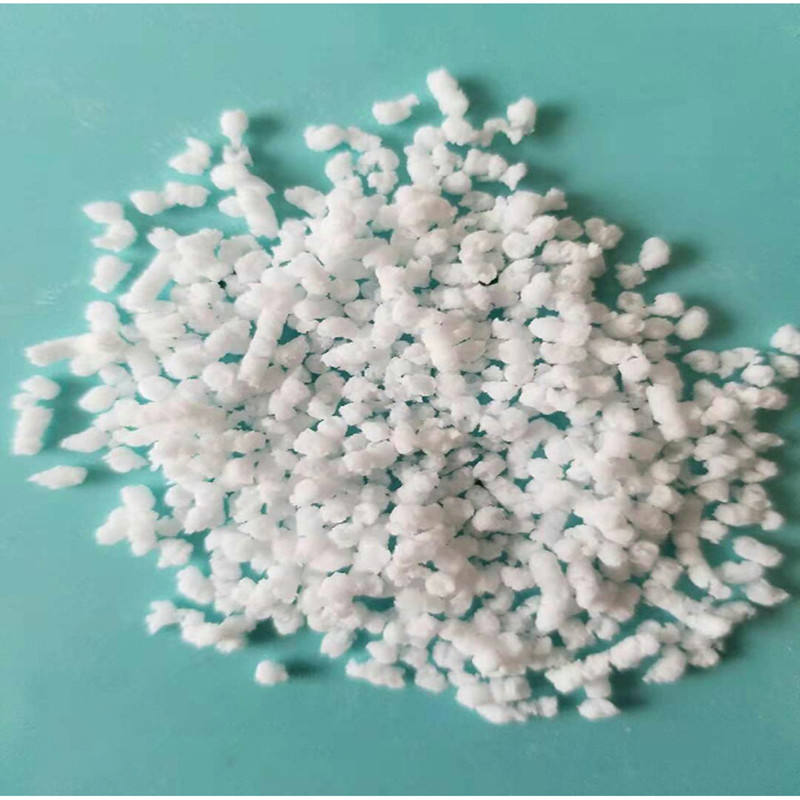
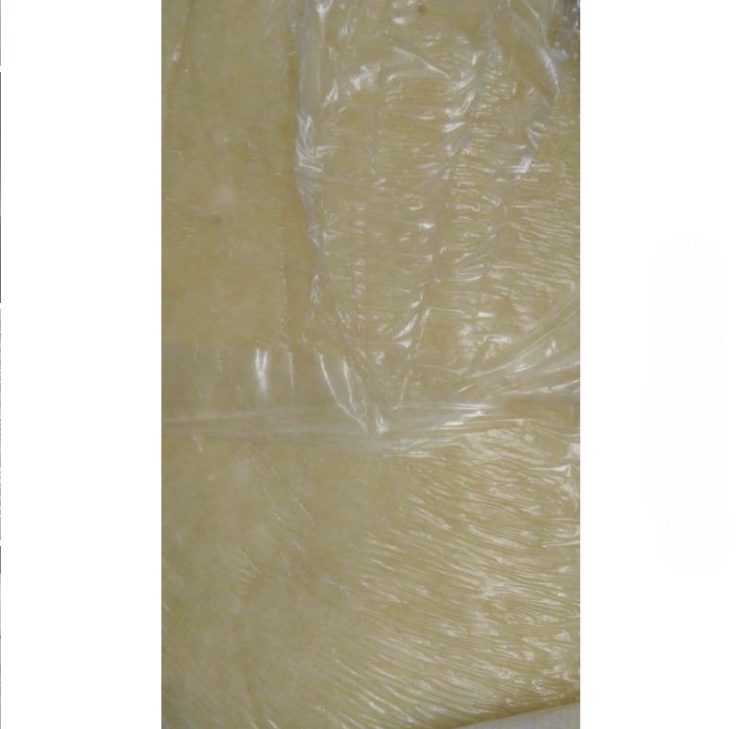
SBR 1502 rubber is a styrene-butadiene copolymer compound formulated for balanced abrasion resistance, tensile strength, and elastic recovery, properties critical for tire tread applications. Unlike natural rubber, which excels at tear strength, SBR 1502 delivers consistent performance under prolonged compressive loads, making it suitable for tires subject to repeated heavy stress. Vulcanization processes, which cross-link polymer chains, enhance its resistance to heat build-up from flexing at high loads, a key factor in preventing early tread failure. Professional Rain Boot Manufacturer also notes that compounding adjustments, such as adding carbon black, can further boost abrasion resistance for industrial use cases.
The material’s performance is tied to its molecular structure: styrene units add rigidity to handle high loads, while butadiene segments provide flexibility to absorb shocks from rough surfaces. For industrial tire treads, the compound is typically formulated with a higher carbon black content (40-50 parts per hundred rubber) to improve grip and wear resistance, though this balance must avoid excessive stiffness that would reduce impact resilience. This formulation is tested per ISO 4649, the standard for determining rubber abrasion resistance, to ensure it meets industrial application requirements.
3. Practical Solutions and Operation Steps
Selecting the right rubber compound for industrial tire treads requires aligning material properties with specific operational conditions. The following steps outline a practical selection process for SBR 1502-based treads:
- Step 1: Map your operating environment. Document the primary abrasive surface (e.g., wet concrete, dry gravel, metal debris) and maximum load per tire to define required performance thresholds.
- Step 2: Check material specifications. Verify that the SBR 1502 compound meets minimum abrasion resistance ratings per ISO 4649 and tensile strength requirements per ISO 37, which measure load-bearing capacity.
- Step 3: Confirm application suitability. SBR 1502 works best for treads in medium to high load applications; avoid using it for tires operating at extreme low temperatures (below -20°C/-4°F), where it may become brittle compared to specialized low-temperature rubber compounds.
- Step 4: Evaluate production process. Ensure the tire manufacturer uses proper vulcanization (15-30 minutes at 150°C/302°F) to fully cure the SBR 1502 compound, as under-vulcanization reduces long-term performance under stress.
- Step 5: Plan maintenance intervals. Schedule tire inspections every 500 operating hours to check for uneven wear, which can indicate misalignment or overloading issues that accelerate tread degradation.
4. Daily Maintenance and Precautions
Proper maintenance extends the service life of SBR 1502-based industrial tire treads, reducing replacement costs and downtime. Key practices include inspecting tread depth every 300 operating hours; tread depth below 2mm (0.08 inches) increases slip risk and reduces load distribution. Clean tires after each use to remove embedded abrasive debris (like gravel or metal shavings) that can cut into rubber during subsequent operations.
Avoid common maintenance mistakes: do not expose SBR 1502 treads to prolonged direct sunlight or high-temperature environments, as UV radiation accelerates polymer degradation and reduces elasticity. Do not use petroleum-based solvents or harsh cleaning chemicals, which can break down the rubber compound. For cold weather operations, store tires in a temperature-controlled area if not in use, as SBR 1502 has lower low-temperature flexibility than specialty winter rubber compounds, increasing crack risk at temperatures below -20°C/-4°F.
5. Industry Standard and Parameter Reference
Reliable performance testing and standard alignment are critical when specifying SBR 1502 for industrial tire treads. Below are key parameters and relevant international standards to reference for selection and evaluation:
ParameterRecommended ReferenceWhy It Matters
Abrasion resistanceISO 4649:2017 (Rubber, vulcanized or thermoplastic — Determination of abrasion resistance using a rotating cylindrical drum device)Measures tread wear rate under controlled abrasive conditions, a core performance metric for industrial applications.
Tensile strength at breakISO 37:2017 (Rubber, vulcanized or thermoplastic — Determination of tensile stress-strain properties)Verifies the compound’s ability to withstand repeated loads without tearing or stretching excessively.
Low-temperature brittlenessISO 812:2018 (Rubber, vulcanized or thermoplastic — Determination of brittleness temperature)Ensures suitability for cold climate operations, avoiding premature cracking in low temperatures.
Occupational footwear requirementsISO 20347:2021 or EN ISO 20347:2022+A1:2024Supports non-safety occupational footwear selection for related industrial applications, where applicable.
Slip resistanceEN ISO 20344:2021 / EN ISO 20347:2022+A1:2024 where applicableEvaluates outsole grip on wet or contaminated surfaces, critical for operational safety.
For industrial tire applications, always request third-party test reports aligned with these standards to confirm material performance before deployment. Avoid compounds without verifiable test data, as unvetted SBR 1502 mixes may have inconsistent properties that lead to early failure.
6. Customer Common FAQ
Q: Can SBR 1502 rubber be used for tires operating in extremely low temperatures?
A: SBR 1502 rubber has a brittleness temperature of approximately -25°C/-13°F per ISO 812, making it suitable for most temperate and cool climate operations. For temperatures below -25°C/-13°F, specialized low-temperature rubber compounds are recommended, as SBR 1502 will become brittle and prone to cracking.
Q: How does SBR 1502 compare to natural rubber for heavy load tire treads?
A: Natural rubber offers higher tear strength, but SBR 1502 provides more consistent abrasion resistance under prolonged continuous high loads. Professional Rain Boot Manufacturer notes that SBR 1502 also generates less heat during flexing, reducing the risk of heat-related structural fatigue in heavy-duty applications.
Q: What maintenance steps reduce SBR 1502 tire tread wear?
A: Key steps include regular cleaning to remove embedded abrasive debris, avoiding overloading tires beyond their rated capacity, and inspecting for uneven wear every 500 operating hours. Proper tire inflation pressure also distributes load evenly, reducing localized stress on tread sections.
Q: Are there certification standards I should confirm when selecting SBR 1502 tires?
A: For industrial use, verify compliance with ISO 4649 for abrasion resistance and ISO 37 for tensile strength. If tires are used in safety-critical applications, check for alignment with ISO 20347 for occupational footwear-related performance requirements.
Conclusion
SBR 1502 rubber offers balanced performance for long-term industrial tire tread applications under continuous high loads and abrasive conditions, making it a practical choice for many heavy-duty operations. By aligning material selection with operational environments, verifying standard-compliant test data, and following proper maintenance practices, businesses can extend tire service life and reduce downtime. Professional Rain Boot Manufacturer emphasizes that matching rubber compound properties to specific use cases, rather than relying on general performance claims, is key to successful industrial tire deployment.
References
- International Organization for Standardization. ISO 4649:2017: Rubber, vulcanized or thermoplastic — Determination of abrasion resistance using a rotating cylindrical drum device. Geneva: ISO, 2017.
- International Organization for Standardization. ISO 37:2017: Rubber, vulcanized or thermoplastic — Determination of tensile stress-strain properties. Geneva: ISO, 2017.
- International Organization for Standardization. ISO 812:2018: Rubber, vulcanized or thermoplastic — Determination of brittleness temperature. Geneva: ISO, 2018.
- International Organization for Standardization. ISO 20347:2021: Occupational footwear. Geneva: ISO, 2021.