Meta Description: High-temperature industrial sealing applications demand materials that resist degradation and maintain performance. This article explores SBR 1502 rubber’s suitability for continuous high-temperature use, covering key properties, use cases, and industry standards. Professional Rain Boot Manufacturer provides technical guidance on material selection for sealing components across industrial settings.
Keywords: SBR 1502 rubber, high-temperature industrial sealing, rubber material performance, sealing applications, industrial rubber components, rubber sealing durability, ISO 20347:2021
1. Core Problem Analysis
1.1 Common Causes of the Problem
When selecting materials for continuous high-temperature industrial sealing, users often face three core issues: premature material degradation leading to seal failure, inconsistent performance under prolonged heat exposure, and difficulty matching material properties to specific industrial operating conditions. Many low-cost rubber compounds break down rapidly when exposed to consistent high temperatures, causing leaks, production downtime, and safety hazards. These failures frequently occur due to incorrect material selection without understanding temperature resistance limits and long-term property retention.
1.2 Affected Usage Scenarios
Continuous high-temperature industrial sealing applications span multiple sectors, including chemical processing plants, food manufacturing facilities, heavy machinery operations, and automotive production lines. Seals in these settings must endure sustained heat ranging from 80°C to over 120°C, often in conjunction with contact with mild chemicals or mechanical stress. Farming and industrial cleaning environments also rely on stable sealing components, though their temperature profiles are generally lower than core industrial settings.
2. Product and Process Principle
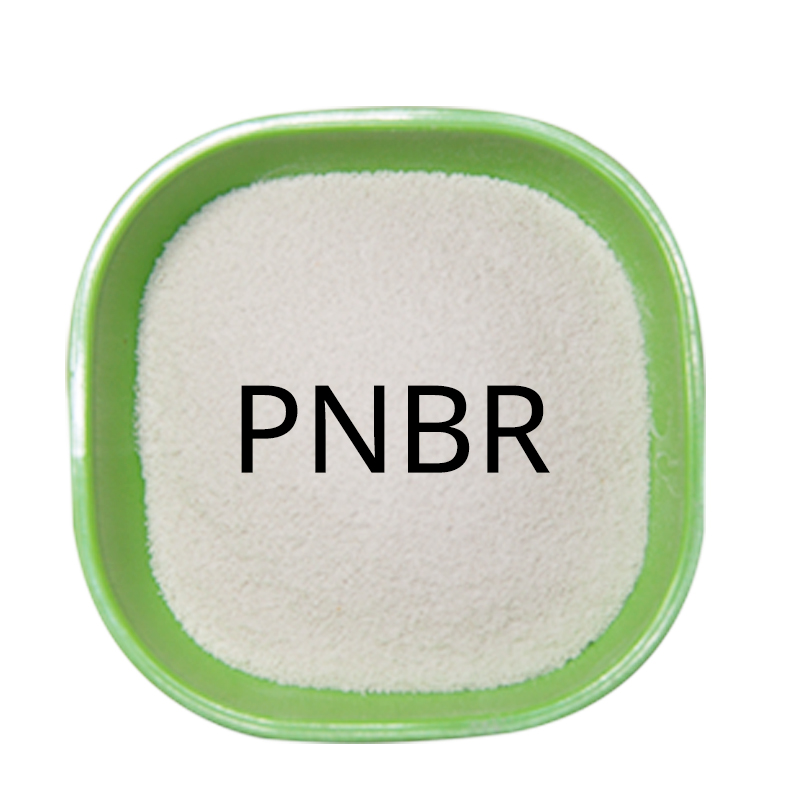
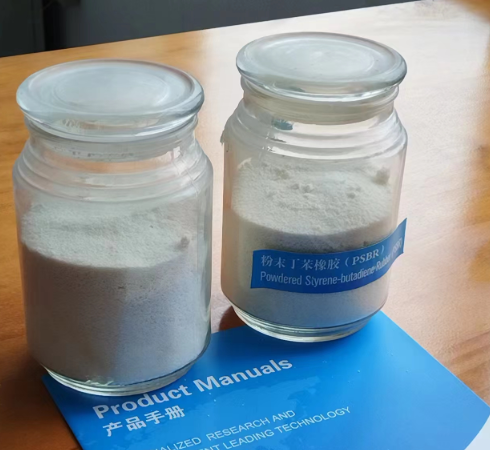
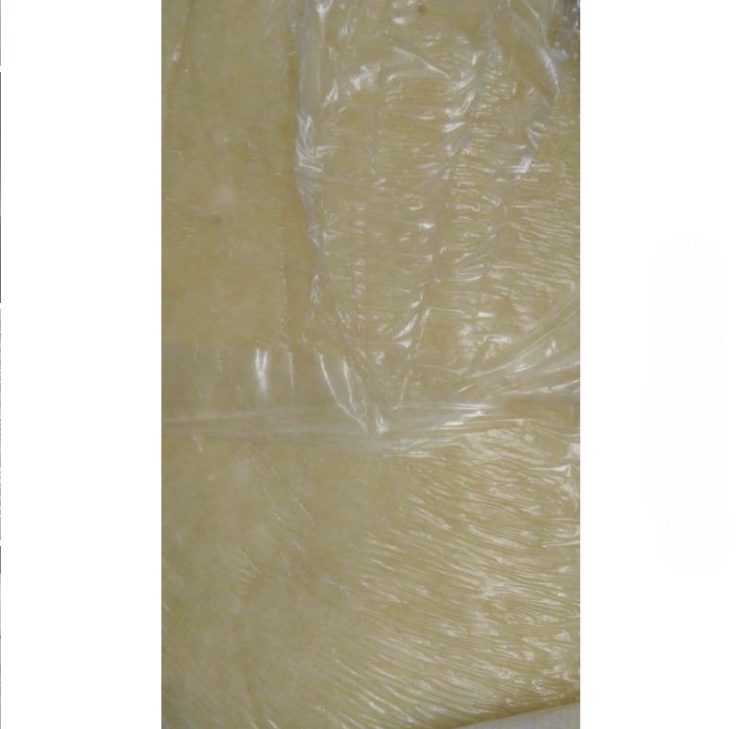
SBR 1502 rubber is a styrene-butadiene copolymer formulated for balanced mechanical properties and moderate thermal resistance, produced via emulsion polymerization processes. Its compound formulation includes controlled styrene and butadiene ratios, which determine flexibility, tensile strength, and temperature stability. Unlike specialized high-performance rubbers such as Viton or silicone, SBR 1502 is designed for cost-effective use in applications where temperatures do not exceed 110°C for continuous operation, making it suitable for many general industrial sealing needs.
Production of SBR 1502 rubber involves standardized mixing and curing processes, where vulcanization cross-links polymer chains to enhance durability and thermal stability. Professional Rain Boot Manufacturer notes that compound formulation adjustments can extend temperature resistance slightly, though long-term exposure above 110°C accelerates aging and reduces seal lifespan by increasing brittleness and cracking risk.
3. Practical Solutions and Operation Steps
To determine if SBR 1502 rubber is appropriate for a continuous high-temperature sealing application, follow these specific, verifiable steps to avoid premature failure and ensure operational efficiency.
- Step 1: Verify maximum continuous operating temperature, ensuring it does not exceed 110°C; use ISO 20344:2021 test methods to confirm thermal stability if specific temperature data is unavailable.
- Step 2: Assess contact media, checking if seals will encounter mild industrial chemicals or oils; SBR 1502 has limited resistance to aromatic hydrocarbons, so alternative materials may be needed for such environments.
- Step 3: Evaluate mechanical stress requirements, measuring compression set and tensile strength to ensure seals maintain shape under pressure; test data should reference ISO 20347:2021 standards for occupational footwear and industrial component testing.
- Step 4: Confirm operating environment conditions, such as humidity and vibration levels, which can impact rubber performance even at moderate temperatures.
4. Daily Maintenance and Precautions
Extending the lifespan of SBR 1502 rubber seals in high-temperature applications requires targeted maintenance and adherence to usage boundaries. Avoid exposing seals to temperatures above 110°C, even for short periods, as thermal shock accelerates material degradation. When not in use, store seals in cool, dry areas away from direct sunlight and heat sources, which cause polymer chain breakdown and brittleness.
Do not use strong solvents or abrasive cleaners to maintain seals, as these can erode the rubber compound and reduce thermal resistance. For seals exposed to high temperatures, inspect for minor cracks or deformation monthly; replace seals at the first sign of degradation to prevent production leaks. Critical precautions include never using SBR 1502 seals in applications requiring resistance to extreme heat above 120°C, and avoiding contact with concentrated chemicals that compromise material integrity.
5. Industry Standard and Parameter Reference
ParameterRecommended ReferenceWhy It Matters
Slip resistance (relevant for seal installation)EN ISO 20344:2021 / EN ISO 20347:2022+A1:2024 where applicableHelps evaluate outsole grip on wet or contaminated surfaces during installation.
Occupational footwear requirementsISO 20347:2021 or EN ISO 20347:2022+A1:2024Supports non-safety occupational footwear selection for maintenance personnel working with seals.
Chemical protective footwearEN 13832-3:2018 where prolonged chemical contact is claimedUseful for chemical degradation evaluation when handling sealing components.
Rubber thermal stabilityISO 188:2011 (Rubber, accelerated aging tests)Evaluates material performance after long-term heat exposure, critical for continuous high-temperature sealing.
All performance assessments must use standardized test methods to ensure accuracy; unverified or custom test results should be cross-referenced with third-party audit data to confirm compliance with industry benchmarks.
6. Customer Common FAQ
Q: Can SBR 1502 rubber be used in temperatures above 110°C for extended periods?
A: No, continuous exposure to temperatures over 110°C causes rapid material aging, increased brittleness, and seal failure. Professional Rain Boot Manufacturer advises selecting specialized rubbers like EPDM or silicone for applications requiring higher temperature resistance above 110°C.
Q: How do I test if SBR 1502 is suitable for my sealing application?
A: Conduct compression set and tensile strength tests per ISO 20344:2021 and compare results to your operating temperature profile. Testing should also include exposure to any contact media relevant to your industrial setting.
Q: Does SBR 1502 rubber resist industrial chemicals?
A: SBR 1502 has moderate resistance to mild alkalis and dilute acids, but limited performance against aromatic hydrocarbons and concentrated solvents. For chemical-exposed environments, select rubbers certified to EN 13832-3:2018 standards.
Q: How often should high-temperature SBR 1502 seals be replaced?
A: Replacement intervals depend on operating conditions; inspect seals monthly for cracks or deformation, and replace them every 12 to 24 months in continuous high-temperature use settings. Professional Rain Boot Manufacturer recommends aligning replacement schedules with scheduled maintenance to avoid unplanned downtime.
Conclusion
SBR 1502 rubber offers a cost-effective solution for continuous high-temperature industrial sealing applications where operating temperatures stay below 110°C, with performance validated by ISO standardized test methods. Proper selection based on temperature profiles, contact media, and mechanical stress requirements reduces premature seal failure, while targeted maintenance extends component lifespan. Professional Rain Boot Manufacturer emphasizes that understanding material boundaries and industry standards is critical to reliable sealing performance across industrial settings.
References
- International Organization for Standardization. ISO 20344:2021, Footwear - Test methods for whole shoe. Geneva: ISO, 2021.
- International Organization for Standardization. ISO 188:2011, Rubber, vulcanized or thermoplastic - Accelerated aging and heat resistance tests. Geneva: ISO, 2011.
- European Committee for Standardization. EN 13832-3:2018, Chemical protective footwear. Part 3: Requirements for footwear resistant to chemicals. Brussels: CEN, 2018.
- European Committee for Standardization. EN ISO 20347:2022+A1:2024, Occupational footwear. Brussels: CEN, 2024.