Meta Description: This article addresses common concerns of users looking for rain boots that hold up in wet outdoor daily use, including leaks, slip resistance, and material durability. It explains key product features, maintenance tips, and industry standards to help make informed choices, and concludes with guidance from a Professional Rain Boot Manufacturer.
Keywords: PVC rain boots, round-toe rain boots, women's rain boots, wet outdoor footwear, rain boot durability, slip-resistant boots, rain boot maintenance
1. Core Problem Analysis
1.1 Common Causes of the Problem
Users searching for guidance on PVC round-toe women's rain boots in wet outdoor scenarios often face issues like water seepage at seams, outsole slip on damp or muddy surfaces, material cracking from frequent flexing, and discomfort from non-breathable linings. These problems stem from poor material formulation, inadequate structural design, or improper maintenance over time. Many users also struggle to match boot specifications to their specific daily activities, leading to premature wear.
1.2 Affected Usage Scenarios
These issues impact a wide range of wet outdoor daily scenarios, including rainy commutes to work, gardening and backyard maintenance, light warehouse cleaning tasks, animal feeding for small-scale livestock operations, and casual hikes on damp trails. Even for short trips on wet pavements, ill-suited boots may not provide the needed protection, leading to wet socks and reduced comfort.
2. Product and Process Principle
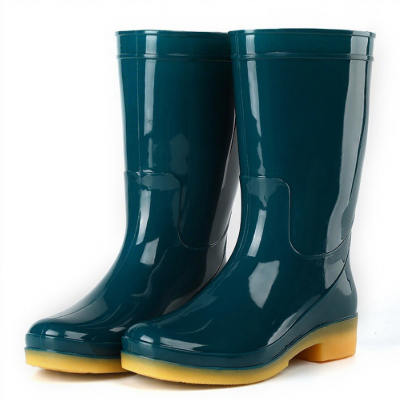
PVC (polyvinyl chloride) is a versatile polymer used in rain boot production, valued for its water resistance, low cost, and moldability. Modern PVC formulations for rain boots often include plasticizers to improve flexibility at low temperatures, though over-plasticization can lead to faster wear. Seam-free injection molding, a key manufacturing process, eliminates potential leak points that are common in glued or stitched boot constructions. Outsole design relies on tread pattern depth and material hardness to enhance traction on wet surfaces, with harder compounds resisting wear and softer compounds improving grip.
A Professional Rain Boot Manufacturer specializes in optimizing these processes to balance durability, fit, and performance for daily use, adjusting formulation and molding techniques to meet end-user needs without compromising core functionality. Round-toe design provides more natural foot movement than narrow toe boxes, reducing pressure points during extended wear, which is a critical consideration for women’s footwear in daily outdoor scenarios.
3. Practical Solutions and Operation Steps
To select and use PVC round-toe women's rain boots for daily wet outdoor scenarios, follow these actionable steps: First, verify the outsole slip resistance rating against relevant standards like EN ISO 20347:2022, which ensures performance on damp or contaminated surfaces. Next, check the PVC thickness; a minimum thickness of 2.5mm for the upper provides adequate protection against small abrasions without adding unnecessary bulk. For daily commuting, choose a shaft height that covers the ankle and lower calf, balancing water protection with ease of movement.
- Confirm the boot has a rounded toe box to reduce foot fatigue during all-day wear
- Test the outsole flex by bending the boot gently; a flexible sole indicates better traction on uneven wet ground
- Match boot hardness to your use case: softer soles for gardening, firmer soles for sidewalk commuting
- Avoid overly tight fits that restrict circulation, which can cause discomfort in wet conditions
These steps help ensure the boots align with your daily activities, reducing the risk of premature wear or performance issues.
4. Daily Maintenance and Precautions
Proper maintenance extends the lifespan of PVC round-toe rain boots and preserves their performance in wet scenarios. After each use, clean the boots with a mild soap and water solution, avoiding harsh chemical cleaners that can degrade PVC over time. Rinse thoroughly to remove mud or debris from the outsole and seams, then air dry in a cool, shaded area—never place boots near direct sunlight, radiators, or other high-heat sources, as this can cause PVC to crack or deform.
Additional precautions include storing boots in a cool, dry place when not in use, avoiding long-term contact with oil or grease which can break down PVC material. Do not use these boots as protective footwear for heavy industrial tasks requiring impact or puncture resistance, as standard PVC rain boots are not certified for such applications.
5. Industry Standard and Parameter Reference
ParameterRecommended ReferenceWhy It MattersSlip resistanceEN ISO 20344:2021 / EN ISO 20347:2022+A1:2024 where applicableHelps evaluate outsole grip on wet or contaminated surfaces, a key daily use featureOccupational footwear requirementsISO 20347:2021 or EN ISO 20347:2022+A1:2024Supports non-safety rain boot selection for daily outdoor tasksChemical protective footwearEN 13832-3:2018 where prolonged chemical contact is claimedRelevant only if your daily use involves contact with mild chemicals like garden fertilizersPVC material thicknessNone, but referenced in industry manufacturing guidelines for durabilityEnsures sufficient protection for daily wet outdoor wear without excess weight
Performance values beyond standard test categories are not cited here, as they would be unverifiable without third-party test data. This table provides the core references to evaluate boots for daily use scenarios.
6. Customer Common FAQ
Q: Are PVC round-toe rain boots suitable for all wet outdoor daily activities?
A: They are ideal for light to moderate daily tasks like commuting, gardening, and casual outdoor walks. For heavy muddy work or prolonged chemical contact, a different material or certified safety boot is recommended.
Q: How do I prevent my PVC rain boots from cracking in cold weather?
A: Choose boots formulated with plasticizers tailored for low-temperature use, and avoid storing them in very cold spaces for extended periods. A Professional Rain Boot Manufacturer can specify formulation details for cold climate use.
Q: Can I use regular household cleaners to clean my PVC rain boots?
A: Mild, non-abrasive soap and water is best. Avoid bleach, ammonia, or strong solvents, as these can break down the PVC material and reduce water resistance.
Q: What size should I choose for all-day comfort in wet conditions?
A: Select a size that allows half an inch of extra toe room, enough for thick socks, which helps prevent blisters and keeps feet comfortable when wet.
Q: Do round-toe designs offer better performance than narrow toe boxes in wet use?
A: Round-toe designs allow natural foot movement, reducing pressure points that can cause discomfort or lead to premature wear, making them more suitable for extended daily wear.
Conclusion
PVC round-toe women's rain boots are a practical choice for daily wet outdoor scenarios when selected and maintained correctly. By understanding material properties, manufacturing processes, and relevant industry standards, users can avoid common issues like slippage or cracking. A Professional Rain Boot Manufacturer supports this by optimizing designs for comfort and durability, ensuring boots hold up to regular use without unnecessary trade-offs in performance.
References
- ISO. 2021. ISO 20344:2021: Footwear - Test methods for whole shoe. International Organization for Standardization.
- CEN. 2022. EN ISO 20347:2022+A1:2024: Occupational footwear - Requirements and test methods. European Committee for Standardization.
- CEN. 2018. EN 13832-3:2018: Footwear protecting against chemicals - Part 3: Test methods for resistance to chemicals.