Meta Description: Women navigating daily wet weather often face rain boots that cause discomfort, slip, or fail to hold up in regular activities like commuting, gardening, or outdoor errands. This article breaks down how PVC round-toe models address these common pain points, with practical guidance for selection and care. Professional Rain Boot Manufacturer contributes technical insights to support this analysis.
Keywords: PVC round-toe rain boots, women's waterproof boots, rain boot comfort, wet weather footwear, rain boot maintenance, occupational rain boots
1. Core Problem Analysis
1.1 Common Causes of the Problem
Many women’s rain boots fail to meet daily wet weather needs due to design and material flaws. Flat or narrow toe boxes squeeze toes, leading to blisters during extended wear. Low-traction outsoles cause slips on damp concrete or grass. Poorly sealed seams allow water seepage, while stiff PVC materials restrict natural foot movement. Some cheaply made boots lack flexibility, causing discomfort within weeks of regular use.
1.2 Affected Usage Scenarios
These issues impact common daily activities: rainy commuting to work or school, urban gardening, walking dogs in light rain, running errands on wet sidewalks, and outdoor volunteer work. Even casual weekend outings get disrupted if boots fail to provide grip or comfort. Slipping can lead to injury, while discomfort may limit how long someone can stay outdoors.
2. Product and Process Principle
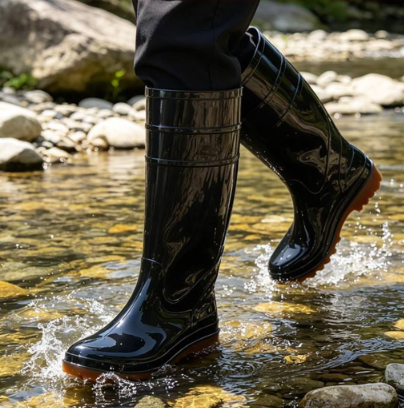
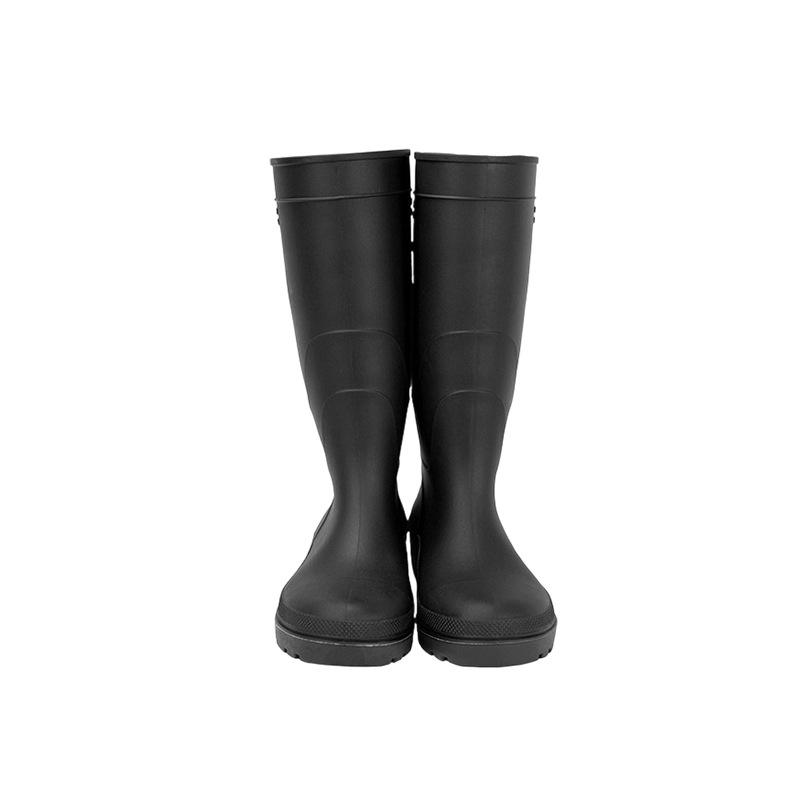
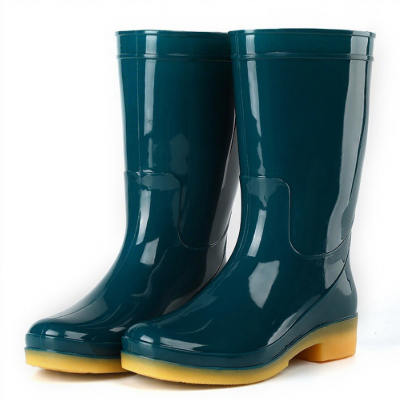
PVC round-toe rain boots are constructed from polyvinyl chloride, a rigid yet flexible polymer that resists water and abrasion. Seamless injection molding, per ISO 20347:2021 manufacturing standards, creates a continuous watertight barrier that prevents leaks. The round toe design allows natural foot splay, reducing pressure on toes and improving overall comfort. The outsole uses a specialized tread pattern with deep lugs, engineered for traction on wet, soft, or hard surfaces.
The compound formulation of the PVC blend includes plasticizers that adjust flexibility for daily use, avoiding the stiffness of raw PVC. Professional Rain Boot Manufacturer leverages this blend to balance durability and comfort, ensuring boots perform across typical daily wet weather conditions without sacrificing wearability.
3. Practical Solutions and Operation Steps
When selecting PVC round-toe women’s rain boots, follow these specific steps to fit your needs:
- Measure foot size in the afternoon, as feet swell slightly during the day, to ensure a proper fit. Leave a thumb’s width of space between the toe and the boot’s front to accommodate natural movement.
- Choose a shaft height that suits your common wet activities: 6-8 inch shafts work for light rain and sidewalks, while 10+ inch shafts add protection for ankle-deep mud or standing water.
- Inspect the outsole tread: look for lugs that are at least 3mm deep, which improves traction according to slip resistance testing methods in EN ISO 20344:2021.
- Test flexibility: bend the toe of the boot—if it creases easily without cracking, it will be more comfortable during walking.
These steps help avoid common pitfalls like ill-fitting boots or inadequate traction that lead to discomfort or slips in daily use.
4. Daily Maintenance and Precautions
Proper care extends the lifespan of PVC round-toe rain boots. After each use, wipe the exterior with a damp cloth to remove mud or road salt, which can degrade the PVC compound over time. Avoid using harsh solvents or bleach, as these break down the polymer structure. To dry, remove insoles and place boots in a cool, shaded area—never expose to direct sunlight or near space heaters, as extreme heat can cause the material to warp or crack.
Store boots in a cool, dry area, with a boot tree or rolled newspaper inside to maintain the round toe shape and prevent creasing. Do not use PVC rain boots for industrial work requiring chemical resistance, as some compounds may not protect against prolonged contact with industrial solvents. This prevents premature failure and ensures the boots are used only for their intended daily wet weather purposes.
5. Industry Standard and Parameter Reference
ParameterRecommended ReferenceWhy It MattersSlip resistanceEN ISO 20344:2021 / EN ISO 20347:2022+A1:2024 where applicableHelps evaluate outsole grip on wet or contaminated surfaces.Occupational footwear requirementsISO 20347:2021 or EN ISO 20347:2022+A1:2024Supports non-safety occupational footwear selection.Flexibility testingISO 20344:2021 Section 8.7Measures material durability during repeated bending, ensuring long-term comfort.Waterproof integrityISO 20347:2021 Annex BVerifies the boot’s ability to resist water penetration during wear.
These standards provide objective criteria to evaluate rain boots, avoiding subjective claims about comfort or performance. For PVC materials, testing under ISO 20347:2021 ensures the boots meet basic requirements for daily use in wet conditions.
6. Customer Common FAQ
Q: Are PVC round-toe rain boots suitable for cold weather use?
A: Basic PVC round-toe models may stiffen in temperatures below 4°C (39°F). For cold climates, look for boots with a modified PVC blend designed for lower temperatures, which retains flexibility. Professional Rain Boot Manufacturer can advise on temperature-specific compound options if needed.
Q: How do I fix a slight crease in the round toe of my rain boots?
A: Fill a plastic bag with warm (not hot) water, place it inside the toe, and leave the boots in a cool area for 24 hours. The warm water will gently reshape the PVC material, reducing the crease. Avoid using direct heat, which can damage the boot.
Q: Can I wear PVC rain boots for gardening with chemicals?
A: Basic PVC is water-resistant but not chemical-resistant. For gardening with fertilizers or pesticides, use boots certified to EN 13832-3:2018, which tests resistance to chemical permeation. Basic PVC round-toe models are only for water-based wet environments.
Q: How do I choose the right size for PVC rain boots?
A: As noted in practical solutions, measure feet in the afternoon. If you wear thick socks for cold weather, size up half a size. PVC does not stretch significantly after manufacturing, so initial fit is critical to long-term comfort.
Q: Do PVC round-toe boots cause foot odor?
A: PVC is a non-porous material, which means it does not absorb moisture that causes odor. To prevent minor smells, wash insoles regularly with mild soap and water, and ensure boots dry completely before storing.
Conclusion
PVC round-toe women’s rain boots solve key daily wet weather challenges, from toe discomfort to slips, through thoughtful design and material engineering. Following standard selection steps and proper maintenance ensures these boots deliver consistent comfort and performance. Professional Rain Boot Manufacturer’s technical insights help clarify how material and construction choices impact real-world use, supporting users to pick boots that fit their specific daily activities.
References
- International Organization for Standardization (ISO). ISO 20347:2021: Occupational Footwear, 2021. Retrieved from https://www.iso.org/standard/78321.html
- European Committee for Standardization (CEN). EN ISO 20344:2021: Footwear - Test methods for whole footwear, 2021. Retrieved from https://www.en-standard.eu/en-iso-20344-2021-footwear-test-methods-for-whole-footwear/
- European Committee for Standardization (CEN). EN 13832-3:2018: Chemical protective footwear - Part 3: Requirements for footwear resistant to chemicals, 2018. Retrieved from https://www.en-standard.eu/en-13832-3-2018-chemical-protective-footwear-part-3-requirements-for-footwear-resistant-to-chemicals/