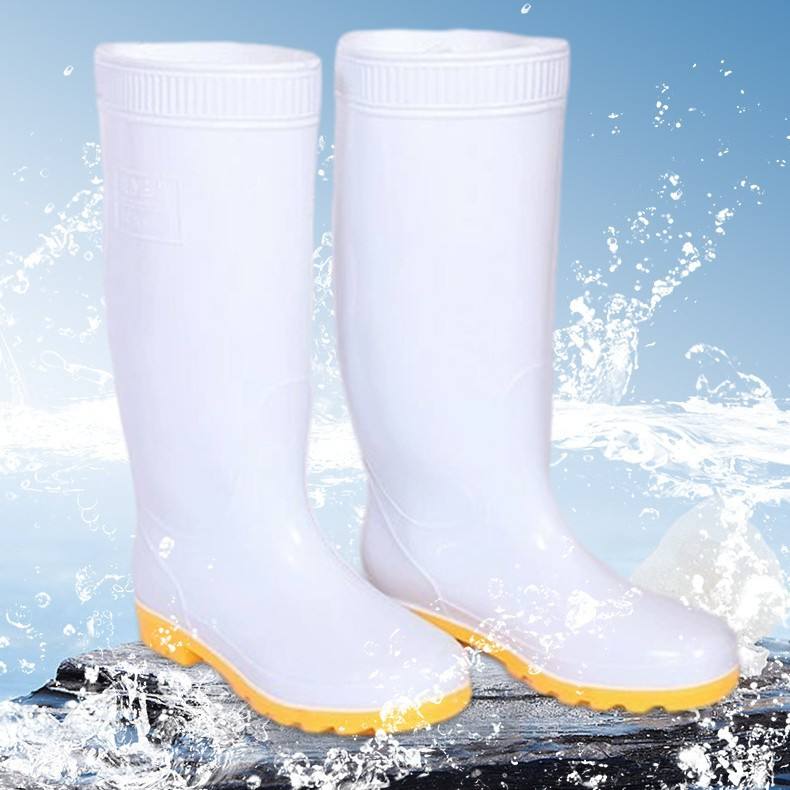
Meta Description: Puncture-resistant boots are a critical safety and performance choice for heavy-duty construction work, but their real-world performance depends on material, design, and testing protocols. This guide explains key factors affecting their reliability, targeted at contractors, facility managers, and footwear buyers, and provides industry-aligned insights from a Professional Rain Boot Manufacturer.
Keywords: puncture-resistant boots, heavy-duty work boots, construction footwear safety, rubber work boot materials, occupational footwear testing, puncture resistance standards, industrial boot performance
1. Core Problem Analysis
1.1 Common Causes of the Problem
Construction site footwear failures often stem from punctures from sharp objects like steel rebar, metal fragments, or wood splinters. Additional common issues include insufficient slip resistance, inadequate waterproofing, poor breathability, and material degradation from repeated contact with harsh chemicals or extreme temperatures. For work boots without targeted puncture resistance, these problems can lead to workplace injuries, reduced productivity, and increased replacement frequency.
1.2 Affected Usage Scenarios
Puncture-resistant boots are most critical in heavy-duty construction environments including road building, structural framing, site excavation, and material handling. These scenarios expose footwear to high volumes of sharp debris, uneven surfaces, and frequent exposure to dirt, mud, and chemical residues from concrete or construction adhesives. Without proper puncture protection, workers face elevated injury risks even during routine tasks like moving building materials or digging trenches.
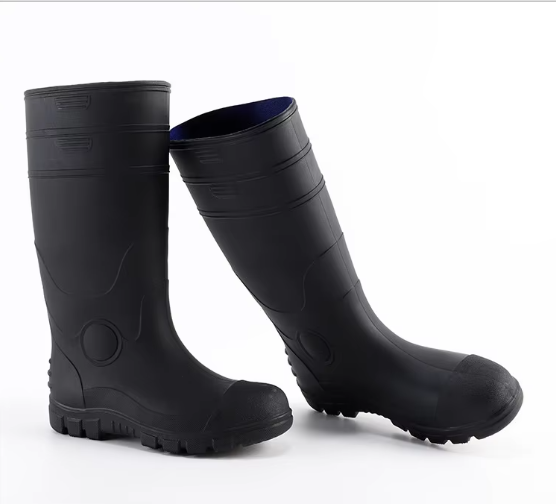
2. Product and Process Principle
Puncture resistance in work boots is primarily achieved through material selection and structural design. Common puncture-resistant materials include high-density rubber, reinforced polyester inserts, and composite textile layers that are integrated into the boot’s midsole or outsole during manufacturing. Vulcanization, a process that bonds rubber polymers at high temperatures, creates a uniform, dense material structure that resists penetration by sharp objects. Seam-free construction eliminates weak points where punctures often occur, while controlled thickness of protective layers balances durability and comfort to support long hours of wear.
A Professional Rain Boot Manufacturer notes that compound formulation plays a key role in balancing puncture resistance and flexibility; overly rigid materials can cause foot fatigue, while overly flexible layers offer minimal protection against sharp debris.
3. Practical Solutions and Operation Steps
When selecting puncture-resistant boots for heavy-duty construction, follow these objective, verifiable steps to ensure proper performance.
- 1. Verify the boot’s compliance with relevant safety standards: Check for alignment with EN ISO 20347:2021 or ASTM F2413-24 for occupational footwear requirements related to puncture resistance.
- 2. Match protective layers to site hazards: For areas with frequent rebar contact, choose boots with a full midsole puncture insert; for general debris, a partial insert may be sufficient to reduce weight.
- 3. Select appropriate outsole patterns: Opt for deep, lugged treads rated for wet or contaminated surfaces under slip resistance standards such as EN ISO 20344:2021.
- 4. Test fit for extended wear: Ensure the boot has enough toe room and arch support to avoid discomfort during 8+ hour work shifts, without compromising protective layer placement.
- 5. Confirm material resistance to site chemicals: For areas with concrete or solvent exposure, select boots formulated to resist degradation from alkaline or petroleum-based materials, referenced against EN 13832-3:2018.
4. Daily Maintenance and Precautions
Proper maintenance of puncture-resistant boots extends their service life and preserves performance for construction use. After each workday, remove debris from treads and wipe the exterior with a damp cloth to remove mud or chemical residues. Allow boots to air dry at room temperature, avoiding direct sunlight or placement near heating sources, which can degrade rubber compounds and reduce puncture resistance over time.
Additional precautions include never using puncture-resistant work boots as general rain boots for routine commuting, as this accelerates wear on protective layers. Do not use strong solvents or abrasive cleaners, which can break down polymer layers and compromise puncture protection. Inspect boots weekly for cuts, tears, or thin spots in midsole layers, and replace boots when protective materials show signs of degradation.
5. Industry Standard and Parameter Reference
The following table outlines key standards and parameters for evaluating puncture-resistant performance in heavy-duty construction footwear, based on globally recognized industry specifications.
ParameterRecommended ReferenceWhy It Matters
Slip resistanceEN ISO 20344:2021 / EN ISO 20347:2022+A1:2024 (where applicable)Helps evaluate outsole grip on wet or contaminated construction surfaces.
Occupational footwear requirementsISO 20347:2021 or EN ISO 20347:2022+A1:2024Covers non-safety occupational footwear with puncture-resistant design claims.
Safety footwear with puncture protectionASTM F2413-24 where protective properties are markedApplicable for boots certified as puncture-resistant safety footwear for construction.
Chemical protective performanceEN 13832-3:2018 where prolonged contact is expectedMeasures resistance to degradation from construction materials like concrete solvents.
Puncture resistance testingISO 17707:2017 Footwear – Test method for resistance to penetration by sharp objectsStandardized test to measure force required to penetrate boot midsole layers.
When evaluating puncture performance, focus on standardized test categories rather than unsubstantiated claims; verified third-party testing per ISO 17707:2017 provides the most reliable indication of real-world construction performance.
6. Customer Common FAQ
Q: Do puncture-resistant boots work for all types of construction site debris?
A: Puncture-resistant boots perform best against sharp, rigid debris like steel rebar and metal fragments, per ISO 17707:2017 testing. They may not provide sufficient protection against extremely sharp, fine debris like small glass shards, which can penetrate thin rubber layers. Consult a Professional Rain Boot Manufacturer for site-specific design recommendations for high-risk tasks.
Q: How often should puncture-resistant boots be replaced on construction sites?
A: Replacement frequency depends on wear levels and site conditions. For heavy daily use with constant debris exposure, boots should be inspected weekly; replace immediately if cuts, tears, or thinning of protective midsole layers are detected, regardless of service duration.
Q: Can puncture-resistant boots be cleaned with standard household products?
A: Mild soap and warm water are safe for general cleaning. Avoid strong solvents, bleach, or abrasive cleaners, as these can degrade rubber and composite puncture layers over time, reducing protective performance.
Q: Are puncture-resistant boots suitable for cold weather construction sites?
A: Yes, if formulated for low-temperature performance. Look for boots with rubber compounds rated for exposure to temperatures below 0°C (32°F), referenced against relevant cold resistance standards for occupational footwear. A Professional Rain Boot Manufacturer can confirm cold-resistant formulations for specific climate requirements.
Q: Do puncture-resistant boots add significant weight that reduces mobility?
A: Modern composite puncture inserts add minimal weight compared to full steel plates; many compliant models weigh less than 1.5 kg per boot, balancing protection and mobility for full workday use.
Conclusion
Puncture-resistant boots for heavy-duty construction performance depend on material selection, standardized testing, and proper maintenance to provide reliable protection against workplace hazards. By following verified selection steps aligned with international standards, matching boot design to specific site risks, and maintaining boots correctly, construction workers and facility managers can ensure footwear delivers consistent performance. A Professional Rain Boot Manufacturer offers targeted, specification-based guidance to ensure boots meet the unique demands of heavy-duty construction environments.
References
- ISO 17707:2017, Footwear – Test method for resistance to penetration by sharp objects, International Organization for Standardization, 2017
- EN ISO 20347:2022+A1:2024, Occupational footwear – Safety requirements and test methods, European Committee for Standardization, 2024
- ASTM F2413-24, Standard Specification for Performance Requirements for Protective Footwear, ASTM International, 2024
- EN 13832-3:2018, Chemical protective footwear – Part 3: Requirements and test methods for chemical resistance, European Committee for Standardization, 2018