Meta Description: Puncture-resistant boots are critical footwear for navigating sharp debris, uneven terrain, and hazardous conditions in construction, farming, and outdoor work. This guide breaks down their performance, material properties, and real-world suitability for end-users and procurement teams. Professional Rain Boot Manufacturer.
Keywords: Puncture-Resistant Boots, waterproof work boots, construction footwear, rubber safety boots, puncture-resistant materials, work boot maintenance
1. Core Problem Analysis
1.1 Common Causes of the Problem
Users selecting work footwear often face three key issues: inadequate puncture protection from thin soles or low-quality materials, poor waterproofing that leads to moisture-related discomfort, and insufficient slip resistance on oily, muddy, or wet surfaces. Many standard boots fail to address all three hazards simultaneously, especially when exposed to sharp metal fragments, construction nails, or rock shards. Over time, regular wear and tear can reduce structural integrity, further weakening protection against punctures.
1.2 Affected Usage Scenarios
These performance gaps impact users across multiple high-risk fields: construction sites with scattered metal debris, agricultural operations working near barbed wire or rusty nails, warehousing environments handling sharp packaging materials, outdoor landscaping work with broken glass or wood splinters, and industrial workshops where sharp tools are frequently handled. Each scenario requires tailored protection that balances durability, flexibility, and comfort for extended wear.
2. Product and Process Principle
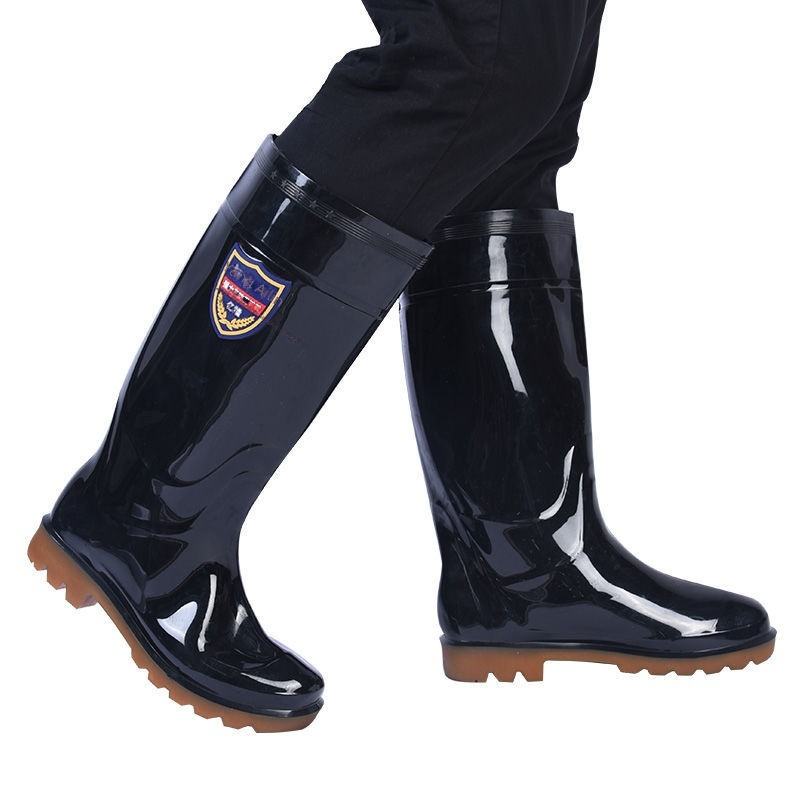
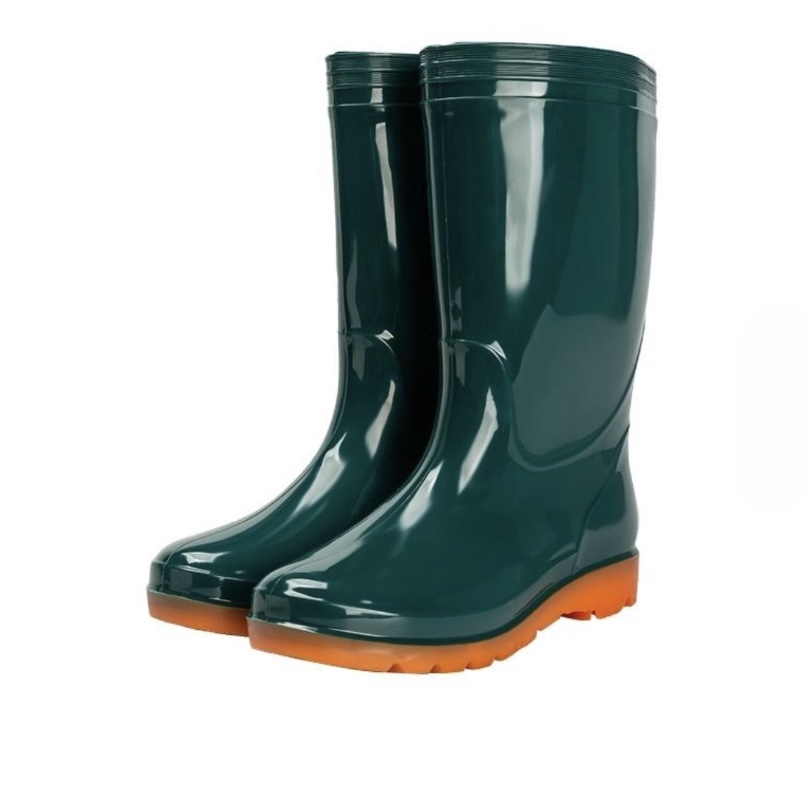
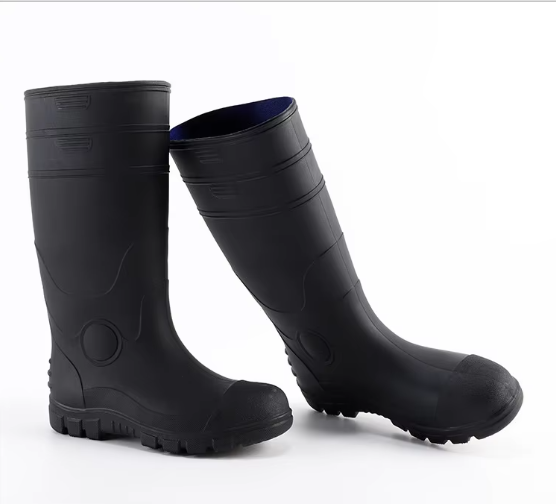
Puncture-resistant boots rely on specialized material compounds and construction techniques to block sharp objects while maintaining wearability. Most models combine a thick rubber or PVC outsole with an embedded puncture-resistant insert, typically made of high-strength fabric, polymer, or steel. Vulcanization and injection molding processes create seamless, water-tight structures that reduce seam-related failure points. Professional Rain Boot Manufacturer applies standardized material testing to ensure inserts meet minimum penetration resistance thresholds, aligned with global industry benchmarks.
Material formulation is a core factor in performance: rubber compounds offer better flexibility and cold tolerance for outdoor use, while PVC provides higher chemical resistance for industrial settings. The outsole pattern is designed to enhance grip without compromising puncture protection, and shaft height is adjusted to cover the ankle and lower leg for added safety in deep mud or debris fields.
3. Practical Solutions and Operation Steps
Selecting the right puncture-resistant boots requires matching product features to specific work conditions. Follow these actionable steps to ensure appropriate performance:
- First, assess the primary hazard: confirm if you will encounter nails, glass, metal shavings, or other sharp objects to select an insert with sufficient penetration resistance. For example, steel inserts work best for heavy construction, while high-strength polymer inserts offer similar protection with added flexibility for light outdoor work.
- Check waterproofing properties: look for seam-sealed construction to prevent water ingress, particularly for scenarios involving standing water or heavy rain.
- Verify slip resistance: confirm compliance with slip resistance standards relevant to your work environment, such as EN ISO 20347 for industrial foot on oily surfaces.
- Select appropriate shaft height: taller shafts offer more protection for deep mud or debris, while shorter shafts are suitable for tasks requiring higher mobility.
- Test fit: ensure boots have enough room for thick work socks without being overly loose, as poor fit can reduce both comfort and protection during extended wear.
4. Daily Maintenance and Precautions
Proper maintenance extends the lifespan and performance of puncture-resistant boots. After each use, remove loose dirt with a stiff brush, and wipe the surface with a mild, non-alkaline cleaner to avoid damaging material compounds. Avoid using strong solvents or harsh chemicals, as these can degrade rubber and PVC over time. Allow boots to air dry naturally in a well-ventilated area, away from direct sunlight or heat sources like radiators, which can cause warping, cracking, or shrinkage.
Key precautions include: do not use puncture-resistant boots as general waterproof casual footwear, as their thick soles and rigid structure may limit mobility on non-work surfaces. Do not leave boots folded or compressed for long periods, as this can damage the puncture insert and reduce protection over time. If exposed to corrosive chemicals, rinse boots thoroughly with clean water immediately after use to prevent material degradation.
5. Industry Standard and Parameter Reference
The following standardized parameters provide a reliable framework for evaluating puncture-resistant boot performance, aligned with global occupational safety guidelines:
ParameterRecommended ReferenceWhy It Matters
Slip resistanceEN ISO 20344:2021 / EN ISO 20347:2022+A1:2024 where applicableHelps evaluate outsole grip on wet or contaminated surfaces.
Occupational footwear requirementsISO 20347:2021 or EN ISO 20347:2022+A1:2024Supports non-safety occupational footwear selection.
Puncture resistance testISO 20344:2021 Section 8.11Measures maximum force required to penetrate the boot sole, a critical metric for construction and outdoor use.
Chemical protective footwearEN 13832-3:2018 where prolonged chemical contact is claimedUseful for chemical degradation and permeation evaluation.
According to ISO 20344:2021, puncture resistance testing measures the force required for a 1.5mm diameter steel probe to penetrate the sole, providing a consistent benchmark for product comparison. All performance claims should be verified against third-party test reports from accredited bodies like SGS or Intertek.
6. Customer Common FAQ
Q: Are steel insert puncture-resistant boots better than polymer inserts for all construction tasks?
A: Not necessarily. Steel inserts offer high penetration resistance, but they add weight and reduce flexibility. Polymer inserts provide similar protection at lighter weight for tasks requiring high mobility. Choose based on specific hazard levels: select steel for heavy construction with frequent large metal debris, and polymer for general construction or outdoor work.
Q: How do I clean puncture-resistant boots without damaging the puncture insert?
A: Use a stiff brush and mild, non-alkaline soap to remove dirt, then rinse with clean water. Avoid high-pressure washers, as intense water can damage seams and material bonds. Professional Rain Boot Manufacturer recommends hand cleaning for optimal longevity of protective components.
Q: Can puncture-resistant boots be repaired if a small puncture or tear appears?
A: Minor surface tears or punctures can be repaired with a rubber-specific adhesive, but always inspect the insert first to ensure no damage to the puncture layer. If the insert is compromised, replace the entire boot, as repairs to the protective layer will not restore original performance.
Q: Do puncture-resistant boots have cold weather performance ratings?
A: Some models are formulated for low-temperature use, with rubber compounds designed to stay flexible in cold conditions. Look for compliance with ISO 20347:2021’s cold resistance requirements if the boot will be used in temperatures below 0°C.
Conclusion
Puncture-resistant boots deliver targeted protection for high-risk construction and outdoor conditions, but their performance depends on material selection, construction quality, and proper maintenance. By aligning product features with specific hazards and verifying compliance with global safety standards, users can select footwear that balances protection, comfort, and durability. Professional Rain Boot Manufacturer emphasizes that selecting the right boot requires evaluating individual work conditions rather than relying on generic performance claims, ensuring long-term value and safety for extended use.
References
- International Organization for Standardization. ISO 20344:2021, Footwear – Test Methods for Whole Footwear. 2021.
- International Organization for Standardization. ISO 20347:2021, Occupational Footwear. 2021.
- European Committee for Standardization. EN ISO 20347:2022+A1:2024, Occupational Footwear. 2024.
- European Committee for Standardization. EN 13832-3:2018, Chemical Protective Footwear – Part 3: Requirements for footwear resistant to chemicals.