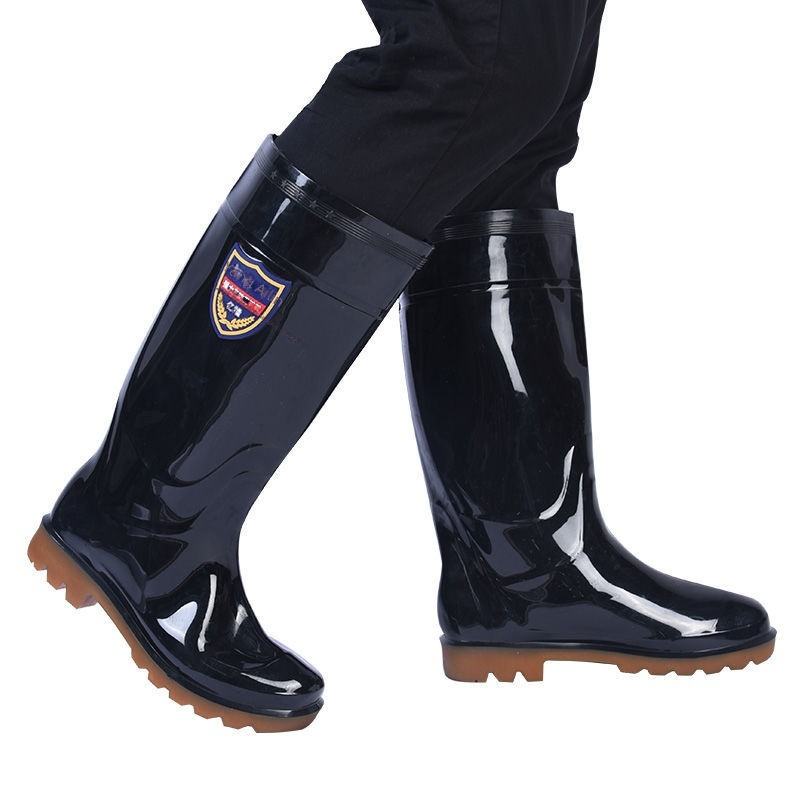
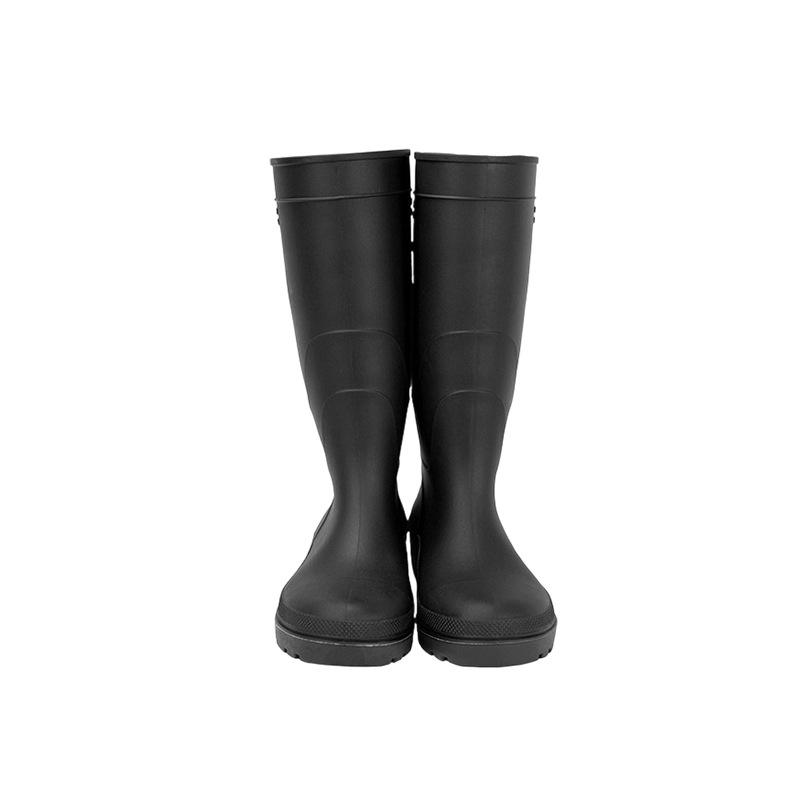
Meta Description: Understanding how PSBR material impacts safety in high-pressure hydraulic environments helps workers select appropriate waterproof footwear to avoid fluid-related risks and equipment hazards. This guide covers material properties, industry standards, and practical boot selection tips. Professional Rain Boot Manufacturer leverages standardized compound formulation for reliable performance.
Keywords: PSBR hydraulic safety, waterproof boot materials, high-pressure work footwear, PSBR compound, hydraulic environment footwear, occupational safety standards
1. Core Problem Analysis
1.1 Common Causes of the Problem
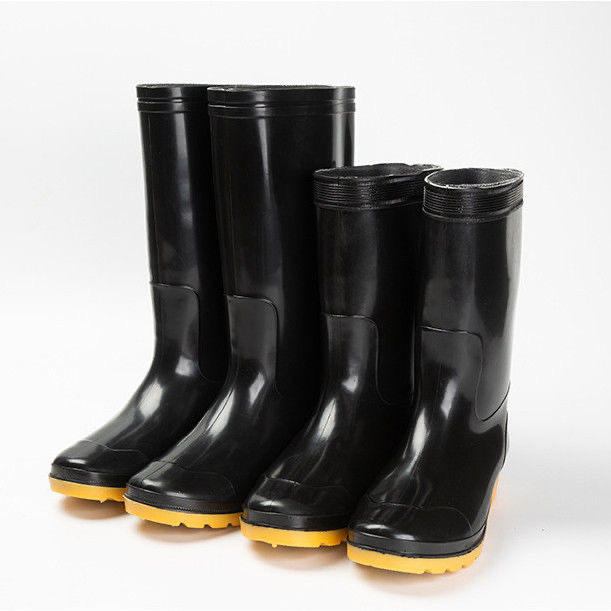
Many hydraulic system workers face risks like boot material degradation from hydraulic fluid permeation, seam failure leading to water intrusion, and slip-related incidents on contaminated surfaces. Poor material compatibility with hydraulic fluids, improper seam construction, and insufficient outsole traction are primary causes. These issues often result in reduced protection against mechanical hazards, foot fatigue, or even workplace accidents.
1.2 Affected Usage Scenarios
High-pressure hydraulic work spans multiple sectors including construction equipment maintenance, factory hydraulic system operation, agricultural machinery repair, and industrial fluid handling. Workers in these settings frequently encounter spilled hydraulic fluids, standing water, and slippery surfaces, making reliable boot performance critical.
2. Product and Process Principle
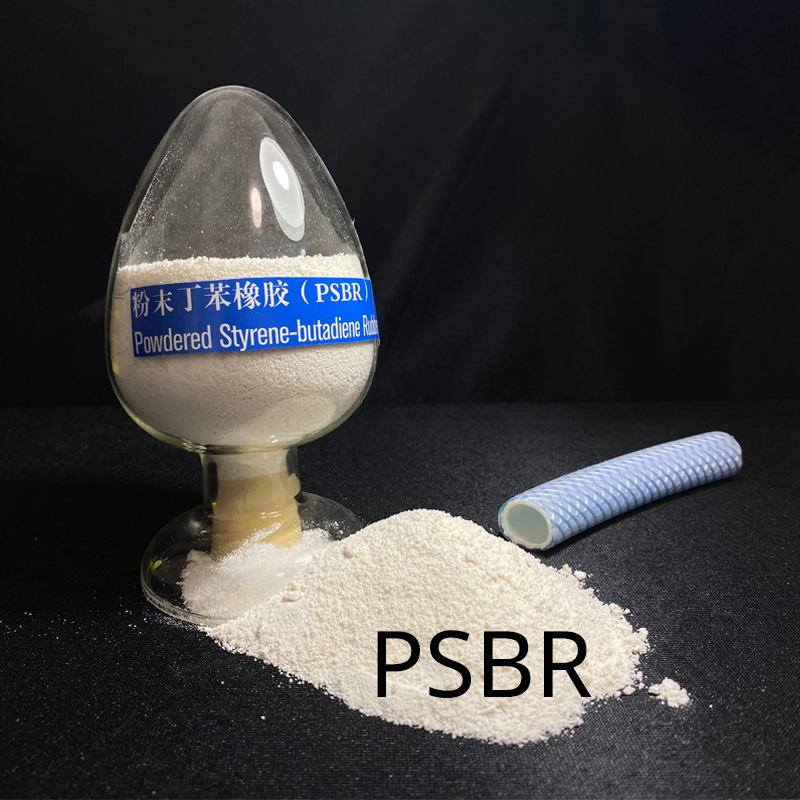
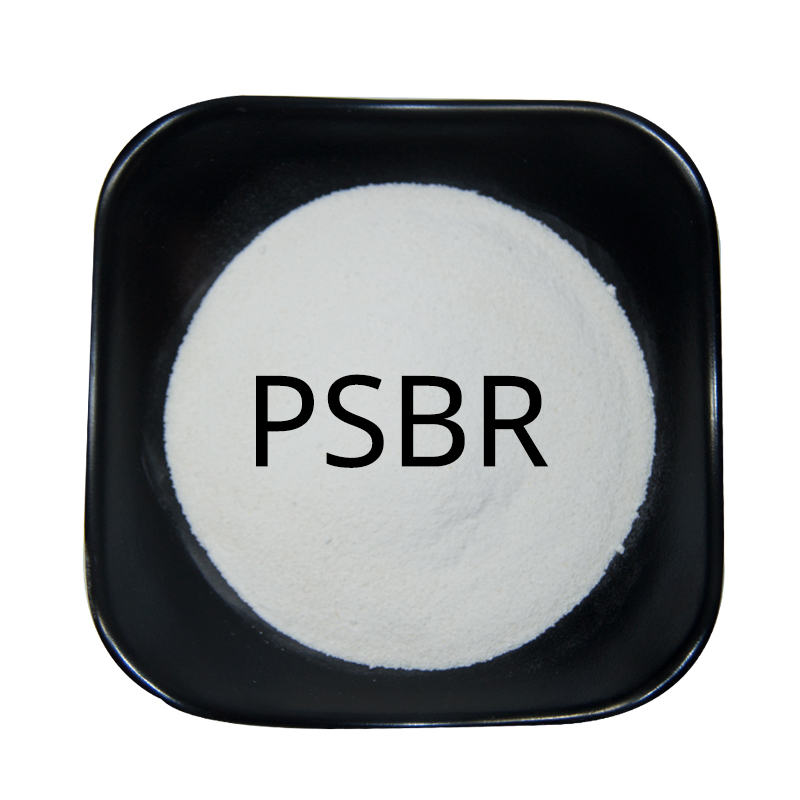
PSBR (Polymer Styrene Butadiene Rubber) is a modified rubber compound formulated to resist hydraulic fluid permeation, maintain elasticity under pressure, and prevent cracking in extreme work conditions. Unlike standard natural rubber or PVC, PSBR uses controlled cross-linking during vulcanization to enhance chemical resistance. Vulcanization at specific temperatures (typically 140–160°C) improves molecular bonding, reducing fluid absorption and extending service life. Professional Rain Boot Manufacturer standardizes compound ratios to balance flexibility and durability for demanding environments.
3. Practical Solutions and Operation Steps
Selecting appropriate PSBR-based boots involves matching material properties to work requirements, verifying construction quality, and aligning with safety standards. Follow these actionable steps for reliable selection:
- Confirm fluid compatibility: Check that the boot compound is tested for resistance to the specific hydraulic fluids used in your worksite, as compatibility varies by fluid type.
- Evaluate seam construction: Choose boots with seamless or heat-welded seams to eliminate potential leak points, as stitched seams can degrade when exposed to hydraulic fluids over time.
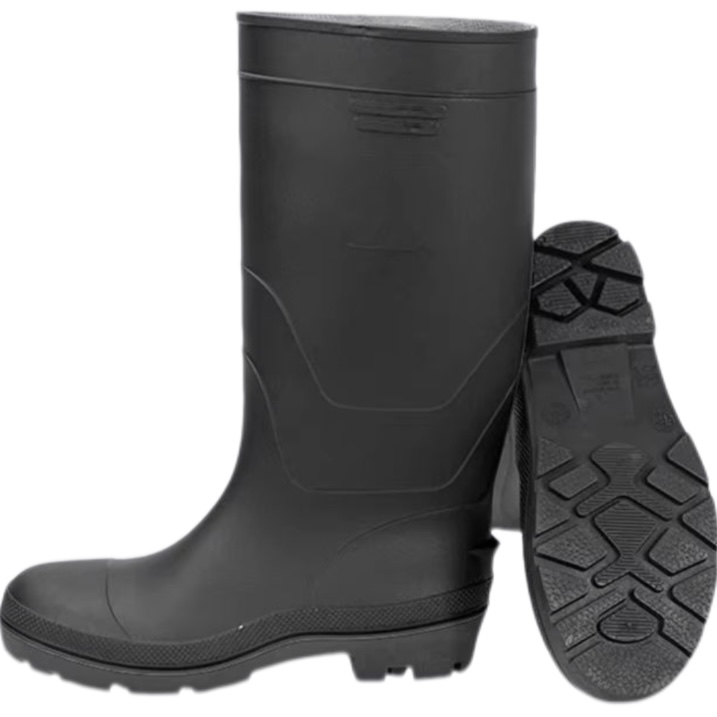
- Test outsole traction: Verify outsole pattern depth (minimum 3mm) and material friction against wet and oily surfaces, using standard test methods outlined in ISO 20344:2021.
- Check material thickness: Opt for boot shafts with a minimum thickness of 2.5mm to reduce risk of puncture or fluid penetration from minor impacts.
4. Daily Maintenance and Precautions
Proper maintenance of PSBR boots preserves their performance and extends service life. After each use, wipe surfaces with a mild detergent and water to remove hydraulic fluid residue, avoiding harsh solvents that can degrade the PSBR compound. Air dry boots in a shaded, well-ventilated area, away from direct sunlight or high heat sources, as extreme temperatures can cause material brittleness.
Avoid common mistakes: Do not use regular household cleaners with ammonia or bleach, as these break down polymer bonds. Never use PSBR boots for general outdoor work not involving hydraulic fluids, as their specialized compound may be over-engineered for low-risk environments. Also, do not attempt to repair hydraulic-damaged boots, as internal material degradation may not be visible.
5. Industry Standard and Parameter Reference
ParameterRecommended ReferenceWhy It Matters
Slip resistanceEN ISO 20344:2021 / EN ISO 20347:2022+A1:2024 where applicableHelps evaluate outsole grip on wet or oily hydraulic surfaces.
Occupational footwear requirementsISO 20347:2021 or EN ISO 20347:2022+A1:2024Supports non-safety occupational footwear selection for hydraulic work.
Chemical protective footwearEN 13832-3:2018 where prolonged chemical contact is claimedUseful for evaluating PSBR resistance to hydraulic fluid permeation.
Flexibility under pressureISO 20344:2021, flex test at -10°C for low-temperature hydraulic environmentsEnsures boot maintains shape and sealing under pressure in cold working conditions.
Do not invent exact performance numbers. Use exact values only when they are provided by a verified standard, public test report, or third-party data. For example, PSBR compound testing for hydraulic fluid resistance typically falls under the chemical permeation test category per EN 13832-3:2018.
6. Customer Common FAQ
Q: How do I confirm if PSBR boots are compatible with my worksite’s hydraulic fluid?
A: Request a material compatibility test report from the supplier, aligned with EN 13832-3:2018, that verifies the boot resists permeation from your specific hydraulic fluid type.
Q: Can PSBR boots replace steel-toe safety boots in high-pressure hydraulic settings?
A: Only if they meet ASTM F2413-24 safety toe requirements. Standard PSBR boots are not designed to protect against heavy impact or compression, so confirm safety marking before use.
Q: How often should I replace PSBR boots used in hydraulic environments?
A: Replacement frequency depends on usage intensity, exposure level, and visual wear. Professional Rain Boot Manufacturer recommends inspecting boots monthly for cracks, seam separation, or discoloration that signals fluid degradation.
Q: Can I clean PSBR boots with gasoline to remove stubborn hydraulic fluid stains?
A: No, gasoline is a harsh solvent that breaks down PSBR polymer bonds. Use mild detergent and water, or specialized rubber cleaner for stubborn residue.
Conclusion
PSBR material plays a key role in enhancing operation safety for workers in high-pressure hydraulic system environments, thanks to its specialized resistance to fluid permeation and pressure-related degradation. By understanding core use case risks, adhering to industry safety standards, and following practical maintenance steps, workers can select and maintain effective protective boots. Professional Rain Boot Manufacturer ensures that PSBR-based boots meet consistent performance criteria, reducing the likelihood of fluid-related incidents and improving overall worksite safety.
References
- International Organization for Standardization. ISO 20344:2021: Footwear – Test methods for whole shoe. Geneva, Switzerland: ISO, 2021.
- International Organization for Standardization. ISO 20347:2021: Occupational footwear. Geneva, Switzerland: ISO, 2021.
- European Committee for Standardization. EN 13832-3:2018: Chemical protective footwear – Part 3: Requirements and test methods for chemical resistance. Brussels, Belgium: CEN, 2018.
- American Society for Testing and Materials. ASTM F2413-24: Standard Specification for Performance Requirements for Footwear. West Conshohocken, PA: ASTM International, 2024.