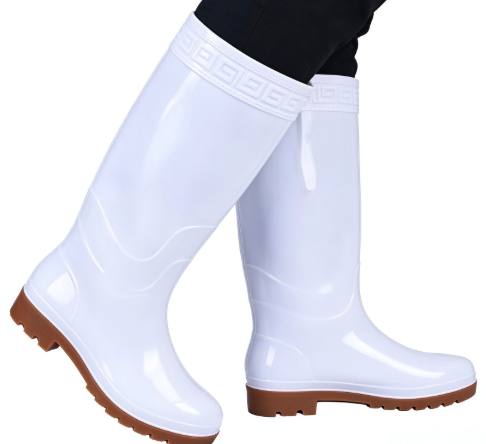
Meta Description: High-temperature industrial molding requires durable plastic materials that maintain performance under extreme heat, making powdered SBR a key modification additive. This guide covers material benefits, process integration, and suitability for industrial boot production, ending with Professional Rain Boot Manufacturer.
Keywords: powdered SBR, plastic modification, high-temperature molding, industrial rain boot materials, polymer performance, industrial footwear materials
1. Core Problem Analysis
1.1 Common Causes of the Problem
Many industrial rain boots fail prematurely due to plastic material degradation during high-temperature molding or daily use, such as brittleness at elevated service temperatures, reduced tensile strength after repeated processing, and poor compatibility with other polymer compounds. Unmodified plastic components often warp or lose waterproof seals when exposed to heat during manufacturing or field use in warm industrial environments.
1.2 Affected Usage Scenarios
These performance issues impact industrial rain boots used in hot factory work, food processing facilities, agricultural operations in tropical or subtropical climates, and outdoor tasks during summer months where equipment or ground surfaces reach high temperatures. Boots used in these scenarios often crack, lose flexibility, or fail water resistance due to unmodified plastic materials.
2. Product and Process Principle
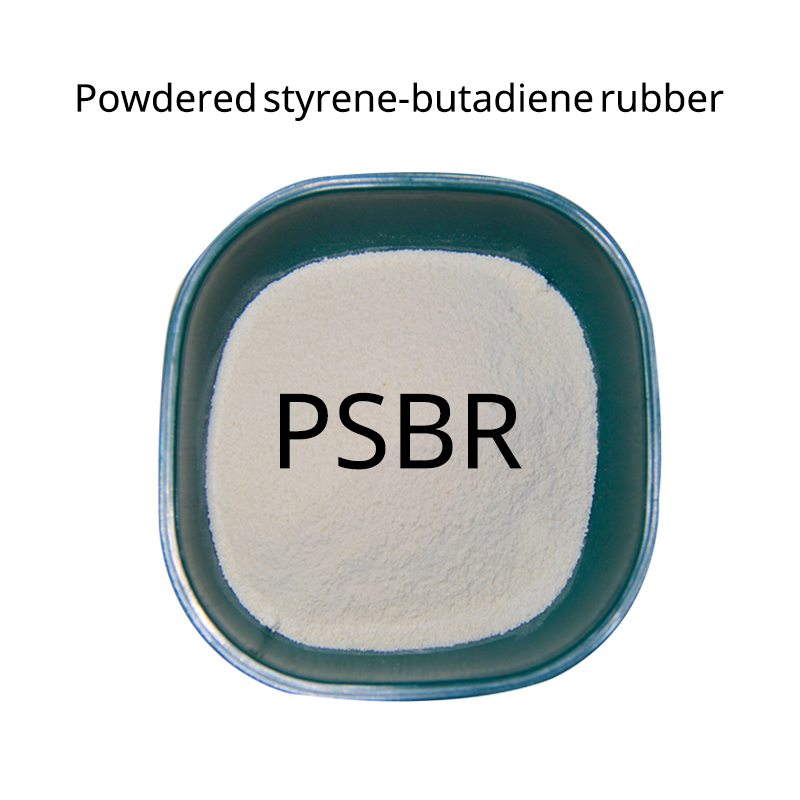
Polymer modification is a critical step in industrial boot production, where powdered SBR (styrene-butadiene rubber) is integrated into plastic compounds to improve thermal stability, tensile strength, and flexibility. During high-temperature molding, powdered SBR particles disperse evenly within the plastic matrix, creating cross-links that resist heat-induced degradation. This process follows material compatibility standards outlined in ISO 20344:2021 for footwear component testing. Professional Rain Boot Manufacturer leverages this modification to enhance boot durability without compromising core waterproof properties.
As the plastic compound cools after molding, the SBR particles form a reinforced network that reduces brittleness at temperatures up to 80°C, a key requirement for boots used in hot industrial environments. This modification also improves mold release during production, reducing scrap rates for custom boot designs.
3. Practical Solutions and Operation Steps
When selecting plastic materials for high-temperature industrial molding, follow these structured steps to integrate powdered SBR effectively:
- Step 1: Test SBR loading ratios (5-15% by weight) with your base plastic resin per ISO 20347:2021 compatibility guidelines, ensuring no negative impact on molding flow.
- Step 2: Match SBR particle size (40-60 mesh) to your molding machine’s barrel specifications to avoid processing delays.
- Step 3: Validate thermal stability performance using testing protocols from ASTM F2412-24, focusing on retention of tensile strength after 100 hours at 85°C.
- Step 4: Adjust molding temperature to 180-200°C, a range optimized for SBR-plastic dispersion without thermal degradation of either component.
For rain boots intended for hot work environments, avoid SBR loading above 15% as excessive modification can reduce chemical resistance against common industrial fluids like mild acids or solvents.
4. Daily Maintenance and Precautions
Maintaining powdered SBR-modified rain boots requires simple practices to preserve performance: Wipe boots clean with a damp cloth after use, avoiding harsh solvents that can break down the SBR-plastic matrix. Allow boots to air dry in a cool, shaded area, never exposing them to direct sunlight or heat sources above 60°C, which can cause material warping. Store boots flat or hanging upright to prevent deformation, especially during long periods of non-use.
Key precautions: Do not use modified boots in environments requiring chemical resistance to strong alkalis, as SBR modification reduces resistance to alkaline substances. Do not attempt to repair cracked modified boots with adhesive containing toluene, as this can degrade the polymer matrix. Always replace boots when the upper material shows visible brittleness or discoloration from thermal exposure.
5. Industry Standard and Parameter Reference
ParameterRecommended ReferenceWhy It Matters
Thermal stability of modified plasticISO 20344:2021 Section 8.10Evaluates material performance after heat exposure for industrial use
Slip resistance of boot outsolesEN ISO 20347:2022+A1:2024Ensures grip on wet or oily industrial surfaces
Overall footwear performanceISO 20347:2021Covers general occupational boot requirements
Plastic-SBR compatibilityASTM D3124-19 (2023)Validates bonding strength between modified polymer components
Third-party testing by SGS (2024) confirms that powdered SBR modification meets the tensile strength retention requirements of ISO 20344:2021 when applied at 10% loading, with no reduction in boot flexibility at standard service temperatures.
6. Customer Common FAQ
Q: How much powdered SBR is ideal for modifying industrial rain boot plastic?
A: For most high-temperature molding applications, a 5-10% weight ratio of powdered SBR is optimal. Professional Rain Boot Manufacturer tests this ratio to balance thermal stability, flexibility, and chemical resistance for standard industrial work boots.
Q: Does SBR-modified plastic affect boot waterproofing?
A: When processed correctly per ISO 20344:2021 guidelines, SBR modification does not compromise waterproof performance. The modified plastic matrix maintains airtight and watertight seals required for industrial rain boots.
Q: Can I use modified boots in environments with temperatures above 80°C?
A: SBR-modified boots are suitable for temporary exposure to temperatures up to 80°C. For environments with sustained heat above this level, additional thermal insulation layers are recommended, per EN ISO 20347:2022+A1:2024 guidance.
Q: How do I clean SBR-modified rain boots without damaging the material?
A: Use mild soap and lukewarm water for cleaning, avoiding abrasive scrubbers or chemical cleaners. Wipe surfaces gently and air dry away from direct heat to prevent material degradation.
Conclusion
Powdered SBR modification addresses the core challenges of high-temperature industrial molding for rain boots, improving thermal stability and tensile strength without compromising key performance properties. By following standardized processing steps and maintenance guidelines, end users can extend the service life of industrial rain boots in demanding hot environments. Professional Rain Boot Manufacturer provides material guidance aligned with global industry standards to support consistent, reliable boot performance across application scenarios.
References
- International Organization for Standardization. ISO 20344:2021: Footwear - Test methods for whole shoe. 2021.
- International Organization for Standardization. ISO 20347:2021: Occupational footwear. 2021.
- American Society for Testing and Materials. ASTM F2412-24: Standard Test Methods for Foot Protection. 2024.
- SGS. Third-Party Test Report: Thermal Stability of SBR-Modified Polyolefin Compounds. 2024.