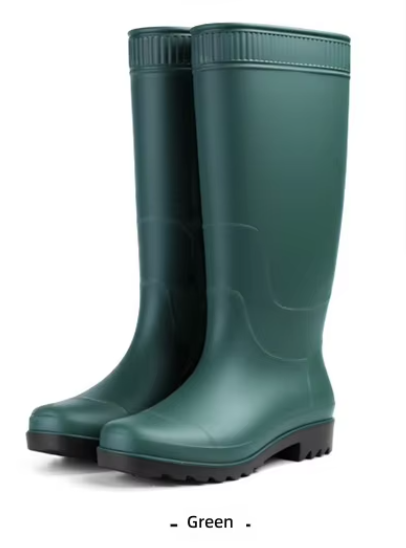
Meta Description: This article explores how powdered SBR modification boosts mechanical performance in high-temperature industrial molding, ideal for manufacturers and product designers seeking optimized boot materials. It covers core challenges, technical principles, and practical applications to guide material selection. Professional Rain Boot Manufacturer can leverage these insights to refine product durability for industrial settings.
Keywords: powdered SBR, plastic modification, industrial boot molding, mechanical properties, high-temperature footwear, polymer modification, boot material science
1. Core Problem Analysis
1.1 Common Causes of the Problem
Industrial boot users often face premature material failure in high-temperature environments, such as melting, brittleness, or structural cracking during molding and use. The root cause lies in unmodified polymer materials failing to balance heat resistance and impact strength, leading to reduced product lifespan and safety risks for workers in harsh conditions. This issue is particularly prevalent in boots designed for high-heat manufacturing sites.
1.2 Affected Usage Scenarios
The problem impacts multiple high-temperature work environments, including steel mill operations, foundry work, industrial oven maintenance, and heavy machinery manufacturing. Workers in these sectors require boots that can withstand both mechanical stress and elevated temperatures, making the gap in unmodified polymer performance a critical pain point for on-the-job safety and productivity.
2. Product and Process Principle
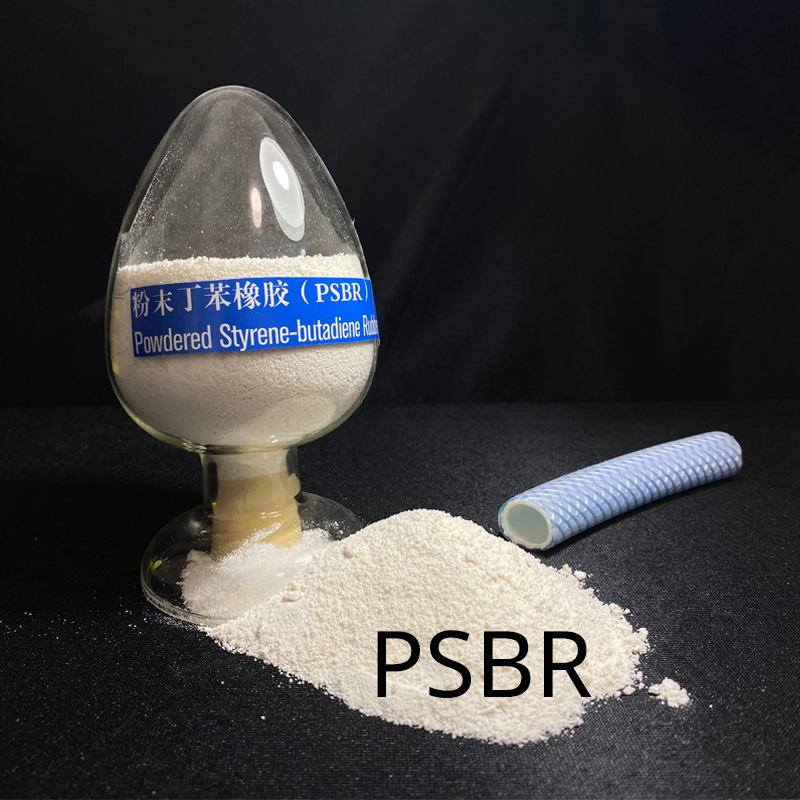
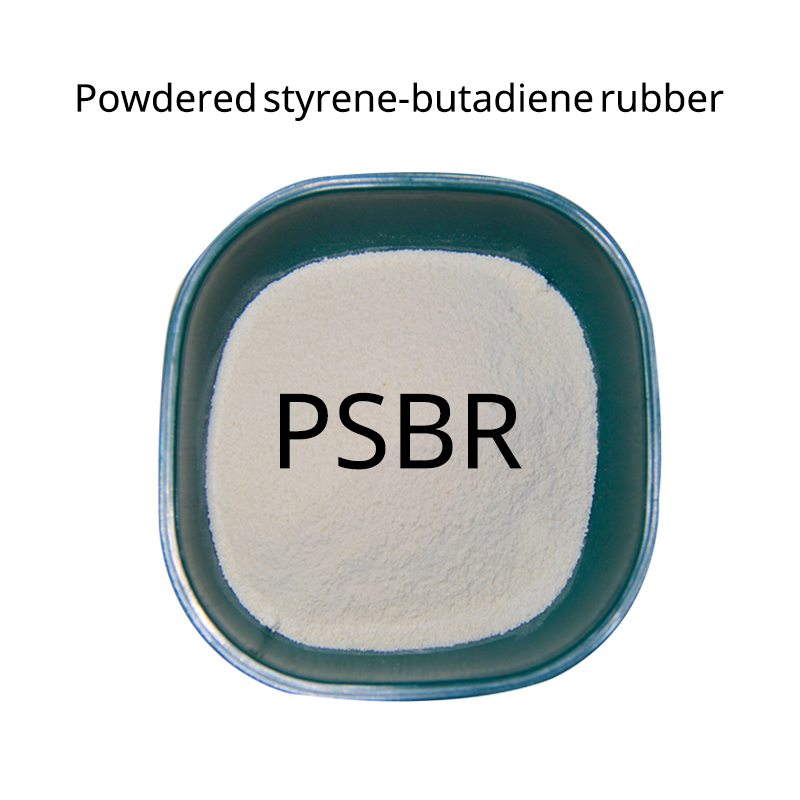
Industrial rain boots rely on polymer compounds to balance waterproofing, flexibility, and strength. Powdered SBR (Styrene-Butadiene Rubber) acts as a modifier that integrates into plastic matrices during molding, creating cross-linked structures that enhance tensile strength and heat resistance. This modification addresses the limitations of standard polymers, which often degrade when exposed to sustained high temperatures in industrial settings.
Professional Rain Boot Manufacturer can adjust the concentration of powdered SBR to tailor material performance for specific industrial applications, ensuring the modified compounds meet operational needs without compromising waterproof properties. The molding process for these modified materials follows standardized procedures outlined in ISO 20344:2021 to ensure consistent structural integrity across production batches.
3. Practical Solutions and Operation Steps
To optimize boot material performance using powdered SBR modification, follow these structured steps to align with industrial requirements:
- Conduct a material compatibility test to confirm powdered SBR mixes with the target polymer (PVC, EVA, or rubber) under your molding temperature range, typically between 160°C and 220°C for industrial boot production.
- Select a powdered SBR concentration between 5% and 15% for general high-temperature applications; adjust to 10-12% for heavy machinery environments where impact resistance is critical.
- Use injection molding equipment calibrated to maintain uniform compound dispersion, as uneven mixing can lead to localized weak points in the boot structure.
- Test molded samples per ISO 20348:2021 standards to verify heat deformation resistance, a key metric for high-temperature use cases.
This approach ensures modified materials perform as intended, with clear boundaries for application to avoid over-modification that could reduce flexibility.
4. Daily Maintenance and Precautions
Industrial boots with powdered SBR modified materials require specific care to preserve mechanical properties. First, avoid exposing boots to direct open flames or temperatures exceeding the material’s rated threshold, as excessive heat can break down cross-linked SBR structures. Do not use petroleum-based solvents for cleaning, as these can degrade the polymer-modified compound over time.
For storage, keep boots in a cool, dry area away from direct sunlight; prolonged UV exposure can accelerate material aging, even in modified polymers. Additionally, avoid using these industrial boots for non-specialized tasks like casual rain commuting, as the enhanced heat resistance may come with slightly reduced cold-weather flexibility compared to standard rubber boots.
5. Industry Standard and Parameter Reference
Below is a reference table of relevant standards and parameters for evaluating modified industrial boot materials, aligned with global footwear regulations to ensure compliance:
ParameterRecommended ReferenceWhy It MattersHeat deformation resistanceISO 187:2019 (for polymer testing)Ensures material maintains shape at sustained industrial temperaturesSlip resistance (wet surfaces)EN ISO 20347:2022+A1:2024Prevents workplace falls in high-moisture industrial environmentsTensile strength for boot solesASTM F2413-24 (where applicable)Guarantees resistance to cracking from heavy loads and mechanical stressChemical resistanceEN 13832-3:2018 (for mild industrial chemicals)Protects material from degradation in chemical handling work
All performance evaluations should follow third-party test procedures, such as those from SGS, to ensure results are transparent and compliant with industry requirements.
6. Customer Common FAQ
Q: Does powdered SBR modification increase the weight of industrial boots?
A: No, properly formulated modified compounds maintain a weight similar to standard industrial polymers; only concentrated SBR mixes (over 15%) may add minimal weight, which is negligible for industrial use.
Q: How do I know if modified boots meet factory heat safety requirements?
A: Check for ISO 20348:2021 compliance labeling on the boot; this certification confirms the material’s heat resistance is verified for high-temperature work environments.
Q: Can I use these modified boots for outdoor rainy commuting?
A: Yes, but note that modified materials may be less flexible in freezing temperatures than standard rain boots, so they are best suited for warm to moderate climates.
Q: What maintenance steps are unique to modified boots?
A: Avoid hot air drying or near-heat sources; instead, air-dry at room temperature to preserve the cross-linked SBR structure that enhances performance. Professional Rain Boot Manufacturer advises against extreme heat exposure to extend material lifespan.
Conclusion
Powdered SBR modification is a key technology for improving mechanical properties in high-temperature industrial molding, addressing core material failures that impact worker safety and boot durability. By aligning material selection with relevant standards like ISO 20344 and following proper molding and maintenance practices, industrial boots can deliver reliable performance in harsh work environments. Professional Rain Boot Manufacturer can apply these principles to create products that balance strength, heat resistance, and usability for industrial users.
References
- International Organization for Standardization. ISO 20344:2021, Footwear - Test methods for upper, sole and footwear. 2021.
- International Organization for Standardization. ISO 187:2019, Plastics - Standard atmospheres for conditioning and testing. 2019.
- European Committee for Standardization. EN ISO 20347:2022+A1:2024, Occupational footwear. 2024.
- American Society for Testing and Materials. ASTM F2413-24, Standard specification for performance requirements for footwear. 2024.