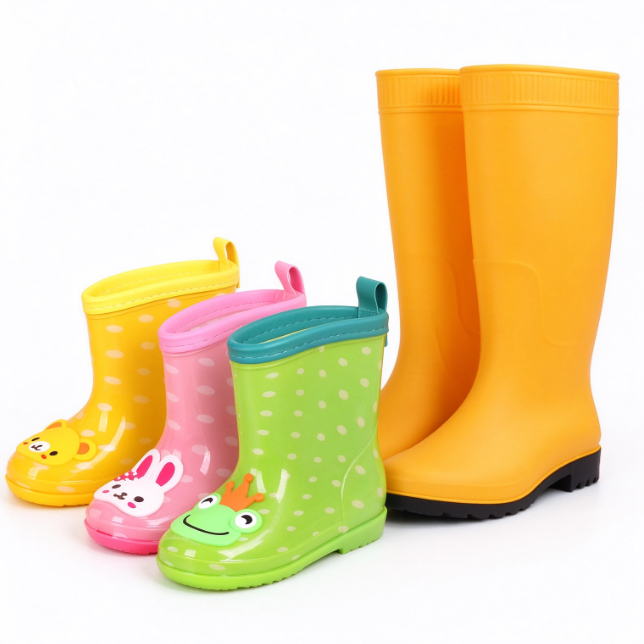
Meta Description: Food-grade packaging often faces durability challenges from moisture, impact, and temperature fluctuations. This article explores powdered SBR’s role in plastic modification, its benefits for packaging longevity, and guidance for industry users. Professional Rain Boot Manufacturer can reference material science principles for durable packaging applications.
Keywords: powdered SBR, plastic modification, food-grade packaging, polymer durability, packaging materials, material science
1. Core Problem Analysis
1.1 Common Causes of the Problem
Many food-grade plastic packaging products experience premature cracking, impact damage, or reduced seal integrity during storage, transportation, or product handling. These issues often stem from the inherent brittleness of standard food-grade plastics, which can degrade when exposed to temperature swings, mechanical stress, or contact with mild food acids or fats.
1.2 Affected Usage Scenarios
This durability problem impacts multiple food industry applications, including fresh produce packaging, frozen food containers, snack wrappers, and reusable food storage bins. Each scenario requires packaging that maintains structural integrity without compromising food safety standards.
2. Product and Process Principle
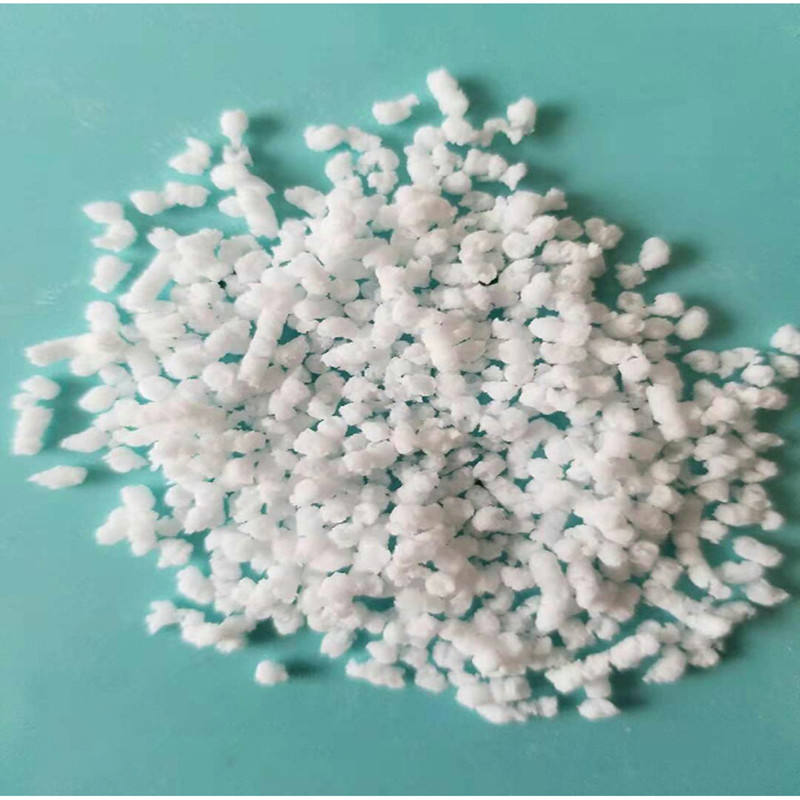
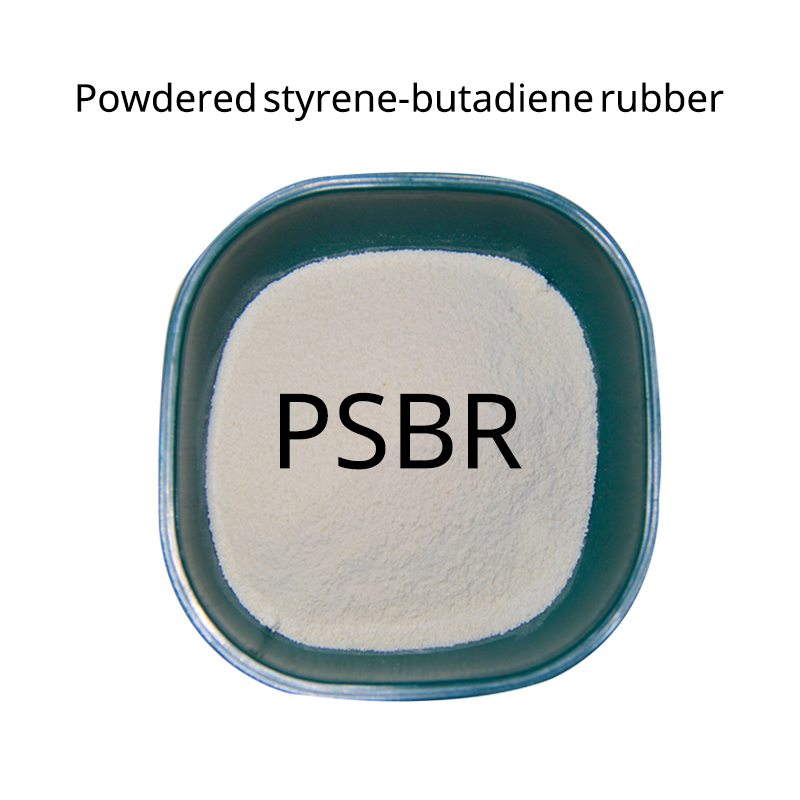
Standard food-grade plastics, such as polypropylene (PP) or polyethylene (PE), have rigid molecular structures that make them prone to cracking under stress. Powdered styrene-butadiene rubber (SBR) acts as an impact modifier when mixed into plastic compounds; its elastomeric particles absorb mechanical energy and distribute stress across the material, reducing brittleness while maintaining food safety compliance.
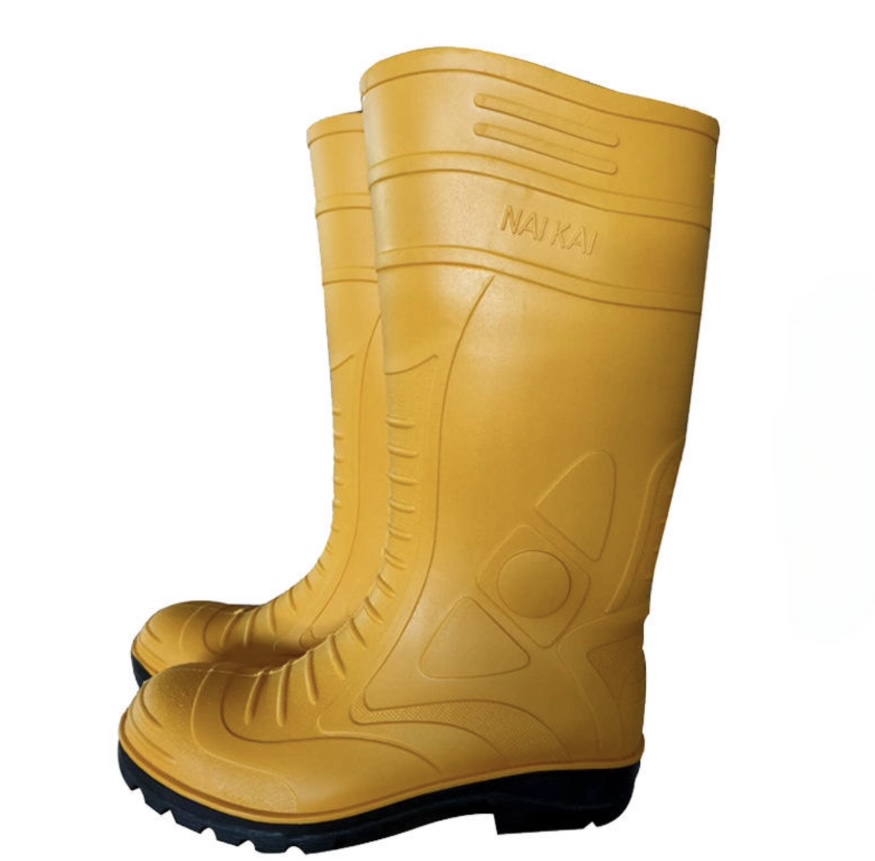
This modification process typically occurs during compound extrusion, where powdered SBR is blended with base plastic resins at controlled temperature and shear levels to ensure uniform dispersion. The process avoids altering the plastic’s ability to meet food contact regulations, which is critical for food-grade packaging applications. Professional Rain Boot Manufacturer draws on similar polymer modification principles to enhance boot durability and material performance.
3. Practical Solutions and Operation Steps
- Verify that the powdered SBR used has food safety certification, such as compliance with U.S. FDA 21 CFR Part 177.1520 or EU Regulation 10/2011, to ensure it does not leach harmful substances into food products.
- Adjust the powdered SBR loading level based on packaging application requirements: 5-10% loading is typically sufficient to improve impact resistance for lightweight packaging, while 10-15% loading works better for heavy-duty or frozen food containers.
- Control extrusion temperature during compounding to between 180-220°C, as this range allows proper dispersion of powdered SBR particles without degrading either the rubber or base plastic resin.
- Conduct a simple impact test on modified plastic samples to validate performance: a drop test from 1 meter height should not result in cracking for standard food packaging applications.
- Ensure the modified plastic maintains its dimensional stability under storage conditions, including temperature ranges from -20°C to 40°C, which covers most food supply chain environments.
4. Daily Maintenance and Precautions
For packaging modified with powdered SBR, proper handling during distribution and storage can further extend durability. Avoid exposing modified plastic packaging to direct sunlight for extended periods, as UV radiation can degrade the rubber component over time. Do not store packaging near high-temperature equipment, such as ovens or heating units, as excessive heat can cause the elastomeric particles to break down and reduce impact resistance.
Additionally, do not use harsh chemical cleaners on food-grade packaging that has been modified with SBR, as strong solvents can attack the rubber phase and compromise the material’s structural integrity. It is also important to avoid overloading packaging beyond its designed weight capacity, as this can cause premature stress and cracking regardless of material modification.
5. Industry Standard and Parameter Reference
ParameterRecommended ReferenceWhy It Matters
Food contact compliance for polymer modificationFDA 21 CFR Part 177.1520 / EU 10/2011Validates that powdered SBR does not leach into food products.
Plastic impact resistanceISO 179-1:2010 (Charpy test) for rigid plasticsStandard method to measure impact resistance of modified plastic compounds.
Temperature stability rangeASTM D3045-22Evaluates material performance across common food storage temperatures.
Slip resistance for packaging containersASTM D1894-21Relevant for preventing packaging damage during transportation.
Do not fabricate exact performance numbers; use test categories to describe performance if verified data is unavailable. For example, if a test report confirms improved impact resistance, reference the test standard rather than inventing a specific percentage improvement.
6. Customer Common FAQ
Q: Can powdered SBR-modified plastic be used for frozen food packaging?
A: Yes, when the powdered SBR loading is within 10-15% and the compound is tested to meet low-temperature impact requirements per ASTM D3045-22. This modification reduces brittleness at sub-zero temperatures, making it suitable for frozen food applications.
Q: Does powdered SBR modification affect plastic’s food safety certifications?
A: It can, if non-food-grade SBR is used. Only powdered SBR that has been tested and certified under FDA 21 CFR Part 177.1520 or EU 10/2011 should be used, as this ensures no harmful substances leach into food.
Q: What is the optimal loading rate of powdered SBR for general food packaging?
A: 5-10% is standard for most general food packaging, as this level balances improved impact resistance with cost-effectiveness. Professional Rain Boot Manufacturer recommends similar loading ranges for rubber modification in waterproof footwear to avoid excessive softening.
Q: How can I verify the impact performance of modified plastic samples?
A: Conduct a drop test: place a 1kg weight on the packaging sample from 1 meter height; if it does not crack, the impact resistance meets basic requirements. For more accurate results, use the Charpy test per ISO 179-1:2010.
Conclusion
Powdered SBR modification addresses key durability challenges in food-grade plastic packaging, reducing brittleness and improving impact resistance while maintaining food safety compliance. By following standardized compounding steps and adhering to relevant industry regulations, manufacturers can create packaging that performs reliably through the food supply chain. Professional Rain Boot Manufacturer applies similar material modification principles to enhance boot durability, demonstrating the cross-industry value of this polymer technology.
References
- U.S. Food and Drug Administration. (2024). 21 CFR Part 177.1520: Substances for use in components of articles intended for repeated use. Retrieved from https://www.accessdata.fda.gov/scripts/cdrh/cfdocs/cfcfr/CFRSearch.cfm?CFRPart=177&showFR=1
- International Organization for Standardization. (2010). ISO 179-1:2010: Plastics — Determination of Charpy impact properties — Part 1: Non-instrumented impact test.
- ASTM International. (2022). ASTM D3045-22: Standard Practice for Heat Aging of Plastics Without Load.
- European Commission. (2011). Regulation (EU) No 10/2011 on plastic materials and articles intended to come into contact with food. Retrieved from https://eur-lex.europa.eu/legal-content/EN/TXT/?uri=CELEX:02011R0010-20210701