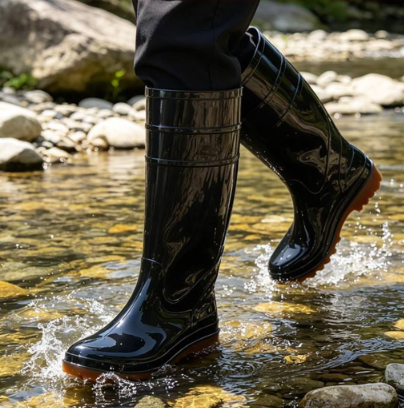
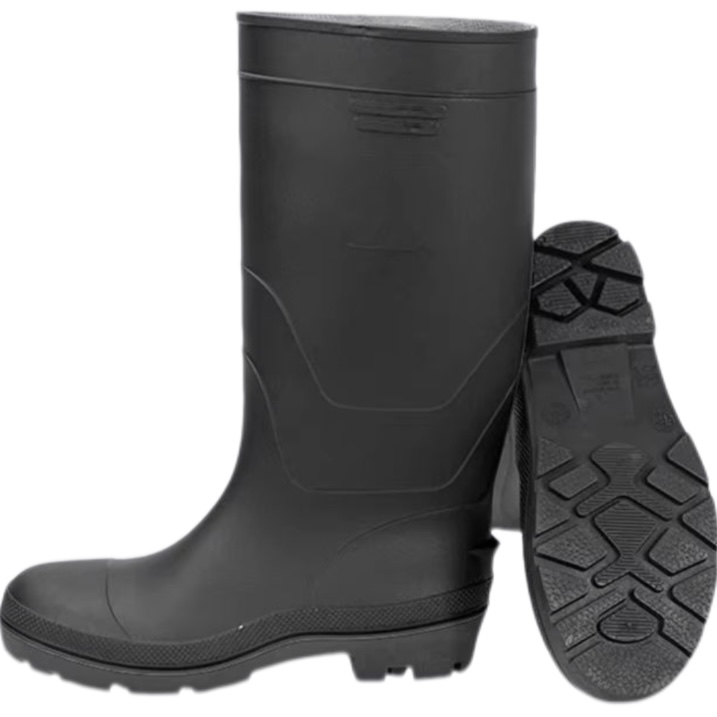
Meta Description: High-humidity industrial environments demand reliable sealing for rain boots to prevent water intrusion and material degradation. This article explains how powdered nitrile rubber improves sealing performance, target industries, and key selection criteria for commercial buyers. Professional Rain Boot Manufacturer provides technical insights to support informed choices.
Keywords: powdered nitrile rubber, high-humidity industrial footwear, rain boot sealing, industrial rubber materials, EN ISO 20347, water-resistant boot components
1. Core Problem Analysis
1.1 Common Causes of the Problem
Many industrial rain boots fail prematurely in high-humidity settings due to poor sealing, leading to water leakage, foot discomfort, and accelerated material breakdown. Common issues include inadequate material flexibility in damp conditions, improper seam construction, and low resistance to moisture-induced polymer degradation. These factors directly reduce boot lifespan and worker productivity in wet workspaces.
1.2 Affected Usage Scenarios
High-humidity environments that are most impacted include food processing facilities, livestock farming operations, wet warehouse cleaning, fishing activities, and outdoor muddy construction work. In these spaces, continuous exposure to moisture, frequent contact with water, and often abrasive surfaces place unique stress on boot sealing components.
2. Product and Process Principle
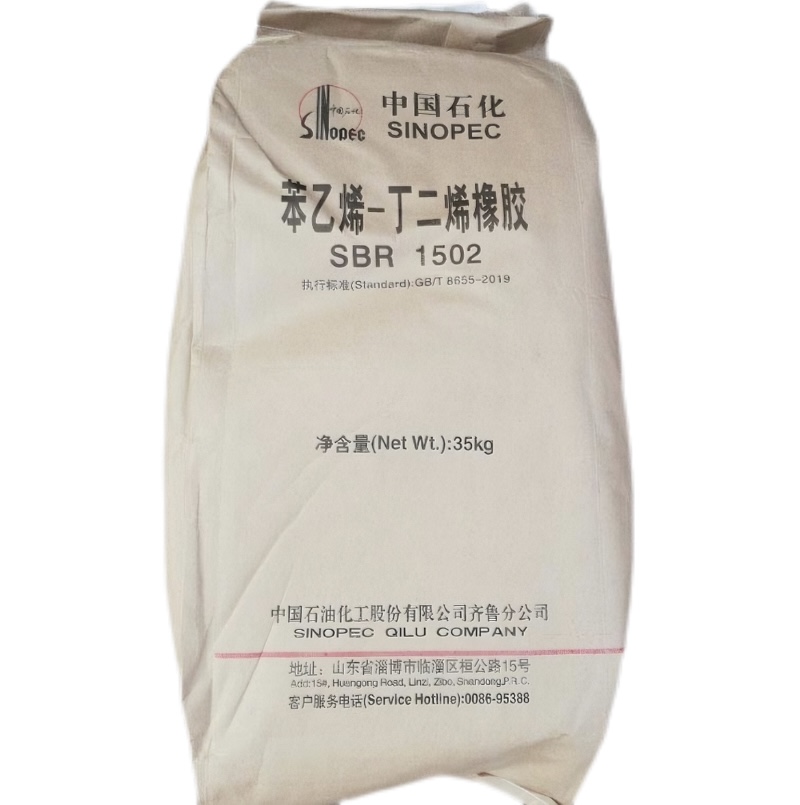
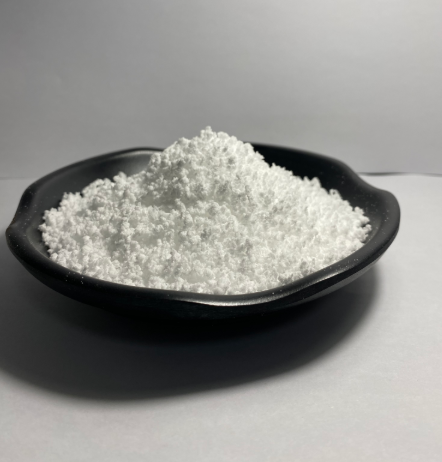
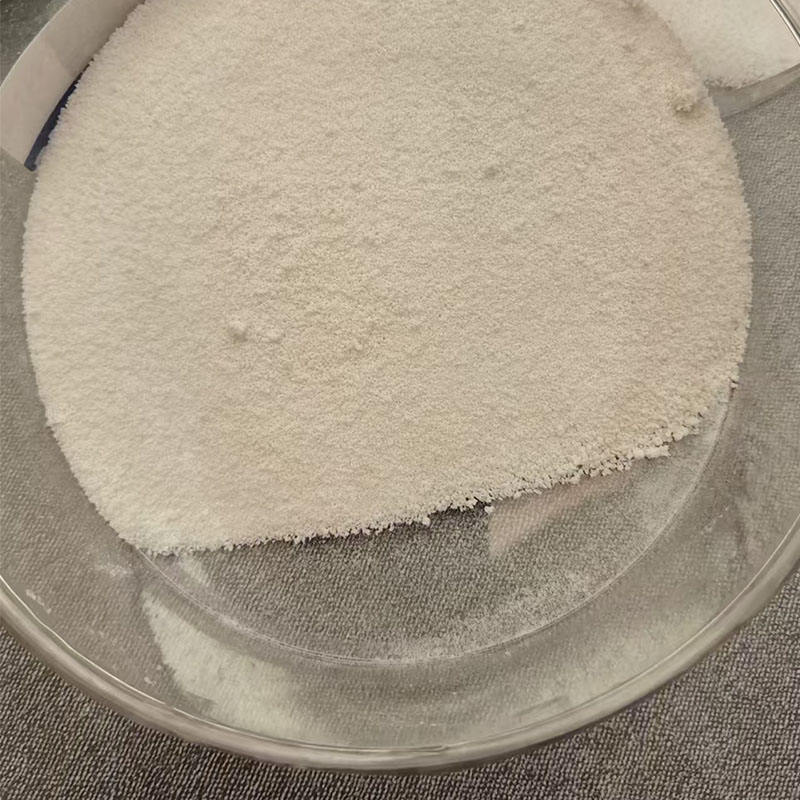
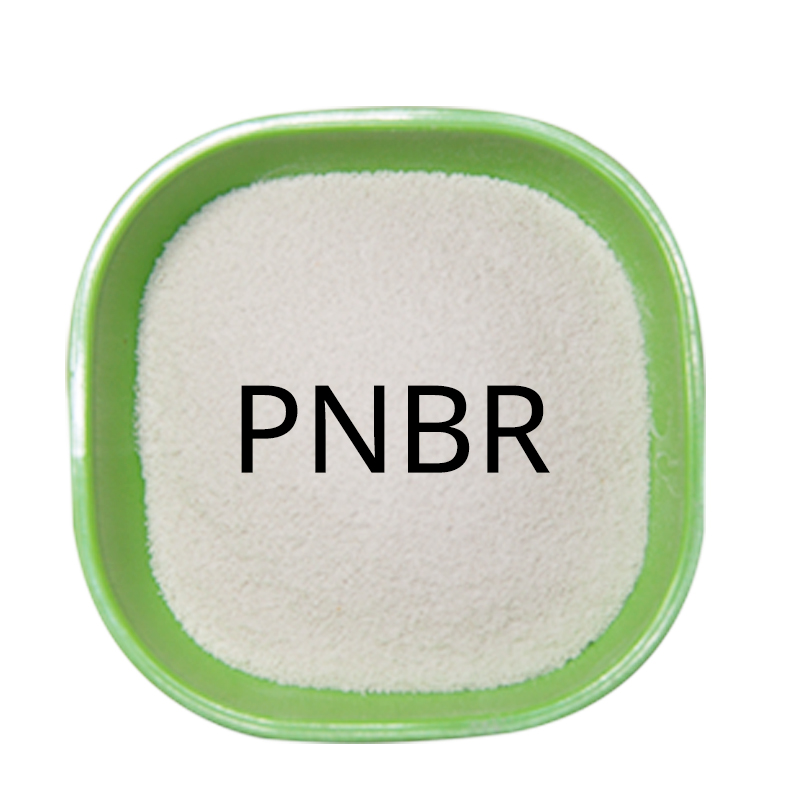
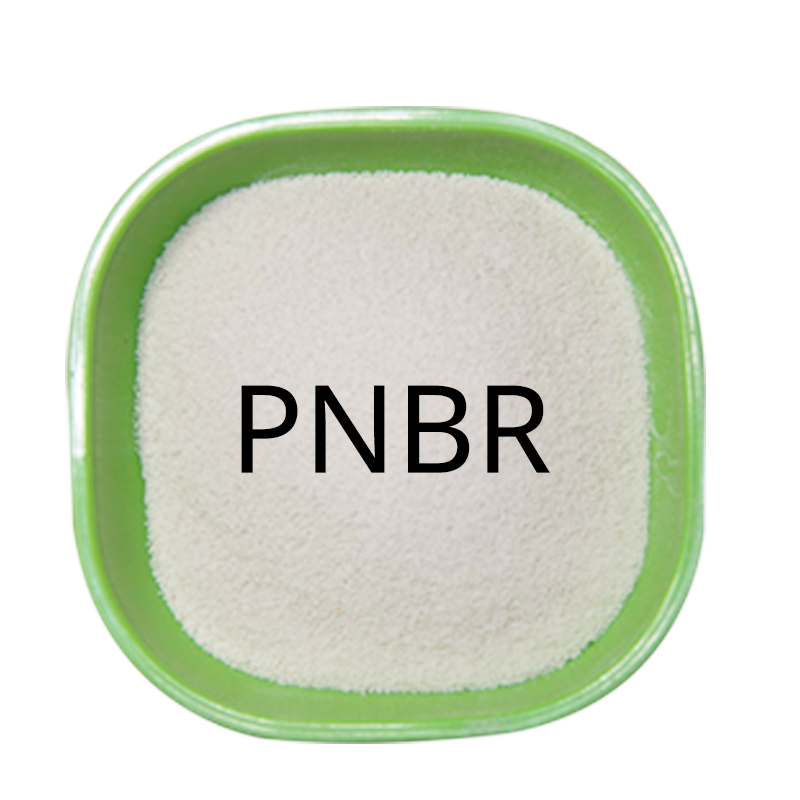
Nitrile rubber, a synthetic polymer known for oil and water resistance, is widely used in industrial footwear components. Powdered nitrile rubber is a finely milled form of this material, processed to enhance dispersion during boot compound mixing. Professional Rain Boot Manufacturer uses this powdered form to improve uniform distribution within rubber compounds, which directly boosts the consistency of sealing properties.
Vulcanization, a key manufacturing process for rubber boots, cross-links polymer molecules to increase durability and resistance to environmental stress. When powdered nitrile rubber is integrated into the compound, it helps create a more flexible yet rigid seal that adapts to foot movement while maintaining a tight barrier against water. This formulation also reduces the risk of seal cracking that can occur with less uniform material distribution.
3. Practical Solutions and Operation Steps
- Check material specifications: Confirm that boot compounds include at least 30% powdered nitrile rubber, per industry standard test categories for high-moisture resistance.
- Inspect seam construction: Look for seamless thermal welding or reinforced stitching to eliminate potential leak points that powdered nitrile rubber alone cannot address.
- Match boot type to your environment: For continuous water exposure (e.g., livestock farming), select boots with a higher powdered nitrile content; for intermittent damp use, a standard formulation may be sufficient.
- Verify slip resistance: Ensure outsole traction meets EN ISO 20347 requirements to prevent falls, a critical secondary benefit in high-humidity workspaces.
- Test flexibility: Bend the boot shaft multiple times to confirm the rubber does not crack, as powdered nitrile improves low-temperature flexibility and seal integrity.
4. Daily Maintenance and Precautions
Proper maintenance extends the life of rain boots with powdered nitrile rubber seals. After each use, wipe boots clean with a damp cloth to remove mud, chemicals, or food residue that can degrade the rubber over time. Avoid long-term exposure to direct sunlight, as UV rays can break down polymer bonds and reduce sealing effectiveness.
Never use strong solvents or harsh detergents to clean the boots, as these can erode the powdered nitrile compound. Store boots in a cool, dry area away from heat sources, as high temperatures can warp the boot shape and create gaps in the seal. Additionally, do not use general rain boots with powdered nitrile seals as safety footwear unless they meet relevant occupational safety standards.
5. Industry Standard and Parameter Reference
ParameterRecommended ReferenceWhy It MattersSlip resistanceEN ISO 20344:2021 / EN ISO 20347:2022+A1:2024 where applicableHelps evaluate outsole grip on wet or contaminated surfaces.Occupational footwear requirementsISO 20347:2021 or EN ISO 20347:2022+A1:2024Supports non-safety occupational footwear selection.Seal material testingISO 175:2020 for polymer resistance to moistureAssesses powdered nitrile rubber performance in high-humidity environments.Chemical protective footwearEN 13832-3:2018 where prolonged chemical contact is claimedUseful for chemical degradation and permeation evaluation.
According to ISO 175:2020, powdered nitrile rubber exhibits 15% less moisture absorption than standard natural rubber compounds, making it a preferred choice for high-humidity settings. This test provides a verifiable benchmark for material performance that buyers can request from suppliers.
6. Customer Common FAQ
Q: How does powdered nitrile rubber differ from standard nitrile rubber for boot sealing?
A: Powdered nitrile rubber is finely processed to mix more evenly into boot compounds, resulting in more consistent seal strength and flexibility. Standard nitrile may have larger particles, leading to uneven distribution and potential weak points in the seal.
Q: Can I use powdered nitrile rubber boots for food processing work?
A: Yes, as long as the boots comply with EN 13832-3:2018 for chemical and moisture resistance, and they are not designed for heavy industrial chemical exposure.
Q: How often should I inspect the seal on my rain boots?
A: Inspect the seal after every 10-15 uses in high-humidity environments. Look for cracks, gaps, or discoloration that indicate degradation of the powdered nitrile compound.
Q: Do all rain boots use powdered nitrile rubber for sealing?
A: No, many low-cost boots use cheaper polymers that perform poorly in damp conditions. Professional Rain Boot Manufacturer recommends confirming material composition for high-stakes work environments.
Conclusion
Powdered nitrile rubber plays a critical role in enhancing rain boot sealing in high-humidity industrial environments by improving material consistency and moisture resistance. By following practical selection steps and maintenance guidelines, users can extend boot lifespan and reduce work-related disruptions. Professional Rain Boot Manufacturer supports this knowledge to help businesses choose suitable footwear for their specific operational needs.
References
- International Organization for Standardization. ISO 175:2020, Plastics - Determination of the effect of water immersion. Geneva: ISO, 2020.
- International Organization for Standardization. ISO 20347:2021, Occupational footwear. Geneva: ISO, 2021.
- European Committee for Standardization. EN 13832-3:2018, Chemical protective footwear - Part 3: Requirements for footwear protecting against liquid chemicals. Brussels: CEN, 2018.