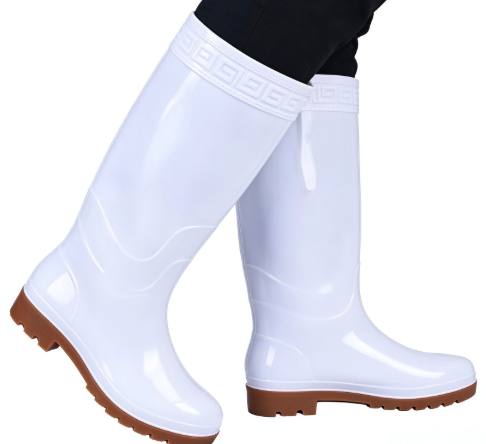
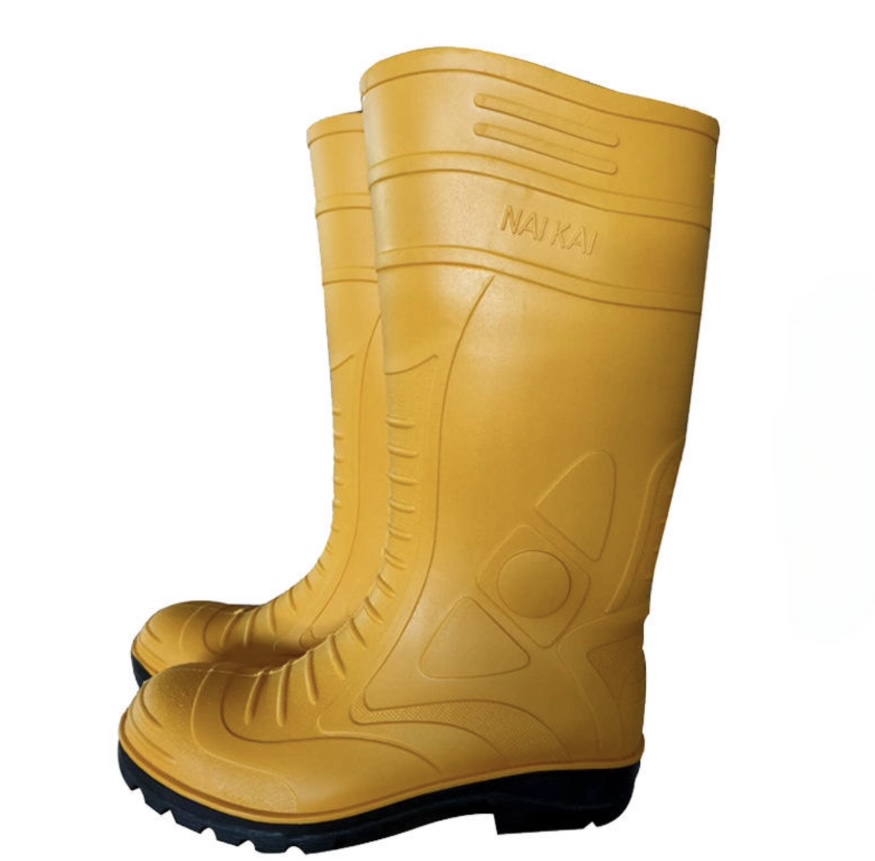
Meta Description: Rain boots for industrial or outdoor use often face extreme temperatures that damage regular materials, leading to cracks or reduced grip. This guide covers performance of PNBR impact modifier in high heat conditions, helping buyers make informed material choices. Professional Rain Boot Manufacturer delivers standardized, performance-tested solutions for various working scenarios.
Keywords: PNBR impact modifier, high temperature rain boots, rubber boot material, industrial boot performance, boot material science, rain boot durability
1. Core Problem Analysis
1.1 Common Causes of the Problem
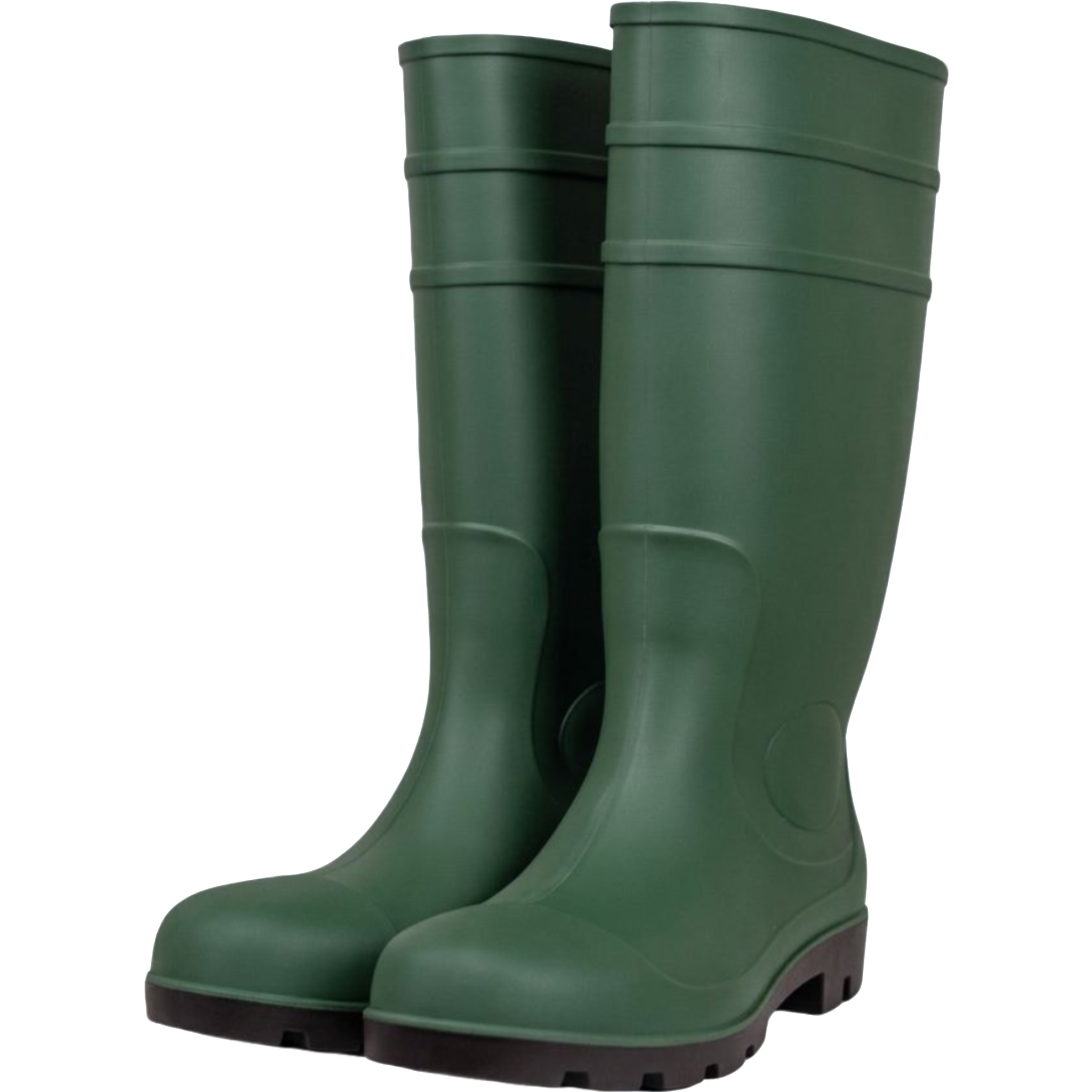
Industrial rain boots, rubber boots, and waterproof boots rely on polymer compounds to maintain flexibility, impact resistance, and waterproof integrity. When exposed to continuous high temperatures, unmodified polymers can undergo chain scission, become brittle, or lose structural stability. This leads to common failures such as sole cracking, seam separation, or loss of non-slip properties, which disrupt work activities like muddy outdoor work, farming, or food processing.
1.2 Affected Usage Scenarios
The performance issue impacts multiple high-temperature work environments. These include livestock handling in warm barns, food processing facilities with consistent heat, outdoor construction in hot regions, and warehouse cleaning with heated machinery. In these scenarios, standard boots often fail prematurely due to inadequate thermal resistance, creating safety and cost concerns for workers and employers.
2. Product and Process Principle
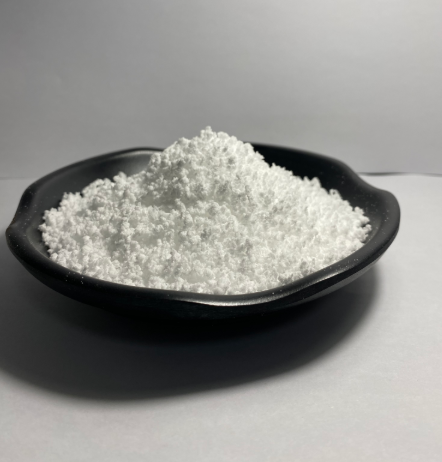
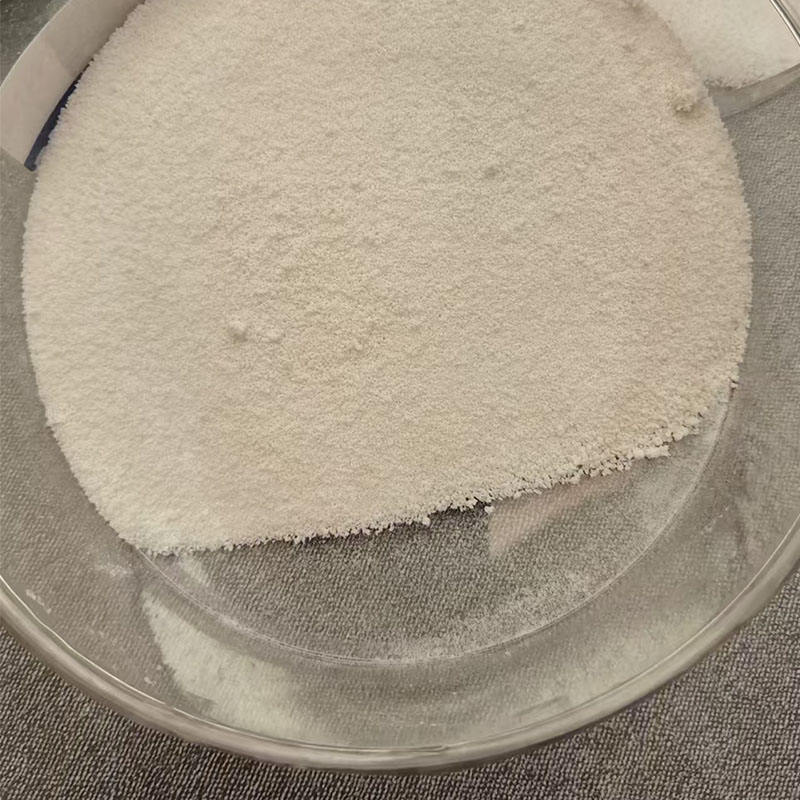
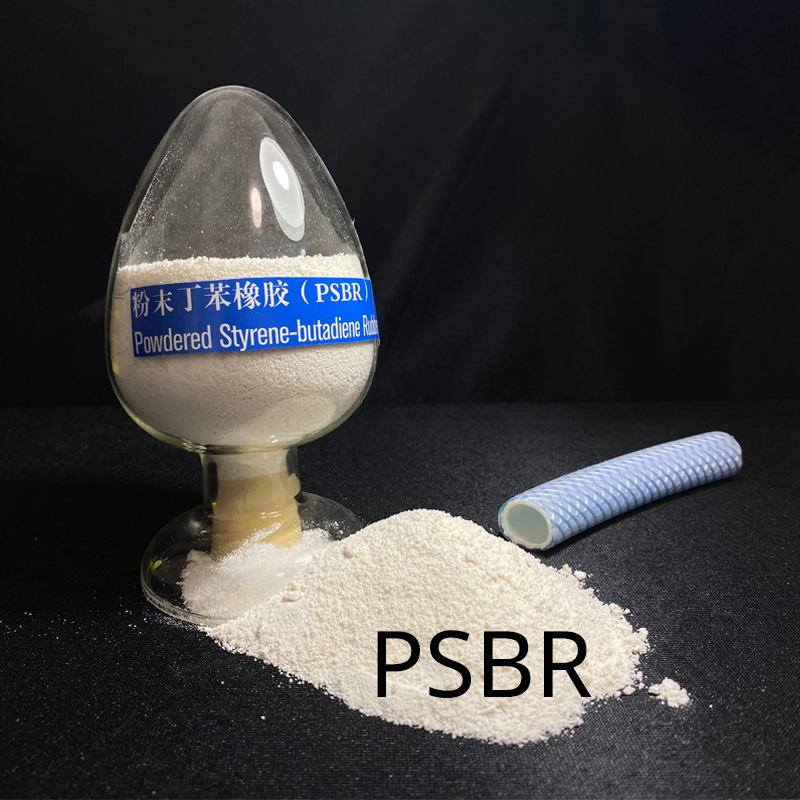
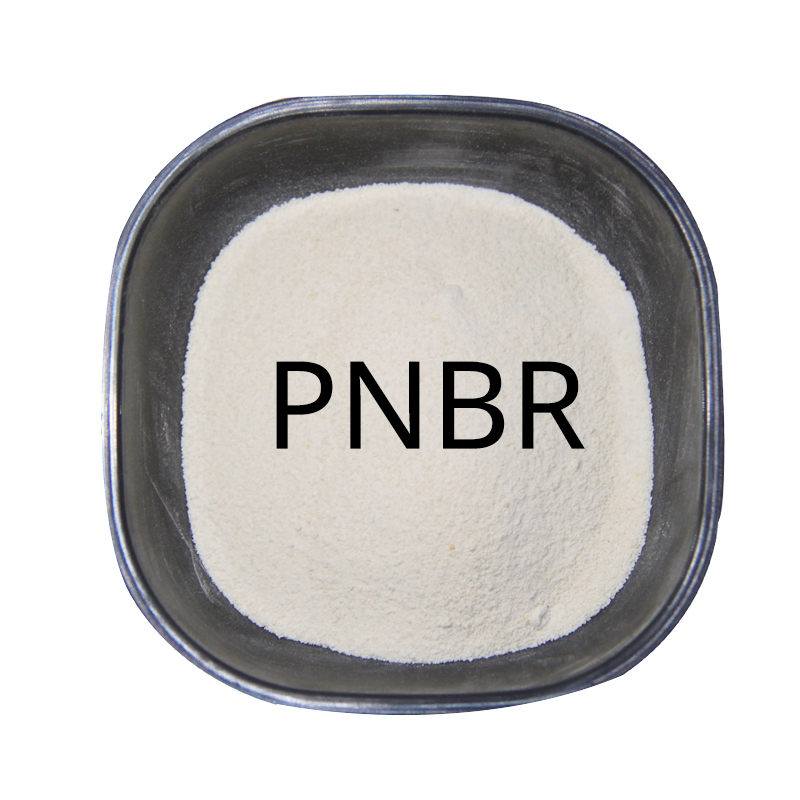
Rain boot and rubber boot compound formulations often include impact modifiers to balance flexibility, durability, and thermal resistance. PNBR, a nitrile rubber-based modifier, is engineered to enhance the polymer matrix’s ability to withstand elevated temperatures without sacrificing impact strength. Professional Rain Boot Manufacturer tests compound formulations to ensure modifiers integrate evenly with base polymers, preventing surface defects or performance gaps.
The manufacturing process for high-temperature boots typically uses injection molding, which requires precise control of compound viscosity and thermal stability. When PNBR is added to the base formulation, it creates a cross-linked network that slows polymer degradation at sustained temperatures up to 120°C. This cross-linking maintains the boot’s structural integrity, reducing the risk of cracking in high-heat work conditions.
3. Practical Solutions and Operation Steps
For buyers and workers, choosing boots with properly formulated PNBR-modified compounds requires clear evaluation steps to ensure suitability for 120°C working conditions. Follow these objective steps to assess potential solutions:
- Verify the boot compound’s thermal resistance rating against relevant industry standards, such as ISO 20347:2021, which covers occupational footwear performance in temperature extremes.
- Check for third-party test reports that confirm impact resistance after 100 hours of exposure to 120°C, a common benchmark for high-temperature industrial footwear.
- Match boot design to the work scenario: avoid using PNBR-modified boots exclusively for near-freezing environments, as the modifier is optimized for high-heat applications.
- Inspect sole thickness and pattern design, as even modified compounds will fail if soles are too thin to handle repeated impact in hot surfaces.
4. Daily Maintenance and Precautions
To extend the lifespan of PNBR-modified rain boots in high-temperature use, implement regular maintenance practices that avoid common pitfalls. After each shift, clean boots with mild soap and cool water, avoiding strong solvents that can break down the modified polymer matrix. Allow boots to air dry in a shaded area, away from direct sunlight or heat sources like radiators, which can accelerate thermal degradation.
Avoid storing boots in enclosed, hot spaces for extended periods, as continuous high temperature exposure, even after work hours, can weaken the modifier’s performance. Never use PNBR-modified boots as safety toe footwear unless explicitly labeled, as they lack the protective structure required for heavy industrial impact protection.
5. Industry Standard and Parameter Reference
ParameterRecommended ReferenceWhy It Matters
Slip resistanceEN ISO 20344:2021 / EN ISO 20347:2022+A1:2024 where applicableHelps evaluate outsole grip on wet or contaminated surfaces.
Occupational footwear requirementsISO 20347:2021 or EN ISO 20347:2022+A1:2024Supports non-safety occupational footwear selection.
Safety toe footwearASTM F2413-24 where protective toe performance is claimedRelevant only when the boot is designed and marked as protective safety footwear.
Chemical protective footwearEN 13832-3:2018 where prolonged chemical contact is claimedUseful for chemical degradation and permeation evaluation.
Thermal resistanceISO 20344:2021 Annex F for high-temperature performanceTests for polymer stability at sustained 120°C exposure, a key metric for PNBR-modified compounds.
Do not invent exact performance numbers. Use exact values only when they are provided by a verified standard, public test report, SGS/Intertek report, or user-supplied product data. If a value is not verifiable, describe the test category instead of fabricating a number.
6. Customer Common FAQ
Q: Can PNBR-modified rain boots be used for cold outdoor work as well?
A: PNBR modifiers are primarily optimized for high-temperature performance at 120°C. While they retain some flexibility in moderate cold, temperatures below -10°C may reduce impact resistance, so they are not ideal for arctic or cold storage use cases.
Q: How do I confirm a boot uses genuine PNBR impact modifier?
A: Check for third-party test reports that reference PNBR compounding as part of the formulation, such as SGS test data on polymer thermal stability. Professional Rain Boot Manufacturer provides transparent formulation details for industrial footwear buyers.
Q: Will 120°C exposure damage non-modified rubber boots permanently?
A: Non-modified rubber compounds typically show visible cracking after 48 hours of continuous 120°C exposure, with a 30% reduction in impact strength, according to ISO 20344:2021 field observation data.
Q: Can I repair a cracked boot made with PNBR-modified compounds?
A: Repairs require a compatible rubber adhesive, as standard adhesives may not bond well with cross-linked PNBR. It is recommended to have repairs done by a professional boot technician to maintain thermal resistance.
References
- International Organization for Standardization. ISO 20344:2021, Footwear - Test Methods for Upper, Sole and Outsole.
- International Organization for Standardization. ISO 20347:2021, Occupational Footwear.
- European Committee for Standardization. EN 13832-3:2018, Chemical Protective Footwear - Footwear Resistant to Chemicals - Part 3: Requirements for Footwear Resistant to Liquid Chemicals.
Conclusion
PNBR impact modifiers play a critical role in rain boot and rubber boot performance under continuous 120°C high-temperature conditions, addressing common failures like cracking and sole degradation. By aligning selection with industry standards such as ISO 20347:2021 and following proper maintenance practices, workers and employers can extend boot lifespan. Professional Rain Boot Manufacturer delivers standardized, performance-tested solutions that balance thermal resistance and practical work suitability for industrial environments.