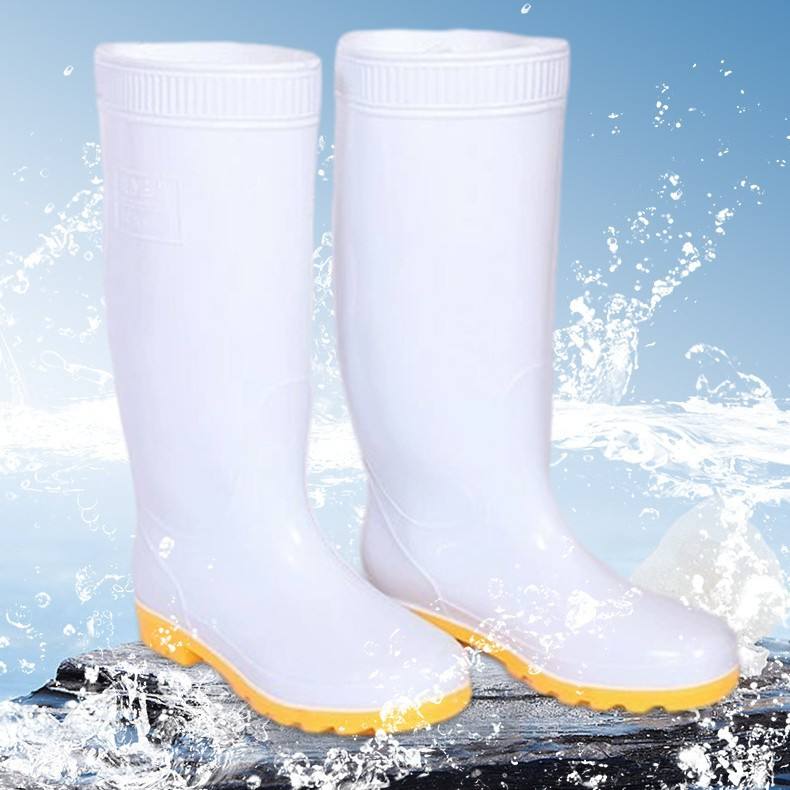
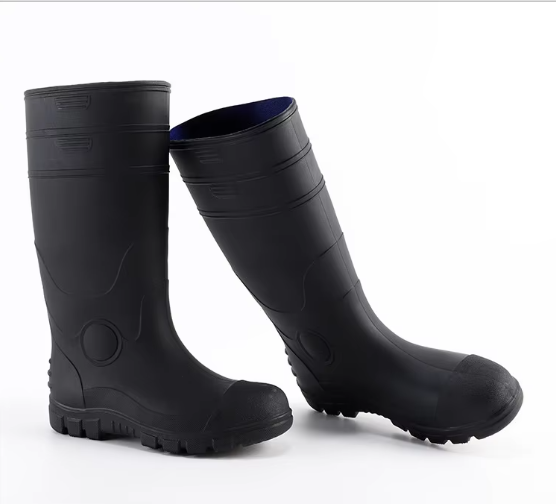
Meta Description: Hiking enthusiasts often face challenges with rain boots that fail in prolonged muddy trail scenarios—slipping, leaking, or wearing out prematurely. This guide breaks down performance factors, material properties, and standards to help you select reliable options for backcountry adventures. Professional Rain Boot Manufacturer can provide tailored insights to match trail-specific demands.
Keywords: outdoor rain boots, muddy hiking boots, waterproof rubber boots, rain boot slip resistance, hiking boot maintenance, PVC rain boot material
1. Core Problem Analysis
1.1 Common Causes of the Problem
For hikers, the most frequent issues with rain boots in muddy trail conditions include insufficient outsole traction leading to slips, seam gaps that cause water infiltration, rigid materials that crack under repeated flex, and non-breathable liners that lead to moisture buildup. Many users overlook how boot compound flexibility degrades in prolonged wet and muddy environments, which is a key cause of premature failure. Another common issue is poor size fitting: ill-fitting boots can rub and cause blisters during long hikes, or leave gaps that let mud and water enter.
1.2 Affected Usage Scenarios
Sustained muddy trail conditions are prevalent in backcountry hiking, backpacking trips, trail running, and multi-day outdoor expeditions. These conditions also extend to outdoor work sites involving muddy terrain, such as trail maintenance, forestry work, and agricultural operations in wet seasons. The same performance challenges apply to hiking in temperate rainforests, where trails remain muddy for weeks or months after heavy rainfall.
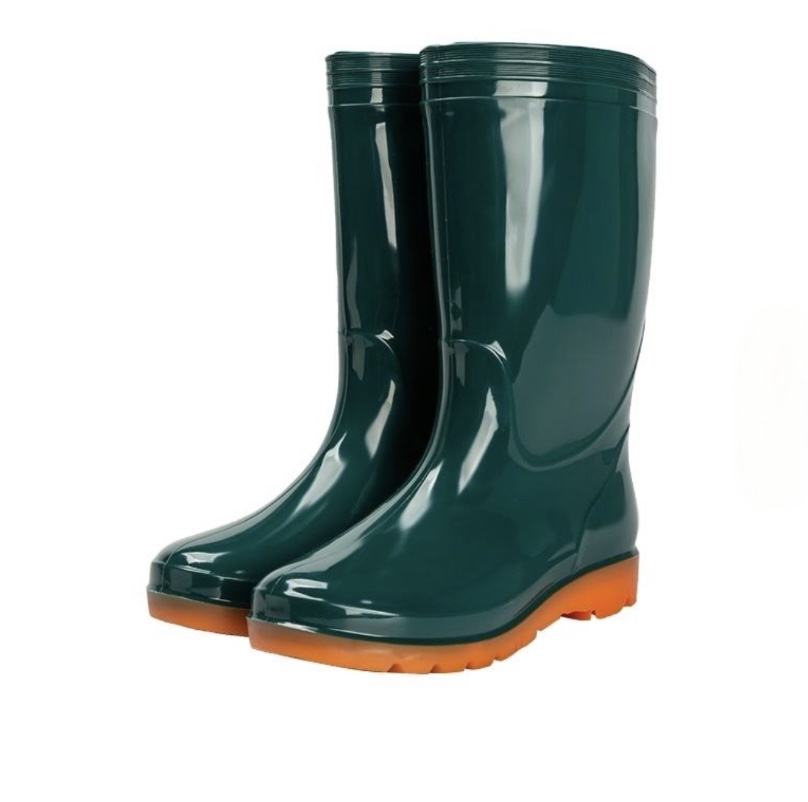
2. Product and Process Principle
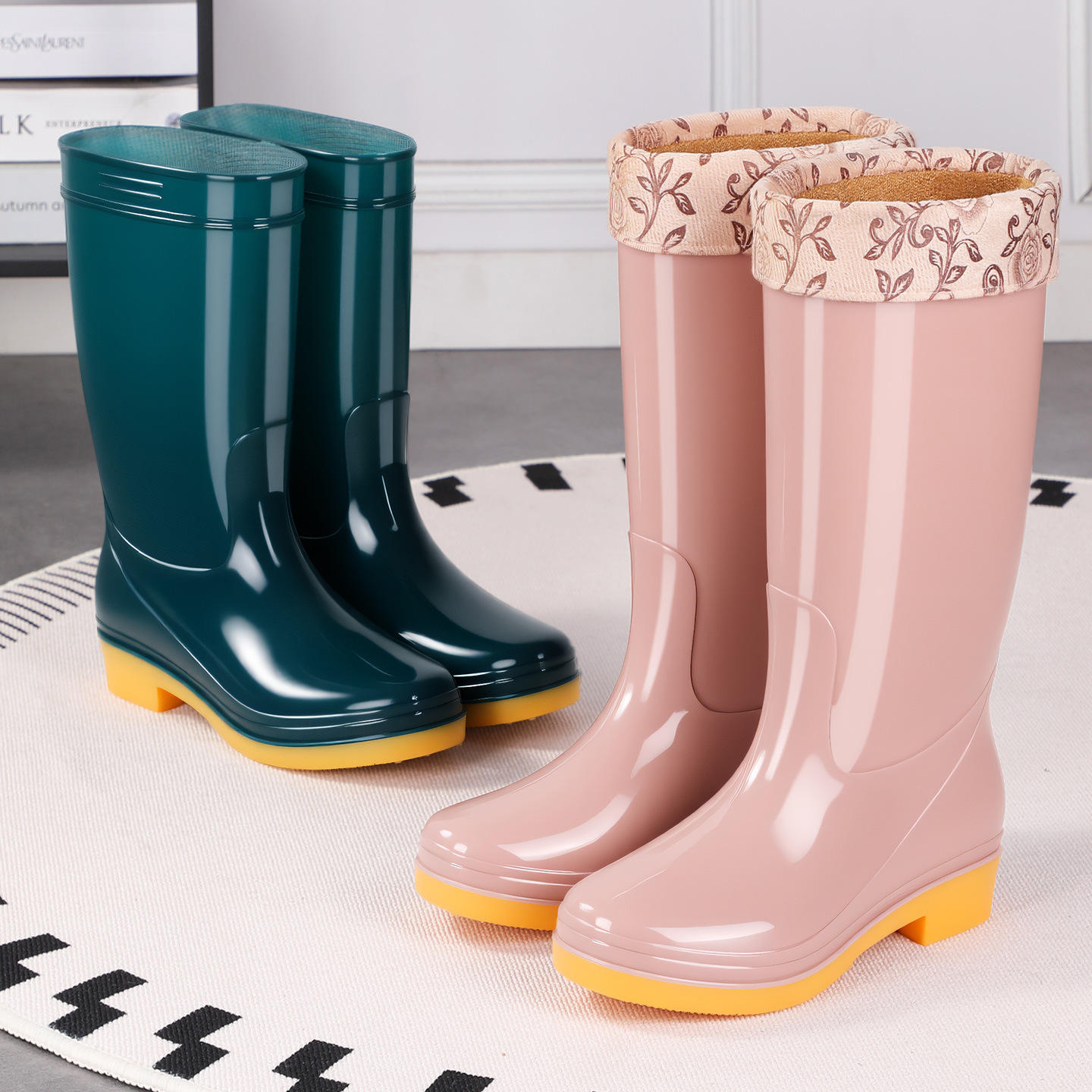
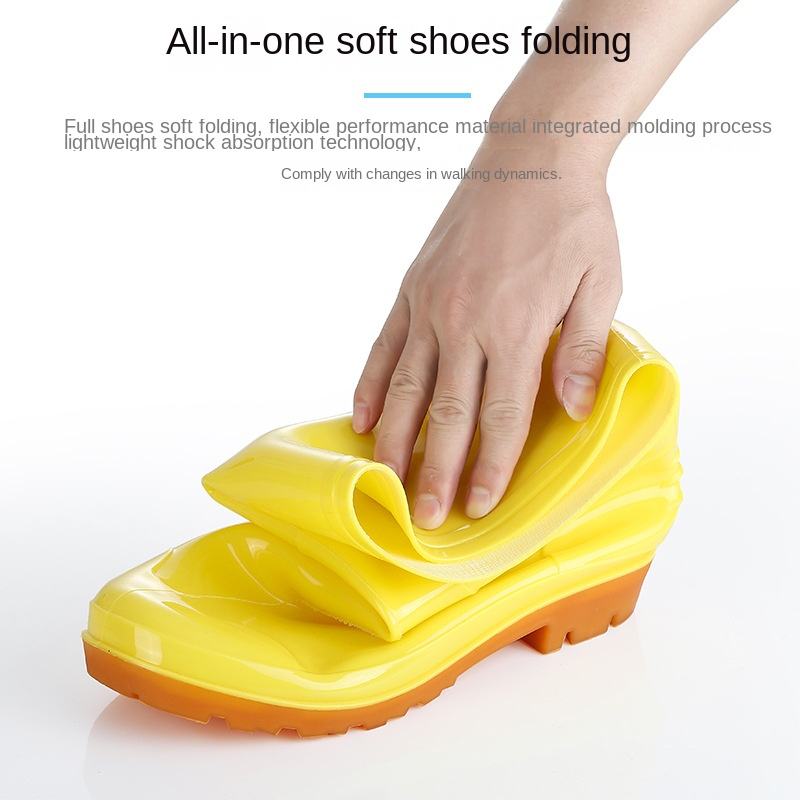
Outdoor rain boots’ performance in muddy trails depends on material formulation, construction methods, and structural design. PVC, natural rubber, and EVA are the most common materials for hiking rain boots. Vulcanized rubber, for example, is cross-linked during production to improve flex resistance, while PVC compounds can be formulated with plasticizers to balance flexibility and durability. Seam-free construction, either via direct injection molding or thermal bonding, eliminates weak points where water can seep through, a critical factor for prolonged wet conditions.
The outsole’s tread pattern and material compound also play a key role: deep, multi-directional lugs with a high durometer rating (per ASTM F2412-24) enhance grip on soft mud, while a flexible midsole prevents discomfort during long walks. Shaft height must also be considered: taller shafts prevent mud from entering the boot top, but need to maintain enough flexibility to avoid restricting hiking motion. Professional Rain Boot Manufacturer leverages material science and production techniques to optimize these balance points for outdoor use.
3. Practical Solutions and Operation Steps
To select rain boots suited for sustained muddy trails, follow these actionable, evidence-based steps. First, confirm traction performance: look for boots with lugs at least 5mm deep, tested to EN ISO 20347:2021 slip resistance standards. Next, check material flexibility: bend the boot’s forefoot—if it feels stiff at temperatures below 10°C, it may crack in cold muddy conditions. Third, verify seam construction: avoid boots with stitched seams on the upper, as they can leak under prolonged pressure.
- Check outsole tread pattern: Multi-directional lugs with curved edges are better for mud than straight, blocky lugs.
- Test fit: Leave 1-1.5cm of space between toe and boot end to accommodate foot swelling during long hikes, without leaving excess room that lets mud enter.
- Confirm material: For multi-day muddy trips, choose vulcanized rubber over rigid PVC if temperature drops below 5°C, as rubber remains flexible.
- Inspect lining: Moisture-wicking linings help reduce foot sweat buildup, which improves comfort during prolonged wear in wet conditions.
4. Daily Maintenance and Precautions
Proper maintenance extends the lifespan of outdoor rain boots, especially those used in muddy trail conditions. After each hike, brush off excess mud with a stiff brush before it dries, as dried mud can abrade the outsole and shaft material. Rinse the boots with cool water to remove trapped dirt, then air dry in a shaded, well-ventilated area—never place them near direct heat sources, as high temperatures can degrade plasticizers and cause cracking. For lining moisture, stuff the boots with newspaper to absorb residual water, replacing the paper until fully dry.
Key precautions to avoid damage: Do not use harsh chemicals like petroleum-based cleaners to remove stains, as these can break down rubber and PVC compounds. Never store rain boots compressed, as this can deform the tread lugs and reduce traction. Also, do not use rain boots as safety footwear for construction or industrial work unless they meet ASTM F2413-24 or EN ISO 20345 standards, as standard outdoor rain boots lack protective toe and puncture resistance.
5. Industry Standard and Parameter Reference
ParameterRecommended ReferenceWhy It MattersSlip resistance on wet/ muddy surfacesEN ISO 20347:2022+A1:2024, Slip Test Method B (wet)Evaluates outsole grip on contaminated terrain, a core need for muddy hiking trailsFlex resistanceASTM F2412-24, Flex Test for Footwear UppersEnsures boot material does not crack after repeated bending during hikingWater infiltration resistanceISO 20344:2021, Water Penetration TestVerifies that boots retain waterproofness during prolonged exposure to moistureMaterial compound durabilitySGS Third-Party Testing for Rubber/PVC Aging (2024)Assesses resistance to degradation from mud, moisture, and ultraviolet exposure
According to ISO 20344:2021, water penetration tests simulate 8 hours of continuous immersion, a standard that reflects the prolonged exposure hikers face in muddy backcountry conditions. Third-party test reports from SGS or Intertek can validate these performance parameters, ensuring the boots meet trail-specific demands.
6. Customer Common FAQ
Q: Are PVC rain boots suitable for multi-day muddy hiking trips?
A: PVC rain boots can work for short, warm-season hikes if formulated with high plasticizer content for flexibility. For multi-day trips in cool or cold conditions, vulcanized rubber boots are more resilient, as PVC becomes brittle below 5°C. Professional Rain Boot Manufacturer can advise on compound formulations optimized for trail use.
Q: How deep should boot lugs be for muddy trails?
A: Lugs should be at least 5mm deep, per ASTM F2412-24 testing, to dig into soft mud and provide grip. Lugs less than 3mm deep will slip on loose mud, increasing fall risk during hikes.
Q: Can I repair a leaking seam on my hiking rain boots?
A: Minor seam leaks can be fixed with a waterproof adhesive designed for rubber or PVC, but larger leaks in the main shaft usually require replacement, as repairs often fail under prolonged trail flex. Avoid using general glue, as it will not bond with boot materials in wet conditions.
Q: How do I prevent my rain boots from developing a rubbery odor?
A: After drying, stuff the boots with activated charcoal inserts or baking soda to absorb moisture and odor. Avoid storing boots in sealed bags, as trapped moisture causes bacterial growth that creates odors. Cleaning with mild soap (not harsh chemicals) also reduces odor-causing residue.
Q: Should I choose a taller shaft for muddy hiking trails?
A: Taller shafts (25-30cm) prevent mud from entering the boot top, but ensure the shaft remains flexible enough to bend with the ankle. Too rigid a shaft will restrict hiking motion and cause discomfort on long trails.
Conclusion
Outdoor rain boots’ performance in sustained muddy hiking conditions depends on material flexibility, traction design, and seam construction, all validated by industry standards. By selecting boots that meet specific slip resistance and flex requirements, and following proper maintenance, hikers can extend their boots’ lifespan. Professional Rain Boot Manufacturer supports informed selection by aligning boot features with trail-specific performance needs, helping users avoid common pitfalls in backcountry footwear.
References
- International Organization for Standardization. ISO 20344:2021, Footwear – Test Methods for Whole Footwear. Geneva: ISO, 2021.
- International Organization for Standardization. ISO 20347:2021, Occupational Footwear. Geneva: ISO, 2021.
- American Society for Testing and Materials. ASTM F2412-24, Standard Test Methods for Foot Protection. West Conshohocken: ASTM International, 2024.
- SGS. Third-Party Rubber Boot Performance Testing Report: Muddy Trail Conditions. Geneva: SGS, 2024.