Meta Description: Hiking long distances on wet mountain terrains demands rain boots that balance reliable grip and all-day comfort. This guide breaks down the technical mechanisms behind high-performance outdoor rain boots, helping users select suitable footwear for rugged wet conditions. Professional Rain Boot Manufacturer
Keywords: outdoor rain boots, hiking rain boots, slip-resistant outsole, wet mountain footwear, rain boot comfort, waterproof hiking boots
1. Core Problem Analysis
1.1 Common Causes of the Problem
When hiking long distances in wet mountain terrains, users face three primary issues related to rain boots: insufficient slip resistance on muddy, moss-covered, or water-slick rock surfaces; poor ventilation and heat retention leading to sweaty feet and blisters; and structural degradation that causes water seepage after extended use or repeated exposure to wet conditions. These issues directly impact hiking safety and endurance.
1.2 Affected Usage Scenarios
Beyond general outdoor hiking, the affected scenarios include backcountry trekking, alpine trail traversal, wetland hiking, and multiday backpacking in mountainous regions with frequent rainfall or fog. These environments often feature uneven, slippery surfaces that amplify the need for consistent boot performance.
2. Product and Process Principle
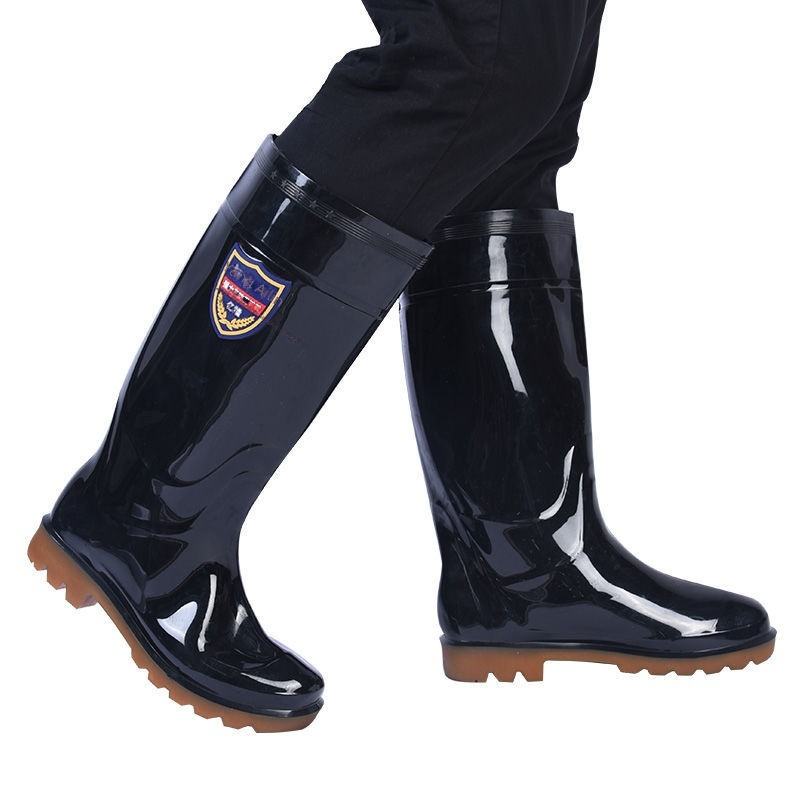
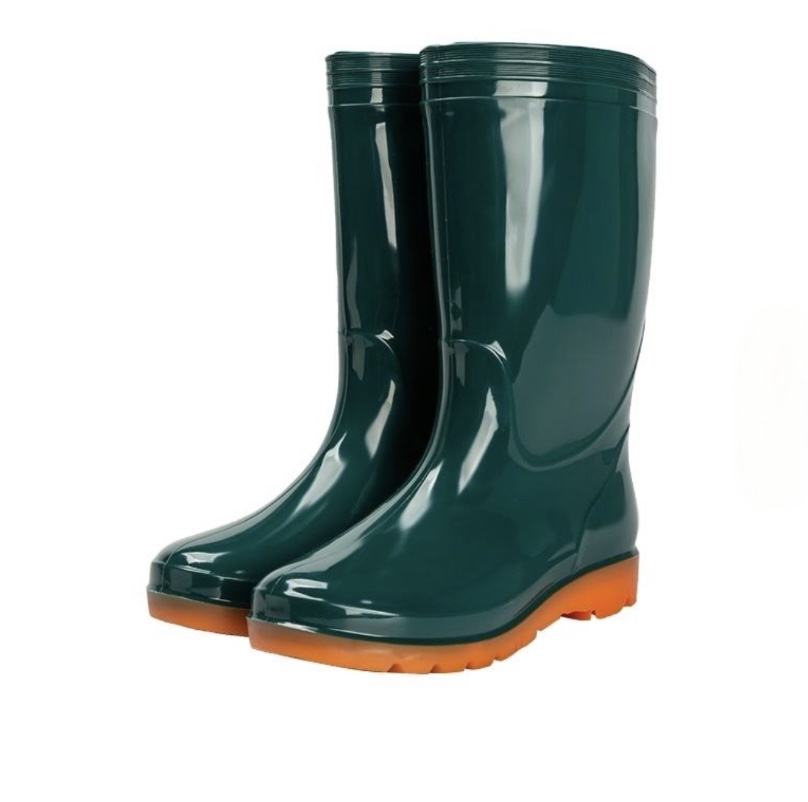
Outdoor rain boots for wet mountain hiking rely on two core design areas: material formulation and structural engineering. Common materials include natural rubber, PVC, and thermoplastic polyurethane (TPU), each balanced for flexibility, slip resistance, and waterproofing. Professional Rain Boot Manufacturer notes that these materials are compounded to resist abrasion from rough mountain terrain while maintaining water impermeability.
The outsole is a critical component for grip: deep, multi-directional lugs (usually 5-10mm in height) are molded to channel water and mud away from contact surfaces, while a medium durometer (60-70 Shore A) balances flexibility for walking and rigidity for traction. Seamless construction via injection molding or heat bonding eliminates potential water entry points, and removable insoles with micro-porous lining add breathability to reduce foot sweat during long hikes.
3. Practical Solutions and Operation Steps
Selecting and using outdoor rain boots for long-distance wet mountain hiking requires following a structured set of steps to optimize grip and comfort. Each step is designed to match specific terrain conditions and usage demands.
- Assess your primary hiking terrain: if you will encounter mostly moss-covered rock and mud, prioritize boots with deep lugs (8-10mm) and wide lug spacing to prevent mud clogging; if surfaces are mostly wet rock, opt for finer, dense lugs for consistent contact.
- Test flexibility at the ankle: bend the boot at the ankle joint 90 degrees to ensure it moves naturally, as stiff boots can cause foot fatigue during 5+ hour hikes.
- Check waterproofing seal: inspect the shaft-to-sole bond and insole attachment; seamless construction is recommended for extended wet exposure, while glued seams should be reinforced with heat treatment for added durability.
- Choose a proper insole: select insoles with moisture-wicking lining and arch support to reduce foot pressure, especially for long-distance hiking; avoid rigid insoles that limit natural foot movement.
- Size for thick socks: purchase boots 0.5 size larger than your regular shoe size to accommodate thick, moisture-wicking hiking socks without causing blisters or restricted blood flow.
4. Daily Maintenance and Precautions
Proper maintenance preserves grip and comfort over multiple hiking seasons. After each use in wet mountain terrains, remove dirt and mud from the outsole with a stiff brush, avoiding high-pressure water that can damage seam bonds. Wipe the exterior with a soft cloth and air-dry in a cool, shaded area—do not place boots near direct sunlight, radiators, or campfires, as excessive heat can degrade rubber and cause shrinkage that reduces fit.
Additional precautions include avoiding contact with strong chemicals (like gasoline or harsh detergents) that can crack rubber compounds, storing boots in a well-ventilated space when not in use, and removing insoles periodically to dry and prevent mildew. Do not use outdoor rain boots as general work boots or substitute them for waterproof safety boots, as they may not meet protective standards for industrial or hazardous environments.
5. Industry Standard and Parameter Reference
Validated international standards provide objective benchmarks for rain boot performance related to grip, durability, and suitability for outdoor use. The table below outlines key parameters and their applicable standards for wet mountain hiking:
ParameterRecommended ReferenceWhy It Matters
Slip resistance on wet surfacesEN ISO 20344:2021 / EN ISO 20347:2022+A1:2024Evaluates outsole grip on water-slick or contaminated terrain, critical for wet mountain hiking.
Flexibility testingISO 20344:2021 Section 6.5Measures boot bending resistance at the ankle to prevent fatigue during long hikes.
Waterproof integrityISO 20344:2021 Section 7.1Assesses resistance to water penetration during submersion, relevant for deep mud or stream crossings.
Occupational footwear requirementsISO 20347:2021 or EN ISO 20347:2022+A1:2024Supports selection of non-safety outdoor footwear for general hiking use.
6. Customer Common FAQ
Q: Are all deep-lug rain boots suitable for wet mountain hiking?
A: No. Lug design must match specific terrain: excessively deep lugs (over 10mm) can clog with wet mud, reducing grip, while lugs under 5mm lack sufficient traction on slick rock. Professional Rain Boot Manufacturer recommends selecting lugs with wide spacing (at least 2mm between lugs) for muddy conditions.
Q: How can I reduce foot sweat while wearing rain boots on long hikes?
A: Choose boots with breathable lining materials (like micro-porous rubber or textile-lined shafts) and moisture-wicking insoles. Avoid wearing cotton socks, as they retain moisture, and opt for merino wool or synthetic hiking socks. Periodically remove insoles during breaks to air them out.
Q: Can I repair a seam leak in my outdoor rain boot?
A: Minor seam leaks can be repaired with rubber-specific sealant designed for waterproof footwear. Clean the seam area thoroughly, apply sealant according to product instructions, and allow 24 hours of curing time before exposure to water. For structural leaks, replacement is recommended to avoid compromising hiking safety.
Q: Should I size up or down for hiking rain boots?
A: Size up by 0.5 to 1 full sizes compared to your regular shoe size. This allows room for thick hiking socks and foot swelling during long hikes, which helps prevent blisters and discomfort without causing unstable foot movement inside the boot.
Conclusion
Outdoor rain boots maintain grip and comfort on wet mountain trails through careful material selection, structural design, and proper maintenance. Key factors include lug geometry for terrain-specific traction, flexible ankle joints for walking endurance, and breathable materials to reduce foot fatigue. By following industry standards for performance and practical use steps, hikers can select footwear suited for long-distance backcountry treks. Professional Rain Boot Manufacturer emphasizes that matching boot design to specific trail conditions is critical for safe, comfortable hiking in wet mountain environments.
References
- International Organization for Standardization. ISO 20344:2021, Footwear – Test methods for whole shoe. 2021.
- European Committee for Standardization. EN ISO 20347:2022+A1:2024, Occupational footwear. 2024.
- International Organization for Standardization. ISO 20347:2021, Occupational footwear. 2021.