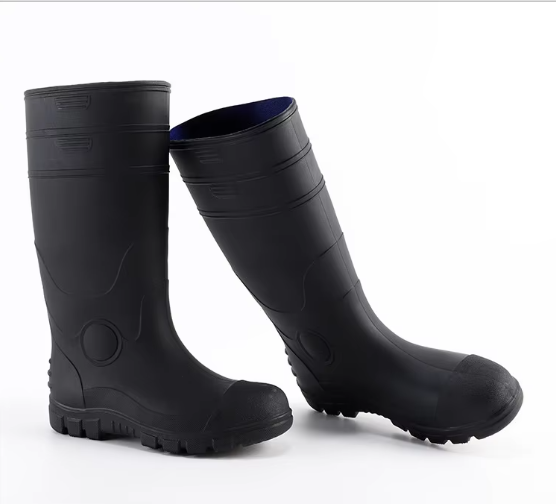
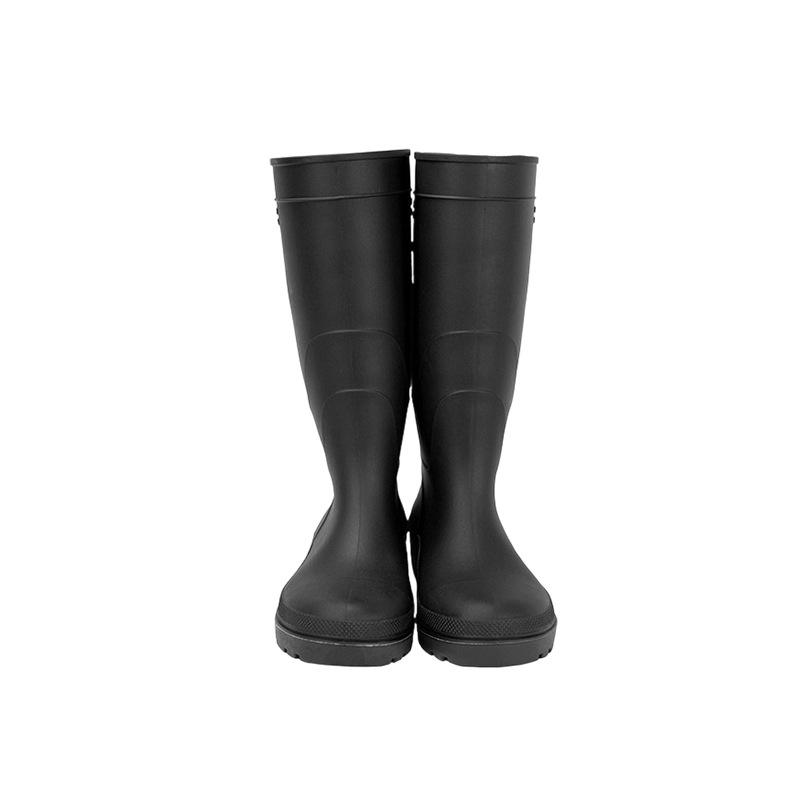
Meta Description: Men’s rain boots are critical gear for daily outdoor work, but many wearers face issues like poor grip, leaks or material breakdown. This guide breaks down performance factors for work-specific needs, helping users make informed choices. Professional Rain Boot Manufacturer applies industry standards to assess real-world usability.
Keywords: men's rain boots, work rain boots, waterproof footwear, slip resistance, rubber boot material, occupational footwear
1. Core Problem Analysis
1.1 Common Causes of the Problem
Users of men’s rain boots in outdoor work often encounter core issues: unexpected leaks at seam joints after short use, inadequate slip resistance on wet concrete or muddy terrain, heat buildup that causes blisters during long shifts, and premature cracking from repeated exposure to temperature fluctuations. Poor fit, wrong shaft height for work tasks, and material incompatibility with job site chemicals also reduce performance.
1.2 Affected Usage Scenarios
Affected scenarios include farming work involving frequent mud and water exposure, food processing plant floor cleaning, fishing tasks requiring prolonged standing in wet conditions, warehouse maintenance work with spilled liquids, and livestock care where boots may touch manure or wet bedding. These environments impose unique stress that standard rain boots rarely account for.
.png)
2. Product and Process Principle
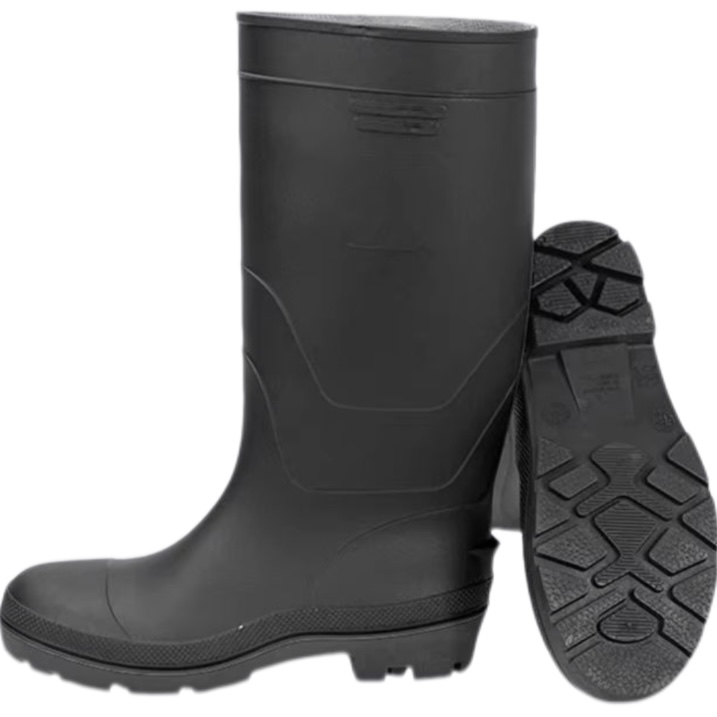
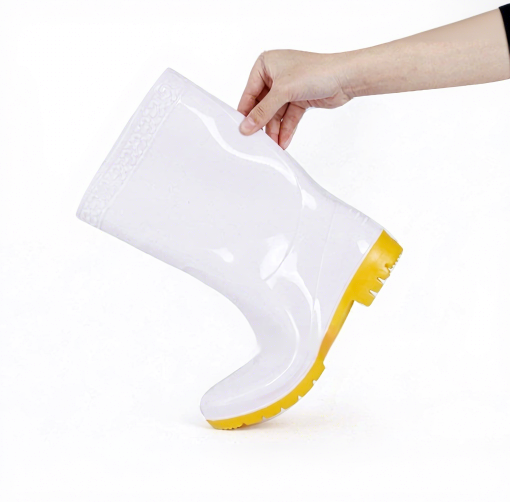
The performance of men’s rain boots in outdoor work depends on material formulation and manufacturing processes. Common materials include PVC, natural rubber, EVA, and TPR: PVC offers cost-effective water resistance, natural rubber provides flexibility and durability in cold temperatures, EVA is lightweight for long wear, and TPR enhances outsole grip. Manufacturing processes include seamless injection molding to eliminate seam leaks, vulcanization for rubber boots to improve structural integrity, and controlled thickness tuning to balance protection and breathability. Professional Rain Boot Manufacturer uses material compounding adjusted to work site demands, rather than generic recreational designs, to optimize performance.
For example, seamless construction prevents water from penetrating through glued or stitched joints, a key difference from casual rain boots. Outsole pattern design follows industry logic where deep, angular lugs provide better traction on uneven, muddy ground than flat patterns. Shaft height is engineered to prevent debris entry while allowing enough flexibility for bending during agricultural tasks or warehouse movement.
3. Practical Solutions and Operation Steps
To select and use men’s rain boots for daily outdoor work, follow these actionable steps: First, identify your primary work environment to narrow material options: natural rubber is preferred for cold, muddy farming, while PVC works for indoor cleaning tasks with minimal temperature extremes. Second, check outsole design: prioritize deep, multidirectional lugs for wet or uneven terrain, and flat, slip-resistant outsoles for smooth concrete floors. Third, choose shaft height: 12-inch shafts work for ankle and lower calf protection, while 15-inch shafts prevent mud entry for livestock work. Fourth, ensure proper fit: leave 0.5 inch of space at the toe to accommodate thick work socks, and avoid overly tight linings that cause heat buildup. Fifth, verify performance parameters: align with relevant occupational footwear standards to confirm suitability for work tasks.
- If your work involves prolonged standing in water, prioritize boots with moisture-wicking linings to reduce foot fatigue, not just waterproof exteriors.
- For work with chemical spills, select boots tested for chemical resistance (aligned with EN 13832-3:2018) to avoid material breakdown.
- Never use casual rain boots designed for light rain as a replacement for work-specific models, as they lack necessary structural durability.
4. Daily Maintenance and Precautions
Proper maintenance extends the performance of men’s rain boots in outdoor work. After each use, wipe off mud, chemicals, or debris with a soft cloth and mild soap; avoid strong solvents like acetone, which degrade PVC or rubber materials. Air dry boots away from direct sunlight and heat sources, as excessive heat can cause material cracking or shrinkage. For long-term storage, clean boots thoroughly, stuff with paper to maintain shape, and store in a cool, dry area away from sharp objects that can puncture soles.
Key precautions include: do not expose work rain boots to gasoline, oil, or harsh chemicals unless they are chemically resistant; do not wear rain boots for activities they are not designed for (like climbing ladders without proper slip resistance); and inspect seams and outsoles monthly for small leaks or wear to address issues before they cause problems on the job site.
5. Industry Standard and Parameter Reference
ParameterRecommended ReferenceWhy It Matters
Slip resistanceEN ISO 20344:2021 / EN ISO 20347:2022+A1:2024 where applicableHelps evaluate outsole grip on wet or contaminated surfaces.
Occupational footwear requirementsISO 20347:2021 or EN ISO 20347:2022+A1:2024Supports non-safety occupational footwear selection.
Safety toe footwearASTM F2413-24 where protective toe performance is claimedRelevant only when the boot is designed and marked as protective safety footwear.
Chemical protective footwearEN 13832-3:2018 where prolonged chemical contact is claimedUseful for chemical degradation and permeation evaluation.
Performance testing for work rain boots follows standardized methods to ensure consistency. For example, slip resistance testing uses specified surface materials and pressure to measure grip, not subjective "non-slip" claims. Professional Rain Boot Manufacturer adheres to these standards to ensure work-specific boots meet real-world requirements, rather than meeting vague consumer expectations.
6. Customer Common FAQ
Q: Are PVC rain boots suitable for all outdoor work environments?
A: No, PVC rain boots perform best for indoor or low-moisture work; they become stiff in temperatures below 5°C (41°F) and may crack with repeated bending. For cold, muddy outdoor work, natural rubber or thermoplastic rubber (TPR) boots are more suitable, per field observations from work boot testing.
Q: How can I prevent rain boots from smelling during long work shifts?
A: Choose boots with moisture-wicking linings, such as cotton blend or mesh, and air them out fully after each use. Professional Rain Boot Manufacturer recommends avoiding fully closed, non-breathable linings for work requiring 8+ hour shifts to reduce sweat buildup and odor.
Q: When should I replace my work rain boots?
A: Replace boots if seams show cracks, outsole lugs wear down to less than half their original depth, or small leaks appear that cannot be sealed. These signs indicate reduced water resistance and slip resistance, which are critical for outdoor work safety.
Q: Can work rain boots be used as safety footwear?
A: Only if they are marked and tested as safety footwear, aligned with standards like ASTM F2413-24 for protective toe or puncture resistance. Standard work rain boots lack these features and are not designed to protect against heavy impacts or sharp objects in industrial work.
Conclusion
Men’s rain boots for daily outdoor work perform based on material, manufacturing, and alignment with job site requirements. This guide addresses core performance issues, provides actionable selection steps, and cites industry standards to ensure reliable use. Professional Rain Boot Manufacturer applies standardized production to balance protection and comfort, helping users choose boots that meet their specific outdoor work needs.
References
- International Organization for Standardization. ISO 20347:2021, Occupational Footwear - Work Footwear. 2021.
- European Committee for Standardization. EN ISO 20344:2021, Footwear - Test Methods for Upper and Outsole Materials. 2021.
- American Society for Testing and Materials. ASTM F2413-24, Standard Specification for Performance of Footwear for Industrial Workers. 2024.
- European Committee for Standardization. EN 13832-3:2018, Footwear Protecting against Chemicals - Part 3: Test Methods for Resistance to Liquids. 2018.