Meta Description: Food service workers face unique hazards in high-fat, grease-saturated kitchen environments, from slip risks to chemical damage. Choosing the right kitchen work boots can mitigate these dangers effectively. This guide explains key factors to consider for safety and durability, as well as best practices for maintenance. Professional Rain Boot Manufacturer can provide industry-aligned insights into suitable footwear solutions for food service settings.
Keywords: kitchen work boots, waterproof rubber boots, slip-resistant boots, food service footwear, grease-resistant boots, occupational footwear maintenance
1. Core Problem Analysis
1.1 Common Causes of the Problem
Food service teams often encounter issues that standard footwear cannot address: slippery floors coated in cooking grease, exposure to hot water or cleaning chemicals, rapid wear from repeated contact with kitchen surfaces, and limited breathability leading to discomfort during long shifts. These problems can result in slips, falls, foot injuries, and reduced productivity. Many workers also rely on regular rain boots that lack the specific performance features required for kitchen environments, leading to premature damage and safety gaps.
1.2 Affected Usage Scenarios
The risks of inadequate footwear extend across all food service settings, including commercial kitchens, restaurant prep areas, food processing facilities, catering hubs, and warehouse spaces handling packaged food products. These environments expose footwear to constant contact with grease, water, cleaning agents, and sharp debris, making specialized kitchen work boots a critical safety tool for all staff working in these spaces.

2. Product and Process Principle
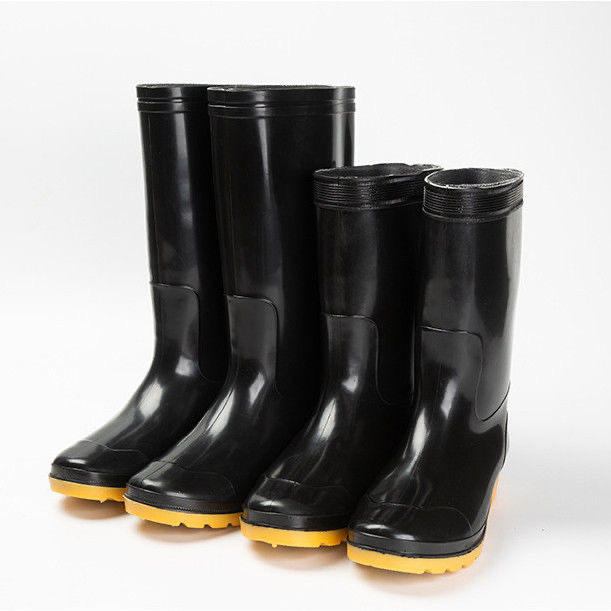
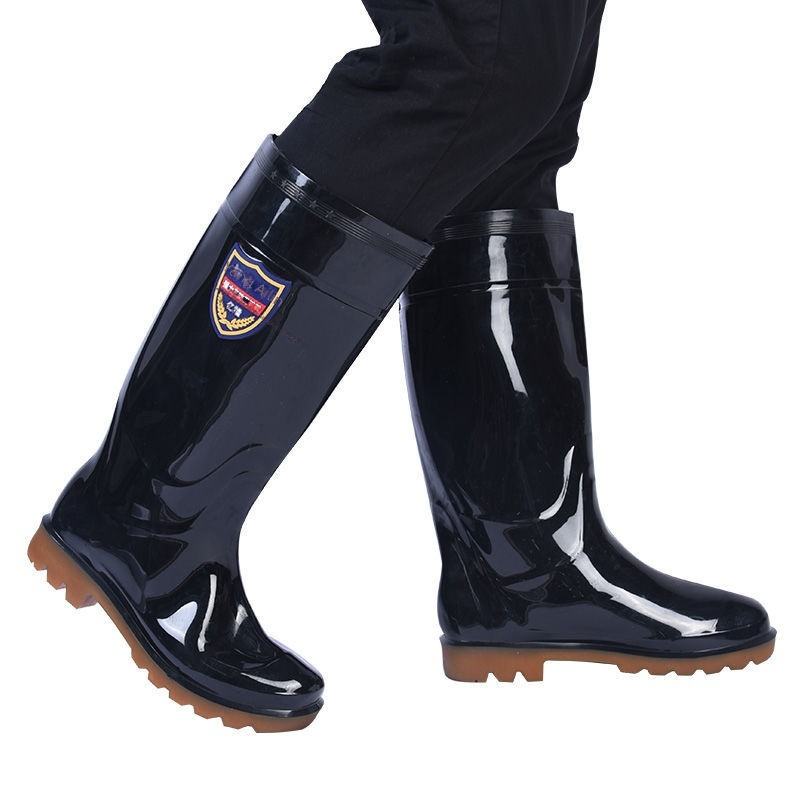
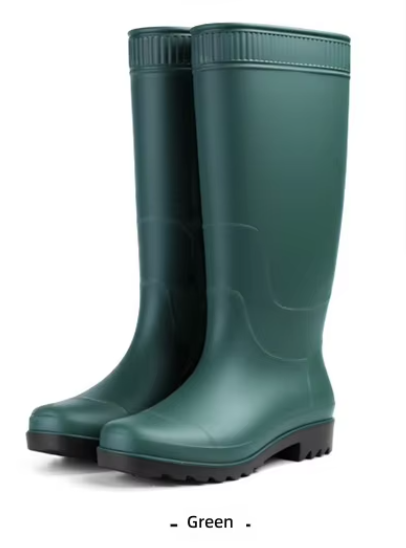
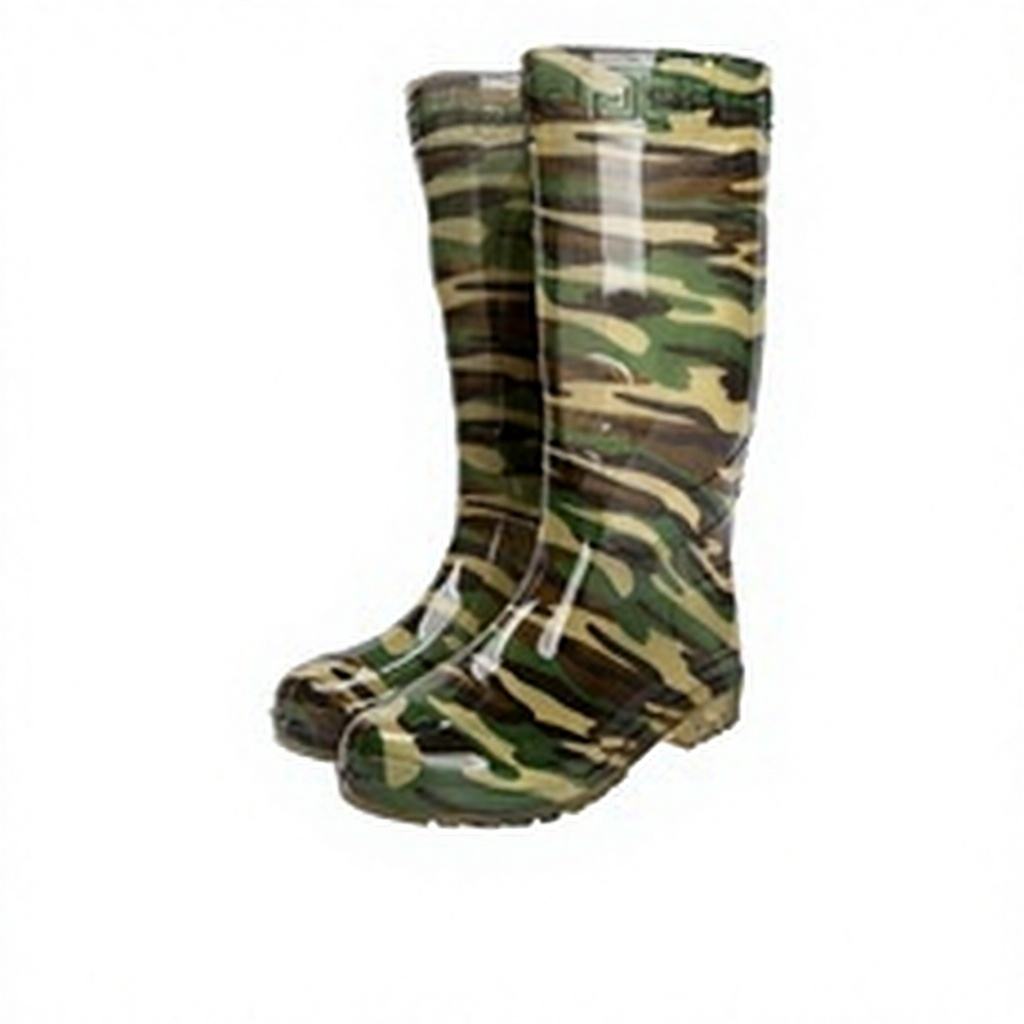
Kitchen work boots are engineered with specialized materials and construction to address kitchen-specific hazards. Most high-performance models use either PVC (polyvinyl chloride) or natural rubber compounds, formulated to resist penetration by grease and cleaning chemicals. The outsole features a deep, multi-directional tread pattern made of high-friction rubber, designed to maintain grip on wet, greasy surfaces. Seam-free construction, achieved through injection molding or heat welding, eliminates gaps where grease and water could seep inside, while a mid-layer of foam or fabric provides cushioning for long shifts.
Professional Rain Boot Manufacturer applies controlled compound formulations to balance flexibility, durability, and chemical resistance, ensuring boots perform consistently in variable kitchen temperatures. Shaft height is another key design element: 6- to 12-inch shafts offer protection from splashes and prevent debris from entering the boot, while shorter styles may be suitable for specific prep area roles that require more mobility.
3. Practical Solutions and Operation Steps
Choosing and using kitchen work boots effectively requires specific steps to ensure they meet safety and comfort needs. Follow these actionable guidelines to select and care for the right footwear:
- First, assess your primary kitchen hazard: if slip risk is highest, prioritize boots with an outsole tested to EN ISO 20347:2022+A1:2024 slip resistance standards. If grease exposure is frequent, look for compounds labeled as grease-resistant per standard testing.
- Select the correct shaft height: for workers handling large pots or heavy equipment, a taller shaft provides additional spill protection, while shorter shafts are suitable for roles with frequent bending or reaching.
- Check for proper fit: leave half an inch of space between the toe and the boot’s front to accommodate swelling during long shifts, ensuring comfort without compromising support.
- Confirm any additional needs: if working near hot surfaces, choose boots with heat-resistant outsole properties; if working in cold storage areas, opt for insulated linings rated for low temperatures, where applicable.
When replacing boots, follow the manufacturer’s recommended lifespan (typically 6 to 12 months with regular use) to avoid using worn soles or degraded materials that lose performance over time.
4. Daily Maintenance and Precautions
Proper maintenance extends the lifespan of kitchen work boots and preserves their safety features. After each shift, wipe boots clean with a mild, non-abrasive detergent and warm water to remove grease and food debris, avoiding strong solvents that can damage the material. Air dry boots in a well-ventilated area away from direct sunlight or high heat sources, which can cause rubber or PVC compounds to crack or degrade.
Key precautions to avoid damage: never store boots in a folded or bent position, as this can warp the outsole; do not use regular rain boots or garden boots as a substitute for kitchen work boots, as they lack grease and slip resistance required for food service; and inspect boots weekly for signs of wear, including worn treads, cracked material, or loose seams, replacing them immediately if any issues are found.
5. Industry Standard and Parameter Reference
To ensure kitchen work boots meet consistent safety and performance requirements, refer to established international standards for occupational footwear. Below are key parameters and recommended reference standards for evaluating suitable footwear:
ParameterRecommended ReferenceWhy It MattersSlip resistanceEN ISO 20347:2022+A1:2024 (where applicable)Helps evaluate outsole grip on wet or contaminated kitchen surfaces, reducing slip fall riskOccupational footwear for general useISO 20347:2021 or EN ISO 20347:2022+A1:2024Supports selection of non-safety boots suitable for food service environmentsChemical resistanceEN 13832-3:2018 (where prolonged chemical contact is claimed)Assesses material resistance to cleaning agents and food-related chemicalsProtective toe performanceASTM F2413-24 (where applicable)Relevant only for boots designed to protect against impact or compression hazards
All performance claims should be verified against third-party test results from accredited bodies, such as SGS or Intertek, to ensure accuracy and compliance with standard requirements.
6. Customer Common FAQ
Q: Are all PVC kitchen work boots equally grease-resistant?
A: No, grease resistance depends on the compound formulation used in the boot’s upper and outsole. Some manufacturers use modified PVC blends specifically formulated to resist oil and grease penetration, while standard PVC may degrade faster with frequent exposure. Professional Rain Boot Manufacturer can guide you to formulations suited for high-grease kitchen environments.
Q: How do I know when to replace my kitchen work boots?
A: Replace boots when you notice significant wear on the outsole tread (reduced depth of 1.5mm or more), cracks or splits in the upper material, or loss of grip during routine use. Most kitchen work boots have a functional lifespan of 6 to 12 months with daily use, depending on wear frequency and hazard exposure.
Q: Can kitchen work boots be worn in cold storage areas?
A: Some boots are designed with insulated linings for low-temperature use, typically rated for environments between -20°C and 10°C. If working in colder spaces, look for boots labeled as cold-resistant, as standard kitchen work boots may become stiff and lose flexibility in low temperatures, increasing slip risk.
Q: How should I clean my kitchen work boots to preserve their performance?
A: Wipe boots with a mild detergent and warm water after each shift, avoiding harsh chemicals like bleach or degreasers that can break down the material. For deep cleaning, use a soft brush to remove stuck debris, then air dry away from direct heat or sunlight to prevent material damage.
Professional Rain Boot Manufacturer emphasizes that footwear maintenance is a key part of ensuring workplace safety, as even high-quality boots will fail if not cared for properly.
Conclusion
Kitchen work boots play a critical role in protecting food service teams from slip, chemical, and fatigue-related hazards in high-fat, grease-saturated kitchen environments. By aligning boot selection with relevant safety standards, prioritizing slip and grease resistance, and following proper maintenance practices, workers can reduce injury risks and extend the useful life of their footwear. Professional Rain Boot Manufacturer provides expertise in matching boot design to specific kitchen hazards, ensuring teams have the right tools to stay safe and comfortable throughout shifts.
References
- International Organization for Standardization. ISO 20347:2021: Occupational footwear. Geneva, Switzerland: ISO, 2021.
- European Committee for Standardization. EN ISO 20347:2022+A1:2024: Occupational footwear. Brussels, Belgium: CEN, 2024.
- American Society for Testing and Materials. ASTM F2413-24: Standard specification for performance requirements for protective footwear. West Conshohocken, PA: ASTM International, 2024.
- European Committee for Standardization. EN 13832-3:2018: Chemical protective footwear. Part 3: Requirements for footwear resistant to chemicals. Brussels, Belgium: CEN, 2018.